
Find research datasets worth reusing
Search datasets from major research repositories and use ShareScore to quickly assess how well each record supports discovery, access, and reuse.
1,023
datasets available to search
ShareScore release 0.9.0
Dataset results
1,023 results for “137”
FIGURE 137 in A taxonomic revision of the spider genus Pseudopoda Jäger, 2000 (Araneae: Sparassidae) from East, South and Southeast Asia
FIGURE 137. Pseudopoda kongdangensis Zhang, Jäger & Liu, spec. nov., holotype, male: A–C Left male palp (A. prolateral; B. ventral; C. retrolateral). Scale bars: A–C: 0.5 mm.
Figs 131–137 in Afrotropical Asilinae (Asilidae): A provisional key to genera, with a review of the status of Neomochtherus Osten Sacken, 1878, and descriptions of new genera and species
Figs 131–137. Caenoura sinuatus (Loew, 1858) Comb. n. (Entabeni Forest ơ & ^). 131. Antenna. 132. Wing. 133–135. ơ genitalia. 133. Lateral. 134. Dorsal. 135. Ventral. 136–137. ^ genitalia. 136. Lateral. 137. Dorsal. Scale lines = 1 mm.
Fig. 137. Pseudonannolene typica Silvestri, 1895 in A reassessment of the Neotropical genus Pseudonannolene Silvestri, 1895: cladistic analysis, biogeography, and taxonomic review (Spirostreptida: Pseudonannolenidae)
Fig. 137. Pseudonannolene typica Silvestri, 1895, holotype, ♂ (MCSN). A. First leg-pair. B. Detail of prefemur. C. Second leg-pair. D. Detail of telopodite, in anal view. E. Left gonopod, in anal view. F. Left gonopod, in oral view. Abbreviations: see Material and methods. Scale bars = 0.5 mm.
Figs 132–137 in A revision of the tracheline sac spider genus Cetonana Strand, 1929 in the Afrotropical Region, with descriptions of two new genera (Araneae Corinnidae)
Figs 132–137. Patelloceto secutor sp. n. male (132–135) and female (136–137): (132) schematic representation on cusp arrangement on legs I and II; (133) left palp, prolateral view; (134) left palp, ventral view; (135) left palp, retrolateral view; (136) epigyne, ventral view; (137) vulva, dorsal view. Scale bars (133–137) = 0.1 mm.
Figures 137–145 in A review of the New Guinea species of Chimarra Stephens (Trichoptera: Philopotamidae)
Figures 137–145. Chimarra spp.; 137–139, Chimarra missim sp. nov., male, holotype, genitalia; 137, lateral; 138, ventral; 139, dorsal. 140–142, Chimarra denticulata sp. nov., male, holotype, genitalia; 140, lateral; 141, ventral; 142, dorsal. 143–145, Chimarra sepikana, male, holotype, genitalia; 143, lateral; 144, ventral; 145, dorsal.
Byrsonima cf. crispa A. Juss. from Colombia collected by I. Pineda, J. Torres, W. López, A. Cunanpia, J. Cunanpia #137
<p><strong>File Name</strong>: <span>TOLI-24143-JBP-04-G4-5.jpg</span></p> <p><strong>CÓDIGO FOTO</strong>: <span>TOLI-24143-JBP-04-G4-5-</span></p> <p><strong>Fotografía</strong>: <span>SI</span></p> <p><strong>Nº TOLI</strong>: <span>TOLI-24143</span></p> <p><strong>PARCELA</strong>: <span>JBP-04</span></p> <p><strong>CÓDIGO</strong>: <span>G4-5</span></p> <p><strong>Nº COLECTA</strong>: <span>137</span></p> <p><strong>NUEVOS COLECTORES</strong>: <span>Wilmar López Oviedo</span></p> <p><strong>COLECTORES</strong>: <span>I. Pineda, J. Torres, W. López, A. Cunanpia, J. Cunanpia</span></p> <p><strong>Nº MUESTRAS MONTADAS</strong>: <span>1</span></p> <p><strong>Homologación</strong>: <span>Homologado</span></p> <p><strong>Nueva fecha del evento </strong>: <span>30/12/2018.</span></p> <p><strong>Fecha del evento</strong>: <span>15/05/2014.</span></p> <p><strong>Proyecto </strong>: <span>Recursos Botánicos Disponibles en Línea (BRAVO) para la flora Colombiana</span></p> <p><strong>Hábitat</strong>: <span>Bosque muy húmedo tropical (bmh-T)</span></p> <p><strong>Continente</strong>: <span>SA</span></p> <p><strong>Pais</strong>: <span>Colombia</span></p> <p><strong>Estado/Provincia</strong>: <span>Chocó</span></p> <p><strong>Municipio</strong>: <span>Bahía Solano</span></p> <p><strong>Localidad</strong>: <span>Jardín Botánico del Pacífico.</span></p> <p><strong>Elevación minima en metros</strong>: <span>0</span></p> <p><strong>Elevación maxima en metros</strong>: <span>200</span></p> <p><strong>Latitud</strong>: <span>6.269</span></p> <p><strong>Longitud original</strong>: <span>-77.385</span></p> <p><strong>datum geodésico</strong>: <span>WGS 84</span></p> <p><strong>Latitud decimal</strong>: <span>6.269</span></p> <p><strong>Longitud decimal</strong>: <span>-77.385</span></p> <p><strong>Identificado por</strong>: <span>Jaime Cabezas</span></p> <p><strong>Fecha de identificación</strong>: <span>27/04/2019.</span></p> <p><strong>Familia antigua</strong>: <span>NN</span></p> <p><strong>Especie antigua</strong>: <span>NN</span></p> <p><strong>Nombre cientifico</strong>: <span>Byrsonima cf. crispa A. Juss.</span></p> <p><strong>Reino</strong>: <span>Plantae</span></p> <p><strong>Filo</strong>: <span>Magnoliophyta</span></p> <p><strong>Clase</strong>: <span>Equisetopsida</span></p> <p><strong>Orden</strong>: <span>Malpighiales</span></p> <p><strong>Familia nueva</strong>: <span>Malpighiaceae</span></p> <p><strong>Género nuevo</strong>: <span>Byrsonima </span></p> <p><strong>especie nueva</strong>: <span>cf. crispa </span></p> <p><strong>Autoría del nombre científico</strong>: <span>A. Juss.</span></p> <p><strong>genero herbario</strong>: <span>Byrsonima</span></p> <p><strong>especie herbario</strong>: <span>crispa</span></p> <p><strong>Especie de herbario para TNRS</strong>: <span>Byrsonima crispa</span></p> <p><strong>Especie corregida herbario y desde TNRS</strong>: <span>Byrsonima crispa</span></p> <p><strong>Familia corregida desde TNRS</strong>: <span>Malpighiaceae</span></p> <p><strong></strong>: <span>3215</span></p>
Ocotea amazonica (Meisn.) Mez from Colombia collected by F. Moreno y C. Carvajal #137
<p><strong>File Name</strong>: <span>TOLI-25212-PER-01-AMAZPRP112ABRIL2012.jpg</span></p> <p><strong>CÓDIGO FOTO</strong>: <span>TOLI-25212-PER-01-AMAZPRP112ABRIL2012-</span></p> <p><strong>Fotografía</strong>: <span>SI</span></p> <p><strong>Nº TOLI</strong>: <span>TOLI-25212</span></p> <p><strong>PARCELA</strong>: <span>PER-01</span></p> <p><strong>CÓDIGO</strong>: <span>AMAZPRP112ABRIL2012</span></p> <p><strong>Nº COLECTA</strong>: <span>137</span></p> <p><strong>NUEVOS COLECTORES</strong>: <span>Esteban Álvarez Dávila</span></p> <p><strong>COLECTORES</strong>: <span>F. Moreno y C. Carvajal</span></p> <p><strong>Nº MUESTRAS MONTADAS</strong>: <span>1</span></p> <p><strong>Homologación</strong>: <span>No homologado</span></p> <p><strong>Nueva fecha del evento </strong>: <span>20/12/2018.</span></p> <p><strong>Fecha del evento</strong>: <span>01/09/2012.</span></p> <p><strong>Proyecto </strong>: <span>Recursos Botánicos Disponibles en Línea (BRAVO) para la flora Colombiana</span></p> <p><strong>Hábitat</strong>: <span>Bosque húmedo tropical (bh-T)</span></p> <p><strong>Comentario del evento</strong>: <span>Bosque de tierra firme, dosel abierto, de 25-30 m, emergentes de 35 m, estrato medio de 15 m, sotobosque denso con alta regeneración natural, presencia de palmas como Lepidocaryum tenue, Oenocarpus bataua, Geonoma sp., capa de hojarazca de 15 cm, abundante materia orgánica. Pendientes pronunciadas. Poca intervención antrópica.</span></p> <p><strong>Continente</strong>: <span>SA</span></p> <p><strong>Pais</strong>: <span>Colombia</span></p> <p><strong>Estado/Provincia</strong>: <span>Amazonas</span></p> <p><strong>Municipio</strong>: <span>Puerto Santander</span></p> <p><strong>Localidad</strong>: <span>Resguardo indígena Nonuya de Villazul.</span></p> <p><strong>Elevación minima en metros</strong>: <span>250</span></p> <p><strong>Elevación maxima en metros</strong>: <span>400</span></p> <p><strong>Latitud</strong>: <span>-0.654</span></p> <p><strong>Longitud original</strong>: <span>-72.072</span></p> <p><strong>datum geodésico</strong>: <span>WGS 84</span></p> <p><strong>Latitud decimal</strong>: <span>-0.654</span></p> <p><strong>Longitud decimal</strong>: <span>-72.072</span></p> <p><strong>Nombre cientifico</strong>: <span>Ocotea amazonica (Meisn.) Mez</span></p> <p><strong>Reino</strong>: <span>Plantae</span></p> <p><strong>Filo</strong>: <span>Magnoliophyta</span></p> <p><strong>Clase</strong>: <span>Equisetopsida</span></p> <p><strong>Orden</strong>: <span>Laurales</span></p> <p><strong>Familia nueva</strong>: <span>Lauraceae</span></p> <p><strong>Género nuevo</strong>: <span>Ocotea </span></p> <p><strong>especie nueva</strong>: <span>amazonica</span></p> <p><strong>Autoría del nombre científico</strong>: <span>(Meisn.) Mez</span></p> <p><strong></strong>: <span>Lauraceae</span></p> <p><strong>genero herbario</strong>: <span>Ocotea</span></p> <p><strong>especie herbario</strong>: <span>amazonica</span></p> <p><strong>Especie de herbario para TNRS</strong>: <span>Ocotea amazonica</span></p> <p><strong>Especie corregida herbario y desde TNRS</strong>: <span>Ocotea amazonica</span></p> <p><strong>Familia corregida desde TNRS</strong>: <span>Lauraceae</span></p> <p><strong></strong>: <span>4227</span></p>
Day 137: Parisian lamppost - 1scanaday
Lamppost battle-ship in [Place de la Concorde, Paris](https://www.google.com/maps/place/Place+de+la+Concorde/@48.8656331,2.3212357,15z/data=!4m2!3m1!1s0x0:0x18030de10e25ab2c?sa=X&ved=2ahUKEwjWnqSdzdHwAhWQlhQKHcw-DeAQ_BIwH3oECFgQBQ). This famous square is decorated with 18 battleship-shaped post lights made of stone and painted in light blue and yellow colors, made in the early 19th century. 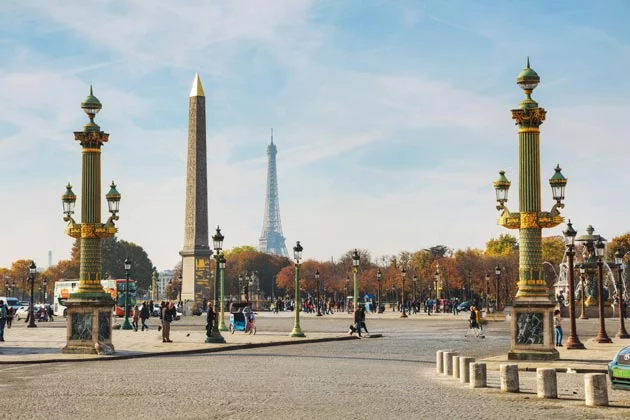 Scanned with the iPhone12 Pro and Everypoint.io. Please feel free to follow my collections of daily scans ([link](https://skfb.ly/6YuwK)) as well as my scans in San Francisco, Paris, or in the catacombs: [link](https://sketchfab.com/edemaistre/collections) Source: Objaverse 1.0 / Sketchfab
Statistics on caesium 137 deposition around the Fukushima-Daiichi plant after the 2011 accident
<p>This dataset has been compiled by members of the Institut de radioprotection et de sûreté nucléaire (IRSN, France)<br> and consists of statistics on caesium 137 deposition around the Fukushima-Daiichi plant after the 2011 accident.<br> <br> These statistics cover each ~5km2 grid cell of an observation field of deposition in Bq.m-2 measured by aerial radiation monitoring.</p>
Pb 137 "Germanicus"
Details Inventarisnummer: Pb 137 Afdeling: Klassieke oudheid Objectnaam: kop ; mannenkop ; Romeinse portretkop Materiaal: steen ; marmer Afmetingen: 40,5 cm Periode: keizertijd 75-100 n.Chr. Vindplaats: Verwerving: legaat 1818 januari https://hdl.handle.net/21.12126/49412 Source: Objaverse 1.0 / Sketchfab
Fig. 137. Bothremys maghrebiana, n in EVOLUTION OF THE SIDE-NECKED TURTLES: THE FAMILIES BOTHREMYDIDAE, EURAXEMYDIDAE, AND ARARIPEMYDIDAE
Fig. 137. Bothremys maghrebiana, n. sp. Partially restored ventral view based primarily on AMNH
Image 137 in Butterflies (Lepidoptera) of Dibang Valley, Mishmi Hills, Arunachal Pradesh, India
Image 137. Hasora alexis alexis
Figs. 137, 138 in A Generic-Level Revision Of The Spider Subfamily Coelotinae (Araneae, Amaurobiidae)
Figs. 137, 138. Coras medicinalis (Hentz), female. 137. Epigynum. 138. Vulva.
Philosophy [IO Bijapur 137]
<ul> <li><strong>Philosophy.</strong></li> <li><strong>This manuscript is now IO Bijapur 137 </strong><strong>in the India Office collections.</strong></li> <li><strong>[metadata:</strong><a href="https://de.wikipedia.org/wiki/Otto_Loth"> <strong>Otto Loth, </strong></a><strong><em><a href="http://doi.org/10.5281/zenodo.3923636">A Catalogue of the Arabic Manuscripts in the Library of the India Office</a></em>, (volume 1), no. 552 here with further notations and hyperlinks]</strong>.</li> </ul> <p>552.</p> <p>B 137. Size 8 <sup>½</sup> in. by 6 in.; foll. 126. Twenty three lines in a page.</p> <p>A diffuse Commentary (ممزوج) on the first part of the Logic of the <em>Tahdhîb </em>(التصورات). The name of the author is not given. He quotes Yazdî.</p> <p>Begins:الحمدلله افتتح ملتبسا (!) بالتسمية بالحمد لله عملا بالكتاب العلى و الاجماع العملى.</p> <p>Plainly written, on European paper, of the middle of twelfth century.</p> <p>Inscribed شرح غاية التهذيب. Cf. Cat. 237, xvi.</p> <p> </p> <p> </p> <p> </p> <p> </p>
FIGURES 137–146 in Review of the New World genus Acrotaphus Townes, 1960 (Hymenoptera: Ichneumonidae: Pimplinae), with descriptions of fifteen new species
FIGURES 137–146. Acrotaphus latifasciatus (Cameron): 137, habitus, ♀ (holotype); 138, head, dorsal view, ♀ (holotype); 139, face, frontal view, ♀ (holotype); 140, habitus, ♂; 141, head, frontal view, ♂; 142, tarsal claw, ♀ (holotype); 143, sternite IX, ♂; 144, genital capsule, lateral view, ♂; 145, genital capsule, ventral view, ♂. Scale bars =0.2 mm. 146. Distribution of Acrotaphus latifasciatus (Cameron) in the Neotropical region.
FIGURE 137 Uroptychus magnipedalis n in Chirostylidae of the Western and Central Pacific: Uroptychus and a new genus (Crustacea: Decapoda: Anomura)
FIGURE 137 Uroptychus magnipedalis n. sp., holotype, male 6.3 mm (MNHN-IU-2014-16718). A, carapace and anterior part of abdomen, proximal part of right P1 included, dorsal.B, same,lateral.C, sternal plastron,with excavated sternum and basal parts of Mxp1. D, telson. E, left antenna, ventral. F, right Mxp3, ventral. G, same, lateral. H, right P1, proximal part omitted, dorsal. Scale bars: A, B, H, 5 mm; C-G, 1 mm.
Figures 137–142 in Revision Of The Australian Coccinellidae (Coleoptera). Genus Novius Mulsant Of Tribe Noviini
Figures 137–142. Novius species, spermatheca: (137) N. pumilus (Weise); (138) N. koebelei; (139) N. breviusculus (Weise); (140–142) N. cardinalis.
FIGURES 135–140. Plumolepilius solisi. Male. 135, Dorsal habitus. 136, Lateral habitus. 137, Frontal view. 138, Abdominal ventrites I–V. 139, Aedeagus dorsal view. 140 in Taxonomy of the weevil genus Plumolepilius Barrios-Izás & Anderson (Coleoptera Curculionidae: Molytinae: Conotrachelini): new species from Central America
FIGURES 135–140. Plumolepilius solisi. Male. 135, Dorsal habitus. 136, Lateral habitus. 137, Frontal view. 138, Abdominal ventrites I–V. 139, Aedeagus dorsal view. 140, Aedeagus lateral view.
FIGURES 129–137 in Revision and Phylogeny of the Eccritotarsine Plant Bug Genus Caulotops Bergroth, with Descriptions of Four New Genera and 14 New Species (Hemiptera Heteroptera: Miridae: Bryocorinae) Associated with Agave (Agavoideae Asparagaceae) and Related Plant Genera
FIGURES 129–137. Male genital tubercles of Laterospinocoris, Nigrotomocoris, and Schaffnerocoris spp. 129, L. cyaneipennis. 130, L. mexicanus, n. sp. 131, N. keltoni, n. sp. 132, N. longirostris, n. sp. 133, N. nigrus. 134, N. tibiopallidus. 135, S. fuscotibialis, n. sp. 136, S. pallipes, n. sp. 137, S. similis, n. sp.
FIGURES 133–137 in Taxonomic review of the "Probetoriformes" species group of Symmachia Hübner [1819] (Lepidoptera: Riodinidae), with the description of two new species from the Brazilian Atlantic Forest
FIGURES 133–137. Male genitalia of Symmachia belonging to the "Probetoriformes" species group in ventral-posterior view. 133. S. probetor. 134. S. belti stat. rev. 135. S. championi stat. rest. 136. S. estellina. 137. S. atlantica Dias, Dolibaina & Mielke sp. nov. Scale bar = 1 mm.
ScienceDex guides
Understand access before you commit
These curated guides explain access requirements, typical timelines, costs, and reuse considerations for widely used research datasets.
Allen Brain Atlas
Allen Brain Atlas is an Allen Institute collection of brain map atlases, datasets, APIs, and analysis tools covering mouse, human, and non-human primate brain resources.
Annotated Behaviour and Observability Dataset (ABODe)
ABODe is a University of Edinburgh DataShare dataset for behavior classification in group-housed mice using home-cage video, identities, bounding boxes, ground-plate positions, and annotator labels.
DANDI Archive for NWB datasets
DANDI is a BRAIN Initiative archive for publishing and sharing neurophysiology data, including electrophysiology, optophysiology, and behavioral data packaged as NWB and related standards.
International Brain Laboratory public data
The International Brain Laboratory public data releases expose standardized mouse decision-making experiments, including Neuropixels recordings, widefield calcium imaging, behavior, and session metadata accessed through the ONE API.
OpenNeuro
OpenNeuro is a free, open platform for sharing neuroimaging datasets, with public search, dataset pages, and download paths for web, S3, DataLad, and the OpenNeuro CLI.