
Find research datasets worth reusing
Search datasets from major research repositories and use ShareScore to quickly assess how well each record supports discovery, access, and reuse.
843
datasets available to search
ShareScore release 0.9.0
Dataset results
843 results for “1907”
Figure 5 in Rediscovery and life history of Bathromelas hyaloscopa (Meyrick & Lower, 1907) Lepidoptera: Psychidae: Oiketicinae
Figure 5. Distribution map of B. hyaloscopa with published records as white circles (as approximate from Meyrick & Lower, 1907 and Turner, 1947) and cross-hatched circles for new records referred to in this text.
Figure 4 in Rediscovery and life history of Bathromelas hyaloscopa (Meyrick & Lower, 1907) Lepidoptera: Psychidae: Oiketicinae
Figure 4. Habitat and live habitus of B. hyaloscopa. Habitat at A, Leyburn, Qld, B, Bendidee SF, Qld, C-D, live larva, E, newly eclosed male expanding wings and F, at rest, G, empty pupal cases on host tree at Bendidee SF.
Fig. 12 in The Australian issid planthopper genus Orinda Kirkaldy, 1907: New subgenera, new species, host plant and identification key (Hemiptera: Fulgoromorpha: Issidae)
Fig. 12. Habitat of Orinda (Scapulorinda) scapularis (Jacobi, 1928), Lake Eacham car park, 6 May 2022.
Fig. 10 in The Australian issid planthopper genus Orinda Kirkaldy, 1907: New subgenera, new species, host plant and identification key (Hemiptera: Fulgoromorpha: Issidae)
Fig. 10. Habitat and host plant of Orinda (Montorinda) montana sp. nov., Mount Walsh National Park, 14 Dec. 2019. A. Mount Walsh as seen from the car park. B. Landscape on the top of Mount Walsh with shrubs growing between the rocks. C. Host plant, Grevillea whiteana Mc Gill. (Proteaceae). D–E. Host plant, G. whiteana, detail.
Fig. 9 in The Australian issid planthopper genus Orinda Kirkaldy, 1907: New subgenera, new species, host plant and identification key (Hemiptera: Fulgoromorpha: Issidae)
Fig. 9. Orinda (Montorinda) montana sp. nov., Ô, holotype (QM), terminalia. A–D. Pygofer, anal tube and gonostyli. A. Left lateral view. B. Left posterolateral view. C. Posterior view. D. Dorsal view. E–L. Aedeagus. E. Left lateral view. F. Posterior view. G. Left laterodorsal view. H. Left lateroventral view. I. Dorsal view. J. Anterodorsal view. K. Aedeagus posteroventral view. L. Ventral view. Abbreviations: see Material and methods.
Fig. 8 in The Australian issid planthopper genus Orinda Kirkaldy, 1907: New subgenera, new species, host plant and identification key (Hemiptera: Fulgoromorpha: Issidae)
Fig. 8. Orinda (Montorinda) montana sp. nov., ♀, paratype (QM). A. Habitus, dorsal view. B. Habitus, ventral view. C. Habitus, lateral view. D. Posterior wing. E. Habitus, anterolateral view. F. Habitus, perpendicular view of frons. G. Left posterior leg, apical half of tibia and tarsus, ventral view.
Fig. 1 in The Australian issid planthopper genus Orinda Kirkaldy, 1907: New subgenera, new species, host plant and identification key (Hemiptera: Fulgoromorpha: Issidae)
Fig. 1. Orinda (Montorinda) eungellana sp. nov., Ô, holotype (QM). A. Habitus, dorsal view. B. Habitus, ventral view. C. Habitus, lateral view. D. Posterior wing. E. Habitus, anterolateral view. F. Habitus, perpendicular view of frons. G. Left posterior leg, apical half of tibia and tarsus, ventral view.
Fig. 4 in The Australian issid planthopper genus Orinda Kirkaldy, 1907: New subgenera, new species, host plant and identification key (Hemiptera: Fulgoromorpha: Issidae)
Fig. 4. Orinda (Montorinda) spp., adeagus of holotypes. A–B. O. (Montorinda) eungellana sp. nov. A. Left lateral view. B. Posterior view. C–D. O. (Montorinda) montana sp. nov. C. Left lateral view. D. Posterior view.
Fig. 3 in The Australian issid planthopper genus Orinda Kirkaldy, 1907: New subgenera, new species, host plant and identification key (Hemiptera: Fulgoromorpha: Issidae)
Fig. 3. Orinda (Montorinda) eungellana sp. nov., Ô, holotype (QM), terminalia. A–D. Pygofer, anal tube and gonostyli. A. Left lateral view. B. Left posterolateral view. C. Posterior view. D. Dorsal view. E–L. Aedeagus. E. Left lateral view. F. Posterior view. G. Left laterodorsal view. H. Left lateroventral view. I. Dorsal view. J. Anterodorsal view. K. Posteroventral view. L. Ventral view. Abbreviations: see Material and methods.
Monopteryx uaucu Spruce ex Benth. from Colombia collected by F. Moreno y C. Carvajal #1907
<p><strong>File Name</strong>: <span>TOLI-22537-PER-01-T4-145.jpg</span></p> <p><strong>CÓDIGO FOTO</strong>: <span>TOLI-22537-PER-01-T4-145-</span></p> <p><strong>Fotografía</strong>: <span>SI</span></p> <p><strong>Nº TOLI</strong>: <span>TOLI-22537</span></p> <p><strong>PARCELA</strong>: <span>PER-01</span></p> <p><strong>CÓDIGO</strong>: <span>T4-145</span></p> <p><strong>Nº COLECTA</strong>: <span>1907</span></p> <p><strong>NUEVOS COLECTORES</strong>: <span>Esteban Álvarez Dávila</span></p> <p><strong>COLECTORES</strong>: <span>F. Moreno y C. Carvajal</span></p> <p><strong>Nº MUESTRAS MONTADAS</strong>: <span>2</span></p> <p><strong>Homologación</strong>: <span>No homologado</span></p> <p><strong>Nueva fecha del evento </strong>: <span>20/12/2018.</span></p> <p><strong>Fecha del evento</strong>: <span>01/09/2012.</span></p> <p><strong>Proyecto </strong>: <span>Recursos Botánicos Disponibles en Línea (BRAVO) para la flora Colombiana</span></p> <p><strong>Hábitat</strong>: <span>Bosque húmedo tropical (bh-T)</span></p> <p><strong>Comentario del evento</strong>: <span>Bosque de tierra firme, dosel abierto, de 25-30 m, emergentes de 35 m, estrato medio de 15 m, sotobosque denso con alta regeneración natural, presencia de palmas como Lepidocaryum tenue, Oenocarpus bataua, Geonoma sp., capa de hojarazca de 15 cm, abundante materia orgánica. Pendientes pronunciadas. Poca intervención antrópica.</span></p> <p><strong>Continente</strong>: <span>SA</span></p> <p><strong>Pais</strong>: <span>Colombia</span></p> <p><strong>Estado/Provincia</strong>: <span>Amazonas</span></p> <p><strong>Municipio</strong>: <span>Puerto Santander</span></p> <p><strong>Localidad</strong>: <span>Resguardo indígena Nonuya de Villazul.</span></p> <p><strong>Elevación minima en metros</strong>: <span>250</span></p> <p><strong>Elevación maxima en metros</strong>: <span>400</span></p> <p><strong>Latitud</strong>: <span>-0.654</span></p> <p><strong>Longitud original</strong>: <span>-72.072</span></p> <p><strong>datum geodésico</strong>: <span>WGS 84</span></p> <p><strong>Latitud decimal</strong>: <span>-0.654</span></p> <p><strong>Longitud decimal</strong>: <span>-72.072</span></p> <p><strong>Nombre cientifico</strong>: <span>Monopteryx uaucu Spruce ex Benth.</span></p> <p><strong>Reino</strong>: <span>Plantae</span></p> <p><strong>Filo</strong>: <span>Magnoliophyta</span></p> <p><strong>Clase</strong>: <span>Equisetopsida</span></p> <p><strong>Orden</strong>: <span>Fabales</span></p> <p><strong>Familia nueva</strong>: <span>Fabaceae</span></p> <p><strong>Género nuevo</strong>: <span>Monopteryx</span></p> <p><strong>especie nueva</strong>: <span>uaucu</span></p> <p><strong>Autoría del nombre científico</strong>: <span>Spruce ex Benth.</span></p> <p><strong></strong>: <span>Fabaceae</span></p> <p><strong>genero herbario</strong>: <span>Monopteryx</span></p> <p><strong>especie herbario</strong>: <span>uaucu</span></p> <p><strong>Especie de herbario para TNRS</strong>: <span>Monopteryx uaucu</span></p> <p><strong>Especie corregida herbario y desde TNRS</strong>: <span>Monopteryx uaucu</span></p> <p><strong>Familia corregida desde TNRS</strong>: <span>Fabaceae</span></p> <p><strong></strong>: <span>1666</span></p>
Gurley Burt Solar Transit - Circa 1907
My graduation work for XYZ School. Without description, just look at this beautiful theodolite :) Based on The Gurley Light Mountain Solar Transit 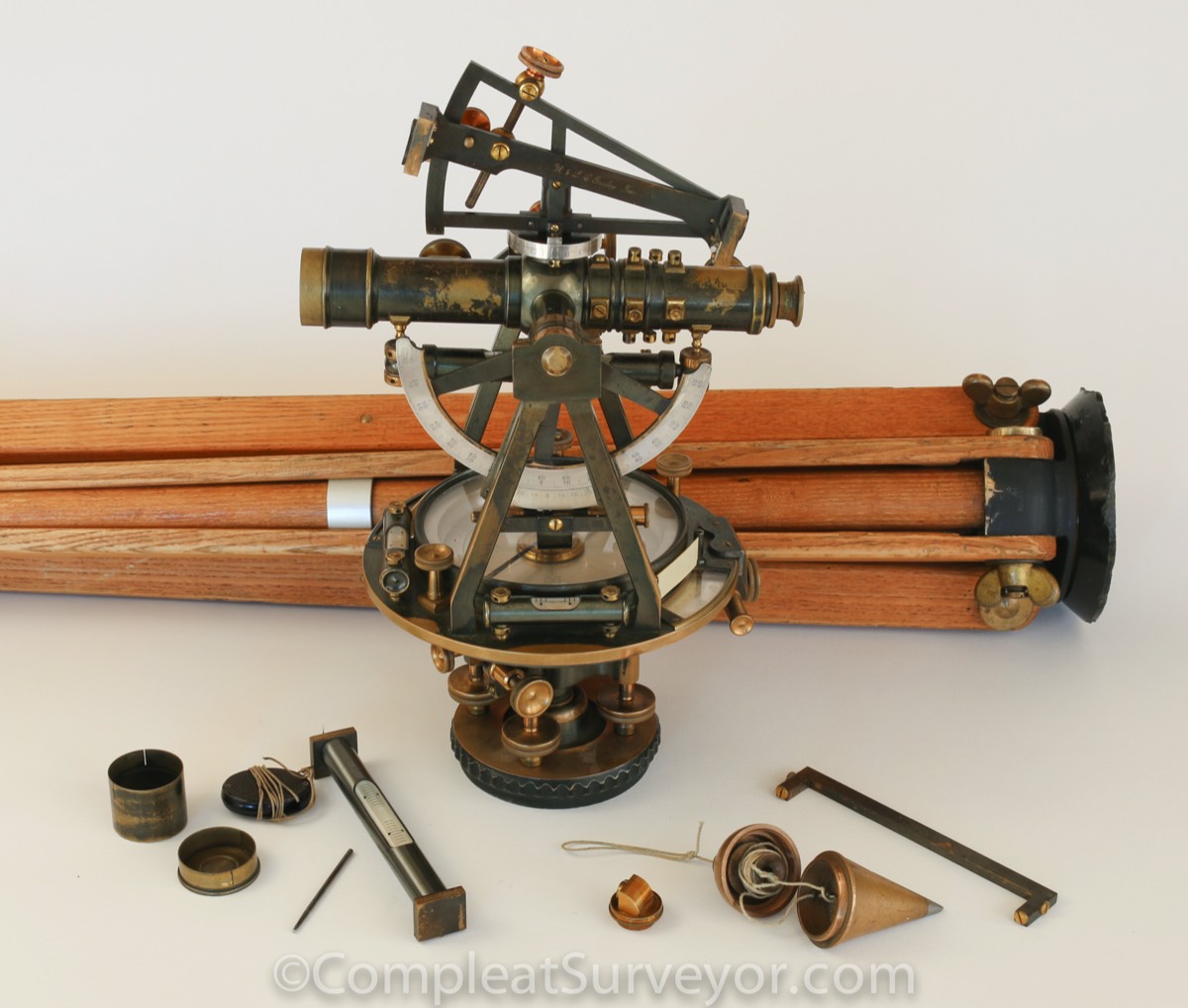 [Link to see more on compleatsurveyor](http://www.compleatsurveyor.com/1907GurleyST/GurleySolarTransit.html) Modeled in Blender, baked in Marmoset, textures in Substance painter Work on ArtStation https://www.artstation.com/artwork/v2y3GA Source: Objaverse 1.0 / Sketchfab
RMS Lusitania 1907
RMS Lusitania (named after the Roman province in Western Europe corresponding to modern Portugal) was a British ocean liner that was launched by the Cunard Line in 1906 and that held the Blue Riband appellation for the fastest Atlantic crossing in 1908. It was briefly the world's largest passenger ship until the completion of the Mauretania three months later. She was sunk on her 202nd trans-Atlantic crossing, on 7 May 1915, by a German U-boat 11 miles (18 km) off the southern coast of Ireland, killing 1,198 passengers and crew Source: Objaverse 1.0 / Sketchfab
Fig. 19. Prosoplus bimaculatus Aurivillius, 1907 in To the knowledge of long-horned beetles (Coleoptera: Cerambycidae) of the Oriental Region (with new synonymy). Part 4
Fig. 19. Prosoplus bimaculatus Aurivillius, 1907
3 Zürcher Schillinge (Inv. Nr.: 1716_45.15 & 1907_464.13 & 186_18.2)
<p>All the photos of the coins Zürcher Schillinge with the Inv.-Nr. 1716_45.15 & 1907_464.13 & 186_18.2 used for the 3-D modell. Included are photos of the obverse as well as the reverse of the coins. Additionally there is a document added in which I describe the process from taking the photos to creating the model to publishing the model on sketchfab and zenodo.</p>
Figure 3 in First record of Thiania cf. subopressa Strand 1907 (Araneae: Salticidae: Euophryini) from India with some natural history notes on the species
Figure 3 (continued on next page). Representative Thiania species from southeastern Asia. 1, Female T. bhamoensis, 10 JUN 2019, Penang, Malaysia. 2, Male T. bhamoensis, 7 MAY 2018, Penang, Malaysia. Photographs posted at iNaturalist © Richard Ong, used under a Creative Commons Attribution-NonCommercial 4.0 International License (CC-BY-NC 4.0).
Figure 2 in First record of Thiania cf. subopressa Strand 1907 (Araneae: Salticidae: Euophryini) from India with some natural history notes on the species
Figure 2. Thiania cf. subopressa in Agartala, Tripura, India. 1, Female in nest between two leaves, held together with silk rivets (upper left). 2, View of entrance to nest that contained spiderlings, with dry upper leaf. 3-4, Spiderlings near the nest. Photographs by Atanu Chakraborti.
Figure 3 in First record of Thiania cf. subopressa Strand 1907 (Araneae: Salticidae: Euophryini) from India with some natural history notes on the species
Figure 3 (continued from previous page). Representative Thiania species from southeastern Asia. 3, Female T. bhamoensis, 23 AUG 2016, feeding on a female Myrmarachne sp., Labrador Villa Road, Singapore, © budak. 4, T. cf. bhamoensis, 11 JUN 2017, Penang, Malaysia, © Robin Bad. 5, Female T. cf. subopressa, Tawau Hill, Singapore, © Nicky Bay, used with permission. 6, T. cf. subopressa feeding on ant, 1 AUG 2018, Hong Kong, © wklegend. 7, Female T. latefasciata, 6 OCT 2016, Botanic Gardens, Singapore, © budak. 8, Female T. latefasciata, 18 MAY 2019, Botanic Gardens, Singapore, © budak. Photographs 3-4, 6-8 posted at iNaturalist, used under a Creative Commons Attribution-NonCommercial 4.0 International License (CC-BY-NC 4.0).
Figure 1 in First record of Thiania cf. subopressa Strand 1907 (Araneae: Salticidae: Euophryini) from India with some natural history notes on the species
Figure 1. Adult female Thiania cf. subopressa in Agartala, Tripura, India. Note the black eye region. Legs I are also completely black except for the coxae and the tarsi. Behind the eye region the carapace is wide and flat. Photographs by Atanu Chakraborti.
Figure 2 in The first Dexiinae from Mauritius: the description of a new species of Pandelleia Villeneuve, 1907 (Diptera, Tachinidae)
Figure 2. (A-D) Pandelleia crosskeyi sp. nov., male terminalia, paratype. (A) Epandrium + syntergosternite 7 + 8, cercus, surstylus, lateral view; (B) Epandrium + syntergosternite 7 + 8, cercus, surstylus, lateral view; (C) Sternite 5; (D) Hypandrium, bacilliform sclerite and aedeagus, lateral view. (Abbreviations: bac scl = bacilliform sclerite; basph = basiphallus; cerc = cercus; distph = distiphallus; epand = epandrium; ej apod = ejaculatory apodeme; hypd = hypandrium; pgt = postgonite; phapod = phallapodeme; pregt = pregonite; sur = surstylus; syntgst = syntergosternite).
Figure 1 in The first Dexiinae from Mauritius: the description of a new species of Pandelleia Villeneuve, 1907 (Diptera, Tachinidae)
Figure 1. (A-D) Pandelleia crosskeyi sp. nov., male, holotype. (A) Dorsal habitus; (B) Lateral habitus; (C) Head, frontal view. (D) holotype labels.
ScienceDex guides
Understand access before you commit
These curated guides explain access requirements, typical timelines, costs, and reuse considerations for widely used research datasets.
Allen Brain Atlas
Allen Brain Atlas is an Allen Institute collection of brain map atlases, datasets, APIs, and analysis tools covering mouse, human, and non-human primate brain resources.
Annotated Behaviour and Observability Dataset (ABODe)
ABODe is a University of Edinburgh DataShare dataset for behavior classification in group-housed mice using home-cage video, identities, bounding boxes, ground-plate positions, and annotator labels.
DANDI Archive for NWB datasets
DANDI is a BRAIN Initiative archive for publishing and sharing neurophysiology data, including electrophysiology, optophysiology, and behavioral data packaged as NWB and related standards.
International Brain Laboratory public data
The International Brain Laboratory public data releases expose standardized mouse decision-making experiments, including Neuropixels recordings, widefield calcium imaging, behavior, and session metadata accessed through the ONE API.
OpenNeuro
OpenNeuro is a free, open platform for sharing neuroimaging datasets, with public search, dataset pages, and download paths for web, S3, DataLad, and the OpenNeuro CLI.