
Find research datasets worth reusing
Search datasets from major research repositories and use ShareScore to quickly assess how well each record supports discovery, access, and reuse.
937
datasets available to search
ShareScore release 0.9.0
Dataset results
937 results for “Tobacco”
De novo genome assembly of the Tobacco Hornworm moth (Manduca sexta)
<p><strong>We present the new reference genome for M sexta, JHU_Msex_v1.0, applying a combination of modern technologies in a de novo assembly to increase continuity, accuracy, and completeness. The assembly is 470 Mb and is ~25x more continuous than the original assembly, with scaffold N50 >14 Mb. We annotated the assembly by lifting over existing annotations and supplementing with additional supporting RNA-based data for a total of 25,256 genes. The new reference assembly is accessible in annotated form for public use.</strong></p>
Predicting Photosynthetic Capacity in Tobacco (Nicotiana tabacum) Using Shortwave Infrared Spectral Reflectance
<p>These files contains the data used for analysis in the (currently under-review) publication "<strong>Predicting Photosynthetic Capacity in Tobacco (</strong><strong><em>Nicotiana tabacum</em></strong><strong>) Using Shortwave Infrared Spectral Reflectance" </strong> in the Journal of Experimental Botany. </p>
W.D. & H.O. Wills Australia Tobacco Tin
An old and rusted early 20th century tobacco tin I happend across in the middle of nowhere. The faint lettering on the back reads: "CAPSTAN - NAVY CUT - FINE TOBACCO" https://victoriancollections.net.au/items/52cb707d2162ef13e49dcc97 Source: Objaverse 1.0 / Sketchfab
A Japanese tobacco shop scans with iPhone_01
A Japanese tobacco shop in the Edo era scans with iPhone12 Pro [Tobacco & Salt Museum](https://www.tabashio.jp/en/) 1-16-3 Yokokawa, Sumida-ku, Tokyo 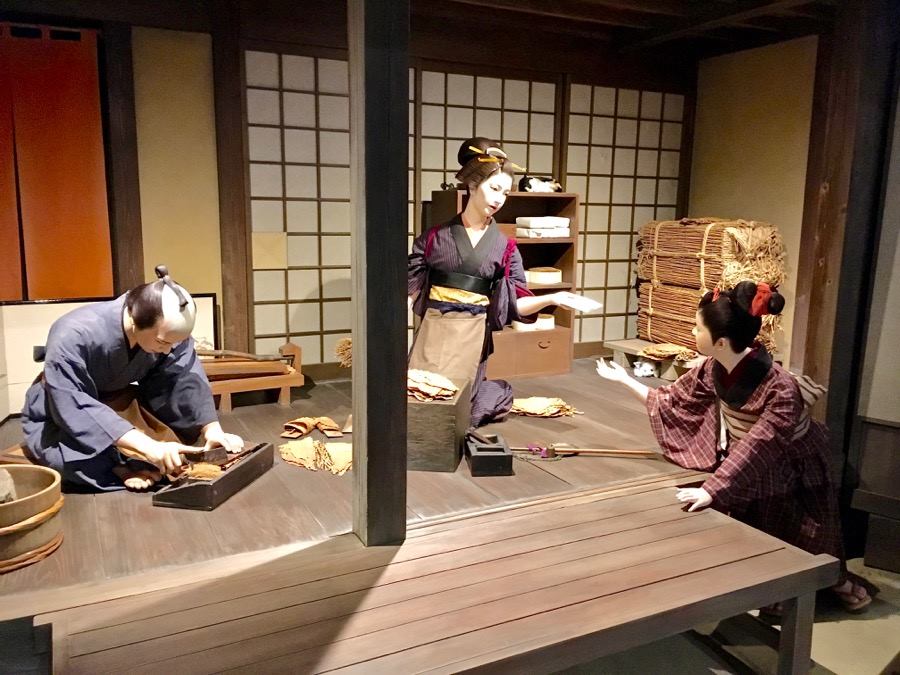 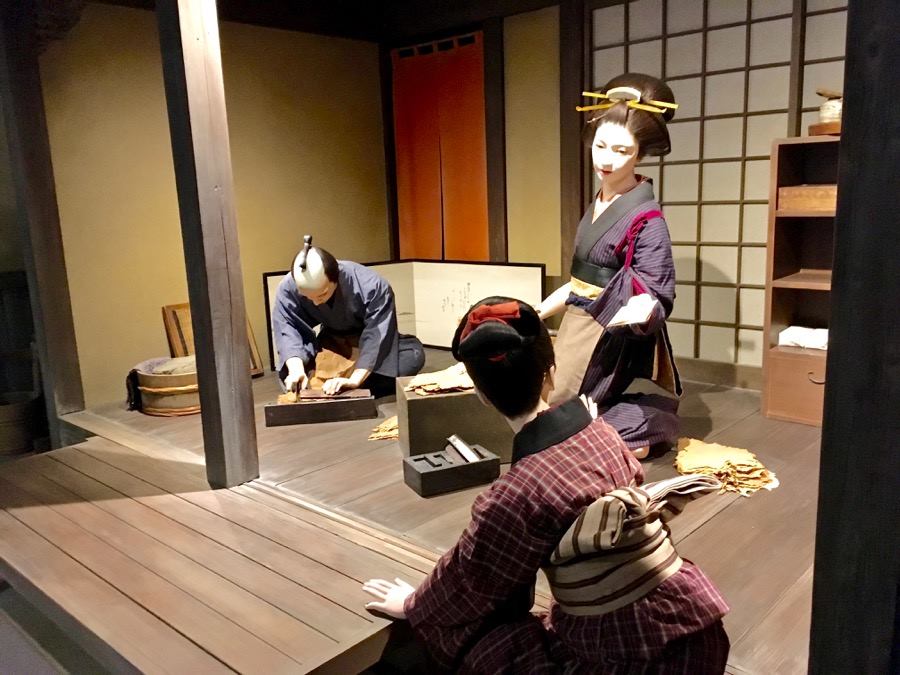 Source: Objaverse 1.0 / Sketchfab
A Japanese tobacco shop scans with iPhone_02
A Japanese tobacco shop in the Showa era scans with iPhone12 Pro [Tobacco & Salt Museum](https://www.tabashio.jp/en/) 1-16-3 Yokokawa, Sumida-ku, Tokyo 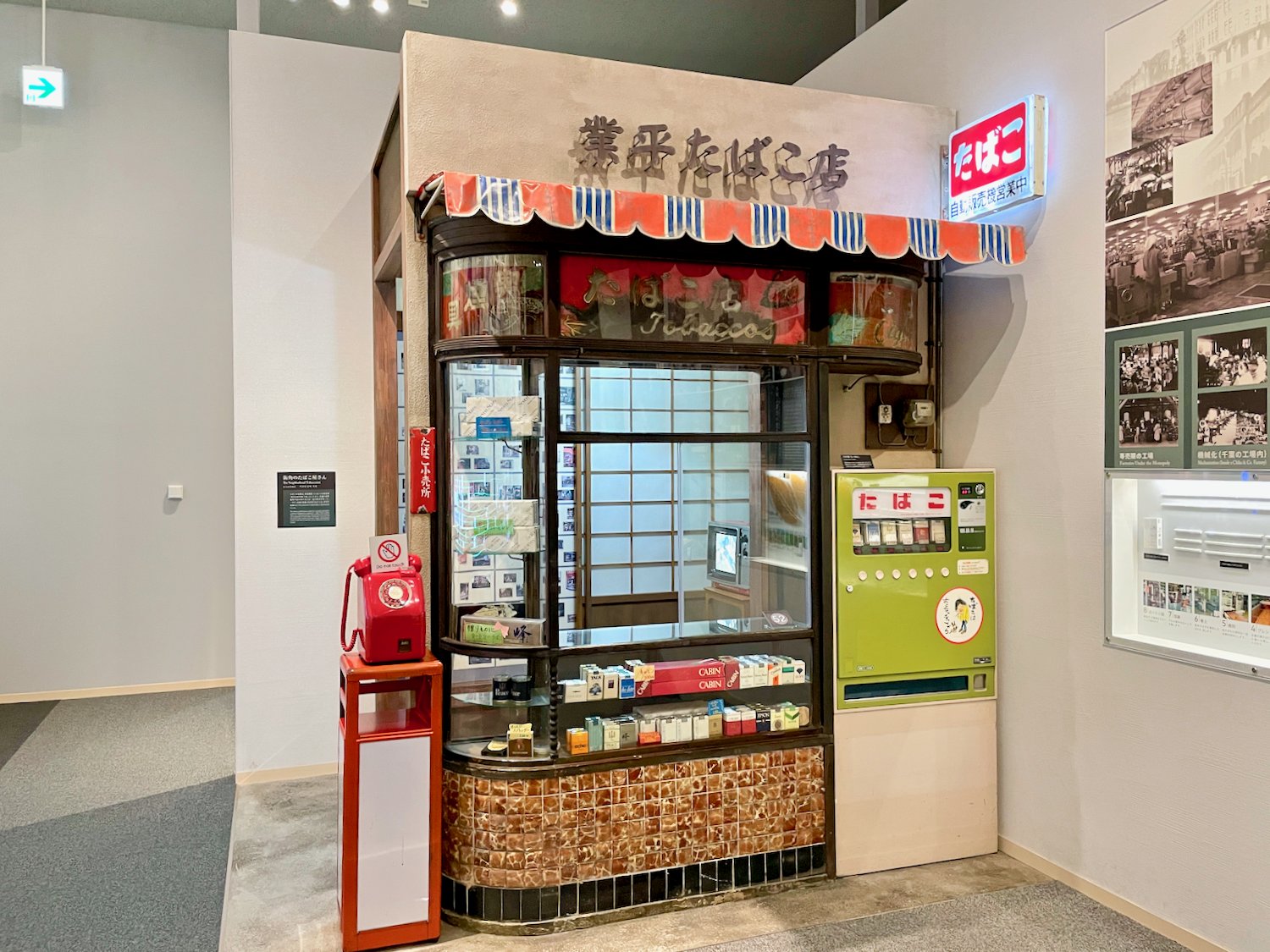 Source: Objaverse 1.0 / Sketchfab
Data Excel File of APEDA products, Tobacco, Spices, Tea and Coffee in India
Open the record for dataset details and reuse information.
Expression analysis of targeted genes Sgt1 (A) and Hsp90 (B) in tomato plants subjected to virus-induced gene silencing using Tobacco rattle virus (TRV) vector.
<p><strong>Figure S1</strong>. Expression analysis of targeted genes Sgt1 (A) and Hsp90 (B) in tomato plants subjected to virus-induced gene silencing using Tobacco rattle virus (TRV) vector. (A) Relative expression levels of Sgt1 analyzed by Reverse Transcription-quantitative Polymerase Chain Reaction (RT-qPCR) in tomato plants infected with TRV vector alone (TRV2), TRV carrying Sgt1 silencing constructs (TRV-Sgt1), and mock-inoculated (Mock). Transcript levels were normalized using tomato genes encoding elongation factor 1-α and SAND as internal references, with Mock as the calibrator. (B) Relative expression levels of Hsp90 analyzed by RT-qPCR in tomato plants infected with TRV2, TRV-Hsp90, and Mock. Gene expression levels were normalized using the same reference genes as in (A). (C) Quantification of the relative accumulation of TRV RNA in plants infected with TRV2 and in silenced plants (TRV-Sgt1 and TRV-Hsp90). The expression levels were normalized using tomato genes for elongation factor 1-α and SAND, with TRV2 as the calibrator. All samples were collected at 19 dpi to anticipate the observed decline. Error bars represent standard errors of five biological replicates, and an asterisk indicates a significant difference, as determined by one-way ANOVA with P < 0.05</p>
Scearce Family Tobacco Farm Homestead
Located outside of Danville, Virginia, the Scearce family farm was established in the early 20th century. Similar to many other farmers in Pittsylvania County, the Scearces made their living from raising tobacco. As a result, their modest farm was once doted with tobacco related structures. Many of the tobacco barns have previously burned down or fallen in due to neglect. Unfortunately, the last of the surviving structures were recently torn down. Most of the structures were of log construction which was later covered with weatherboard. The homestead has been recreated using a map drawn by a former resident dated as of 1928, photographs, and field observations. Not depicted is a family cemetery near the two houses that contains around 20 individuals. Source: Objaverse 1.0 / Sketchfab
Tobacco cutting device
This device was used in a German village called Heimersheim to cut homegrown tobacco. It was in particular used after World War II during the economic crisis, when more people started to cultivate tobacco by themselves. Source: Objaverse 1.0 / Sketchfab
BeBOD estimates of attributable mortality and years of life lost due to tobacco use, 2013-2020
<h1>Belgian National Burden of Disease Study</h1> <h2>Estimates of the attributable burden of disease<strong><br></strong></h2> <p>Our results build on the estimates of causes of death from the <a href="https://www.sciensano.be/en/projects/belgian-national-burden-disease-study" target="_blank" rel="noopener">Belgian National Burden of Disease Study</a> and apply comparative risk assessment to estimate the proportion of that burden due to risk factors.</p> <h3>Population attributable fraction</h3> <p>Based on the estimated level of exposure and the associated health risk, a <strong>population attributable fraction (PAF)</strong> is calculated. The PAF is the proportion of the disease burden that is caused by exposure to the risk factor.</p> <h3>Attributable burden</h3> <p>The burden of disease is quantified in <strong>deaths</strong> and in <strong>Years of Life Lost (YLL)</strong>. To derive the burden attributable to a risk factor, its PAF is multiplied with the total observed burden.</p> <h2>Risk factors</h2> <h3>Tobacco use</h3> <p>The prevalence of never, former and current smokers, as well as the daily number of cigarettes smoked by smokers, is derived from the Belgian Health Interview Survey. Bayesian regression models are used to smoothen, interpolate and extrapolate observed estimates.</p> <h2>More information</h2> <p>For additional background on BeBOD, please visit <a href="https://www.sciensano.be/en/projects/belgian-national-burden-disease-study">https://www.sciensano.be/en/projects/belgian-national-burden-disease-study</a>.</p> <p>Explore the estimates via <a href="https://burden.sciensano.be/shiny/risk">https://burden.sciensano.be/shiny/risk</a>.</p>
Raw Price Index Data from IpeaData on Leather and Leather Goods, Cellulose Pulp, Paper and Paper Products, Tobacco Products, and Wood Products
<p>Data for the full series of the Leather and Leather Goods, Cellulose Pulp, Paper and Paper Products, Tobacco Products, and Wood Products extracted from the IpeaData Database, covering the series beginnings until 06-2023. Ipea data is considered public information that can be freely distributed and copied, provided that the user cites the source IpeaData.</p>
Raw data for: Evaluating the impact of alyssum flower strips on biological control of key pests in flue-cured tobacco agroecosystems
<p>Flue-cured tobacco, <em>Nicotiana tabacum</em> (L.) is often attacked by various pests such as aphids, whiteflies, and tobacco budworms. Insecticide application has been the primary method in managing these pests in Yunnan province. However, it is necessary to look for more sustainable strategies that can help control pests. In this context, conservation biological control is a highly promising alternative, involving the cultivation or conservation of flowering plants within the agricultural ecosystem to attract and support natural enemies. The objective of this study was to evaluate the potential of alyssum, <em>Lobularia maritima</em> (L.) Desv. in attracting natural enemies and managing pests in flue-cures tobacco cultivation. The study conducted two field experiments over successive years, each with two treatments and three replicates, arranged in a completely randomized design. The treatments were (1) tobacco monoculture, and (2) tobacco intercropped with alyssum flower strips. The population density of natural enemies and pests was monitored weekly throughout the study period. The results showed that the presence of alyssum flowers in the tobacco + alyssum treatment significantly increased the abundance of generalist predators such as syrphids, rove beetles, carabids, <em>Orius</em> sp., and spiders during both experiments. This increase in predator population led to a substantial reduction in tobacco pests, particularly aphids. Intercropping alyssum with tobacco can serve as an effective strategy for managing pests specific to the Nicotiana plant, as well as addressing the limited availability of approved insecticides for this crop. This approach may help to mitigate pest-related issues and reduce the reliance on insecticides in tobacco cultivation, contributing to more sustainable pest management practices.</p>
Evolution of Tobacco Marketing to Women in Sub-Saharan Africa
Open the record for dataset details and reuse information.
Cytoplasmic male sterility and abortive seed traits generated through mitochondrial genome editing coupled with allotopic expression of atp1 in tobacco
<p>Genome editing tools have recently been developed that are capable of generating deletions and/or rearrangements in plant mitochondrial genomes. We utilized custom-designed meganuclease constructs targeting the essential mitochondrial gene <em>atp1</em> in tobacco plants carrying a version of atp1 that had been repurposed to function as a nuclear gene. Leaf extracts enriched in mitochondria from three independent genome editing events were evaluated by PacBio sequencing and analysis. Contigs that display sequence homology to the reference mitochondrial genome BA000042 are deposited here. Some of the contigs correspond to the tobacco mitochondrial genome as expected, while others corresponded to sequences from the nucleus where the ancient transfer of portions of the mitochondrial genome became incorporated into the nuclear genome. Still other contigs correspond to the chloroplast genome, or pieces of the chloroplast genome anciently transferred to the nucleus, as small fragments of the chloroplast genome are interspersed in plant mitochondrial genomes. Analysis of contigs of genuine mitochondrial origin demonstrated that the double-strand breaks imposed by the genome editing enzymes resulted in the deletion of <em>atp1</em> and neighboring sequences, along with rearrangements in overall genome structure.</p>
Assessment of tobacco and N. benthamiana as biofactories of irregular monoterpenes for sustainable crop protection
<p>Irregular monoterpenes are important precursors of different compounds employed in pest control such as insecticides and insect sex pheromones. Metabolically engineered plants are appealing as biofactories of such compounds, but specially as potential live biodispensers of related bioactive volatiles, which could be continuously emitted to the environment from different plant tissues. Here we assess the use of cultivated tobacco and Nicotiana benthamiana as biofactories for the irregular monoterpenes chrysanthemol and lavandulol. We evaluate the impact of high levels of constitutive metabolite production on the plant physiology and biomass, and their biosynthetic dynamics for different plant tissues and developmental stages. As an example of an active pheromone compound, we super-transformed the best lavandulol-producing tobacco line with an acetyl transferase gene to obtain a tobacco lavandulyl acetate biodispenser producing up to 0.63 mg of lavandulyl acetate per plant every day. We estimate that with these volatile emission levels, between 200 and 500 plants per hectare would be sufficient to ensure a daily emission of pheromones comparable to commercial lures. This is an important step towards plant-based sustainable solutions for pest control, and it lays the ground for further developing biofactories for other irregular monoterpenoid pheromones, whose biosynthetic genes are yet unknown.</p> <p> </p> <p>The dataset includes GC-MS data (peak areas quantified for each compound with its Qi, normalized) for all the figures and supplementary figures of the associated manuscript. Peak areas are normalized with an admixture, analyzed on the same day as the samples.</p> <p>It also includes biomass data and measurements for the analyzed plants (plant height, leaf biomass, days to flowering time).</p> <p>File S3 shows data for quantitative PCR to determine transgene copy number, and for qRT-PCR to measure transgene expression levels.</p> <p>For all datasets, statistical analysis is also included to support the conclusions showed in the graphs.</p>
Stanford Tobacco Treatment Services - Virtual Reality Treatment for Smoking Cessation
ClinicalTrials.gov study NCT05220254. IPD Sharing: NO. Countries: 1. Publications: 1.
Enhancing Source Credibility in Tobacco Regulatory Communications
ClinicalTrials.gov study NCT03339206. IPD Sharing: Not stated. Countries: 1. Publications: 1.
Tobacco Intervention in Primary Care Treatment Opportunities for Providers
ClinicalTrials.gov study NCT02096029. IPD Sharing: Not stated. Countries: 1. Publications: 2.
Treating Tobacco Dependence in Inpatient Psychiatry - 1
ClinicalTrials.gov study NCT00136812. IPD Sharing: NO. Countries: 1. Publications: 1.
Web Assisted Tobacco Intervention With Community Colleges
ClinicalTrials.gov study NCT01692730. IPD Sharing: Not stated. Countries: 1. Publications: 1.
ScienceDex guides
Understand access before you commit
These curated guides explain access requirements, typical timelines, costs, and reuse considerations for widely used research datasets.
Allen Brain Atlas
Allen Brain Atlas is an Allen Institute collection of brain map atlases, datasets, APIs, and analysis tools covering mouse, human, and non-human primate brain resources.
Annotated Behaviour and Observability Dataset (ABODe)
ABODe is a University of Edinburgh DataShare dataset for behavior classification in group-housed mice using home-cage video, identities, bounding boxes, ground-plate positions, and annotator labels.
DANDI Archive for NWB datasets
DANDI is a BRAIN Initiative archive for publishing and sharing neurophysiology data, including electrophysiology, optophysiology, and behavioral data packaged as NWB and related standards.
International Brain Laboratory public data
The International Brain Laboratory public data releases expose standardized mouse decision-making experiments, including Neuropixels recordings, widefield calcium imaging, behavior, and session metadata accessed through the ONE API.
OpenNeuro
OpenNeuro is a free, open platform for sharing neuroimaging datasets, with public search, dataset pages, and download paths for web, S3, DataLad, and the OpenNeuro CLI.