
Find research datasets worth reusing
Search datasets from major research repositories and use ShareScore to quickly assess how well each record supports discovery, access, and reuse.
10,356
datasets available to search
ShareScore release 0.9.0
Dataset results
10,356 results for “Severity”
Relief dedicated to several Deities
Relief dedicated to several Deities, Piraeus, 420 BC, Marble, Nye Carlsberg Glyptotek (Copenhagen, Denmark). Made with Memento Beta. The absence of attributes makes identification of the deities difficult. The donor of the relief is seen in small size on the left. The style and quality is close to the sculptures of the Parthenon in Athens. Source: Objaverse 1.0 / Sketchfab
Abbaye de Saint Sever de Rustan (65)
Abbaye existant déjà vers l'an mil, fondée sur l'emplacement d'une villa gallor romaine dans le terroir fertile de la valllée de l'Arros. De l'église abbatiale du XIIè siècle, il reste ce portail roman et la grande coupole. 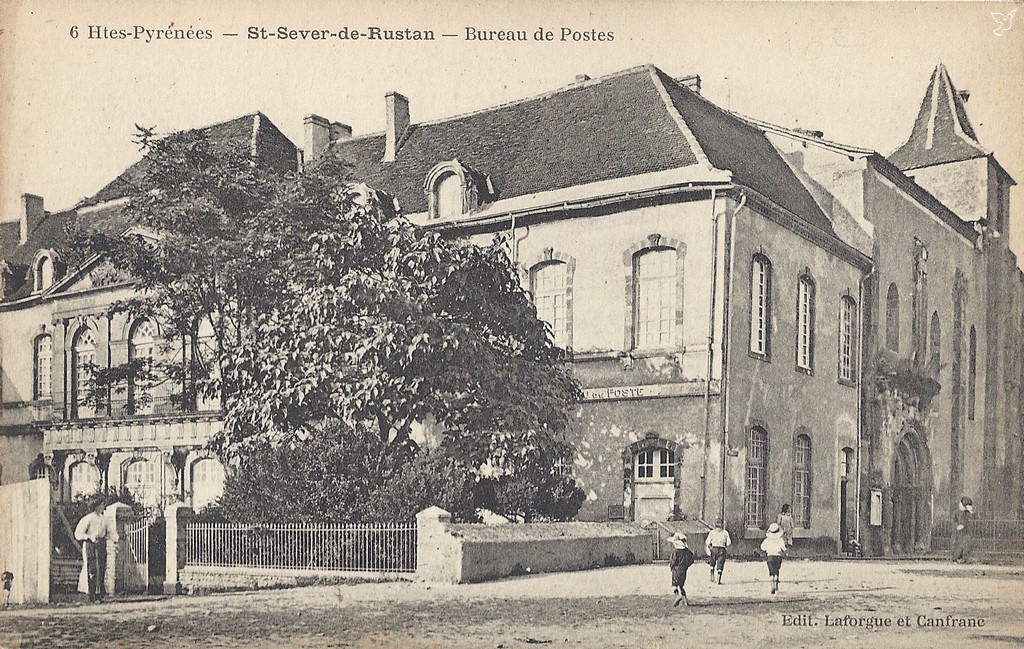 147 Photographies Source: Objaverse 1.0 / Sketchfab
Recovery of European temperate forests after large and severe disturbances
<p><span>As climate change progresses, there is increasing concern that large and severe disturbances may diminish the resilience of forest ecosystems and alter their recovery dynamics. We investigated recovery of temperate forests in Europe following large and severe disturbance events (more than 70 % canopy cover reduction in patches larger than 1 ha) that span a time since disturbance range of one to five decades. Across a ground-based plot network at 143 sites, featuring various forest types and management practices, subjected to 28 disturbance events, including windthrow, fire, and bark beetle, we studied post-disturbance tree density and composition, which are key indicators of forest resilience. We used this dataset to qualitatively assess forest recovery in structure and composition by comparing plot-level post-disturbance height-weighted densities with site-specific pre-disturbance densities. Additionally, we analyzed ecological drivers of post-windthrow tree density, including forest management, topography, and bioclimate, using a series of generalized additive models. The present dataset includes the plot-level data necessary to carry out the aforementioned analyses.</span></p>
qPCR results from design and partial validation of three novel eDNA qPCR assays for several common North American tick (Arachnida: Ixodida) species
<p>The range expansion of ticks to higher latitudes poses a severe threat to human health exposing human populations who had no prior contact with ticks to several harmful tick-borne diseases. Early detection of ticks in new areas is critical to help inform the public and medical professionals of the dangers associated with tick encounters. Environmental DNA represents a novel survey method that could provide reliable records of tick occurrences and timely warnings of their range expansions. In this study, we designed three novel eDNA qPCR assays for three common North American tick species (<em>Dermacentor variabilis</em>, <em>Amblyomma americanum</em>, and <em>Ixodes scapularis</em>) and tested them on samples of grasses collected from grasslands and forests in Illinois. We provide <em>in silico</em> and <em>in vitro </em>validation of all three assays, however we were unable to generate any positive detections from field samples. Our lack of eDNA detections likely stems from low eDNA deposition rates coupled with rapid degradation in grasslands and forests, a problem exacerbated by terrestrial eDNA sampling methods that are limited by volume of substrate. We provide recommendations for improving sample collection methods to increase detection probability in future efforts. Continued research should focus on the viability of eDNA to detect small terrestrial invertebrates, like ticks, and it potential as early warning indicator of the spread of vector-borne diseases.</p>
Data from: Severe enamel defects in wild Japanese macaques
<p>Plane-form enamel hypoplasia (PFEH) is a severe dental defect in which large areas of the crown are devoid of enamel. This condition is rare in humans and even rarer in wild primates. The etiology of PFEH has been linked to exposure to severe disease, malnutrition, environmental toxins, and associated with systemic conditions. In this study, we examined the prevalence of enamel hypoplasia in several populations of wild Japanese macaques (<em>Macaca fuscata</em>) with the aim of providing context for severe defects observed in macaques from Yakushima Island. We found that 10 of 21 individuals (48%) from Yakushima Island displayed uniform and significant PFEH; all 10 specimens were from two adjacent locations in the south of the island. In contrast, macaques from other islands and from mainland Japan have low prevalence of the more common types of enamel hypoplasia and none exhibit PFEH. In Yakushima macaques, every tooth type was affected to varying degrees except for first molars and primary teeth, and the mineral content of the remaining enamel in teeth with PFEH was normal (i.e., no hypo- or hyper mineralization). The aetiology of PFEH might be linked to extreme weather events or high rates of environmental fluoride causing enamel breakdown. However, given that the affected individuals underwent dental development during a period of substantial human-related habitat change, an anthropogenic related etiology seems most likely. Further research on living primate populations is needed to better understand the causes of PFEH in wild primates.</p>
Data from: the characteristics and treatment for severe postpartum hemorrhage in different midwifery hospitals in one district of Beijing in China: an institution-based, retrospective cohort study
<p><span><strong>Objective:</strong> </span><span>To identify the characteristics and treatment approaches for Severe Postpartum Hemorrhage (SPPH) patients in various midwifery institutions in one district in Beijing, especially those without identifiable antenatal PPH risk factors, to improve regional SPPH rescue capacity.</span></p> <p><strong><span>Design:</span></strong><span> Retrospective cohort study</span></p> <p><span><strong>Setting:</strong> </span><span>This study was conducted at n</span><span>ine tertiary-level hospitals and ten secondary-level hospitals</span><span> in Haidian district of Beijing from January 2019 to December 2022. </span></p> <p><strong><span>Participants:</span></strong> <span>The major inclusion criterion was SPPH cases with blood loss </span>≥<span>1500 ml or needing a packed blood product transfusion </span>≥<span>1000 ml within 24 h after birth</span><span>.</span><span> A total of 324 mothers suffering from SPPH were reported to the Regional Obstetric Quality Control Office from 19 midwifery hospitals. </span></p> <p><span><strong>Outcome measures:</strong> </span><span>The pregnancy characteristics collected included: age at delivery, gestational weeks at delivery, height, parity, delivery mode, antenatal PPH risks, etiology of PPH, bleeding amount, PPH complications, transfusion amount, and PPH management. SPPH characteristics were compared between two levels of midwifery hospitals and their association with antenatal PPH high-risk factors was determined.</span></p> <p><span><strong>Results:</strong> </span><span>SPPH was observed in 324 mothers out of 106697 mothers in the four years. There were 74.4% and 23.9% cases of SPPH without detectable antenatal PPH high-risk factors in secondary and tertiary midwifery hospitals, respectively. Primary uterine atony was the leading cause of SPPH in secondary midwifery hospitals, whereas placental-associated disorders were the leading causes in tertiary institutions, accounting for over 50% of cases. In all SPPH cases, the rates of red blood cell transfusion over 10U, </span><span>unscheduled returns to the operating room,</span><span> and adverse PPH complications were higher in patients without antenatal PPH risk factors. Secondary hospitals had significantly higher rates of trauma compared with tertiary institutions.</span></p> <p><span><strong>Conclusion:</strong> </span><span>Examining SPPH cases at various institutional levels offers a more comprehensive view of regional SPPH management and enhances targeted training in this area.</span></p>
Data from: Positive effects of tree species diversity on productivity switch to negative after severe drought mortality in a temperate forest experiment
<p>Synthesis of a large body of evidence from field experiments suggests more diverse plant communities are both more productive as well as more resistant to the effects of climatic extremes like drought. However, this view is strongly based on data from grasslands due to limited empirical evidence from tree diversity experiments. Here we report on the relationship between tree diversity and productivity over ten years in a field experiment established in 2005 that was then affected by the 2018 megadrought in central Europe. Across a number of years, tree species diversity and productivity were significantly positively related, however, the slope switched to negative in the year of the drought. Net diversity effects increased through time, with complementarity making greater continuations to the net diversity effect than selection effects. Complementarity was clearly positive (95 % credible interval) in three and five species mixtures before the drought (2012-2016) but was found to decrease in the year of the drought. Selection effects were clearly positive in 2016, and remained positive in 2018, the drought year in two, three, and five species mixtures. Survival of the Norway spruce (<em>Picea abies</em>) plummeted during drought and a negative relationship between species diversity and spruce survival was found. Our findings suggest that tree diversity per se may not buffer communities against the impacts of extreme drought and that tree species composition and the drought tolerance of tree species (i.e., species identity) will be important determinants of community productivity as the prevalence of drought increases.</p>
Prediction model of the temporal dynamics of severe pest cashew Anacampsis phytomiella using artificial neural networks
Open the record for dataset details and reuse information.
Effectiveness of Mannitol Use on Clinical Outcomes of Severe Traumatic Brain Injury Patients
<p>Dataset for manuscript entitled: </p> <p><span>Effectiveness of Mannitol Use on Clinical Outcomes of Severe Traumatic Brain Injury Patients</span></p>
Fig. 3 in Hamatospiculum flagellispiculosum (Nematoda: Diplotriaenidae) causing severe disease in a new host from Argentine Patagonia: Campephilus magellanicus (Aves: Picidae)
Fig. 3. Schematic outline of the tail of male Hamatospiculum flagellispiculosum.
APNet, an explainable sparse deep learning model to discover differentially active drivers of severe COVID-19
<p><i><strong>Motivation:</strong></i> Computational analyses of plasma proteomics provide translational insights into complex diseases such as COVID-19 by revealing molecules, cellular phenotypes, and signaling patterns that contribute to unfavorable clinical outcomes. Current in silico approaches dovetail differential expression, biostatistics, and machine learning, but often overlook nonlinear proteomic dynamics, like post-translational modifications, and provide limited biological interpretability beyond feature ranking.</p><p><i><strong>Results:</strong></i> We introduce APNet, a novel computational pipeline that combines differential activity analysis based on SJARACNe co-expression networks with PASNet, a biologically-informed sparse deep learning model to perform explainable predictions for COVID-19 severity. Co-expression and classification weights are ingested by the APNet driver-pathway network to aid result interpretation and hypothesis generation. APNet outperforms alternative models in patient classification across three COVID-19 proteomic datasets, identifying predictive drivers and pathways, including some confirmed by single-cell omics and highlighting under-explored biomarker circuitries in COVID-19.</p><p><i><strong>Availability and Implementation:</strong></i></p><p> APNet's R, Python scripts and Cytoscape methodologies are available at </p><p><a href="https://github.com/BiodataAnalysisGroup/APNet">https://github.com/BiodataAnalysisGroup/APNet</a></p>
Resources for "BMF CP 91: Socio-demographic factors, illness experience, severity perception, and sensitivity to air quality index"
<p><span>The current study is conducted to examine the following research questions:</span></p> <ul> <li><span>What are the factors associated with the sensitivity towards the air quality rating index to reduce outdoor activities?</span></li> </ul>
Fig. 5 in Hrabeiella Periglandulata (Annelida: "Polychaeta") Do Apparent Differences In Chaetal Ultrastructure Indicate The Existence Of Several Species In Europe?
Fig. 5. Hrabeiellaperiglandulata – structureofchaetaewithfinefibresvisible (secondfixation
Wildfire severity alters drivers of interaction beta-diversity in plant-bee networks
Spatial variation in species interactions (interaction β-diversity) and its ecological drivers are poorly understood, despite their relevance to community assembly, conservation, and ecosystem functioning. We investigated effects of wildfire severity on patterns and four proximate ecological drivers of interaction β-diversity in plant-bee communities across three localities in the Northern Rocky Mountains (Montana, USA). Wildfires decreased interaction β-diversity but increased interaction frequency (number of visits) and richness (number of links). After controlling for interaction frequency and richness, standardized effect sizes of interaction β-diversity were highest following mixed-severity wildfires, intermediate following high-severity wildfires, and lowest in unburned landscapes, suggesting that wildfire increases spatial aggregation of plant-bee interactions. Moreover, higher effect sizes in burned landscapes were largely determined by turnover in the species composition of both trophic levels rather than by interaction rewiring (spatial turnover in local species interactions not due to species turnover). The underrepresented level of rewiring indicated spatial consistency in post-disturbance patterns of interactions among co-occurring species. Together, our findings suggest that wildfire alters the β-diversity of mutualistic species interactions via linked assembly of plant-bee communities and provide insights into how environmental change alters complex networks of species interactions.
Data repository for "Climate change increases the severity and duration of soil water stress in the temperate forest of eastern North America"
<p>Dataset provided for publication in Frontiers in Forests and Global Change : "Climate change increases the severity and duration of soil water stress in the temperate forest of eastern North America".</p>
Raw data for the article: Successful Use of Heterologous CMV-Reactive T Lymphocyte to Treat Severe Refractory Cytomegalovirus (CMV) Infection in a Liver Transplanted Patient: Correlation of the Host Antiviral Immune Reconstitution with CMV Viral Load and CMV miRNome
<p>Cytomegalovirus (CMV) infection is the most significant viral infection in hosts with compromised immune systems as solid organ transplant patients. Despite significant progress being made in the prevention of CMV disease in these patients, further therapeutic strategies for CMV disease and for the CMV reactivation prevention are needed. Here, we describe the outcome of the infusion of in vitro expanded CMV-reactive T-cells, taken from a healthy CMV-seropositive donor, in a liver-transplanted recipient with a refractory recurrent CMV. In this particular case, adoptive transfer of allogenic CMV-reactive T-lymphocytes resulted in the clearance of CMV infection and resolution of the pathological manifestations of the patient. In the study we also investigated circulating miRNAs, both cellular and viral, as potential biomarkers during the course of CMV infection. The results indicate that the infusion of allogenic CMV-reactive T-cells can be an effective strategy to treat CMV infection recurrence when the generation of autologous virus specific T cell clones is not possible.</p>
The importance of facilitation on community assembly disappears under severe drought stress
<p>Despite the recognition of positive interactions as an important driver of species coexistence and community structure, the underlying mechanism of how facilitation affects assembly processes along stress gradients is poorly explored. Understanding the responses of functional diversity to benefactor species at the extreme end of the stress gradient could provide valuable insight about facilitation-involved assembly mechanisms and contribute to the predictions of species coexistence under climate change.</p> <p>In the drought-stressed community in the Badain-Jaran Desert, the responses of the local community to the nurse shrub species Calligonum mongolicum Turcz. were evaluated using hierarchical Bayesian models. For the 3-year experiment, summer rainfall in each year formed a natural gradient of drought stress. To evaluate the shrub's effects on the assembly process along that gradient, individual samples were collected in pairwise under-shrub and open habitats, and four traits related to stress tolerance and resource acquisition were measured simultaneously.</p> <p>Under moderate drought stress, we observed shifting community-weighted means, broadening ranges and reducing overlaps of functional traits under shrubs. These effects were partly driven by a distinct microenvironment created by shrub plants, in particular the improvement and heterogeneity of soil moisture conditions. However, this influence on trait distributions was strongly dependent on the environmental context, and generally disappeared as drought stress shifted toward its driest end, almost in line with the decreased positive interaction assessed by plant density and species diversity.</p> <p>This study focused on water-limited community that lies at the driest end of drought gradient and confirmed that facilitation can drive the assembly process through both environmental filtering and niche differentiation. More importantly, these assembly mechanisms are proven to become less efficient under extreme drought stress, which may suggest the occasionally disappearing role of benefactor plants on community assembly and an increasing risk of biodiversity loss in the context of climate change.</p>
Fig. 1 in Symbiont Fauna Of Freshwater Zooplankton In Several Water Bodies Of The Dnipro River Basin
Fig. 1. Symbionts of fresh-water zooplankton: A — abdomen with zoo-
Paninvasion severity assessment of a U.S. grape pest to disrupt the global wine market
<p class="MsoNormal">Economic impacts from plant pests are often felt at the regional scale, yet some impacts expand to the global scale through the alignment of a pest's invasion potentials. Such globally invasive species (i.e., paninvasives) are like the human pathogens that cause pandemics. Like pandemics, assessing paninvasion risk for an emerging regional pest is key for stakeholders to take early actions that avoid market disruption. <span>Here, we develop </span>the paninvasion severity assessment framework and use it to assess a rapidly spreading regional U.S. grape pest, the spotted lanternfly planthopper (<em>Lycorma delicatula; </em>SLF), to spread and disrupt the global wine market. We found that SLF invasion potentials are aligned globally because important viticultural regions with suitable environments for SLF establishment also heavily trade with invaded U.S. states. If the U.S. acts as an invasive bridgehead, Italy, France, Spain, and other important wine exporters are likely to experience the next SLF introductions. Risk to the global wine market is high unless stakeholders work to reduce SLF invasion potentials in the U.S. and globally.</p>
Auxiliary Euro-Calliope datasets: Spatial data to represent a European energy system model at several spatial resolutions
<p>Main output generated with the <a href="https://github.com/brynpickering/possibility-for-electricity-autarky/tree/custom-regions">custom-region possibility-for-electricity-autarky</a> workflow.</p> <p>This output provides similar data to <a href="https://doi.org/10.5281/zenodo.3246302">https://doi.org/10.5281/zenodo.3246302</a> (technically eligible land area for renewables and other spatially disaggregated energy system data), but with two key differences:</p> <ol> <li>The spatial extent has been expanded to include Iceland.</li> <li>Two new spatial resolutions have been added: `ehighways` and `ehighways_disaggregated`.</li> </ol> <p>`ehighways` defines 98 regions based on the result of work undertaken in the European Commission Seventh Framework Programme project e-HIGHWAY 2050 [1]. The regions cover 35 European countries; 19 are described at a national resolution and the rest at a subnational resolution. Those at a subnational resolution are aggregated from NUTS3-2006 statistical units. `ehighways_disaggregated` provides the data at the resolution of statistical units in Europe, which is then aggregated to produce the data at the `ehighways` resolution. The mapping from statistical units to ehighways regions is defined in `./ehighways/statistical_units_to_ehighways_regions.csv`. `./ehighways/units.png` shows a map of the resulting 98 `ehighways` regions. The region colours are used to help differentiate regions and have no other meaning.</p> <p>This dataset is used as an input to the <a href="https://github.com/calliope-project/sector-coupled-euro-calliope">Sector-Coupled Euro-Calliope workflow</a>.</p> <p>[1] Anderski, T., Surmann, Y., Stemmer, S., Grisey, N., Momot, E., Leger, A.-C., Betraoui, B., and van Roy, P. (2014). European cluster model of the Pan-European transmission grid (e-HIGHWAY 2050)</p>
ScienceDex guides
Understand access before you commit
These curated guides explain access requirements, typical timelines, costs, and reuse considerations for widely used research datasets.
Allen Brain Atlas
Allen Brain Atlas is an Allen Institute collection of brain map atlases, datasets, APIs, and analysis tools covering mouse, human, and non-human primate brain resources.
Annotated Behaviour and Observability Dataset (ABODe)
ABODe is a University of Edinburgh DataShare dataset for behavior classification in group-housed mice using home-cage video, identities, bounding boxes, ground-plate positions, and annotator labels.
DANDI Archive for NWB datasets
DANDI is a BRAIN Initiative archive for publishing and sharing neurophysiology data, including electrophysiology, optophysiology, and behavioral data packaged as NWB and related standards.
International Brain Laboratory public data
The International Brain Laboratory public data releases expose standardized mouse decision-making experiments, including Neuropixels recordings, widefield calcium imaging, behavior, and session metadata accessed through the ONE API.
OpenNeuro
OpenNeuro is a free, open platform for sharing neuroimaging datasets, with public search, dataset pages, and download paths for web, S3, DataLad, and the OpenNeuro CLI.