
Find research datasets worth reusing
Search datasets from major research repositories and use ShareScore to quickly assess how well each record supports discovery, access, and reuse.
7,195
datasets available to search
ShareScore release 0.9.0
Dataset results
7,195 results for “SET”
Supporting data set for: Three-dimensional Configuration of Induced Magnetic Fields around Mars
<p>Supplementary data to reproduce figures for: Three-dimensional Configuration of Induced Magnetic Fields around Mars</p>
Data Sets for "Online Charge Measurement for Petawatt Laser-Driven Ion Acceleration" (submitted manuscript)
<p>The data presented in the paper titled "Online Charge Measurement for Petawatt Laser-Driven Ion Acceleration" is provided in this data repository.</p> <p>The data is sorted into subfolders according to their presentation in the figures of the paper.</p>
IG receptor germline set for species: Mouse subgroup: A/J set_name: A/J IGKV
<p>Germline Reference set published on the Open Germline Receptor Database (OGRDB)</p>
Data set for phase-field studies of K-feldspar dissolution through etch-pit formation
<p>The numerical data in this repository consists of the simulation data of K-feldspar dissolution through etch-pit formation. The simulations were performed using the software package named "Pace3D".</p> <p>The data is organized, the way it appears in the figures (only, those figures, where simulation data is rquired) in the manuscript and the folders are named accordingly.</p> <ul> <li>The intermediate growth stage simulation data were translated from Pace3D output data format to VTK data format. Using open-source software tools such as Paraview, the VTK files can be examined. Each subfolder's data files are likewise compressed (*.gz file extension). Data must be decompressed for visualization (e.g. with gzip, 7zip).</li> </ul>
Grey-brick buildings, an open data set of calibrated RC models of Dutch residential building heat dynamics
<p>Building thermal modeling is the founding stone upon which numerous carbon reduction strategies in the building sector are built. Yet, as of today, little to no interpretable and calibrated models founded on real-world measurements have been open-sourced. This work attempts to remedy this deficiency and renders public improved results of a recently published stochastic model identification of building heat dynamics study evaluated over 225 Dutch residential buildings. Calibrated lumped resistance-capacity models are made available, along with thermal characterizations of the buildings and reported meta-data. The paper discusses how open-access building thermal models support a collection of building service applications such as building performance benchmarks, model-based control, demand-side management, policy impact assessment, and data augmentation. Insights provided present a starting point for open access benchmarks of building thermal dynamics, paving the way toward new scientific discoveries from common standards.</p>
A set of drinking horn fittings and a chain No.2
Metal elements of the equipment from the so-called ducal tomb: A set of drinking horn fittings and a chain No.2 ID no.: SZA7/ 00/709, SZA7 / 00/760, SZA7 / 00/707 Archaeological Museum in Kraków https://muzea.malopolska.pl/en/objects-list/1573 Digitalisation: RDW MIC, Virtual Małopolska project Source: Objaverse 1.0 / Sketchfab
Chess Set
Got bored one weekend and thought I would make this :) Total Time - 3 Hours. Source: Objaverse 1.0 / Sketchfab
Two sets of Amitabha Triad (japan)
# 仁井田双式来迎三尊図像摩崖仏 Period/Century : Kamakura period, dated 1329 (Karyaku 4) To place Amida Nyorai(Amitabha) in the center for the religion, and place Kannon Bosatsu(Avalokitesvara) and Seishi Bosatsu(Mahasthamaprapta) on both sides of Amida Nyorai, the form is called Amitabha Triad. Amida Nyorai a Buddha leading the dead to paradise.Kannon Bosatsu represents "mercy" of Buddha, and Seishi Bosatsu represents "wisdom" of Boddha. This is a priceless cultural treasure because two pieces of Amitabha Triad are carved on the rocky wall and you can see nothing else like these in Japan. 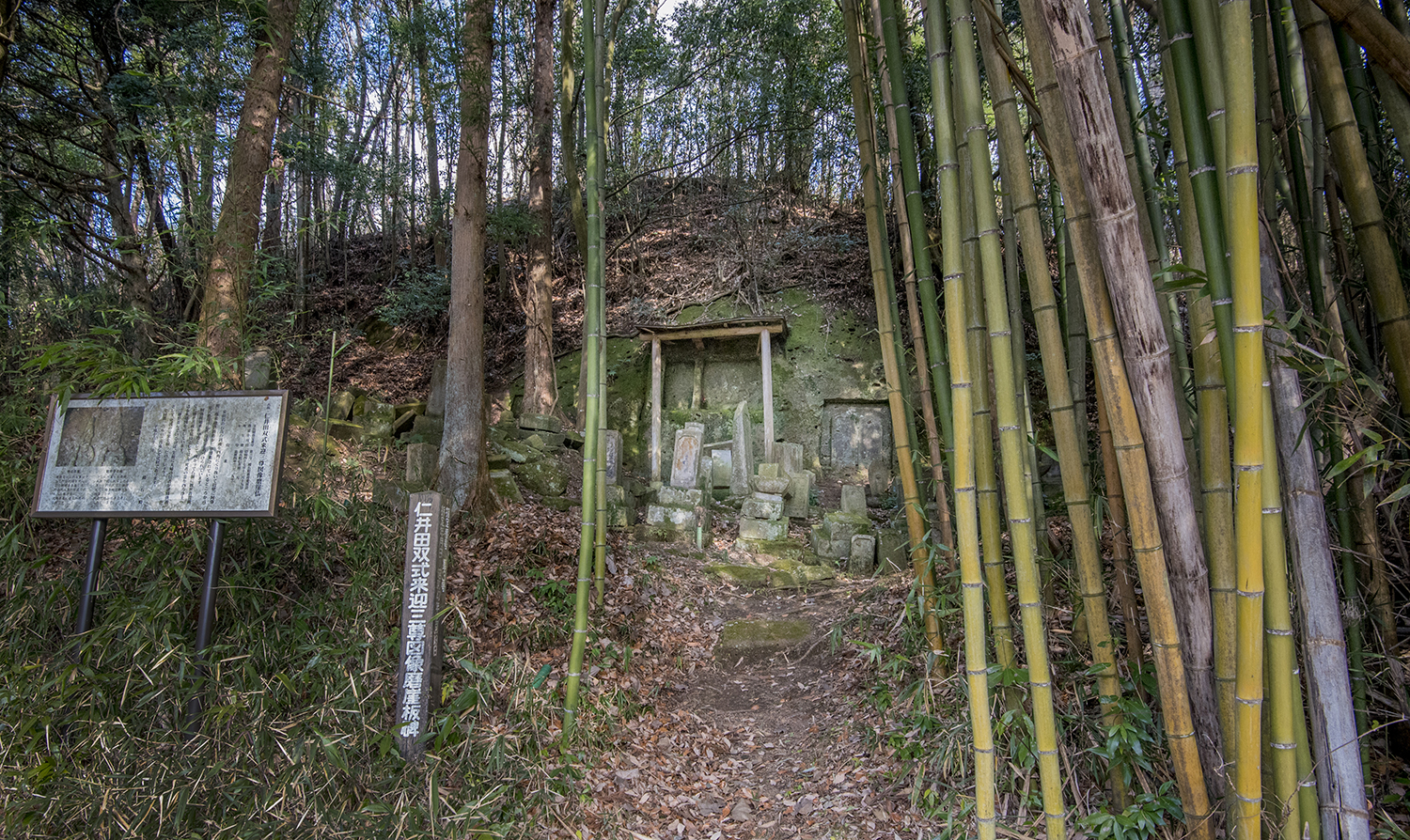 3D digitizing methods : Photogrammetry Software : Reality Capture Equipment : Nikon D750,NIKKOR 16-35mm f/4G,Sony RX100M2,Bi Rod 4500,SB-910 Images: 773 photos Date : Jan.2020 Address : Kagamiishi-town, Fukushima-prefecture.Japan. GoogleMap : https://goo.gl/maps/t6SWkaYj4UMmEqqp9 掲載確認済 【参考】案内板 Source: Objaverse 1.0 / Sketchfab
Data sets collected as part of the workshops conducted with secondary school teachers and TEL experts.
<p>This dataset contains all the material collected during the workshops with teachers and TEL experts. It consists of activities designed by teachers, canva indicating relevant information and platform designs by means of charts and illustrations. It is part of two studies published by Calvera-Isabal M. referenced below (one pending publication). </p> <p>This work has been funded by PID2020-112584RB-C33 funded by MCIN/AEI/10.13039/501100011033, the CS Track project, EU Horizon 2020 programme [grant agreement No 872522], grant for activities to increase the social impact of research in 2021 from Universitat Pompeu Fabra (UPF) and H2O Learn project PID2020-112584RB-C33 funded by MCIN/ AEI / 10.13039/501100011033.</p> <p>Please contact miriam.calvera@upf.edu for data availability.</p>
Q Score Segmented FAST5 Evaluation Data Set
<p>Q Score segmented raw FAST5 data set used for accuracy characterization of the novel Alignment Matrix soft decoding algorithm (<a href="https://doi.org/10.5281/zenodo.11454877">https://doi.org/10.5281/zenodo.11454877</a>) applied to the HEDGES DNA-information storage code. Implementation of the HEDGES code used for accuracy assessment of our algorithm is based on the publication of Press et al. (<a href="https://doi.org/10.1073/pnas.2004821117">https://doi.org/10.1073/pnas.2004821117</a>).</p> <p><strong> </strong></p> <p>Each archive in this data set generally corresponds to a certain design length and HEDGES rate. For example, 1250, 1667, 3333, and 5000 correspond to HEDGES rates of 0.125, 0.167, 0.33, and 0.5 respectively. Additionally, archives labeled with "half" and "quarter" indicate DNA molecule designs that are approximately half and quarter the length of archives labeled "full". Archives labeled with "s1" or "s2" correpsond to data for strands indexed as 1 and 2 for the 0.167 hedges "full" design. Within each archive are FAST5 directories that each correspond to Q Score segment ranges that were used to evaluate the impact of Q Score on soft decoding byte error rate. Each FAST5 directory is clearly labeled with the start and end Q Score value that was used to construct the data set. </p> <p> </p>
Spectral analysis for modal parameters linear estimate - Evaluation sets
Open the record for dataset details and reuse information.
From Powder to Pouch Cell: Setting up a Sodium-Ion Battery Reference System Based on Na3V2(PO4)3/C and Hard Carbon
<p><strong>Dataset: </strong><strong>F</strong><strong>rom Powder to Pouch </strong><strong>Cell</strong><strong>: Setting up a </strong><strong>Sodium-</strong><strong>I</strong><strong>on Battery </strong><strong>Reference System Based on Na</strong><strong>3</strong><strong>V</strong><strong>2</strong><strong>(PO</strong><strong>4</strong><strong>)</strong><strong>3</strong><strong>/C and Hard Carbon </strong></p> <p>Pirmin Stüble,a,* Cedric Müller,a Nicole Bohn,a Marcus Müller,a Andreas Hofmann,a Tolga Akçay,a Julian Klemens,b Arnd Koeppe,a,c Satish Kolli,d Deepalaxmi Rajagopal,a,c Holger Geßwein,a Wilhelm Schabel,b Philip Scharfer,b Michael Selzer,a,c Joachim R. Binder,a Anna Smitha,*</p> <p>a: Karlsruhe Institute of Technology (KIT), Institute for Applied Materials (IAM),<br> Hermann-von-Helmholtz-Platz 1, 76344 Eggenstein-Leopoldshafen, Germany</p> <p>b: Karlsruhe Institute of Technology (KIT), Thin Film Technology (TFT),<br> Straße am Forum 7, 76131 Karlsruhe, Germany</p> <p>c: Karlsruhe Institute of Technology (KIT), Institute of Nanotechnology (INT), Hermann-von-Helmholtz-Platz 1, 76344 Eggenstein-Leopoldshafen, Germany</p> <p>d: Helmholtz Institute Ulm (HIU), Helmholtzstraße 11, 89081 Ulm, Germany</p> <p>*: Corresponding author: anna.smith@kit.edu, Tel.: +49 721 608 28851,<br> Fax: +49 721 608 28521</p> <p> </p> <p>The uploaded file is an RO-crate export for use with electronic lab notebooks.</p>
Spike-in and real-world proteomics data sets used in publication of PRONE
<p>Spike-in and real-world data sets used in the evaluation study by Arend et al. (see reference), and some utilized in the vignettes of PRONE, an R package designed for preprocessing, normalization, and performance evaluation of normalization methods of proteomics data. </p> <h3>Overview of the Data Sets</h3> <p>Due to the unavailability of proteomics quantification data from all original publications, data were extracted from alternative sources, which are also listed in the table below. Please refer to the paper's supplementary material and GitHub repository (https://github.com/lisiarend/PRONE.Evaluation) for more comprehensive information on the data sets. A processed metadata file and the protein quantification data file are provided for all data sets. The original quantification data used to generate these two files for each data set are consistently provided in the `original_data` directory of each data set.</p> <p> </p> <div> <table> <tbody> <tr> <td> <p>Data Set</p> </td> <td> <p>Type</p> </td> <td> <p>Quantification Type</p> </td> <td> <p>Raw Data (ID)</p> </td> <td> <p>Quantification Data</p> </td> </tr> <tr> <td> <p>dS1</p> </td> <td> <p>UPS1 spike-in </p> <p>(4 levels)</p> </td> <td> <p>LFQ</p> </td> <td> <p>Tabb et al. <a href="https://www.zotero.org/google-docs/?gkmf6j">[1]</a></p> </td> <td> <p>Välikangas et al. <a href="https://www.zotero.org/google-docs/?Tt81W8">[10]</a> </p> </td> </tr> <tr> <td> <p>dS2</p> </td> <td> <p>UPS1 spike-in </p> <p>(6 levels)</p> </td> <td> <p>LFQ</p> </td> <td> <p>Ramus et al. <a href="https://www.zotero.org/google-docs/?HP8b9X">[2]</a> (PXD001819)</p> </td> <td> <p>Graw et al. <a href="https://www.zotero.org/google-docs/?aiEVfL">[11]</a></p> </td> </tr> <tr> <td> <p>dS3</p> </td> <td> <p>E.coli spike-in </p> <p>(5 levels)</p> </td> <td> <p>LFQ</p> </td> <td> <p>Shen et al. <a href="https://www.zotero.org/google-docs/?zHIDZy">[3]</a></p> <p>(PXD003881)</p> </td> <td> <p>Sticker et al. <a href="https://www.zotero.org/google-docs/?aZ7oZu">[12]</a></p> </td> </tr> <tr> <td> <p>dS4</p> </td> <td> <p>E.coli spike-in </p> <p>(2 levels)</p> </td> <td> <p>LFQ</p> </td> <td> <p>Cox et al. <a href="https://www.zotero.org/google-docs/?scM19M">[4]</a></p> <p>(PXD00279)</p> </td> <td> </td> </tr> <tr> <td> <p>dS5</p> </td> <td> <p>E.coli spike-in </p> <p>(3 levels)</p> </td> <td> <p>TMT 10-plex (1)</p> </td> <td> <p>Zhu et al. <a href="https://www.zotero.org/google-docs/?qAz08E">[5]</a></p> <p>(PXD013277)</p> </td> <td> <p>Phil Wilmarth <a href="https://www.zotero.org/google-docs/?i7xmgP">[13]</a></p> </td> </tr> <tr> <td> <p>dS6</p> </td> <td> <p>yeast spike-in </p> <p>(3 levels)</p> </td> <td> <p>TMT 11-plex (1)</p> </td> <td> <p>O’Connell et al. <a href="https://www.zotero.org/google-docs/?C2XoaJ">[6]</a></p> <p>(PXD007683)</p> </td> <td> <p>Ammar et al. <a href="https://www.zotero.org/google-docs/?UWcyly">[14]</a></p> </td> </tr> <tr> <td> <p>dR1</p> </td> <td> <p>Osteogenic differentiation of hPCLSCs (4 time points)</p> </td> <td> <p>TMT 6-plex (3)</p> </td> <td> <p>Li et al. <a href="https://www.zotero.org/google-docs/?BouGSs">[8]</a> (PXD020908)</p> </td> <td> <p>MaxQuant executed in-house</p> </td> </tr> <tr> <td> <p>dR2</p> </td> <td> <p>Prospective Ovarian JHU Proteome</p> </td> <td> <p>TMT 10-plex (13)</p> </td> <td> <p>Hu et al. <a href="https://www.zotero.org/google-docs/?kVn4pf">[9]</a></p> <p>(PDC000110)</p> </td> <td> <p>MaxQuant executed in-house</p> </td> </tr> <tr> <td> <p>dR3</p> </td> <td> <p>AROM+ transgenic vs. wild-type mice</p> </td> <td> <p>LFQ</p> </td> <td> <p>Vehmas et al. <a href="https://www.zotero.org/google-docs/?qwYM2A">[7]</a></p> <p>(PXD002025)</p> </td> <td> </td> </tr> <tr> <td> <p>dR4</p> </td> <td> <p>Mycobacterium tuberculosis</p> <p>(healthy, disease vs. treated)</p> </td> <td> <p>TMT 10-plex (2)</p> </td> <td> <p>Schmidt et al. <a href="https://www.zotero.org/google-docs/?m1VHIG">[15]</a></p> <p>(PXD030883)</p> </td> <td> </td> </tr> </tbody> </table> </div> <h3>References</h3> <p>[1] D. L. Tabb et al., ‘Repeatability and Reproducibility in Proteomic Identifications by Liquid Chromatography−Tandem Mass Spectrometry’, J. Proteome Res., vol. 9, no. 2, pp. 761–776, Feb. 2010, doi: 10.1021/pr9006365.<br>[2] C. Ramus et al., ‘Spiked proteomic standard dataset for testing label-free quantitative software and statistical methods’, Data Brief, vol. 6, pp. 286–294, Mar. 2016, doi: 10.1016/j.dib.2015.11.063.<br>[3] X. Shen et al., ‘IonStar enables high-precision, low-missing-data proteomics quantification in large biological cohorts’, Proc. Natl. Acad. Sci., vol. 115, no. 21, pp. E4767–E4776, May 2018, doi: 10.1073/pnas.1800541115.<br>[4] J. Cox, M. Y. Hein, C. A. Luber, I. Paron, N. Nagaraj, and M. Mann, ‘Accurate Proteome-wide Label-free Quantification by Delayed Normalization and Maximal Peptide Ratio Extraction, Termed MaxLFQ *’, Mol. Cell. Proteomics, vol. 13, no. 9, pp. 2513–2526, Sep. 2014, doi: 10.1074/mcp.M113.031591.<br>[5] Y. Zhu et al., ‘DEqMS: A Method for Accurate Variance Estimation in Differential Protein Expression Analysis *’, Mol. Cell. Proteomics, vol. 19, no. 6, pp. 1047–1057, Jun. 2020, doi: 10.1074/mcp.TIR119.001646.<br>[6] J. D. O’Connell, J. A. Paulo, J. J. O’Brien, and S. P. Gygi, ‘Proteome-Wide Evaluation of Two Common Protein Quantification Methods’, J. Proteome Res., vol. 17, no. 5, pp. 1934–1942, May 2018, doi: 10.1021/acs.jproteome.8b00016.<br>[7] A. P. Vehmas et al., ‘Liver lipid metabolism is altered by increased circulating estrogen to androgen ratio in male mouse’, J. Proteomics, vol. 133, pp. 66–75, Feb. 2016, doi: 10.1016/j.jprot.2015.12.009.<br>[8] J. Li et al., ‘Dynamic proteomic profiling of human periodontal ligament stem cells during osteogenic differentiation’, Stem Cell Res. Ther., vol. 12, no. 1, p. 98, Feb. 2021, doi: 10.1186/s13287-020-02123-6.<br>[9] Y. Hu et al., ‘Integrated Proteomic and Glycoproteomic Characterization of Human High-Grade Serous Ovarian Carcinoma’, Cell Rep., vol. 33, no. 3, p. 108276, Oct. 2020, doi: 10.1016/j.celrep.2020.108276.<br>[10] T. Välikangas, T. Suomi, and L. L. Elo, ‘A systematic evaluation of normalization methods in quantitative label-free proteomics’, Brief. Bioinform., vol. 19, no. 1, pp. 1–11, Jan. 2018, doi: 10.1093/bib/bbw095.<br>[11] S. Graw et al., ‘proteiNorm – A User-Friendly Tool for Normalization and Analysis of TMT and Label-Free Protein Quantification’, ACS Omega, vol. 5, no. 40, pp. 25625–25633, Oct. 2020, doi: 10.1021/acsomega.0c02564.<br>[12] A. Sticker, L. Goeminne, L. Martens, and L. Clement, ‘Robust Summarization and Inference in Proteome-wide Label-free Quantification’, Mol. Cell. Proteomics, vol. 19, no. 7, pp. 1209–1219, Jul. 2020, doi: 10.1074/mcp.RA119.001624.<br>[13] ‘understanding_IRS’. Accessed: Mar. 07, 2024. [Online]. Available: https://pwilmart.github.io/IRS_normalization/understanding_IRS.html<br>[14] C. Ammar, M. Gruber, G. Csaba, and R. Zimmer, ‘MS-EmpiRe Utilizes Peptide-level Noise Distributions for Ultra-sensitive Detection of Differentially Expressed Proteins[S]’, Mol. Cell. Proteomics, vol. 18, no. 9, pp. 1880–1892, Sep. 2019, doi: 10.1074/mcp.RA119.001509.<br>[15] F. Biadglegne et al., ‘Mycobacterium tuberculosis Affects Protein and Lipid Content of Circulating Exosomes in Infected Patients Depending on Tuberculosis Disease State’, Biomedicines, vol. 10, no. 4, p. 783, Mar. 2022, doi: 10.3390/biomedicines10040783.</p>
Silene uralensis aggregate, circumpolar species : dataset, Novaseq Illumina RAW READS SET 2
<p>This dataset includes 16 samples of circumpolar species included in the <em>Silene uralensis</em> aggregate, sensu http://panarcticflora.org/. Forty-eight low copy nuclear genes were enriched with <em>Silene-</em>specific probes. The samples were sequenced with the Novaseq technology from the short read Illumina platform. An excel sheet with samples information is included.</p> <p>Two other datasets are associated to this one, called "Silene uralensis aggregate, circumpolar species : dataset, Novaseq Illumina RAW READS SET 1" on Zenodo 10.5281/zenodo.12699639 and "Silene uralensis aggregate, circumpolar species : dataset, Miseq Illumina RAW READS" on Zenodo 10.5281/zenodo.12688714. These three datasets belong to a study about phylogenetics in the circumpolar <em>Silene uralensis</em> aggregate. </p>
Silene uralensis aggregate, circumpolar species : dataset, Novaseq Illumina RAW READS SET 1
<p>This dataset includes 16 samples of circumpolar species included in the <em>Silene uralensis</em> aggregate, sensu http://panarcticflora.org/. Forty-eight low copy nuclear genes were enriched with <em>Silene-</em>specific probes. The samples were sequenced with the Novaseq technology from the short read Illumina platform. An excel sheet with samples information is included.</p> <p>Two other datasets are associated to this one, called "Silene uralensis aggregate, circumpolar species : dataset, Novaseq Illumina RAW READS SET 2" on Zenodo 10.5281/zenodo.12700012 and "Silene uralensis aggregate, circumpolar species : dataset, Miseq Illumina RAW READS" on Zenodo 10.5281/zenodo.12688714. These three datasets belong to a study about phylogenetics in the circumpolar <em>Silene uralensis</em> aggregate. </p> <div> <div> <div> </div> <div> <div> <div> </div> <div> <p> </p> <p> </p> </div> </div> </div> </div> </div>
Bruker NMR data set for journal article: 3.4. Understanding the Microstructure Connectivity in Photopolymerizable Aluminum-Phosphate-Silicate Sol−Gel Hybrid Materials for Additive Manufacturing
<p>Solid state fast MAS 1H data for hybrid polymerizable compounds. </p>
Multilingual test set for language identification and speech recognition from European Parliament recordings
<p>This test set for language identification and speech recognition is composed by multilingual extracts from European Parliament sessions recordings. </p> <p><strong>Dataset description</strong></p> <p>Audio files and official transcripts were downloaded from: https://www.europarl.europa.eu/plenary/en/debates-video.html</p> <p>The test set has a duration of 02h 56m 34s, composed by 15 multilingual audio files of around 12 minutes, selected from the original material to maximize the number of language changes. </p> <p>Official language labels were manually reviewed to fix start/end timestamps, and official text transcripts, where present, were added to the annotation.</p> <p>The test set covers 19 languages in total.</p> <p>The test set is presented in the following paper:</p> <p>M. Valente, F. Brugnara, G. Morrone, E. Zovato, L. Badino, "Exploring Spoken Language Identification Strategies for Automatic Transcription of Multilingual Broadcast and Institutional Speech", accepted to Interspeech 2024.</p> <p>For more information please refer to the README.txt in the testset .zip archive.</p> <p><strong>License and copyright</strong></p> <p>The data is released with CC0 license: https://creativecommons.org/public-domain/cc0/<br>For the raw data, see also European Parliament's legal notice: https://www.europarl.europa.eu/legal-notice/en/</p>
Data Set for Manuscript: Citrullination, a novel post-translational modification of elastin, is involved in COPD Pathogenesis
<p>Elastin is an extracellular matrix protein (ECM) that supports elasticity of the lung, and in patients with chronic obstructive pulmonary disease (COPD) and emphysema, the structural changes that reduce the amount of elastic recoil, lead to loss of pulmonary function. We recently demonstrated that elastin is a target of peptidyl arginine deiminase (PAD) enzyme-induced citrullination, thereby leading to enhanced susceptibility of this ECM protein to proteolysis. The current study aimed to investigate the impact of PAD activity in vivo and furthermore assessed whether pharmacological inhibition of PAD activity protects against pulmonary emphysema. </p>
OpenFE Ligand Networks for the Protein Ligand Benchmark set
<p><span>These are the OpenFE LigandNetworks for the 15 systems from the ProteinLigandBenchmark v0.3 (https://github.com/openforcefield/protein-ligand-benchmark)</span></p> <p><span>- Kartograf mapper</span></p> <p><span>- Lomap scorer</span></p> <p><span>- OpenEye AM1BCC ELF10 partial charges</span></p> <p><span>- MST networks</span></p> <p><span>- allowing element changes</span></p> <p> </p> <p><span>There are 10 systems that do not involve charge changing transformations, and 5 systems with transformations that involve a change in the net charge of the system (in folder `net_charge_changes`: cdk8, eg5, syk, thrombin, tnks2).</span></p> <p> </p> <p><span>These .graphml files can be read into OpenFE using:</span></p> <p><span>```</span></p> <p><span>from openfe.setup import LigandNetwork</span></p> <p><span>file = 'ligand_network.graphml'</span></p> <p><span>with open(file) as f:</span></p> <p><span><span> </span>graphml = f.read()</span></p> <p><span>network = LigandNetwork.from_graphml(graphml)</span></p> <p><span>```</span></p>
Data set for training a ML model to predict duration of MPI application phases (HPC system) - with previous phase info
<p>This is the data used to train a ML model predicting the duration of MPI application phases, in a HPC system.</p> <p>There are 10 different data sets corresponding to different HPC applications.</p> <p>These data sets contain information regarding the previous MPI call with same ID and type.</p>
ScienceDex guides
Understand access before you commit
These curated guides explain access requirements, typical timelines, costs, and reuse considerations for widely used research datasets.
Allen Brain Atlas
Allen Brain Atlas is an Allen Institute collection of brain map atlases, datasets, APIs, and analysis tools covering mouse, human, and non-human primate brain resources.
Annotated Behaviour and Observability Dataset (ABODe)
ABODe is a University of Edinburgh DataShare dataset for behavior classification in group-housed mice using home-cage video, identities, bounding boxes, ground-plate positions, and annotator labels.
DANDI Archive for NWB datasets
DANDI is a BRAIN Initiative archive for publishing and sharing neurophysiology data, including electrophysiology, optophysiology, and behavioral data packaged as NWB and related standards.
International Brain Laboratory public data
The International Brain Laboratory public data releases expose standardized mouse decision-making experiments, including Neuropixels recordings, widefield calcium imaging, behavior, and session metadata accessed through the ONE API.
OpenNeuro
OpenNeuro is a free, open platform for sharing neuroimaging datasets, with public search, dataset pages, and download paths for web, S3, DataLad, and the OpenNeuro CLI.