Pole Test
Vertical pole apparatus for assessing motor coordination and movement disorders in rodent models of Parkinson’s disease and dopaminergic dysfunction.
| warranty_length | 1 YEAR |
| storage_included | Yes |
| assembly_required | Yes |
| Automation Level | manual |
The Pole Test is a standardized behavioral apparatus designed to assess motor coordination and movement disorders in rodents. This simple yet sensitive test evaluates an animal's ability to orient and descend from a vertical pole, providing quantitative measures of motor dysfunction commonly associated with nigrostriatal damage and dopaminergic system impairment.
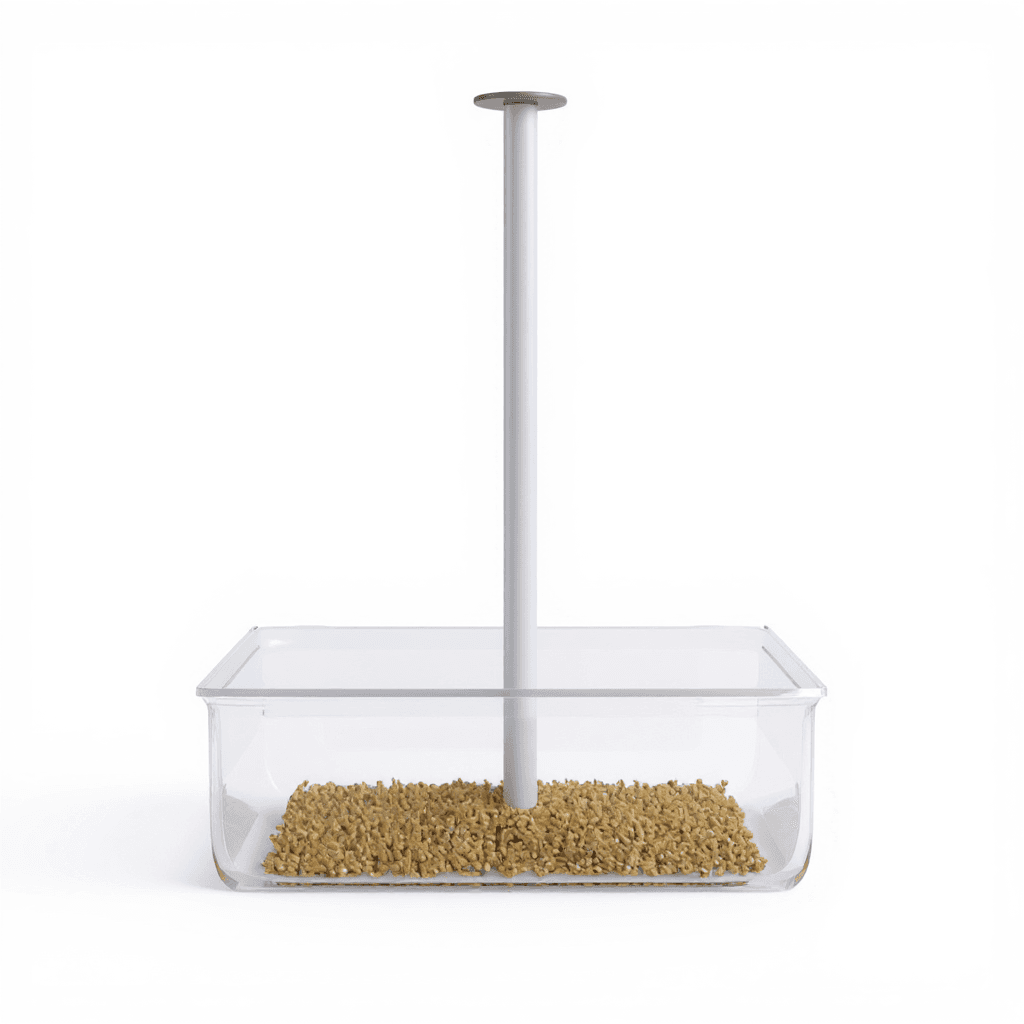
The apparatus consists of a vertical pole with species-specific diameters (8 mm for mice, 10 mm for rats) that allows researchers to measure turning time, total descent time, and movement quality. The test is particularly valuable for evaluating motor phenotypes in Parkinson's disease models, including 6-OHDA lesioned animals and MPTP-treated subjects, where bradykinesia and postural instability are primary endpoints.
How It Works
The pole test exploits the natural tendency of rodents to turn head-down and descend when placed on a vertical pole. Normal animals rapidly orient themselves and descend smoothly, while animals with motor dysfunction exhibit prolonged turning times and hesitant, bradykinetic movements during descent.
The test measures two primary parameters: turning time (latency to orient head-down) and total descent time (time to reach the base). Additional qualitative assessments include movement fluidity, number of slips, and use of alternative descent strategies. These measures correlate with the degree of striatal dopamine depletion and provide a sensitive index of motor impairment.
The apparatus diameter is optimized for each species to ensure appropriate grip difficulty - too narrow causes slipping in healthy animals, while too wide fails to challenge motor-impaired subjects. The standardized dimensions (8 mm for mice, 10 mm for rats) have been validated across multiple Parkinson's disease models.
Features & Benefits
warranty_length
- 1 YEAR
storage_included
- Yes
assembly_required
- Yes
Behavioral Construct
- Motor Coordination
- Bradykinesia
- Postural Control
- Movement Quality
Automation Level
- manual
Research Domain
- Addiction Research
- Behavioral Pharmacology
- Motor Function
- Neurodegeneration
- Neuroscience
Species
- Mouse
- Rat
Weight
- 6.06 lbs
Dimensions
- L: 65.0 in
- W: 36.0 in
- H: 27.0 in
Comparison Guide
| Feature | This Product | Typical Alternative | Advantage |
|---|---|---|---|
| Species Optimization | Dedicated 8mm (mouse) and 10mm (rat) pole diameters | Generic diameter poles that may not optimize grip challenge | Species-specific sizing ensures appropriate motor challenge for detecting subtle deficits. |
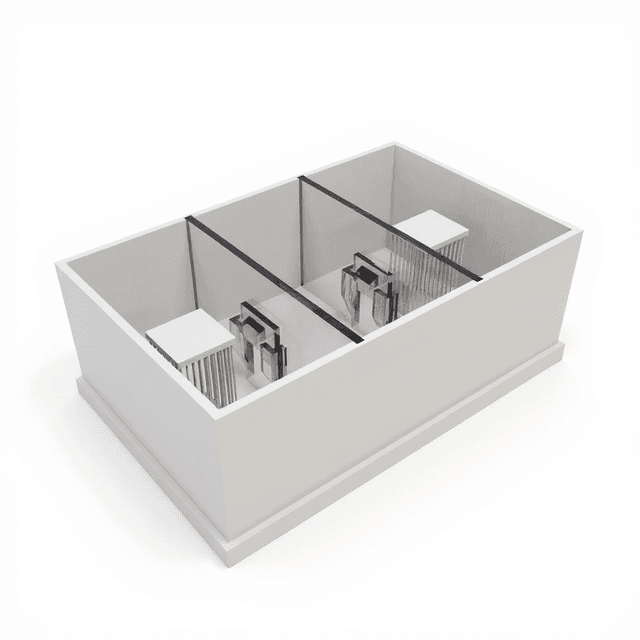
| Storage Solution | Integrated storage container included | Basic apparatus without organized storage | Prevents component loss and maintains apparatus condition between experiments. |
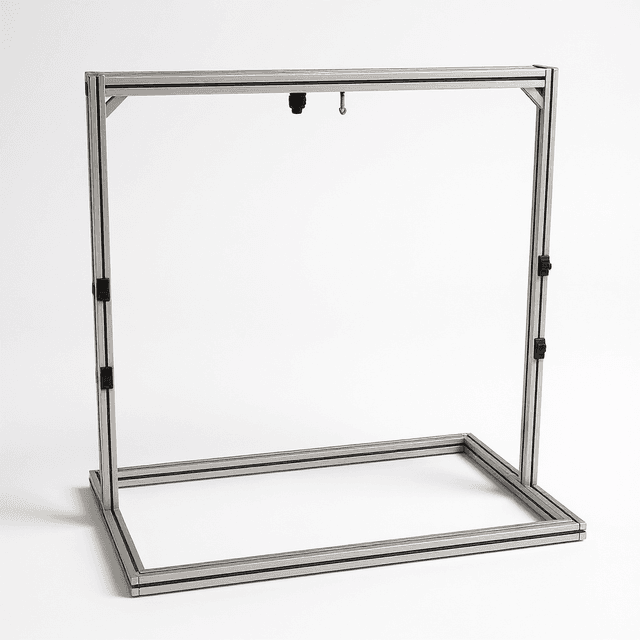
| Assembly Design | Engineered assembly system for secure mounting | Simple pole designs with basic support | Ensures apparatus stability during testing for consistent and safe behavioral assessment. |
| Test Validation | Dimensions based on established motor dysfunction protocols | Variable sizing without standardization | Enables direct comparison with published literature and multi-site studies. |
This pole test apparatus provides species-optimized dimensions validated in motor dysfunction research, with integrated storage and secure assembly design. The standardized specifications support reproducible assessment of dopaminergic system function across different research environments.
Practical Tips
Verify pole height at 55 cm before each testing session using a standard ruler.
Why: Consistent height ensures comparable descent times across experiments and matches published protocols.
Clean pole surface with 70% ethanol between animals and inspect for surface wear monthly.
Why: Maintains consistent grip conditions and prevents cross-contamination between test subjects.
Test animals at consistent times of day and allow 5-minute intervals between trials.
Why: Controls for circadian motor activity variations and prevents fatigue confounds in motor assessment.
Record both turning time and total descent time, plus qualitative movement observations.
Why: Multiple measures provide comprehensive motor assessment and distinguish between different types of dysfunction.
If animals freeze at the top, gently tap the pole base to encourage natural descent behavior.
Why: Reduces anxiety-related immobility while maintaining the natural motor challenge of the test.
Place soft bedding material at the pole base to cushion any falls during testing.
Why: Prevents injury while maintaining test sensitivity, particularly important for motor-impaired animals.
Setup Guide
What’s in the Box
- Vertical pole (species-specific diameter)
- Mounting base
- Assembly hardware
- Storage container
- User manual (typical)
Warranty
ConductScience provides a 1-year manufacturer warranty covering defects in materials and workmanship, with technical support available for setup and protocol optimization.
Compliance
References
Background reading relevant to this product:
What training protocol is recommended before data collection?
Conduct 2-3 habituation trials to familiarize animals with the apparatus. This reduces anxiety-related confounds while maintaining sensitivity to motor deficits.
How sensitive is the pole test to partial dopamine depletion?
The test can detect motor deficits with as little as 50-60% striatal dopamine loss, making it suitable for mild to moderate lesion studies.
What are the key timing parameters to measure?
Record turning time (latency to orient head-down) and total descent time. Additional measures include number of slips and qualitative movement assessment.
Can the test distinguish between different types of motor impairment?
Yes, bradykinetic animals show prolonged descent times while animals with postural instability exhibit increased turning times and slipping behavior.
What pole height should be used for standard protocols?
Standard height is 55 cm, providing sufficient descent distance for timing measurements while preventing injury from falls.
How does this compare to rotarod testing for motor assessment?
The pole test is more sensitive to bradykinesia and natural movement patterns, while rotarod primarily measures balance and coordination under forced conditions.
Have a question about this product?
Frequently Bought Together