Overview
The Three-chamber sociability paradigm is a widely used test to quantify generalized sociability and social novelty in rodents. Disruption of social behavior and social recognition are characteristics of many neuropsychiatric disorders (such as Schizophrenia, Bipolar disorders) and a noticeable symptom of neurodevelopment disorders (such as Autism). Most animal models of human neuropsychiatric diseases focus on either one of the three validities of the symptoms; face, construct or predictive.
In 2004, Jacqueline N. Crawley understood that there was a need for a model that could encompass all three validities into a single behavioral task. Crawley’s model of sociability and preference for social novelty protocol made use of a three-chamber apparatus that allowed the evaluation of two distinguishable aspects of social behavior, social affiliation, and social motivation, as well as social memory and novelty. The “three-chamber paradigm test†since then has seen a growing interest in studies of neuropsychiatric disorders and transgenic rodent models. Sociability chamber assay is also finding application in pharmacology and toxicology.
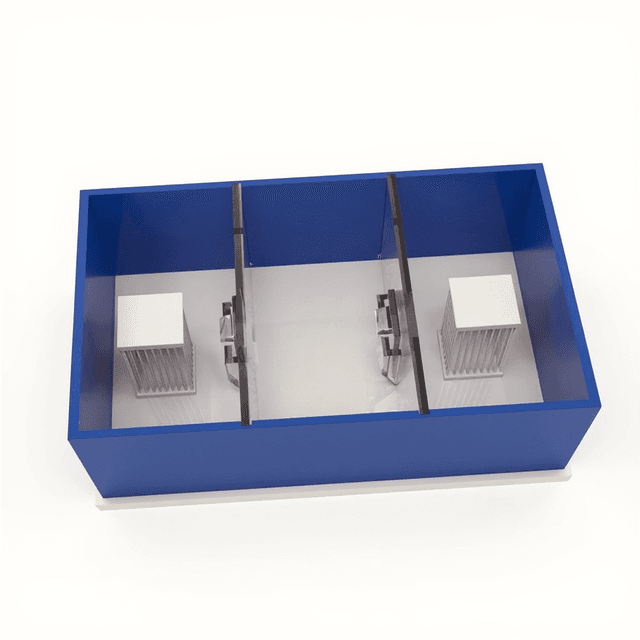
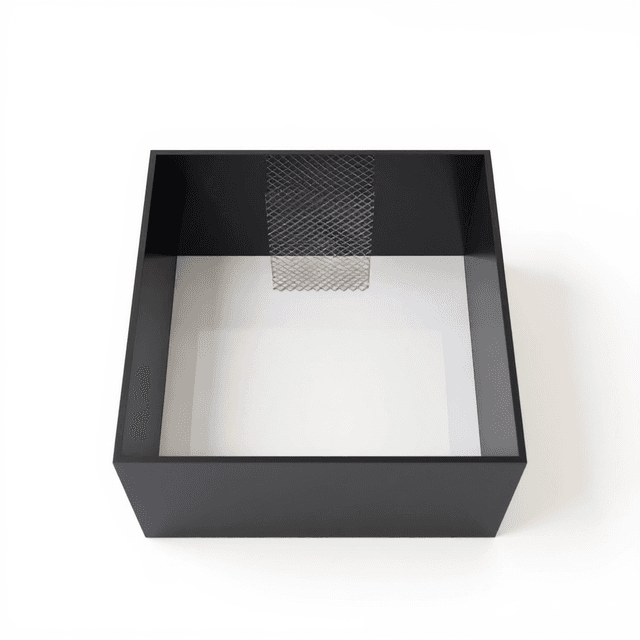
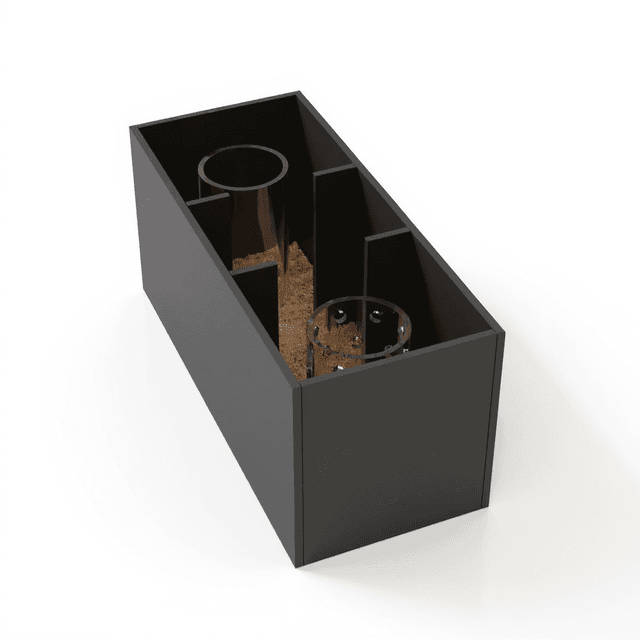
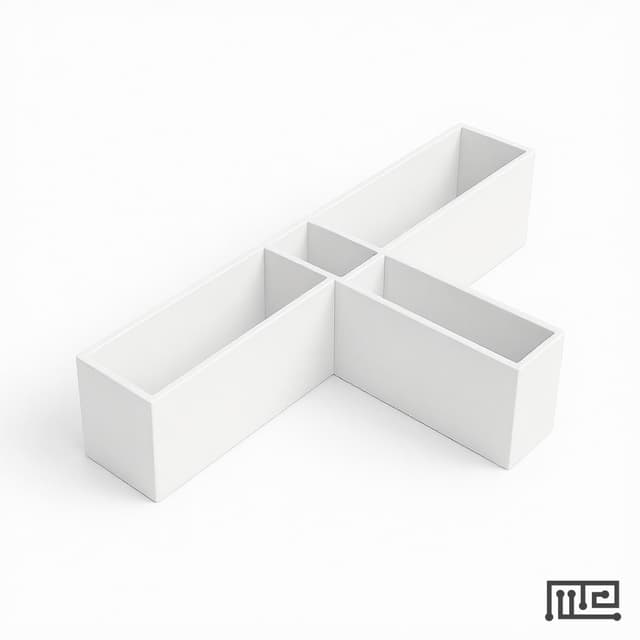
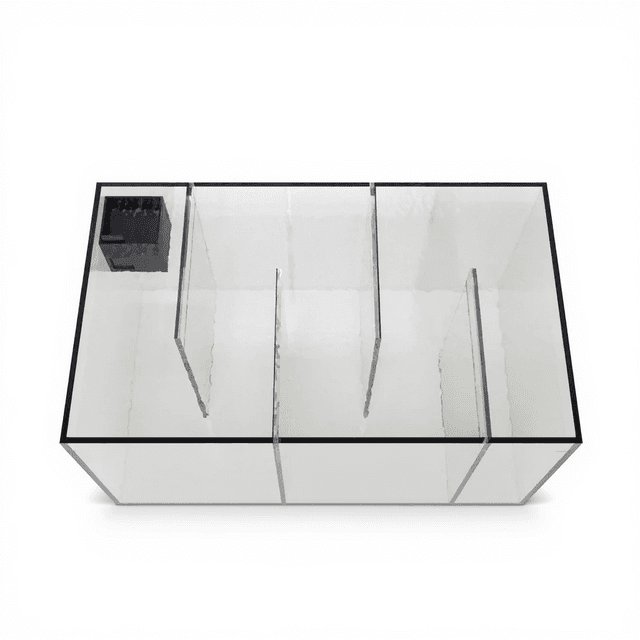
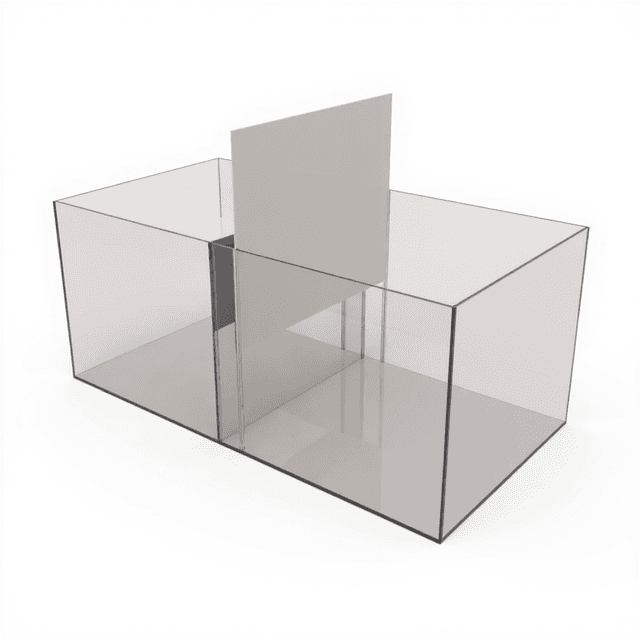
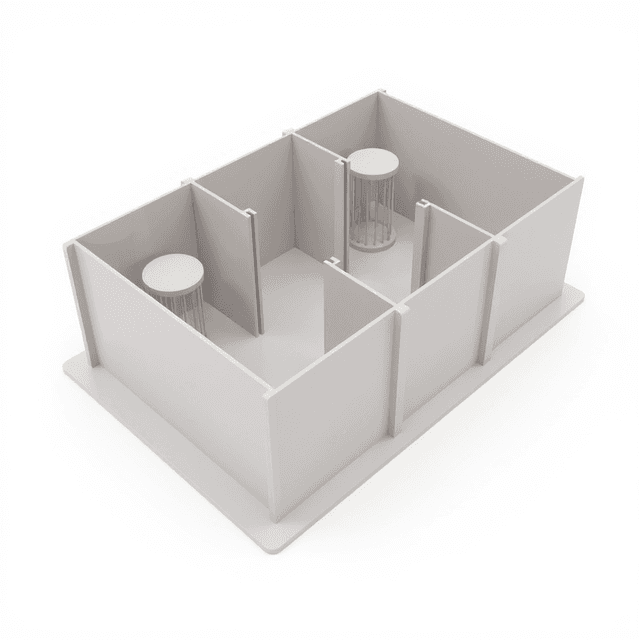
The apparatus is a rectangular box that is divided into three chambers. The lateral chambers serve as holders of cues or stimuli and are separated from the central chamber by divider panels that have removable doors. Acrylic cages are often used to hold animal stimuli in the lateral chambers.
History
2.1 Origin      Â
The Three-Chamber paradigm was first used by Crawley in 2004 who had developed it as a behavioral assay for Autism. The apparatus provides the subject with a choice between a familiar environment (central chamber), a novel environment, and a novel environment containing a stranger subject. The social approach in the 3-chamber apparatus is evaluated by placing a familiar conspecific in one of the lateral chambers while the other holds a stranger conspecific. The subject is then observed for its choice between the start chamber and the lateral chambers (Moy et al., 2004).
Social novelty was also tested using the same apparatus. Nadler et al. used the same strain mice that were unfamiliar with each other as the social stimuli in the lateral chambers. The experiment was also conducted with mice of different strains to see if they would be any change in the social preference of the subject mice.
2.2 Developments
Sankoorikal et al. tested C57BL/6J versus BALB/cJ inbred mice in the three-chamber social paradigm against a DBA/2J stimulus mouse. They observed the two subject strains for the time spent near a stimulus mouse, time spent directly sniffing the cylinder containing the stimulus mouse, and the time spent in contact with the stimulus mouse during a free interaction. Their observations revealed that in comparison to the BALB/cJ, C57BL/6J mice showed higher levels of sociability in all measures.
In schizophrenia, the Neuregulin-1 (NRG1) gene, which is associated with cognitive and social processes is known to be disrupted. O'Tuathaigh et al. performed a sociability test using mice with heterozygous deletion of transmembrane (TM)-domain NRG1 to assess the role of the NRG1 gene in social-affiliative behavior. Sociability was tested using a stranger versus empty chamber setup while the preference of social novelty was tested in a stranger versus familiar conspecific setup in the lateral compartments. The NRG1 mutants showed a selective impairment in response to social novelty.
BTBR mice are extensively utilized in the study of Autism for their autism-like social approach and social behavior deficiencies. Defensor et al. assessed the sex and strain interactions of BTBR and B6 mice in the three-chamber social approach test. The result of this test was used to identify relationships between behaviors in the social proximity test. Â BTBR mice spent less time in the chamber containing the caged conspecific than in the chamber with the empty cup. Interestingly, the female BTBR mice showed more preference for the conspecific chamber.
2.3 Recent Developments
Zhang et al. used the three-chambered sociability test in their investigation of acute dietary tryptophan (TRP) manipulation effects in three inbred mouse strains. Their investigation found that dietary TRP depletion altered sociability in different ways for the different strains of mice in the three-chamber tests. They concluded, based on the findings, that reduced 5-HT had the potential to give rise to deficits in social interactions.
Apparatus and Equipment
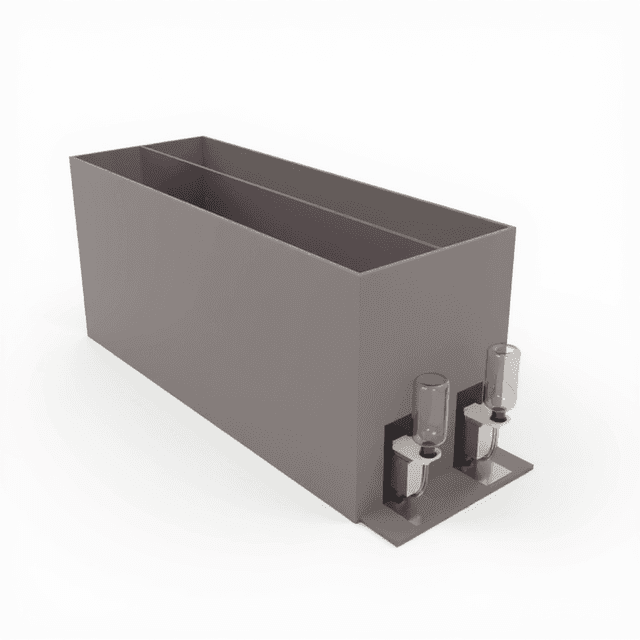
The apparatus is a polycarbonate rectangle (40 x 20 x 25 cm) that is divided into three chambers using removable partitions. Each of these dividers (20 x 22 cm) has a sliding door of about 4 x 4 cm to allow free movement of the animal in the chambers. The central chamber serves as the start area while the lateral chambers are used to hold a stimulus. Live stimulus is usually placed in an acrylic cage of height 15 cm having a diameter of 7 cm. These cages allow interactions between the subject and stimulus and help limit aggressive interactions.
Variations of the floor include stainless steel rod grids and perforated stainless steel floors. The walls of the apparatus can be transparent or opaque, and the wall cues can also be varied as per the experiment’s requirement.
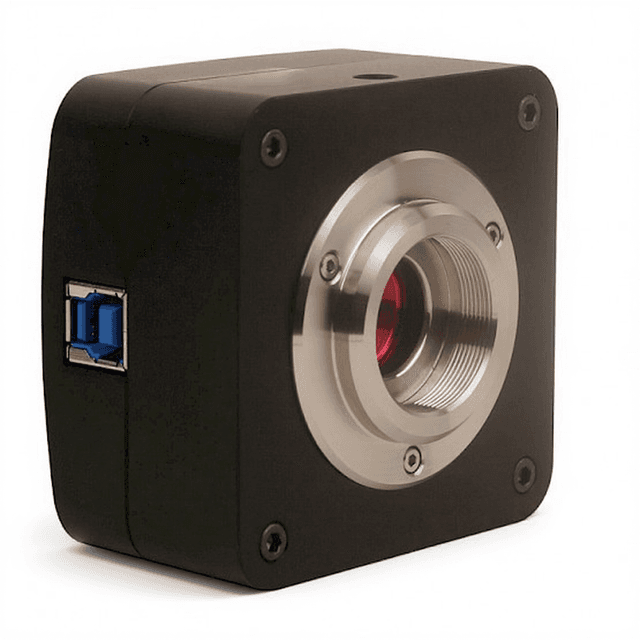
A camera connected to tracking software such as ConductVision, Noldus Ethovision XT, and ANY-Maze can mounted above the maze assist with live scoring, tracking and recording the subject and its movements within the maze. To limit the influence of any residual stimuli from the previous trials, the apparatus must be cleaned thoroughly before and after each trial, and the bedding should be changed for every subject.
Training Protocol
Psychological disorders such as schizophrenia, depression and bipolar disorder, often lead to deficits in social behavior and social recognition. The Sociability Chamber test enables assessing this social behavior by observing the choice the subject makes when presented with the option of an empty chamber and a stimulus animal. Further, the test gives the opportunity to understand the social preference of the subject when it is allowed to choose between a familiar and an unfamiliar stimulus animal.
Pre-training for the Sociability Chamber test
The test subject is first placed in the apparatus with all the divider doors opened and is allowed to explore the apparatus for about 5 to 10 minutes. During this period the lateral chambers contain empty cages to familiarize the test subject to them. Once it has explored the entire apparatus, it is placed back in the central chamber with the doors to the lateral chambers closed. It is allowed another 5 to 10 minutes to explore this area.
The stimulus subject that is to be used in the lateral chambers is also habituated to its cage at least 24 hours prior to the formal testing period. This helps the stimulus subject remain calm during the testing process and avoid aggressive interactions.
For automated apparatus, it is important to ensure that both the test subject and stimulus subject are familiar with the automatic opening and closing of the doors. The test is carried out in a sound-attenuated room with optimized lighting
Evaluation of Sociability
Following the pre-training, the test subject is introduced into the central start chamber and allowed to acclimate to the apparatus. The stimulus subject is then placed in one of the lateral chambers chosen at random while the doors of the lateral chambers remain closed. An empty cage is kept in the non-stimulus chamber. The chambers of the caged stimulus and empty cage are altered at random for every test subject. The doors to the lateral chambers are opened, and the test subject is allowed to explore the apparatus.
During the testing session, the experimenter observes the trials from outside the test area to avoid influencing the behavior of the test subject. Data is collected for the amount of time spent in each of the three chambers, the number of entries into the chambers and the time spent sniffing each cage. The session ended after 10 minutes of exploration.
Evaluation of preference for Social Novelty
Immediately after the Sociability test, the test subject is placed back in the central start chamber, and the doors to the lateral chambers are closed. A second stimulus subject is placed within the earlier empty cage. Now the two lateral compartments contain an already interacted stimulus subject and a novel unfamiliar stimulus subject.
After placement of the second stimulus subject, the doors of the dividers are opened, and the session is carried out for 10 minutes as previously described.
Modifications
Modifications to the apparatus can include using stainless steel rod grids or perforated stainless steel floors and varying wall cues of the chambers. The apparatus itself can be made of opaque material rather than the traditionally transparent construct. Further, an aversive stimulus can be added by using a shock unit to deliver a charge when the subject chooses one of the choice chambers.
Alternative behavioral assessments can also be performed using the Sociability Chamber such as measuring of maternal behavior in disease or transgenic models of mice and observing the interactions of the female mouse with its pups (Crawley 2004). Another assessment could be of observing sexual motivation by testing the subject’s preference for a potential mate versus the empty chamber. The test can also be modified to observe the response of the test subject when it is presented with a live predator stimulus in one of the lateral chambers. By changing the stimulus in the lateral chambers, the test can be adapted to meet the varying requirements of different investigations.
The Sociability Chamber can be used as a social behavior assay while testing the effects of drugs and toxins and in predicting strain or sex-specific traits of the subject. Coupling the Sociability Chamber test with other tests such as Resident-Intruder test, Maternal Behavior, and Olfactory functions could prove beneficial in deriving a cohesive observation of the investigatory objective.
Translational Research
The Three-Chamber Sociability test was developed by Crawley (2004) as a novel method of investigation of sociability and novel social preference in the Autism Spectrum Disorder model. It aimed to incorporate the face validity aspect of the disorder and provided a simple way of observation of social behaviors.
The biological basis of Autism leading to reduced sociability was investigated by Fairless et al. They used BALB/cJ and C57BL/6J to test the hypotheses about the relationships between sociability and corpus callosum development. A positive correlation was observed between the tendencies of BALB/cJ mice sniffing the stimulus mouse and the size of the corpus callosum relative to brain weight. Based on these results it was concluded that the deficits in sociability in BALB/cJ mice were associated with abnormal white matter structure.
Autism has been seen to affect males more than females. Different studies aimed to understand the underlying pathology have been conducted. One such study was conducted by Lo et al. using Casp3−/− mice. They observed that both the females and males showed robust social behavior and preference for an enclosed novel mouse in the three-chamber test. However, when presented with a freely moving novel mouse, Casp3−/− males showed significantly reduced social interaction, including decreased interaction time and diminished mounting.
The Sociability Chamber serves as a valid tool for translating social deficits seen as a result of neuropsychiatric disorders in humans into a successful animal model and holds the potential for aiding research and investigations of social deficits and in developing effective treatments for the same.
Strengths and Limitations
The Three-Chamber Sociability apparatus is developed for studying social deficits as seen in neuropsychiatric disorders (such as Schizophrenia, Depression) and neurodevelopment disorders (such as Autism Spectrum Disorder) that have strong genetic components.
By using cages to hold live stimuli, the apparatus allows sensory interactions (smell, sight, sound, and taste) while eliminating fighting and aggressive behavior between the test subject and the stimulus subject. The apparatus design also allows for the test subject to decide on the proximity it wishes to keep from the stimulus subject within the lateral chambers. The sliding doors allow isolation of the chambers, which makes this apparatus flexible for use under different testing paradigms.
Once the familiarization is completed for the subjects, the apparatus serves as a low-stress environment thus reducing the influence of undue anxiety on the behavior of the subjects. The apparatus is also easy to adapt to different requirements of investigations and testing protocols.
Since the test subject is responsible for the initiation and termination of interactions, the subject's own behavioral responses play a crucial role in the data obtained. Further, the experiments tend to be quite long in duration and can span about 40 minutes per test subject. As the experiment requires a live stimulus for testing sociability and novel social preference the sample size of animals used is large.
Over-handling or improper handling could also affect the behavior of the subjects in the task. It is also crucial that the experimenter is not present during the testing sessions to avoid unnecessary anxiety and influence the behavior of either the test or stimulus subject. As with most behavioral assays, it is critical to understand that different processes play into the behavior of the subjects in the task.
Summary
- The Three-Chamber Sociability apparatus is a novel apparatus developed for studying social deficits as seen in neuropsychiatric disorders and neurodevelopment disorders.
- The apparatus is divided into three chambers using dividers that have sliding doors.
- Social deficits are observed in the apparatus by allowing the test subject to choose between chambers containing a novel live stimulus vs. an empty chamber and a familiar live stimulus vs. an unfamiliar live stimulus in the choice chambers.
- The acrylic cage used to hold the live stimulus allows for sensory interactions while limiting aggressive behaviors.
- The Three-Chamber Sociability test can be coupled with other tests such as Partition tests, Resident-Intruder tests, Reciprocal Interactions test, etc. to understand the social behavior of the test subject further.
From the Maze Engineers documentation for this apparatus.