ConductVision
$1,490 per yearA 5-year license is $3,990 in total.
The same license also scores standard tests such as the open field, the elevated plus maze, the Y-maze and the Barnes maze. Results export as CSV files.
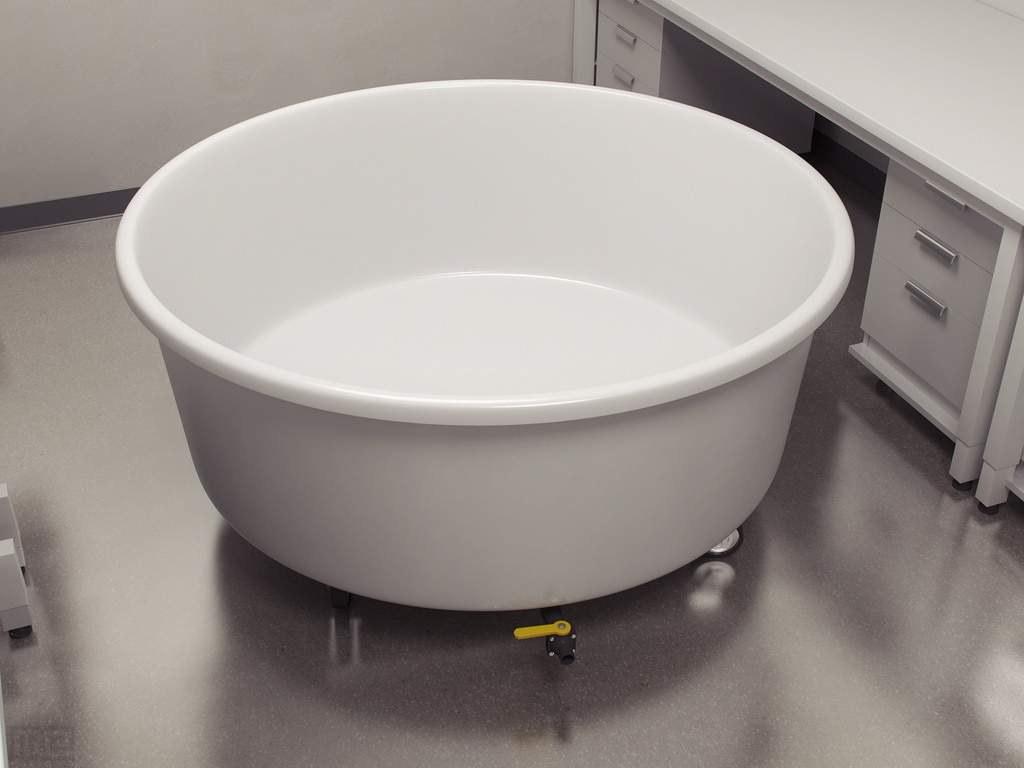
Gold standard circular water maze for assessing spatial learning and memory in rodents through hippocampal-dependent navigation tasks.

Director of Science · ConductScience
Ask Louise about Morris Water Maze fit, setup, configuration, or quote prep.
Already working with us? Sign in to connect this with My Scientist.
The paper
“Dissociable Structural and Functional Hippocampal Outputs via Distinct Subiculum Cell Classes”
The water maze (tank: ∼1.2 m diameter, Maze Engineers, Cambridge, MA) was maintained at 24°C, with water made opaque through addition of non-toxic white tempera paint.
Maze Engineers is part of ConductScience.
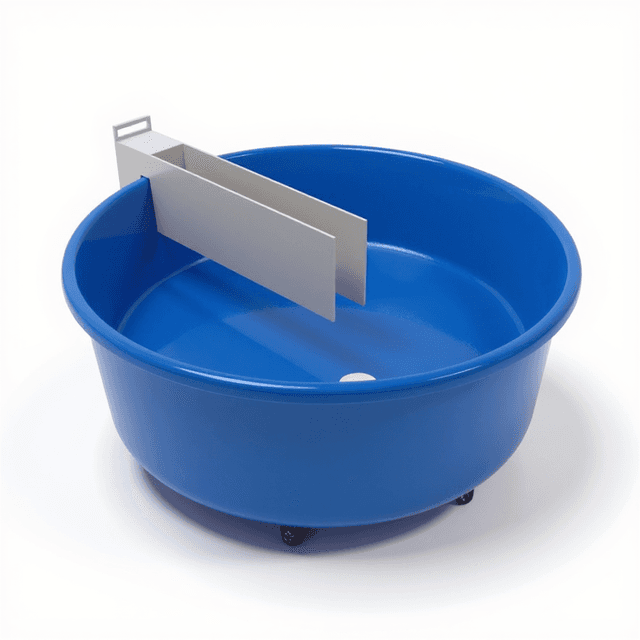
The Morris Water Maze is the gold standard behavioral apparatus for assessing spatial learning and memory in rodents. Originally developed by Richard Morris in 1984, this paradigm exploits the natural aversion of rodents to water and their innate swimming ability to evaluate hippocampal-dependent spatial navigation. The test involves placing animals in a circular pool filled with opaque water containing a hidden platform that provides escape from the water.
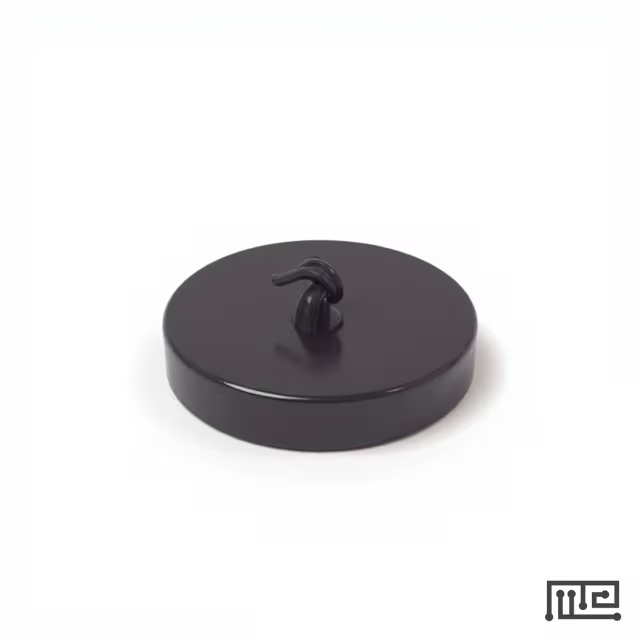
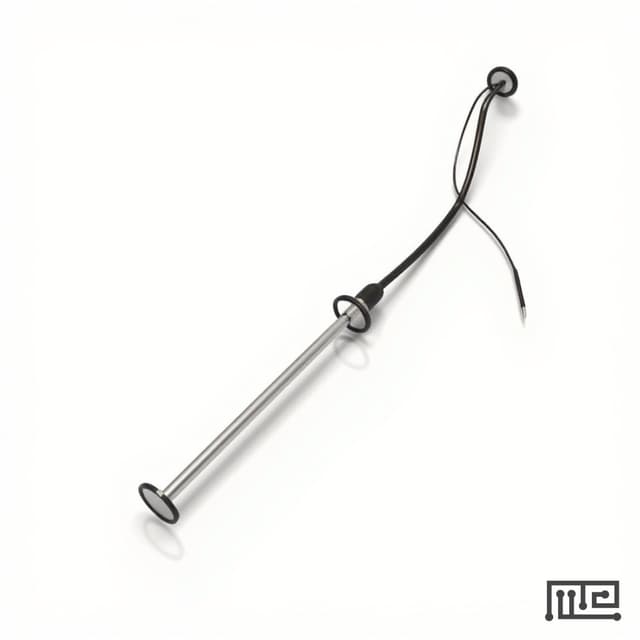
This apparatus features a 1.3-meter diameter circular pool with 0.6-meter walls, accommodating both mice and rats. The water level is maintained at 0.4 meters above the base, with the invisible platform positioned 1 cm below the surface at 0.39 meters height. The platform's silvery-white color ensures it remains concealed beneath the opaque water, while a visible black platform at 0.4 meters height serves for control trials and initial training phases.
The Morris Water Maze operates on the principle that rodents possess an innate aversion to water and will actively seek an escape platform. During acquisition trials, animals are placed at various starting positions around the pool perimeter and must navigate to locate the hidden platform using distal visual cues positioned around the testing room. The opaque water prevents animals from seeing the platform directly, forcing reliance on spatial memory and cognitive mapping rather than local visual or olfactory cues.
The hippocampus constructs a cognitive map of the spatial environment through integration of visual landmarks, allowing animals to develop allocentric spatial representations. Performance is measured through latency to platform, path length, swimming speed, and search strategies. Probe trials, conducted with the platform removed, assess memory consolidation by measuring time spent in the target quadrant where the platform was previously located.
Multiple task variants can be implemented using the same apparatus, including reference memory tasks (fixed platform location), working memory protocols (changing platform positions), and reversal learning paradigms. The silvery-white invisible platform and black visible platform allow researchers to alternate between spatial memory testing and control conditions within the same experimental session.
| Measurement | 4 Ft (Mouse) | 5ft (Intermediate) | 6 Ft (Rat) |
|---|---|---|---|
| Diameter | 120 cm | 155 cm | 180 cm |
| Height | 81 cm | 89 cm | 76 cm |
| Feature | This Product | Typical Alternative | Advantage |
|---|---|---|---|
| Pool Diameter | 1.3 meters | Entry-level models often range from 1.0-1.2 meters | Larger diameter provides more spatial area for complex navigation strategies and reduces wall-hugging behavior. |
| Platform System | Dual platforms (visible black, invisible silvery-white) | Basic models may include only one platform type | Enables within-session comparison of spatial versus sensorimotor performance without apparatus changes. |
| Wall Height | 0.6 meters | Standard models typically offer 0.4-0.5 meter walls | Higher walls prevent escape attempts while providing better overhead tracking visibility. |
| Species Compatibility | Optimized for both mouse and rat testing | Many models are species-specific | Single apparatus accommodates diverse research programs without requiring separate equipment purchases. |
| Configuration Flexibility | Compatible with T-Maze, RAM, Y-Maze, Plus Maze variants | Standard models are limited to basic circular configuration | Multiple paradigms possible with same base apparatus, expanding experimental capabilities. |
| Customization Options | Available upon request | Fixed configurations with limited modification options | Accommodates specific research requirements and novel experimental protocols. |
This Morris Water Maze provides comprehensive spatial learning assessment capabilities through its dual platform system, species-flexible design, and configuration versatility. The 1.3-meter diameter and 0.6-meter walls offer optimal dimensions for robust behavioral phenotyping across multiple experimental paradigms.
| Model | Size | SKU | Listed price | Status | Shipping box |
|---|---|---|---|---|---|
| 4 Ft (Mouse) | Diameter 120 cm · Height 81 cm | 3101/3102/3103 (+1) | $1,490.00 | Available | 200.0 x 200.0 x 100.0 cm |
| 5ft (Intermediate) | Diameter 155 cm · Height 89 cm | 3101/3102/3103 | $1,690.00 – $1,790.00 | Available | 200.0 x 200.0 x 100.0 cm |
| 6 Ft (Rat) | Diameter 180 cm · Height 76 cm | 3101/3102/3103 | $1,990.00 | Available | 200.0 x 200.0 x 100.0 cm |
Verify platform height daily using a ruler to ensure the invisible platform remains exactly 1 cm below water surface.
Why: Platform depth consistency is critical for standardized escape latencies and motivation levels.
Clean pool walls weekly with mild detergent to remove biofilm buildup that could provide tactile navigation cues.
Why: Wall cleanliness maintains reliance on distal visual cues rather than proximal tactile information.
Randomize starting positions across trials while maintaining equal representation of all quadrant entry points.
Why: Balanced start positions prevent development of response strategies that bypass spatial memory formation.
Record ambient room temperature and lighting conditions with each session to identify environmental variables affecting performance.
Why: Environmental consistency ensures that performance changes reflect experimental manipulations rather than testing conditions.
If animals show excessive floating behavior, reduce trial duration and increase inter-trial intervals to maintain motivation.
Why: Floating indicates learned helplessness that compromises spatial learning assessment.
Monitor animals continuously during trials and have towels readily available for immediate drying after platform location.
Why: Rapid drying prevents hypothermia and reduces stress that could influence subsequent trial performance.
Conduct probe trials at consistent time intervals after acquisition to standardize memory consolidation assessment.
Why: Timing consistency enables comparison of memory strength across different experimental groups.
Replace water opacity agents when platform becomes visible from any angle to maintain spatial memory requirements.
Why: Platform visibility compromises the cognitive demands of the task and invalidates spatial memory assessment.
ConductScience provides a one-year manufacturer warranty covering materials and workmanship defects, with technical support for setup and protocol optimization.
Background reading relevant to this product:
Origin
In 1981, Morris R. developed the Morris Water Maze, a simple and inexpensive navigational task that required continuous decision-making by the subject to escape from the water. The task involved a large pool filled with water, into which the rats were immersed and forced to swim to find one of the two, visible and invisible, escape platforms. Due to the limitations in local olfactory, auditory and visual clues, the subject is forced to depend on its own spatial learning system to reach the goal. Morris used 4 groups of rats and tested them in a setup wherein they were presented with an escape platform that was above or just below the surface and in a fixed or varied location. The experiment following the initial test, investigated the performance of the rats when they were placed in a novel starting position.
Further papers published by Morris evaluated hippocampal-dependent learning over several years (Morris 1981, Morris 1982, Morris 1984, Morris 1986). The maze also gained popularity when it was used by Ian Whishaw’s group in Canada (Kolb et al., 1982, Kolb et al., 1983).
Developments
Since its conception and development by Richard Morris at the University of St. Andrews in Scotland, the Morris Water Maze became a viral behavioral assay for spatial learning and memory. The MWM allowed testing of different variables of behavioral investigations, including pharmacological assessment and cerebral function, making it a popular choice for research in the domain of neurodegenerative and neuropsychiatric disorders, compound testing, and lesion models.
Since the initial papers, the maze has been used to study various disease models, including endocrine abnormalities, strokes, Alzheimer’s disease, other neurodegenerative diseases, and their effects on learning and memory (Brandeis et al., 1989).
Hamm et al. used the Morris Water Maze to investigate the generality of cognitive deficits observed after traumatic brain injury (TBI). The participants were subjected to three tests; the Passive avoidance test and constant-start versions of the MWM that did not require hippocampal processing and the standard MWM task that relied on hippocampal processing. In their findings, they were able to observe that fluid percussion TBI did not impair performance in the passive avoidance test and the constant-start tasks of the MWM.
Recent developments
In their investigation, Kishi et al. were able to observe that exercise improved cognitive decline as determined by the Morris Water Maze performance. Cognitive decline is seen as one of the critical organ damage of hypertension and studies have indicated that the decrease in BDNF in hippocampus causes the cognitive decline. Kishi’s investigation tested stroke-prone spontaneously hypertensive rats and was able to conclude that caloric restriction, in addition, to exercise up-regulated BDNF in the hippocampus leading to synergetic protection against cognitive decline.
Hosseini and colleagues (2017) investigated the effects of vitamin C during neonatal and juvenile growth on the learning and memory abilities of rats. The rats treated with 10-500 mg/kg of vitamin C showed reduced latency and travel distance and an increase in time spent in the target quadrant in the MWM task.
Video tracking and analysis packages have been incorporated into MWM experiments to increase the ease of scoring and analysis. Video tracking allows the user to assess not only the time taken for the subject to find the platform but also the path travelled, quadrants frequented, and more. We recommend a video tracking package such as ConductVision, ANY-Maze, or Noldus EthoVision.
The apparatus consists of a large circular pool that has a diameter ranging from 120 cm to 180 cm and a height of anywhere between 55 to 95 cm, depending on the subject being used in the task. The pool is filled with clean, room-temperature water to a height that does not allow the subject to touch the floor of the pool or climb over the walls of the pool. It is ensured that the color of the pool is in contrast to the color of the subject to allow easy location of the subject.
The escape platforms are generally 8 cm in diameter and are matched to the color of the pool or water (in the case of using colored water). For trials that require the pool water to be made opaque, milk or non-toxic colorant is mixed with the water. Both intra-maze and extra-maze cues may be used to help orient the subject and assist them in remembering the location of the escape platform.
Automated scoring can be performed with the assistance of video tracking software such as the ConductVision, Noldus Ethovision XT, and ANY-Maze.
The Morris Water Maze assesses spatial memory and learning by relying on fear motivation induced by water and the subject’s eagerness to escape it to avoid drowning. The environment of the MWM forces the subject to rapidly learn and locate the platforms to escape from the water. The task provides information on hippocampal-dependent learning, specifically spatial and long-term spatial memory. The task can be performed with or without intra-maze or extra-maze visual cues to create different levels of difficulty. The ability of the subject to perform the task decreases with impaired neurocognitive abilities as observed in neurodegenerative and neuropsychiatric disorders, age-related models and in lesion models.
Pre-Training for the Morris Water Maze
The pool is filled with clean water such that the platform is visible by 1 cm. Visual cues, if any, are set up in and around the maze. The subject is brought into the room and allowed at least 15 minutes to acclimate to the test area.
Subjects are trained in three consecutive trials. At first, the subject is placed on the platform in the pool for 20 seconds to familiarize it with its presence in the maze. The pool is virtually divided into four quadrants with four start points: north, south, east, and west. The subject is gently lowered into the pool from one of these start positions, facing the wall. At first, the subject might swim around the edge but will eventually search for the platform it was familiarized with earlier. The subject is given 60 seconds to find the escape platform. In case the subject fails to locate the platform within the set time it is gently guided towards the platform.
The process is repeated for 2 or 3 more trials with an inter-trial interval of 5-minutes and with a different start position for each trial. On completion of all the trials, the subject is removed from the pool, dried and placed under a heat lamp before returning it to its housing.
Morris Water Maze Acquisition Testing
Following pre-training, the pool is once again set up as before with the escape platform placed in the same position. For the acquisition trial, the water is colored. Each subject is evaluated in 12 trials, with every three trials dedicated to one of the four starting points.
The subject is gently placed in the pool facing the wall, from one of the start positions and allowed 60 seconds to find the hidden platform which is now placed 2 cm under the water level. On finding the platform, the subject is allowed 10 seconds to rest on it. In the event, the subject fails to find the platform it is gently guided towards it. The trials are repeated for each subject before moving on to the next trial until all twelve trials have been completed.
Morris Water Maze Spatial Probe Trial
The spatial probe trial is conducted after acquisition testing to ensure that the subject is aware of the location of the hidden platform. For this trial, the pool is set up as before except the hidden platform is now removed. The spatial probe trial is used to test the subject’s knowledge of the location of the platform which is demonstrated by the subject quickly swimming in the direction of the hidden platform. Each trial lasts at least 30 seconds.
The subject is gently placed in the pool facing the walls from one of the start positions and the number of times it crosses the platform location is recorded. On completion of the trial, the subject is removed, dried and returned to its home cage.
Morris Water Maze Working Memory testing
The working memory task also known as reversal testing is performed after the acquisition trial to ensure that the subject is aware of the location of the hidden platform. The apparatus is set up as in the acquisition trial, and the subject is released facing the wall from one of the start positions. The trial lasts for at least 30 seconds. When the subject finds the platform, it is allowed to rest on it for 10 seconds after which it is removed from the maze and held in its housing for a pre-set interval. After the interval, the position of the platform is changed, and the is once again released from the same start position. The time taken by the subject is recorded. Trials are repeated on a two-trial per day basis for at least four days.
Since its introduction, the Morris Water Maze has seen many variations in protocol and varying pool sizes. The maze has shown great success in a variety of investigatory processes and applications, including the testing of transgenic mice (D’Hooge and De Deyn 2001).
An “on-demand” procedure was described by Buresová et al. in their 1985 paper which replaced rigid platforms with collapsible platforms. The modification prevented a chance finding of the platform by the subject. A computerized system tracked the location of the subject and raised the platform when the subject had remained in the target area for a pre-determined time. The modification was further improved upon by Spooner et al. This modification allowed a highly focused search strategy.
Markowska et al. suggested a variation to the probe test that provided a more sensitive measure of spatial memory and proved more useful for repeated trials. Their modification suggested using a variable interval probe test wherein the platform is made available to the subject during the trial after a set interval. In comparison to the no-platform probe test, the variable-interval probe test proved to be more useful. Steele and Morris suggested another protocol variation in their paper published in 1999. Their suggestion involved moving the escape platform to a new location on each testing day, thus preventing the animal from knowing the location of the platform during the first trial. Eventually, once the animal had located the platform, it learns and remembers the location in one trial. The varying inter-trial interval can also assist in studying spatial memory.
In their 2007 investigation, Clark et al. modified the standard water maze by including spatial beacons in each of the four quadrants of the MWM. This modification causes the subjects to abandon a strict spatial strategy in favor of using the beacons to guide them to the escape platforms.
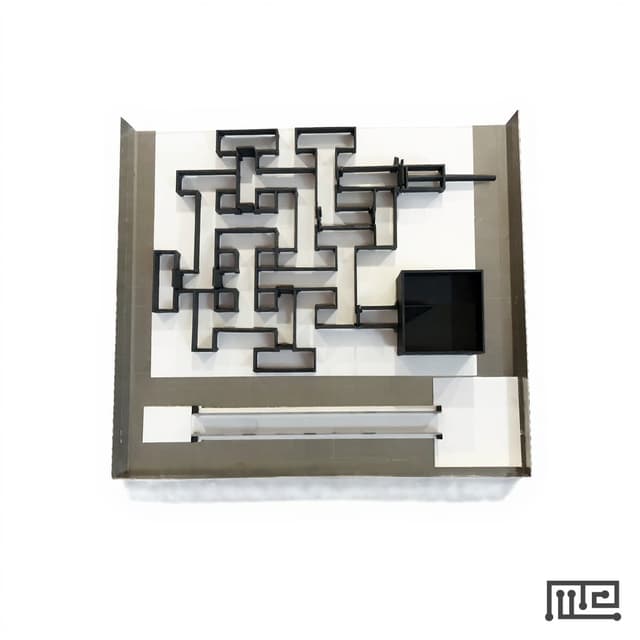
Other simple modifications include combining the Morris Water Maze with other behavior assessment mazes such as the Radial Arm Maze and T-Maze. RAM inserts add spatial complexity and combine the measures of the dry Radial Arm Maze with the rapid learning and aversive aspect of the Morris Water Maze. Similar in application to the water-based Radial Arm Maze, are the Water Star Maze and Water Plus Maze. Another popular dry behavioral assay that is combined with the Morris Water Maze is the Y-Maze which is modeled on the T-Maze. The Water T-Maze and Water Y-Maze allow the evaluation of spatial memory and learning combined with the fear of drowning.
Further, varying the type of platform, such as using a floating platform (also see Adjustable platforms), can also provide another measure for spatial learning and memory. Another modification of the MWM is using a snowcone insert to create a geometric cue within the arena. The insert is often used in conjunction with a balloon positioned above or near the escape platform to evaluate cue-based navigation preference in rodents. The Morris Water Maze is a highly adaptable behavioral task and is easy to modify.
In the Morris Water Maze task, the data is recorded for the latency to find the platform and the time spent in the target quadrant. With the help of tracking and video recording software, the path traversed by the subject can be mapped, and the velocity of the subject can also be observed.
The data obtained from the Morris Water Maze is generally visualized by graphing the time it takes the animal to locate the escape platform, which is referred to as the latency time. This time is obtained by observing the animals in the maze via a video and tracking software or by analyzing the recorded experiments with a stopwatch.
The latency to find the platform decreases with repeated trials. The latency time can be easily graphed and compared across the sham control and disease model or intervention groups. Using graphs to compare the latency time between different disease or treatment groups, allows for easy visualization of the effect on spatial memory and learning. Animals in the control groups should show a significant decrease in latency time as they rapidly learn the location of the escape platform. Animals as disease models of neurodegenerative disorders, for example, should show a much slower learning curve with higher latency times, even after several trials. Generally, animal cohorts of 20-30 animals are sufficient to obtain p-values of <0.05 using ANOVA, t-tests, or Bonferroni’s post hoc tests (Harrison et al., 2009).
The Morris Water Maze is a principal task in behavioral investigations and can also be extended to studies involving the understanding of cerebral functions and in the development of potential treatments.
Laczó et al. validated the translational potential of the Hidden Goal Task in Morris Water Maze in their investigation of disrupting potential scopolamine in rats and humans. Another similar study was conducted by Possin et al. to determine the validity of MWM in translational research for Alzheimer’s disease. Another study by Kishi et al. was able to observe that exercise with the addition of caloric restrictions was able to protect against cognitive decline in stroke-prone spontaneously hypertensive rats.
Virtual applications of the Morris Water Maze have also evolved with evolving technology. The Virtual Morris Water Maze enables testing of human subjects in a virtual reality version of the classic rodent maze. Astur and team were the first to use the Virtual MWM for evaluation of humans in 1998. Since then, investigations using human subjects in both analogous and homologous versions of the Morris Water Maze have occurred. The task can easily evaluate memory and learning performances of participants with different diseases, injuries, and neuropsychiatric disorders. Using a virtual environment is cost-effective and does not endanger the subjects. Since the maze environments are virtual, the possibility of creating environments to suit the needs of any investigation are endless.
The Morris Water Maze has high reliability across a wide range of tank configurations and testing procedures. Further, it serves as an effective method for measuring hippocampal-dependent spatial learning and memory. The navigational task in comparison to other mazes is less laborious and time-consuming, despite the requirement of pre-training.
The task is also able to differentiate between spatial and non-spatial learning by using visible and hidden platforms. The different possible variations in protocols such as Discrimination learning protocol, Cued learning protocol and Latent learning protocol (Vorhees and Williams 2006) allow for measuring the different specificity of spatial learning and memory. Since the task can employ various modifications, it can test the brain function of many brain areas, not only the hippocampus, and this allows the test to evaluate more general cognitive function in addition to specific learning and memory functions.
Despite the presence of an escape platform, this test places a significant amount of stress on the animals. Initially, when the animals are placed in the pool, they are forced into a stressful situation with no obvious escape route. The act of being immersed in water and forced to swim can induce stress that may alter the outcomes of each repeated trial. It is imperative to ensure that the water temperature is appropriate to minimize the stress experienced by the animals. Mazes can be purchased with temperature control to help reduce stress caused by the water being too cold or too hot. It is also essential to understand that there may be variations in performances of different strains and performances may be dependent on the age, gender and other aspects of the subjects used. The ability of the subject to swim is also a crucial factor in obtaining correct results.
From the Maze Engineers documentation for this apparatus.
What is the Morris Water Maze?
The Morris Water Maze is a behavioral apparatus used to assess spatial learning and memory in rodents. Animals navigate a circular pool of opaque water to locate a hidden submerged platform, relying on external visual cues for orientation.
How does the Morris Water Maze work?
Rodents are placed in a water-filled circular pool where they must swim to find a hidden platform below the surface. Over repeated trials, researchers measure escape latency, path length, and swim patterns to quantify spatial memory acquisition and recall.
What research applications use the Morris Water Maze?
The Morris Water Maze is widely used in Alzheimer's disease research, drug screening for cognitive enhancers, and studies of hippocampal-dependent spatial memory. It is also applied in neurotoxicology and traumatic brain injury models.
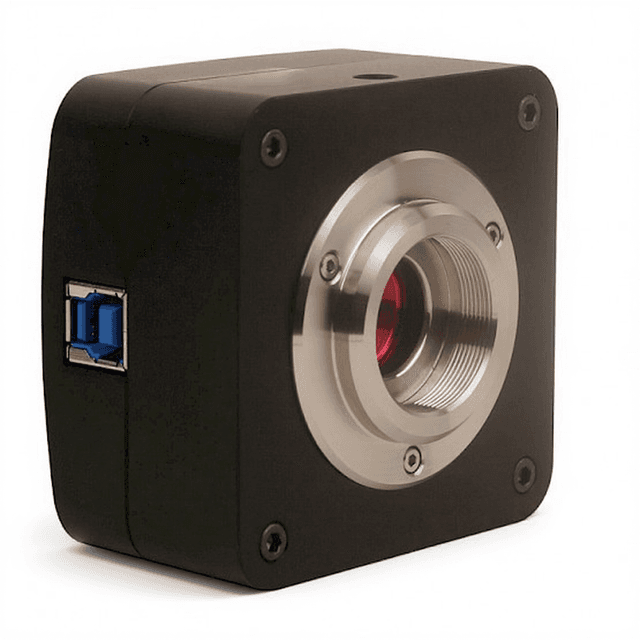
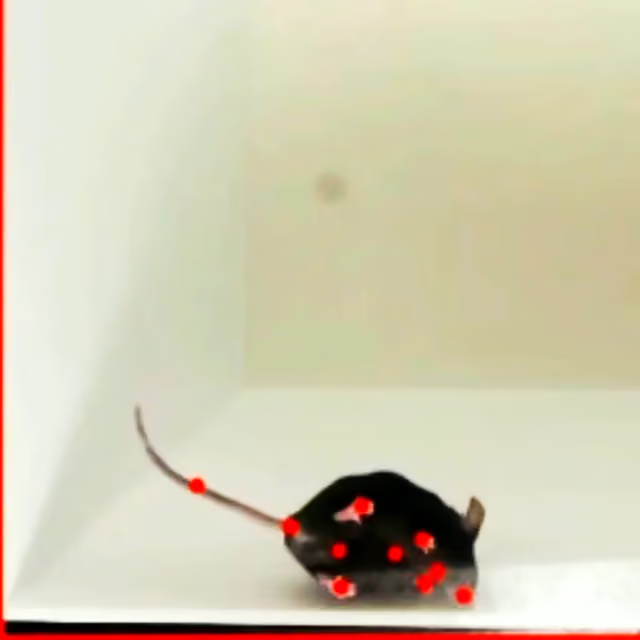
ConductVision is our video-tracking software. Record your sessions on video, and it reports the measures listed below.
A 5-year license is $3,990 in total.
The same license also scores standard tests such as the open field, the elevated plus maze, the Y-maze and the Barnes maze. Results export as CSV files.
Send it over and we'll email you a personalized answer — no call, no scheduling.
Prefer to talk it through?
Enhance your setup with compatible accessories
Creator Insights
Richard G. M. Morris is a British neuroscientist and Professor of Neuroscience at the University of Edinburgh, where much of his career has been spent studying how the brain forms and stores memories. A Fellow of the Royal Society, his research centers on the hippocampus, spatial learning, and the synaptic mechanisms — including NMDA-receptor-dependent long-term potentiation — that underlie memory formation and consolidation. He developed the water maze in the early 1980s to test whether animals could navigate to a hidden goal using distal spatial cues alone, and the task has since become one of the most widely used assays of hippocampus-dependent spatial memory in neuroscience.
To view Richard G. M. Morris’s publications, visit PubMed.
Are you Richard G. M. Morris? to review your photo and bio, and find out how to submit Creator Insights.
ConductScience celebrates method creators: researchers who, through rigorous and often ingenious experiments, develop the tools that reveal how the brain and body work. These are real scientific discoveries that become everyday instruments for the labs that follow.
Use this apparatus with
Automate path length, quadrant occupancy, platform crossings, and probe trial heatmaps from overhead video.
ConductVision MWM ->Acquisition, visible platform, probe, reversal, and working-memory schedules with metric definitions.
ConductMaze MWM Protocol ->Free tool for escape latency, path efficiency, target quadrant preference, and probe trial summaries.
MWM Analyzer ->Configuration considerations
Use these notes to scope species, cohort, tracking, and automation needs. Only verified product or support routes are linked from this section.
120 cm pool diameter, opaque water, adjustable hidden platform
Standard rat configuration for spatial acquisition, probe, reversal, and visible platform control trials.
Add to Cart90 cm pool diameter, low-volume water handling, scaled platform
Mouse-sized arena for transgenic and pharmacological spatial-learning studies.
Switch to Mouse ->150 cm pool diameter, larger field of view, modular platform positions
Larger arena for adult rats, strategy analysis, and protocols requiring wider cue separation.
Configure tracking ->§ 1
The Morris Water Maze is a hippocampal-dependent spatial learning task in which rodents learn the location of a hidden escape platform using distal room cues. Morris introduced the task as a way to separate place learning from simple cue approach behavior, and it became the reference assay for spatial memory because the platform can be removed during a probe trial to test memory without reinforcement. 1
The paradigm is widely used in Alzheimer disease, traumatic brain injury, stroke, aging, and pharmacology because acquisition curves, search strategy, and probe-trial bias can be measured in the same apparatus. 1 The visible-platform control is essential because motor impairment, visual impairment, thermoregulation, and stress reactivity can all masquerade as memory deficits. 2
A strong MWM methods section therefore needs pool size, platform, cue, and tracking details alongside enough protocol context to avoid swim-stress and motor-confound errors. 1
§ 2
Hidden-platform acquisition followed by probe and visible-platform control trials.
Critical methodological constraints
Core MWM metrics ConductVision scores from swim trajectories.
Escape Latency
Acquisition curve
Path Length
Motor-normalized learning
Target Quadrant Time
Probe memory
Platform Crossings
Spatial precision
Thigmotaxis
Search strategy control
+ Additional metrics: swim speed, heading error, cumulative search error, annulus crossings, quadrant entropy, floating time, and path efficiency.
A simple probe-trial index: target quadrant time divided by total quadrant time.
§ 3
PubMed publication counts, sample apparatus output, and recent papers from a dated PubMed snapshot.
PubMed volume and co-occurring behavioral methods for spatial-learning studies.
Representative acquisition and probe output from a hidden-platform study.
[Electroacupuncture improves glycolysis in Alzheimer's disease model mice via regulating HIF-1α/PFKFB3 signaling pathway].
Yu Z, Wang Y, Li Y, et al.. Zhen Ci Yan Jiu. 2026 Sep 25.
To observe the effect of electroacupuncture (EA) on the cognitive ability, hypoxia-inducible factor-1 alpha (HIF-1α)/6-phosphofructo-2-kinase/fructose-2, 6-bisphosphatase 3 (PFKFB3) signaling pathway and glycolytic function in the hippocampus of Alzheimer's disease (AD) model mice, so as to elucidate its potential mech…
[Effect of acupuncture at "Neiguan" (PC6) on behavioral deficits and neuroinflammation in rats with autism].
Dang W, Liang L, Li Y, et al.. Zhen Ci Yan Jiu. 2026 Sep 25.
To investigate the ameliorative effect of acupuncture at "Neiguan" (PC6) on behavioral deficits, hippocampal neuronal damage, and neuroinflammation in young rats with valproic acid (VPA)- induced autism spectrum disorder (ASD). Pregnant SD rats were randomly divided into a control group and a model group.
Shenghui Decoction ameliorates cognitive impairment and neuroinflammation in APP/PS1 mice via modulation of the HMGB1/TLR4/NLRP3 pathway.
Liu X, Song X, Zhang J, et al.. J Ethnopharmacol. 2026 Sep 24.
Shenghui Decoction (SHD), a traditional Chinese medicinal formula, has previously been reported to alleviate neuroinflammation and improve the cognitive deficits associated with Alzheimer's disease (AD). However, the molecular mechanisms responsible for these protective effects remain incompletely understood.
Effects of PPAR Modulation on Cognitive Function and Oxidative Stress in Experimental Alzheimer's Disease: A Systematic Review and Meta-analysis.
Dashti N, Ashrafzadeh Z, Sadeghi G, et al.. Behav Brain Res. 2026 Sep 24.
Oxidative stress is a key pathological feature of Alzheimer's disease (AD), characterized by increased levels of reactive oxygen species (ROS), malondialdehyde (MDA), 4-hydroxynonenal, and protein carbonyls, alongside impaired antioxidant defenses such as superoxide dismutase (SOD).
Ginsenoside Ro attenuates aging-related cognitive impairment and associated neuroinflammatory changes via multi-target modulation of the PI3K-Akt axis: a convergent network pharmacology and experimental validation study.
Hou J, Yang K, Zhang D, et al.. Naunyn Schmiedebergs Arch Pharmacol. 2026 Sep 24.
The increasing global burden of aging-related cognitive impairment (ACI) highlights an urgent need for disease-modifying therapeutics, as current pharmacological options provide only temporary symptomatic relief without affecting underlying pathological trajectories.
Perampanel improves cognitive function in epilepsy by targeting AMPA receptor subunit GluR2-mediated endoplasmic reticulum stress and synaptic plasticity.
Wang X, Lei B, Zhou Y, et al.. Int J Neurosci. 2026 Sep 23.
This study aimed to explore the action mechanism of Perampanel (PER) in epilepsy treatment, particularly the associations with endoplasmic reticulum stress (ERS).
§ 4
Limitations of the paradigm, methodological caveats, and current directions.
Variables that can shift Morris Water Maze results apart from the effect under study.
Latency increases when animals swim slowly. Report path length and swim speed before calling a latency change a memory deficit.3
Floating and passive coping reduce apparent search. Track immobility separately from spatial navigation.
Visual impairment can impair cue-based navigation. Visible-platform performance is the practical control.
Cold water changes motivation and physiology. Keep temperature constant and monitor vulnerable strains or aged animals.
Chaining, circling, and wall-hugging can reduce latency without true place learning. Strategy labels help separate these cases.
MWM is powerful because it couples acquisition with a probe trial, but it is also stressful and motor-loaded. 1 Studies involving injury, aging, frailty, or motor phenotypes should report visible-platform controls, swim speed, and path-based endpoints before interpreting latency as cognition. 2
Use Barnes Maze when swimming stress, hypothermia, motor impairment, or repeated longitudinal testing would confound MWM interpretation. 1
No. Latency should be paired with path length, swim speed, thigmotaxis, and probe-trial measures because latency can improve through non-spatial strategies.
Many protocols use 4 to 6 acquisition days with several trials per day, then a probe trial after criterion or the final acquisition day. Match schedule to strain, age, and manipulation.
Quarterly editorial review of emerging Morris Water Maze methodology. Q2 2026
Automated strategy labels are increasingly reported with latency to distinguish spatial search from chaining and thigmotaxis.
AD, TBI, and stroke studies increasingly combine MWM with dry-land spatial tasks to separate memory from motor and stress effects.
Reviewers expect visible-platform controls when treatments plausibly affect motor function, vision, or motivation.
Thermal management and posture-aware scoring are becoming standard for aged and injured cohorts.
§ 5
10 selected methods and validation references for Morris Water Maze.