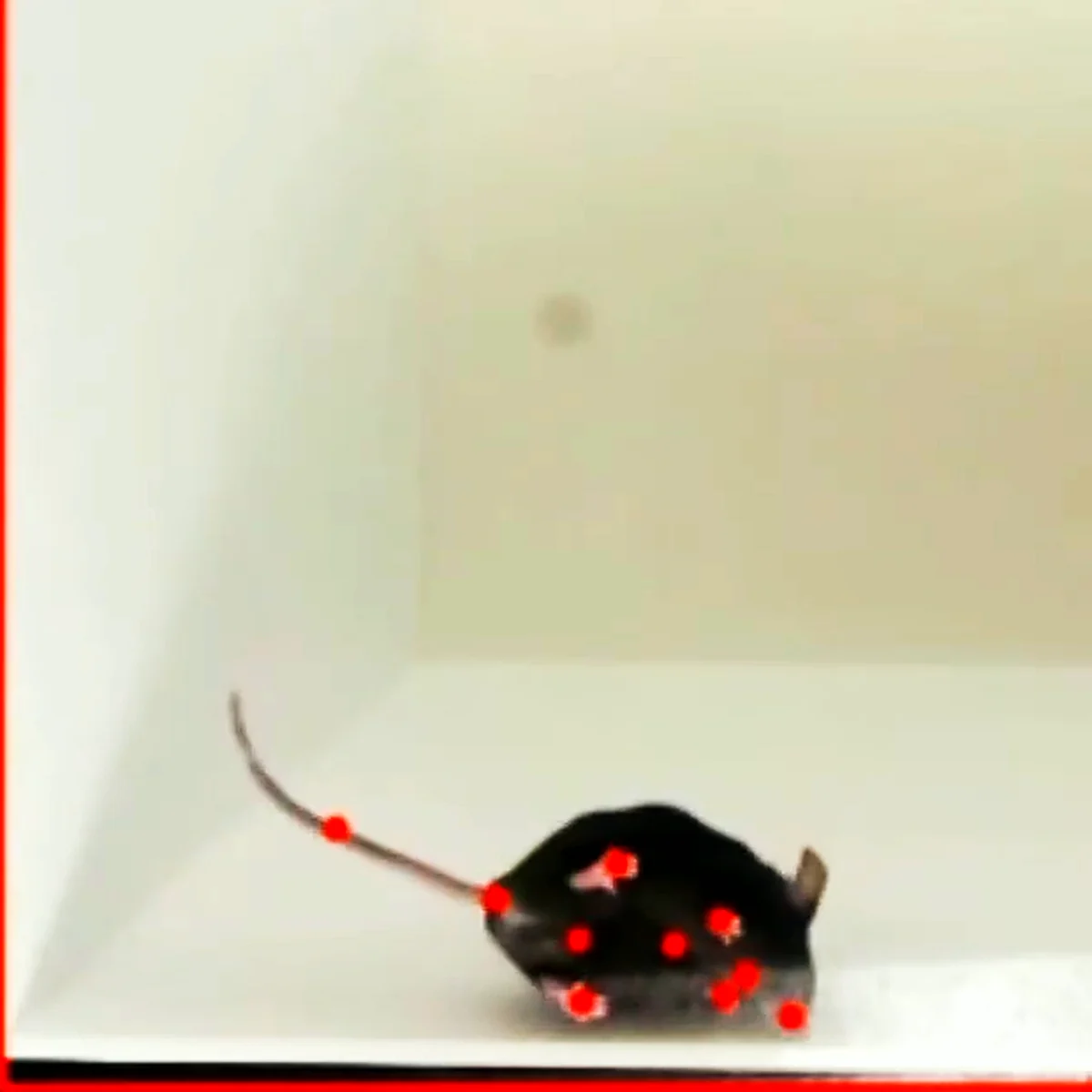

Stone T Maze
SKU CS-958350
$2,990.00
IncludesStandard care
Water-escape motivated T-maze for assessing learning and memory in mice through sequential navigation of 13 choice points to reach a dry goal box.
CE MarkedBAA available
Scientist guidance

Louise Corscadden, PhD
Director of Science · ConductScience
Ask Louise about Stone T Maze fit, setup, configuration, or quote prep.
Already working with us? Sign in to connect this with My Scientist.
Key Specifications
Full details →- Model fit
- Mouse
- SKU family
- CS-958350
- Sizing
- Mouse: L x W x H – 68.58 cm x 66.68 cm x 3.81 cm.
- Ordering
- Online checkout and quote request available
- Category
- Behavioral Mazes
- Build notes
- Acrylic, wire netting
The Stone T-maze is a water-escape motivated behavioral testing apparatus designed specifically for assessing learning and memory in laboratory mice. This maze addresses the limitations of traditional reward-based tasks that often yield inconsistent results in mice due to differing motivational factors compared to rats. The apparatus leverages mice's inherent motivation to escape aversive conditions by requiring subjects to navigate through shallow water to reach a dark, dry goal box.
The maze requires mice to learn and execute a specific sequence of 13 left and right turns through 7 blind alleys to successfully reach the goal. This sequential learning paradigm provides a reliable method for evaluating both working memory (short-term navigation decisions) and reference memory (learned route retention) in mouse models. The water-escape motivation creates consistent performance across subjects, making it suitable for studies investigating cognitive function, memory consolidation, and learning deficits in neuroscience research.
How It Works
The Stone T-maze operates on the principle of water-escape motivation, exploiting mice's natural aversion to water and preference for dry, dark environments. Subjects are placed in shallow water at the maze start point and must navigate through a series of choice points to reach the goal box. The water depth is sufficient to motivate escape behavior without causing distress or swimming requirements.
The maze design incorporates 7 blind alleys and requires navigation through 13 sequential left and right turns, creating a complex spatial learning task. Each choice point presents a binary decision, with incorrect choices leading to dead ends that require backtracking. The goal box provides immediate negative reinforcement removal (dry, dark environment) upon successful completion of the correct sequence.
Learning is assessed through multiple parameters including choice accuracy, completion time, and error patterns. The sequential nature of the task allows differentiation between working memory errors (within-trial mistakes) and reference memory errors (failure to retain the learned sequence across sessions). This methodology provides quantitative measures of both acquisition and retention phases of memory formation.
Features & Benefits
Water-escape motivation system
Provides consistent performance across subjects by leveraging innate escape behaviors rather than variable food motivation responses
Sequential 13-choice navigation requirement
Enables assessment of both working memory and reference memory components through complex spatial learning tasks
7 blind alley configuration
Creates sufficient task complexity to detect subtle cognitive differences while maintaining feasibility for mouse subjects
4-inch passage width specification
Ensures adequate clearance for natural mouse locomotion while preventing turning around behaviors that could confound navigation analysis
Dark, dry goal box design
Maximizes escape motivation through species-appropriate environmental preferences for reliable behavioral responses
Acrylic construction with clear lid
Facilitates comprehensive video tracking and behavioral observation while maintaining structural durability for repeated testing
Modular acrylic sections
Allows for easy cleaning, reconfiguration, and maintenance between experimental sessions
Sizes by model
| Measurement | Mouse |
|---|---|
| Size | L x W x H – 68.58 cm x 66.68 cm x 3.81 cm. |
- Clear lid included
- Acrylic composition: Black, white, grey, blue available
- Water tray included
Maze Wall Height
- 4 inches
Passage Width
- 4 inches
Blind Alleys
- 7
Choice Sequence
- 13 left and right turns
Goal Box Type
- dark, dry goal box
Water Feature
- shallow water navigation required
Behavioral Construct
- Spatial Learning
- Working Memory
- Reference Memory
- Sequential Learning
- Escape Behavior
- Navigation
Automation Level
- manual
Material
- Acrylic
- wire netting
Species
- Mouse
Dimensions
- 8 feet x 6 feet
Research Domain
- Aging Research
- Anxiety and Depression
- Behavioral Pharmacology
- Learning and Memory
- Neurodegeneration
- Neuroscience
Compatible Tracking Software
- ConductVision
Shipping weight
- 6.06 lb
Shipping box
- L: 68.58 cm
- W: 66.68 cm
- H: 3.81 cm
| Feature | This Product | Typical Alternative | Advantage |
|---|---|---|---|
| Motivation System | Water-escape motivation with shallow water navigation | Food reward-based systems requiring food restriction protocols | Eliminates confounding variables related to feeding schedules and individual appetite differences for more consistent behavioral responses. |
| Task Complexity | 13 sequential choice points with 7 blind alleys | Simple binary choice mazes typically offer 1-3 decision points | Provides sufficient complexity to assess both working and reference memory components within a single paradigm. |
| Species Optimization | Mouse-specific design with 4-inch passages and wall heights | Rat-derived designs often have oversized dimensions for mouse subjects | Ensures appropriate spatial constraints that match natural mouse locomotion patterns and body dimensions. |
| Construction Material | Modular acrylic sections with clear observation lid | Fixed wooden or metal constructions with limited visibility | Facilitates comprehensive video tracking and behavioral observation while enabling easy cleaning and reconfiguration. |
| Water Management | Integrated water tray system with controlled depth | Basic flooding systems without depth control mechanisms | Maintains optimal escape motivation without introducing swimming requirements that could confound cognitive assessment. |
The Stone T-maze provides a mouse-optimized behavioral testing platform that addresses the limitations of traditional rat-derived maze designs through water-escape motivation and appropriate dimensional scaling. The 13-choice sequential navigation task offers comprehensive cognitive assessment capabilities while maintaining consistent performance across subjects.
Neuroscience
Evaluating spatial learning and memory deficits in transgenic mouse models of neurological disorders through sequential choice navigation tasks.
Behavioral Pharmacology
Assessing cognitive effects of pharmacological interventions by measuring learning acquisition and memory retention in maze navigation protocols.
Learning and Memory
Investigating working memory and reference memory systems through analysis of choice accuracy and route learning in water-motivated escape paradigms.
Aging Research
Comparing cognitive performance between young and aged mice using sequential learning tasks that minimize confounding motivational factors.
Neurodegeneration
Characterizing progressive memory decline in mouse models of Alzheimer's disease and other neurodegenerative conditions through longitudinal maze performance assessment.
Anxiety and Depression
Examining cognitive components of mood disorders by evaluating learning performance under water-escape motivation conditions.
Practical Tips
Calibration
Verify water depth at multiple points across the maze before each testing session to ensure uniform escape motivation.
Why: Uneven water depth can create preferential pathways that bias navigation choices independent of learning.
Maintenance
Clean acrylic surfaces with non-toxic disinfectant between subjects and replace water daily to prevent bacterial growth.
Why: Contamination or odor cues from previous subjects can influence navigation behavior and confound experimental results.
Best Practices
Allow 5-10 minutes for subjects to acclimate to the testing environment before beginning trials to minimize stress-related performance variability.
Why: Initial stress responses can mask cognitive performance differences and reduce the sensitivity of behavioral measures.
Data Quality
Record both choice accuracy and latency at each decision point to differentiate working memory errors from reference memory deficits.
Why: Different error patterns provide mechanistic insights into distinct memory systems and cognitive processes.
Troubleshooting
If subjects show reduced escape motivation, verify goal box darkness and ensure water temperature remains at room temperature.
Why: Changes in environmental gradients can reduce the effectiveness of escape motivation and lead to inconsistent behavioral responses.
Safety
Monitor subjects continuously during water navigation to ensure no distress behaviors while maintaining escape motivation.
Why: Excessive stress can compromise both animal welfare and data validity by introducing non-cognitive performance variables.
Best Practices
Standardize testing time of day across sessions to control for circadian effects on cognitive performance.
Why: Natural activity cycles can influence learning and memory performance independent of experimental manipulations.
Setup Guide
Unpack and Inspect
Remove all components from packaging and verify acrylic maze sections, water tray, and clear lid are undamaged and complete.
Assemble Maze Structure
Connect maze wall sections according to the T-maze configuration, ensuring all joints are secure and passage widths maintain 4-inch clearance.
Install Water System
Place the water tray in the maze base and fill with room temperature water to approximately 1-2 cm depth for escape motivation.
Position Goal Box
Secure the dark, dry goal box at the maze terminus and verify it provides adequate refuge space for the test subject.
Lighting Setup
Establish consistent ambient lighting conditions while maintaining the goal box as the darkest area to enhance escape motivation.
Pre-test Validation
Conduct test runs with a pilot subject to verify water depth, passage clearances, and timing/tracking systems before experimental protocols.
Recording Preparation
Position video recording equipment for complete maze coverage and synchronize with data collection protocols for behavioral analysis.
What’s in the Box
- Stone T-maze acrylic assembly sections
- Water tray system
- Clear observation lid
- Assembly hardware and connectors
- Setup and protocol guide (typical)
Warranty
ConductScience provides a one-year manufacturer warranty covering structural defects and material failures, with technical support for setup and protocol optimization.
Compliance
IACUC Protocol RequirementsCommonly used in behavioral studies subject to institutional animal care and use committee oversight for learning and memory research protocols.
NIH Guidelines for Laboratory Animal ResearchSupports behavioral testing workflows conducted under federal guidelines for rodent research in academic and pharmaceutical settings.
Q
What water depth should be maintained for optimal escape motivation?
A
Maintain water depth at 1-2 cm - sufficient to motivate escape behavior without requiring swimming, which could introduce stress variables that confound cognitive assessment.
Q
How does this differ from traditional food-reward T-mazes for mice?
A
The water-escape motivation provides more consistent performance across subjects compared to food rewards, which can vary based on individual feeding schedules, body weight, and motivational states.
Q
What parameters should be measured during testing sessions?
A
Key metrics include choice accuracy at each decision point, total completion time, number of errors, error types (working vs reference memory), and latency patterns across trial blocks.
Q
How many training sessions are typically required for acquisition?
A
Consult published protocols for specific paradigms, but most mice show initial learning within 3-5 sessions with asymptotic performance achieved over 7-10 training sessions.
Q
Can the maze configuration be modified for different experimental needs?
A
The modular acrylic construction allows for reconfiguration, though altering the 13-choice sequence would change the task complexity and require new validation studies.
Q
What are the maintenance requirements between testing sessions?
A
Clean all surfaces with appropriate disinfectant, refresh water in the tray, and ensure the goal box remains dry and dark for consistent escape motivation.
Q
How should environmental factors be controlled during testing?
A
Maintain consistent room temperature, lighting conditions, and ambient noise levels while ensuring the goal box remains the darkest area to preserve escape motivation gradients.
Have a question about this product?
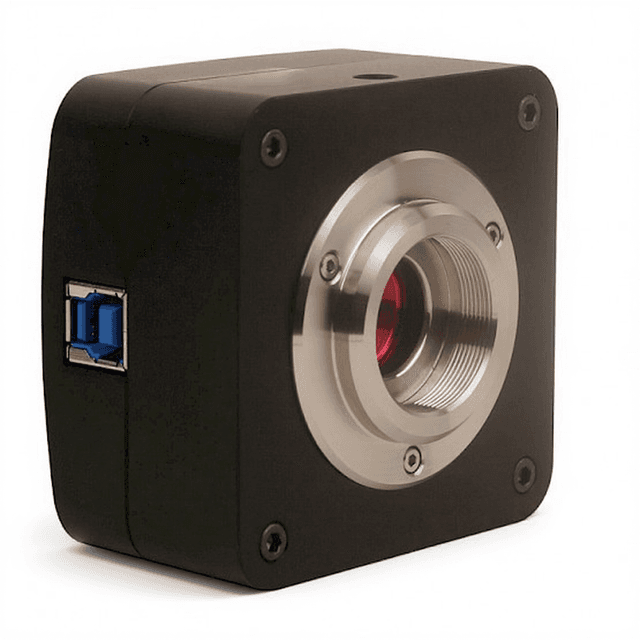
Track rodents with ConductVision
ConductVision is our video-tracking software. Record your sessions on video, and it scores standard rodent tests, such as those listed below.
Examples of tests it scores
To check whether ConductVision scores your protocol in this apparatus, ask in your quote request.
Ask a question
Have a question? Just ask.
Send it over and we'll email you a personalized answer — no call, no scheduling.
Personalized email reply
Usually within one business day
Helpful answers published here
Prefer to talk it through?
Accessories
Enhance your setup with compatible accessories

Total: $0.00
Frequently Bought Together
+
+
Total: $2,530.00
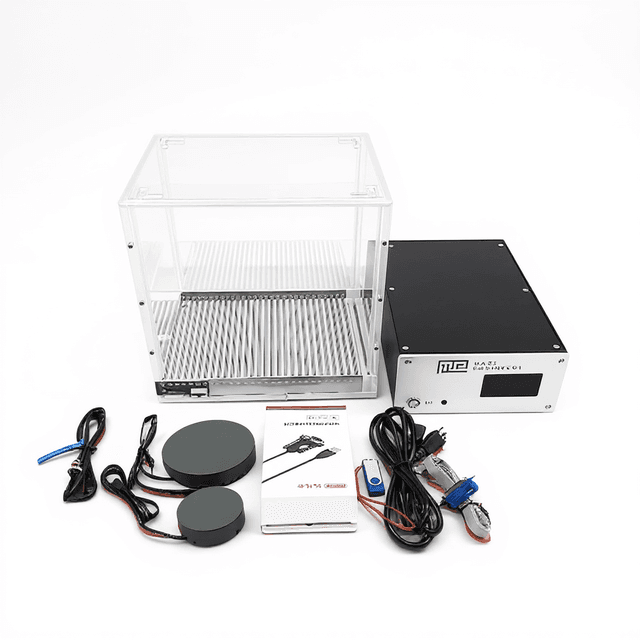

Stone T Maze
$2,990.00
Added to quoteView Quote