ConductVision
$1,490 per yearA 5-year license is $3,990 in total.
The same license also scores standard tests such as the open field, the elevated plus maze, the Y-maze and the Morris water maze. Results export as CSV files.

Circular platform apparatus for hippocampal-dependent spatial reference memory assessment in mice and rats, utilizing natural aversion to open spaces and distal visual cues for navigation learning.

Director of Science · ConductScience
Ask Louise about Barnes Maze fit, setup, configuration, or quote prep.
Already working with us? Sign in to connect this with My Scientist.
Senior author: Jeremy Nathans (2021 Benjamin Franklin Medal)
Briefly, a brightly lit (1100 lux) Barnes maze with 40 evenly spaced holes and an escape box placed under one of the holes was used (Maze Engineers).
Maze Engineers is part of ConductScience.
The Barnes Maze is a circular platform behavioral apparatus designed for assessment of hippocampal-dependent spatial reference memory in rodents. The task exploits rodents' natural aversion to open, brightly lit spaces, motivating subjects to locate and enter a target escape hole using distal visual cues. Unlike water-based spatial memory tests, the Barnes Maze provides a dry testing environment that eliminates potential confounds from swimming stress or thermoregulatory demands.
Available in species-specific configurations for mice (92cm diameter, 5cm holes) and rats (122cm diameter, 10cm holes), the apparatus features 20 evenly distributed holes around the perimeter, with only one providing access to the escape chamber. The thick acrylic construction with matted finish eliminates visual cues from the maze surface itself, ensuring subjects rely on distal environmental landmarks for navigation. The removable top design and rotating capability allow for flexible experimental protocols and easy cleaning between subjects.
The Barnes Maze operates on the principle of aversive motivation combined with hippocampal-dependent spatial memory. Rodents possess an innate aversion to open, brightly lit environments, creating natural motivation to escape the exposed platform surface. The apparatus exploits this ethological tendency by providing a single escape route among multiple false holes, requiring subjects to form a spatial map using distal visual cues in the testing environment.
During testing, subjects are placed in the center of the circular platform and must locate the target hole among 19 false holes. Successful task completion requires encoding the spatial relationship between the target location and external landmarks visible from the maze surface. The thick acrylic construction with matted finish eliminates local visual cues from the maze itself, ensuring navigation depends on distal environmental features processed by the hippocampus.
Learning is assessed through multiple measures including latency to locate the target hole, path length, search strategy employed, and errors made. The protocol typically involves training trials over several days followed by probe trials with the escape hole blocked to assess memory retention and spatial precision.
| Add-on | Price | Details |
|---|---|---|
| Extra Nest box | $100 | An extra nest box for easy switch and cleaning, minimizing delay between experiments |
| Barnes Maze False Floor | $650 to $850 | Used to prevent falling into non-target holes. Rotates underneath the Barnes Maze. Mouse model: $650. Rat model: $850. |
| Optogenetics Modification | $200 | Optogenetics modification gives half holes and a step wise shortened target box to minimize teather interaction |
| Optogenetics Modification Type 2 | $350 | Optogenetics modification version two gives modified target holes of 3/4 size as well as a gradient entrance to the target box. This box allows for more gradual |
| Target Floor Insert | $650 | False floor blocks all the holes except one. The black rectangular insert is to block the target box, leaving no holes open |
Add any of these to your quote request.
| Measurement | Mouse | Rat |
|---|---|---|
| Diameter | 92 cm | 122 cm |
| Hole diameter | 5 cm | 10 cm |
| Stand height | 95 cm | 95 cm |
| Feature | This Product | Typical Alternative | Advantage |
|---|---|---|---|
| Platform Material and Finish | Thick acrylic construction with matted finish to eliminate visual cues | Basic platforms may use thinner materials or glossy surfaces that create unwanted visual cues | Ensures subjects rely on distal environmental landmarks rather than local platform features for navigation |
| Hole Configuration | 20 evenly distributed holes with species-specific sizing (5cm mouse, 10cm rat) | Some models offer fewer holes or non-optimized hole sizes | Provides appropriate spatial complexity while maintaining species-appropriate accessibility |
| Rotation and Customization | Entire top and escape box rotate for experimental flexibility | Fixed designs without rotation capability | Enables reversal learning protocols and prevents development of procedural response strategies |
| Escape Chamber Design | Black chamber with clear nest holder for visual confirmation | Basic escape boxes without visualization features | Allows researchers to confirm subject entry while maintaining dark refuge appeal |
| Platform Modifications | Optional false floor modification available | Limited modification options in standard models | Prevents use of olfactory cues beneath platform for more rigorous spatial memory assessment |
| Color Options | Available in white, grey, clear, or blue | Limited color selection in many models | Enables optimization of contrast conditions for different lighting environments and tracking systems |
This Barnes Maze provides comprehensive features for rigorous spatial memory assessment including species-optimized sizing, rotation capability for protocol flexibility, and material construction designed to eliminate unwanted visual cues. The design supports both standard spatial reference memory testing and advanced protocols requiring apparatus modifications.
| Model | Size | SKU | Listed price | Status | Shipping box |
|---|---|---|---|---|---|
| Mouse | Diameter 92 cm · Hole diameter 5 cm · Stand height 95 cm | 3601/3602 | $2,490.00 | Available | 110.5 x 78.7 x 10.1 cm |
| Rat | Diameter 122 cm · Hole diameter 10 cm · Stand height 95 cm | 3601/3602 | $2,690.00 | Available | 110.5 x 78.7 x 10.1 cm |
Maintain consistent distal visual cues in the testing room throughout experiments and avoid moving or changing prominent environmental landmarks.
Why: Spatial memory performance depends on stable environmental reference points for accurate hippocampal mapping.
Clean platform surface with ethanol or appropriate disinfectant between subjects and allow complete drying before next trial.
Why: Eliminates olfactory cues that could guide subjects independently of spatial memory systems.
Verify hole alignment and escape chamber positioning before each testing session using a measurement guide.
Why: Ensures consistent spatial relationships and prevents apparatus-related variability in performance measures.
Record ambient lighting conditions and maintain consistent illumination levels across all testing sessions.
Why: Lighting variations can affect escape motivation and visual cue detection, influencing performance reliability.
If subjects show reduced escape motivation, increase overhead lighting intensity or reduce environmental noise levels.
Why: Optimal aversive conditions are necessary to maintain motivation for spatial learning and memory expression.
Rotate the maze platform periodically while keeping the escape hole in the same spatial location relative to room cues.
Why: Prevents subjects from using local platform features or odor trails instead of spatial memory for navigation.
Ensure platform edges are smooth and stand stability is verified before placing subjects on the apparatus.
Why: Prevents injury from falls or sharp edges while maintaining appropriate height for escape motivation.
ConductScience provides a standard one-year manufacturer warranty covering defects in materials and workmanship, with technical support available for setup and protocol optimization.
Background reading relevant to this product:
Barnes Maze (BM) is a behavioral task often used in neuroscience for the study of spatial learning and memory. The task's primary ability is to measure the capacity of the subject to learn the location of the target by using distal visual cues. The maze exploits the averseness that rodents feel towards open and brightly lit spaces to motivate them to find the target location. The Barnes Maze requires the use of hippocampal-dependent spatial reference memory to be able to locate the escape locations. This ability to remember the location of the target hole can be affected by the administration of certain drugs or disease models.
The Barnes Maze was designed by Carol Barnes in 1979 to evaluate spatial learning and memory. Initially intended for rats, the Barnes Maze has been increasingly adapted to be used with mice as well (Sunyer et al., 2007). The BM task draws similarities to the Morris Water Maze (MWM) and the Radial Arm Maze (RAM) task; however, unlike the aforementioned mazes, the Barnes Maze does not expose the subjects to strong aversive stimuli such as forced swimming and food/water deprivation and in comparison can be considered to be a low-stress alternative to these tasks (Harrison et al., 2006). The maze, since its conception, has been used not just for spatial learning and memory but also in testing and validating the effects of drugs and pharmacological compounds in models of diseases like Alzheimer’s (Harrison et al., 2006, Attar et al., 2013), and in understanding learning and memory deficits associated with mild traumatic brain injuries.
The Barnes Maze apparatus is a simple circular platform with circular holes serially placed along the edge of the platform. The task of the subject is to find the hole that serves as the target location. The target location leads to a small and dark recessed chamber beneath the platform and is not visible to the subject from the platform. Intra- and extra-maze cues are often used to assist the subject in finding the target hole.
Variants of the Barnes Maze include the Delayed Matching to Place Barnes Maze, Randomized Barnes, and Radial Arm Barnes Maze.
2.1 Origin
The BM was developed by Carol Barnes and described in her paper investigating memory deficits associated with senescence (Barnes 1979).
The effects of 3,4-diaminopyridine in the age-related improvement of short-term spatial memory was investigated using the BM, the results of which suggested that the 3,4-DAP selectively improved memory performance of the old subjects, and, within that age group, only improved performance on the short-term memory task (Barnes et al.,1989).
Markowska et al., 1989 utilized the BM for spatial memory and reversal tasks in their investigation to determine the correlations among different behavioral and neurobiological measures in aged rats.
Since its initial use, the BM has seen a slow but steady growth in use over the years in investigations related to neurodegenerative diseases such as Alzheimer’s and in understanding the effects of brain lesions.
2.2 Developments
Vorhees (1997) in his paper investigated the effects of prenatal exposure to neurotoxins. For his investigation, he used different behavioral assays to assess the different types of learning and memory, one of these tests being the BM task to assess spatial learning. These tasks were used to detect long-term CNS dysfunction after prenatal exposure.
Adult Lhx5-deficient mice were used in the investigation of learning impairments and motor dysfunctions by Paylor et al.,2001. The hippocampus plays a crucial role in memory and learning, and its absence or disorganized neuroanatomy as observed in the Lhx5 mutated mice reflects poor performance in the BM spatial learning task.
The potential of voluntary running in aiding cognitive brain and cognitive functions after Whole-brain irradiation was assessed by Wong-Goodrich et al.,2010. When the subjects were assessed in BM task after daily running following WBI, it was observed that running significantly prevented spatial memory retention decline observed months after irradiation. It was concluded based on their observations that exercise assisted in the recovery of hippocampal plasticity and could be used as a potential therapeutic intervention.
2.3 Recent Developments
Meyer et al.,2014 tested their hypotheses that neonatal leptin would prevent the development of Growth Restricted (GR) associated behavioral abnormalities. In the BM task, the baseline escape times were faster for GR mice; however, the GR mice exhibited regression in their escape times on days 2 and 3. They concluded that alternation in social interactions, learning and activity of mice due to GR could be mitigated by supplementation with the neurotrophic hormone leptin.
The risks of space radiation to astronauts and Alzheimer's disease-related pathology were evaluated by Rudobeck et al.,2017. APP/PSEN1 transgenic mice and wild-type mice were irradiated with protons, and their performance was tested on the BM at 3 and 6 months after irradiation to evaluate spatial learning and memory.
The Barnes Maze is a simple task used in measuring spatial learning and memory in rodents and small primates. The task measures these parameters by observing the ability of the subject to remember the location of the target hole leading to an enclosed escape chamber.
This test can provide information regarding hippocampal-dependent learning, specifically spatial memory. The BM task has been utilized to understand the effects of age and neurodegenerative diseases on the learning and memory capabilities of the subject. Typically, animals are capable of learning and remembering the location of the target hole using intra- and extra-maze cues.
Before every trial, the apparatus must be thoroughly cleaned to avoid the influence of residual stimuli, if any, from influencing the performance of the subjects.
Pre-Training for the Barnes Maze
The apparatus is set up, and the visual cues are placed in their respective locations. The cues remain constant throughout all training and testing trials. The subject is (usually) placed in a cylindrical dark start chamber in the middle of the circular platform and released after 10 seconds have elapsed.
The subject is gently guided towards the escape hole avoiding any force to prevent unnecessary stress on the animal. The subject is allowed to remain in the escape chamber for 2 minutes.
Evaluation of Spatial Memory Using the Barnes Maze
The apparatus is cleaned to remove residual olfactory cues from previous runs, and the platform is rotated on its central axis to control any remaining olfactory cues. The escape chamber is adjusted so that it is in the same position.
The video recording is started, and the subject is released from a cylindrical chamber from the center of the platform after 10 seconds. The trial lasts about 3 minutes, during which the subject freely explores the platform. Errors are recorded every time the subject pokes its head into a hole that is not the target hole, and the latency time is determined as the time the subject takes to reach the target hole. The trial ends when the subject has entered the escape chamber, or the 3 minutes have elapsed. In the event, the subject fails to find the escape chamber it is gently guided to it and allowed to remain in it for 1 minute. The subject is returned to its home cage until the next trial.
Each animal should perform four trials on each of the four testing days with approximately fifteen minutes inter-trial intervals.
Evaluation of Reference Memory Using the Barnes Maze
On the fifth testing day, the target hole is closed, or the escape chamber is removed. The trial is initiated as mentioned earlier and lasts for 90 seconds. The number of errors and the latency time are recorded. The subject is removed from the maze when the 90 seconds have elapsed.
The procedure is repeated 7 days later, on the twelfth day.
Since its original design, the Barnes Maze has been adapted with several simple modifications. For example, a curtain surrounding the maze platform can be used to prevent the animals from making spatial associations between distal room cues and the location of the target hole (Harrison et al., 2006, Rosenfeld & Ferguson 2014). Protocol variations have also been made to increase task difficulty (Attar et al., 2013).
The escape chamber beneath the maze can optionally lead to an escape tube that allows the animal to reach a home cage or other safe space (Rosenfeld & Ferguson, 2014). A false floor can also be added beneath the maze platform to close off the holes that do not lead to the escape chamber.
The hole positioning has also seen modifications over the years to improve the spatial learning and memory measure of the Barnes Maze task. The Delayed Matching to Place Barnes Maze (DMP Barnes Maze), is a dry variant of the DMP water maze by Steele and Morris (Steele and Morris 1999) that was refined by Faizi et al. 2012. The DMP maze is a Patterned Barnes Maze (PBM) that has the escape platform frequently changed during trials. The apparatus includes an elevated circular platform having 40 holes arranged across the inner, middle and outer rings. Each of these holes is attached to an ABS tube of which only one tube acts as an escape tube.
Another variation of the Barnes Maze is the Randomized Barnes Maze which was designed to overcome the limitation of the BM. In Barnes Maze, the holes are arranged serially along the circumference of the platform that can be serially searched by the subject rather than using a spatial strategy. The Randomized Barnes Maze is modified such that the holes are placed in a pseudorandom order to discourage non-spatial strategies.
A combination of the classic Radial Arm Maze and Barnes Maze, the Radial Arm Barnes Maze combines the advantages of both mazes into one. The maze was first described by Paganelli’s et al. in their 2004 paper investigating the influence of ischemic brain damage on the acquisition and retention of cognition in mice.
The data obtained from the Barnes Maze generally consists of two main measures: the number of error head pokes the animal makes, and the time it takes the animal to enter the target hole and the escape chamber. Other measures such as the total path length and movement speed can also be measured and obtained from video tracking software.
As the animal learns the relationship between local or distal spatial cues and the location of the target hole, the number of error head pokes and the latency time should decrease. These measures can be simply graphed and compared across a sham control group and a disease model.
The search strategy used by the animal must be analyzed manually using the video recording and tracking software. Generally, one of three search strategies is used by the animal to locate the target hole:
The exact position of each head poke error can also be counted and graphed to help visualize these strategies.
Using graphs to compare latency time, the number of error head pokes, the position of these errors and the total path length between different disease or treatment groups the effect on spatial memory and learning can be easily visualized.
Animals in the control groups should show significant improvements in reaching the target hole quickly and efficiently. Animals as disease models of neurodegenerative disorders, for example, should show a much slower learning curve with more errors and longer path lengths, even after several days. Generally, animal cohorts of 10-30 animals are sufficient to obtain p-values of <0.05 using ANOVA and step-down Bonferroni tests (Harrison et al., 2006, Attar et al., 2013, Sunyer et al., 2007).
The Barnes Maze is a simple and straightforward task to assess spatial learning and memory in neurocognitive diseases, neurodegenerative diseases, and traumatic brain injury models.
The benefits of exercise have often been explored as a therapeutic intervention for cognitive improvement. In their study regarding the effects of Whole-brain irradiation (WBI) therapy, Wong-Goodrich et al. were able to show that running can abrogate the progressive learning and memory deficits induced by WBI and aid in the recovery of adult hippocampal plasticity. In the study that was conducted by Wu et al., swimming exercise was observed as a promising therapeutic option in the prevention of neurodegeneration in the elderly and/or AD population.
Space radiations present a health risk to astronauts spending long missions in space. Rudobeck’s et al. investigation aimed to understand the impact of protons, the main constituent of the space radiation spectrum, in accelerating the onset of Alzheimer’s disease and AD-related pathology.
In comparison to the Morris Water Maze and the Radial Arm Maze, the Barnes Maze is relatively less stressful. The MWM subjects the animal to significantly more stress as the subject must be submerged in water and swim in order to survive and search for the escape platform (Hodges 1996, Harrison et al., 2006). However, some groups report that there is little difference in stress and anxiety between the two mazes (Harrison et al., 2006).
Although the BM is considered a less anxiogenic alternative to other behavioral assays, aversive stimuli such as bright light and adverse noise can be used to encourage explorative drive in finding the escape hole. The absence of significant stressors, such as forced swimming and food/water deprivation, allows for better observations of working and reference memory in the animals as they perform in the maze.
In the absence of aversive stimuli to motivate the subject to seek the enclosed target chamber, the subject may simply explore the maze rather than completing the task. Further, if the maze is being used for multiple animals, proper cleaning of the apparatus is a must to ensure no olfactory cues from previous trials influence the performance of subsequent subjects. This can be easily achieved by cleaning the maze before and after each trial.
As with all mazes that measure aspects of learning and memory, it is important to remember that many different processes play into the behavior observed in the maze. Factors such as anxiety and exploratory activity should be considered when interpreting the results of a spatial memory task.
From the Maze Engineers documentation for this apparatus.
What is the Barnes Maze?
The Barnes Maze is a dry-land spatial memory test for rodents. Animals navigate a circular platform with holes around the perimeter to find a single escape box, using spatial cues for orientation.
How does the Barnes Maze work?
Rodents are placed on a brightly lit circular platform with multiple holes. Only one hole leads to an escape box. Aversive stimuli (bright light, buzzer) motivate the animal to find the target hole. Latency, errors, and search strategy are measured.
What research applications use the Barnes Maze?
The Barnes Maze is preferred when swim-stress confounds must be avoided. It is used in aging research, traumatic brain injury studies, and Alzheimer's disease models, offering a less stressful alternative to the Morris Water Maze.
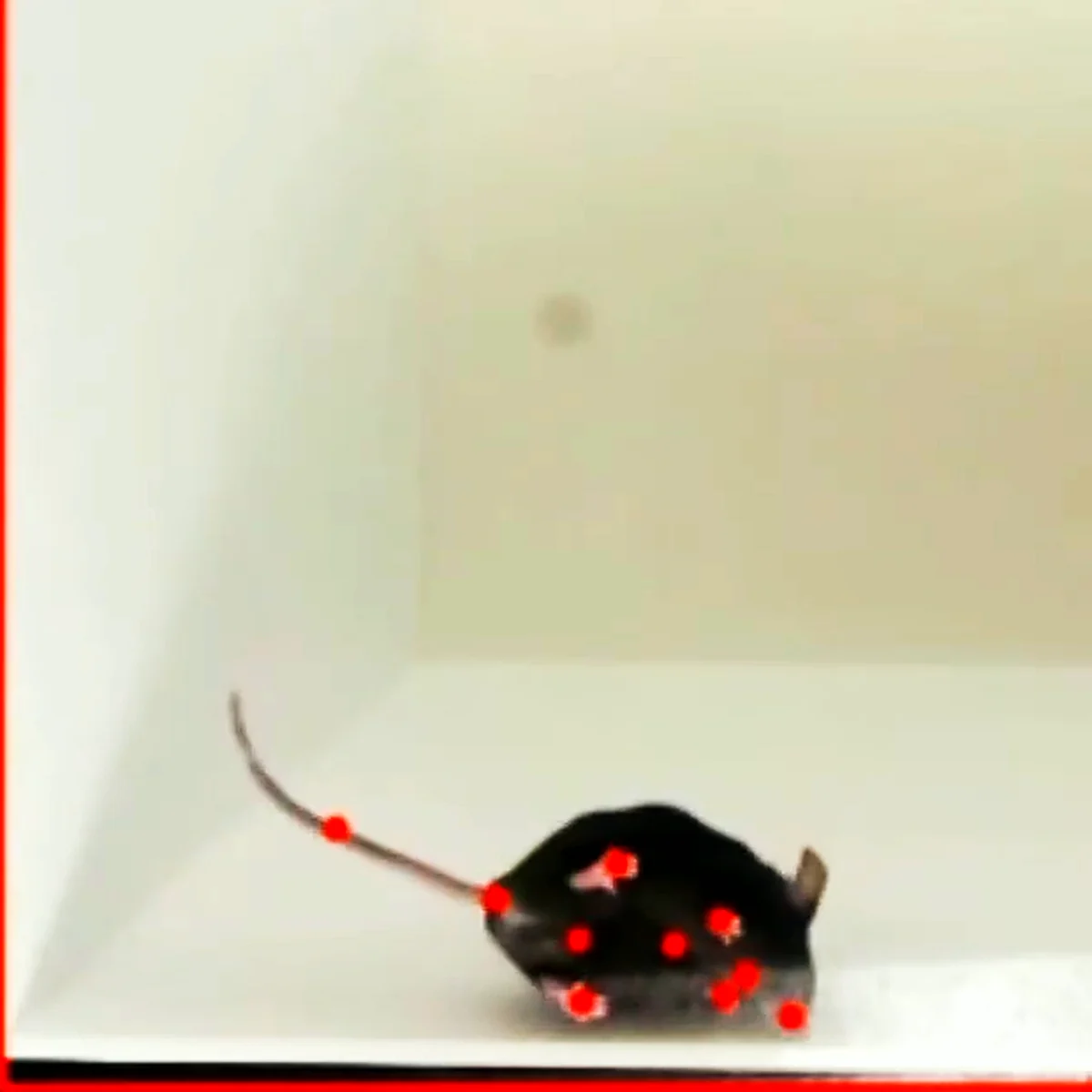
ConductVision is our video-tracking software. Record your sessions on video, and it reports the measures listed below.
A 5-year license is $3,990 in total.
The same license also scores standard tests such as the open field, the elevated plus maze, the Y-maze and the Morris water maze. Results export as CSV files.
Send it over and we'll email you a personalized answer — no call, no scheduling.
Prefer to talk it through?
Enhance your setup with compatible accessories
Creator Insights
Carol A. Barnes is a neuroscientist whose early work at the University of Colorado Boulder produced the Barnes maze, introduced in a single-authored 1979 paper. The task — a brightly lit circular platform with peripheral escape holes — exploits a rodent’s aversion to open, exposed spaces to measure spatial memory from extramaze cues, offering a lower-stress alternative to the water maze of the same era. Her 1979 study paired the maze with chronic hippocampal recording, reporting an early link between long-term potentiation and spatial memory in aged rats. Barnes spent most of her career at the University of Arizona, where she became a leading authority on hippocampal neurophysiology and cognitive aging.
To view Carol A. Barnes’s publications, visit PubMed.
Are you Carol A. Barnes? to review your photo and bio, and find out how to submit Creator Insights.
ConductScience celebrates method creators: researchers who, through rigorous and often ingenious experiments, develop the tools that reveal how the brain and body work. These are real scientific discoveries that become everyday instruments for the labs that follow.
Use this apparatus with
Automate hole investigation, primary latency, target-zone time, and serial versus spatial search strategies.
ConductVision Barnes Maze ->Acquisition, probe, reversal, escape-box, and aversive cue settings with metric definitions.
ConductMaze Barnes Protocol ->Free calculator for primary errors, total errors, target-zone preference, and search accuracy.
Barnes Maze Error Calculator ->Configuration considerations
Use these notes to scope species, cohort, tracking, and automation needs. Only verified product or support routes are linked from this section.
92 cm platform, 20 holes, removable escape box
Standard mouse configuration for dry-land spatial learning and memory.
$2,490.00
Add to CartLarger platform, 20 holes, rat-sized escape box
Scaled platform for adult rats and studies requiring larger inter-hole spacing.
$2,690.00
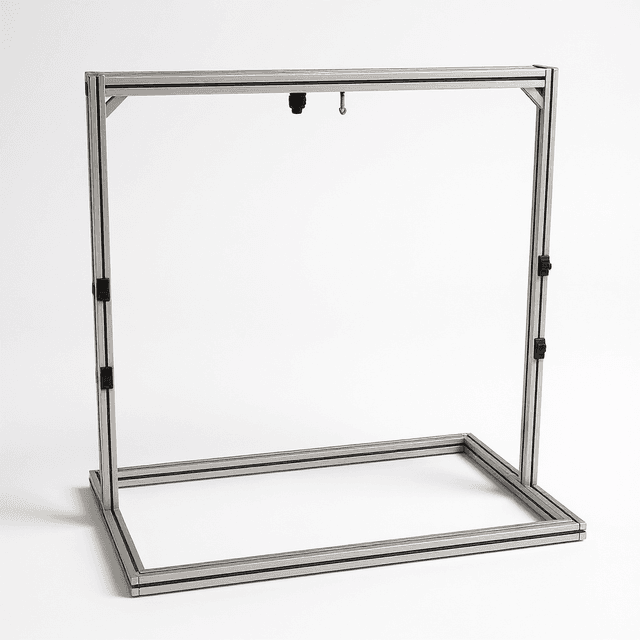
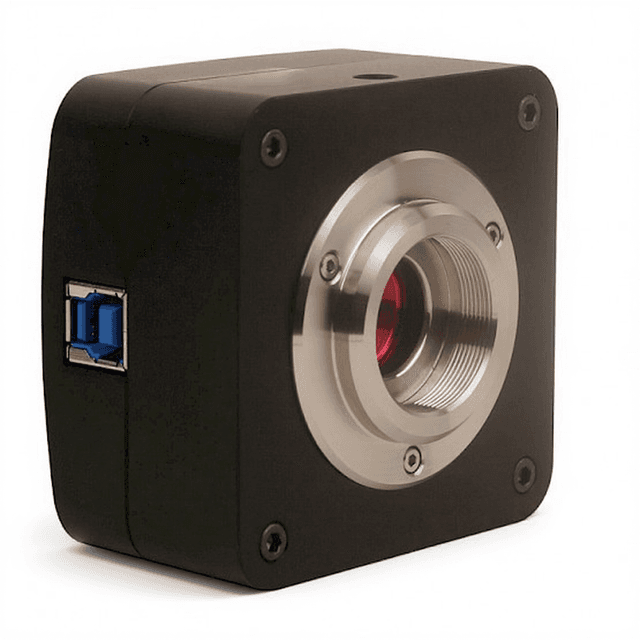
Switch to Rat ->Platform, overhead camera mount, cue set, and software-ready zones
For laboratories standardizing automated primary latency, error, and strategy scoring.
Configure tracking ->§ 1
The Barnes Maze is a dry-land spatial learning task in which rodents learn the location of an escape box under one target hole on a circular platform. Barnes introduced the task to study age-related memory deficits while avoiding the swimming stress of water-maze testing. 1
The assay is commonly used when researchers want hippocampal-dependent spatial learning with lower hypothermia and swim-demand confounds than MWM. Acquisition measures learning across sessions, while probe trials test search bias after the escape box is removed or blocked. 1
Barnes Maze interpretation depends on search strategy. Serial hole checking can reduce latency without precise spatial memory, so primary errors, target-zone time, and strategy classification should be reported with escape latency. 1
§ 2
Dry-land spatial acquisition with probe and optional reversal testing.
Critical methodological constraints
Core Barnes Maze metrics ConductVision scores from platform trajectories and hole investigation.
Primary Latency
First target contact
Primary Errors
Spatial accuracy
Target-Zone Time
Probe memory
Search Strategy
Cognitive strategy
Path Length
Efficiency
+ Additional metrics: total errors, target crossings, quadrant occupancy, speed, immobility, hole-poke sequence, and reversal errors.
Target investigations divided by total hole investigations during a probe or fixed search interval.
§ 3
PubMed publication counts, sample apparatus output, and recent papers from a dated PubMed snapshot.
PubMed volume and co-occurring methods for dry-land spatial-learning studies.
Representative acquisition and probe output from a Barnes Maze study.
Combined Lactobacillus plantarum Supplementation and Aerobic Training Mitigate Cognitive and Behavioral Impairments in Ovariectomized Rats.
Taghipour N, Aghabozorg M, Bafroee AST, et al.. Physiol Behav. 2026 Sep 24.
Menopause, modeled by ovariectomy (OVX) in rodents, causes cognitive decline and emotional disturbances due to estrogen withdrawal. While probiotics and aerobic exercise independently show beneficial effects, their combined contribution remains poorly characterized.
Age-related emergence of behavioral deficits and amyloid pathology in the J20 mouse model of Alzheimer's disease.
Canet G, Zussy C, Otaegui L, et al.. Behav Brain Res. 2026 Sep 24.
Transgenic mouse models carrying familial Alzheimer's disease mutations are widely used in preclinical research, yet phenotypic variability across age and sex can complicate experimental design and interpretation.
Effect of pipernonaline from Piper retrofractum on memory disorder in mice and neurite outgrowth activity of PC12 cells.
Fujimoto R, Irie Y, Mitsunaga T, et al.. Med Chem Res. 2026 Sep 24.
In this study, we discovered compounds comprising a piperidine skeleton in Piper retrofractum; the compounds exhibit PC12 dendrite elongation activity. Furthermore, we examined the structure-activity relationship by comparing the activities of the isolated compounds 1, 3-7.
Ketone ester supplementation in aged mice produces sex-specific cognitive and metabolic effects.
Roslund KJ, Coates LC, Sattar Sultani S, et al.. Geroscience. 2026 Sep 23.
The ketogenic diet (KD) elevates β-hydroxybutyrate (β-HB), an energy metabolite and signaling molecule with immunomodulatory effects, and has been associated with cognitive and metabolic effects in some preclinical and clinical studies.
L5 Lumbar Laminectomy in Aged C57BL/6J Mice to Model Postoperative Cognitive Dysfunction.
Cheng X, Wang X, Guo J, et al.. J Vis Exp. 2026 Sep 22.
Postoperative cognitive dysfunction (POCD) is a common neurological complication following surgery and anesthesia, particularly in older adults, and is associated with delayed recovery, prolonged hospitalization, and reduced quality of life.
Hippocampal LTP shifts from NMDAR dependence to mGluR/VGCC-supported mechanisms following juvenile status epilepticus in rats.
Diespirov GP, Postnikova TY, Zaitsev AV. Neuroscience. 2026 Sep 20.
Hippocampal long-term potentiation (LTP) can persist in the chronic epileptic state, but the mechanisms supporting this residual plasticity remain poorly understood.
§ 4
Limitations of the paradigm, methodological caveats, and current directions.
Variables that can shift Barnes Maze results apart from the effect under study.
Animals can improve by checking adjacent holes serially rather than using distal spatial cues.3
Too little aversive motivation produces freezing; too much produces stress and escape behavior.
Odor trails around the target hole can create non-spatial performance.
Weak or moved room cues reduce spatial learning and increase random search.
Motor deficits can raise latency, so errors and search pattern should be interpreted with movement measures.
Barnes Maze reduces swim-related confounds compared with MWM, but it is still motivation-dependent. 1 Search strategy, primary errors, and target-zone bias are needed to separate spatial memory from serial scanning or reduced movement. 2
Barnes avoids swimming and hypothermia concerns, while MWM often has stronger aversive motivation and a longer historical baseline. Use Barnes for frail, aged, injured, or longitudinal cohorts when dry-land testing is preferable. 1
Report both when possible. Primary errors reflect search before first target contact, while total errors include post-target wandering and may capture persistence or confusion.
Yes, especially with reversal or shifted target locations, but prior learning and search strategy history must be modeled explicitly.
Quarterly editorial review of emerging Barnes Maze methodology. Q2 2026
Automated direct, serial, and random strategy classifiers are becoming routine in Barnes analyses.
Target-zone time and primary target visits are increasingly preferred over latency-only summaries.
Dry-land spatial testing is expanding in aging, stroke, and neurodegeneration studies where swimming is a confound.
Target relocation is used to test cognitive flexibility after acquisition has stabilized.
§ 5
10 selected methods and validation references for Barnes Maze.