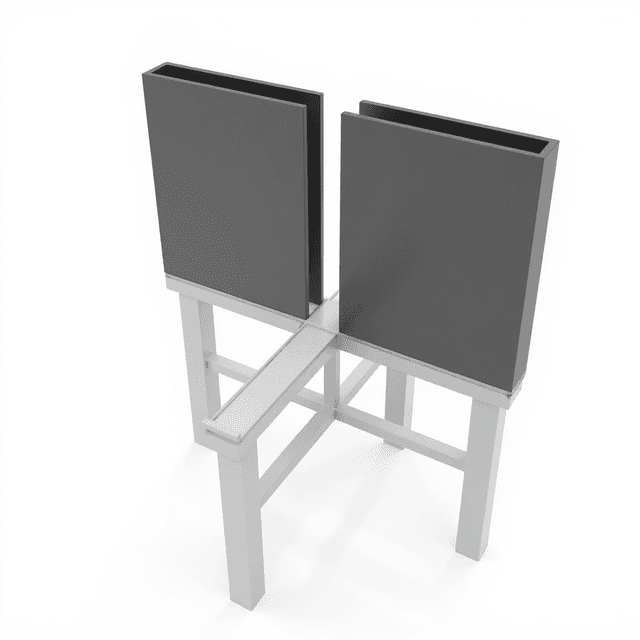
Maze Backlight
Backlighting system providing uniform illumination for rodent behavioral mazes, ensuring consistent visual conditions for accurate tracking and behavioral assessment.

Louise Corscadden, PhD
Director of Science · ConductScience
Ask Louise about Maze Backlight fit, setup, configuration, or quote prep.
Already working with us? Sign in to connect this with My Scientist.
Key Specifications
Full details →- Model fit
- Mouse, Rat
- SKU family
- ME-3704/ 3705/ 3706
- Shipping box
- 43.2 x 38.0 x 27.9 cm
- Ordering
- Online checkout and quote request available
- Category
- Behavioral Mazes
- Build notes
- Confirm accessories, station layout, and support needs before purchase
The Maze Backlight provides uniform illumination for behavioral testing apparatus used in rodent learning and memory research. This backlighting system creates consistent visual contrast conditions for video tracking and behavioral observation across multiple maze configurations including open field tests, novel object recognition paradigms, Y-mazes, and T-mazes.
The system addresses a critical methodological requirement in behavioral neuroscience where lighting conditions can significantly influence animal behavior and tracking accuracy. Standardized illumination eliminates shadows and hot spots that can confound spatial preference measurements and automated scoring systems. Custom sizing accommodates various maze dimensions to ensure optimal lighting coverage for specific experimental setups.
How It Works
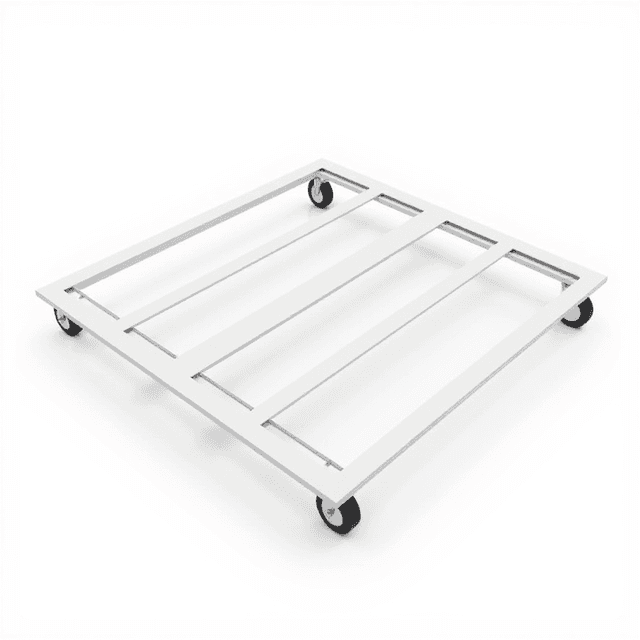
The Maze Backlight operates through diffuse illumination technology, distributing light evenly across the maze surface to eliminate shadows and create uniform brightness conditions. The system typically employs LED arrays positioned beneath a translucent surface, providing consistent photon flux across the entire testing area.
This uniform illumination is critical for accurate behavioral scoring as it ensures that all maze regions receive equivalent lighting, preventing animals from showing preference for brighter or darker areas that could confound experimental results. The consistent lighting conditions also optimize video tracking systems by providing stable contrast between the subject and background across all positions within the maze.
The backlighting configuration can be customized to match specific maze dimensions, ensuring that the light distribution pattern aligns with the experimental apparatus geometry for optimal illumination coverage.
Features & Benefits
Compatible Mazes
- open field, novel object recognition, Y Maze, T mazes
Customization
- sizing can be customized upon request for larger mazes
Intended Use
- backlighting display cases for smaller mazes
Behavioral Construct
- spatial memory
- locomotor activity
- anxiety-like behavior
- recognition memory
- motor coordination
Research Domain
- Aging Research
- Anxiety and Depression
- Behavioral Pharmacology
- Learning and Memory
- Motor Function
- Neuroscience
Compatible Tracking Software
- ConductVision
Shipping weight
- 21.0 lb
Shipping box
- L: 43.2 cm
- W: 38.0 cm
- H: 27.9 cm
| Feature | This Product | Typical Alternative | Advantage |
|---|---|---|---|
| Maze compatibility | Open field, novel object recognition, Y-maze, T-maze configurations | Often limited to specific maze types | Single system supports multiple behavioral paradigms reducing equipment costs and setup complexity. |
| Sizing options | Custom sizing available for larger mazes | Fixed dimensions for standard configurations only | Accommodates specialized research requirements and non-standard maze dimensions. |
| Species compatibility | Mouse and rat applications | Often designed for single species use | Supports research programs using multiple rodent models without requiring separate lighting systems. |
| Illumination method | Backlighting design | Overhead or side-mounted lighting systems | Eliminates shadows and hot spots that can confound behavioral measurements and tracking accuracy. |
The Maze Backlight offers versatile compatibility across multiple behavioral testing paradigms with custom sizing capabilities. The backlighting approach provides uniform illumination conditions that eliminate environmental confounds common in alternative lighting configurations.
| Model | SKU | Listed price | Status | Shipping box |
|---|---|---|---|---|
| Rat | ME-3704/ 3705/ 3706 | $1,990.00 | Available | 43.2 x 38.0 x 27.9 cm |
| Mouse | ME-3704/ 3705/ 3706 | $1,990.00 | Available | 43.2 x 38.0 x 27.9 cm |
Practical Tips
Allow the backlight system to warm up for 5-10 minutes before beginning behavioral testing to ensure stable light output.
Why: Initial LED warm-up period ensures consistent illumination conditions throughout the experimental session.
Clean the diffusion surface weekly with appropriate cleaning solution to maintain uniform light transmission.
Why: Dust accumulation can create uneven illumination patterns that may influence animal behavior.
Use a light meter to verify uniform illumination across all maze quadrants during initial setup.
Why: Ensures consistent lighting conditions that are critical for accurate behavioral scoring and video tracking.
Position video cameras to minimize reflections from the backlit surface that could cause tracking errors.
Why: Proper camera positioning prevents glare artifacts that can interfere with automated behavioral analysis.
If uneven illumination occurs, check for proper contact between maze and backlight surfaces.
Why: Air gaps can create light leakage patterns that result in non-uniform illumination distribution.
Document lighting conditions in experimental protocols including any custom sizing specifications used.
Why: Standardized lighting documentation supports experimental replication and methodology transparency.
Ensure proper ventilation around LED components to prevent heat buildup during extended testing sessions.
Why: Adequate heat dissipation maintains stable light output and prevents temperature effects on animal behavior.
Setup Guide
What’s in the Box
- Backlight illumination unit (typical)
- Power adapter (typical)
- User manual (typical)
- Installation guide (typical)
Warranty
ConductScience provides standard manufacturer warranty coverage with technical support for backlight system components and installation guidance.
Compliance
References
Background reading relevant to this product:
How does backlighting affect animal behavior compared to overhead lighting?
Backlighting eliminates shadows that can create visual landmarks or preferred hiding areas, providing more accurate assessment of intrinsic spatial preferences without environmental bias.
Can the system accommodate non-standard maze dimensions?
Yes, custom sizing is available upon request to ensure proper illumination coverage for larger or uniquely-shaped maze configurations.
What lighting intensity is provided and can it be adjusted?
Consult product datasheet for specific photometric specifications and dimming capabilities as these may vary by model configuration.
How does the backlight integrate with video tracking systems?
The uniform illumination provides consistent subject-to-background contrast across all maze regions, optimizing automated tracking accuracy and reducing tracking errors.
What maintenance is required for the LED components?
LED arrays typically require minimal maintenance beyond periodic cleaning of the diffusion surface and verification of uniform light output.
Can multiple backlight units be synchronized for multi-maze setups?
Consult technical specifications for multi-unit operation capabilities and synchronization options for parallel testing configurations.
Have a question about this product?
Have a question? Just ask.
Send it over and we'll email you a personalized answer — no call, no scheduling.
Prefer to talk it through?
Accessories
Enhance your setup with compatible accessories