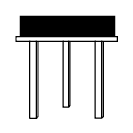
Y Maze Stand
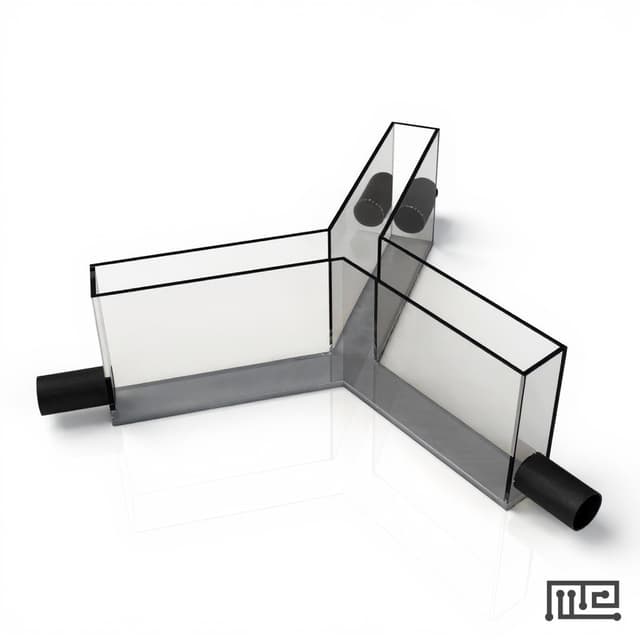
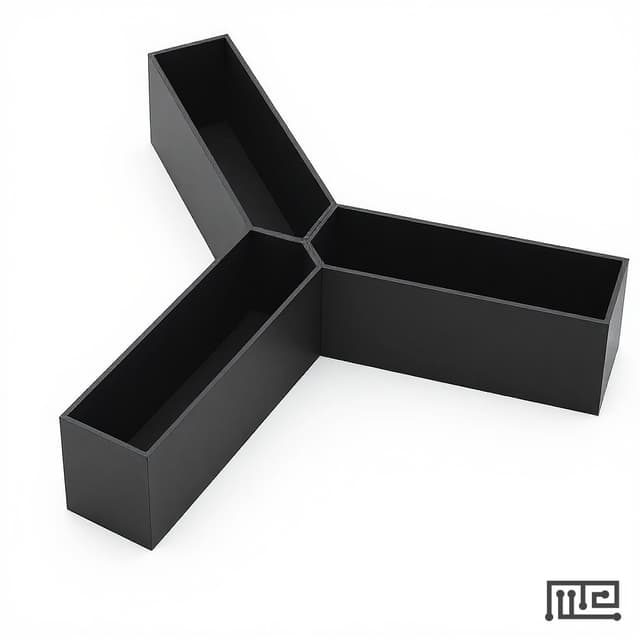
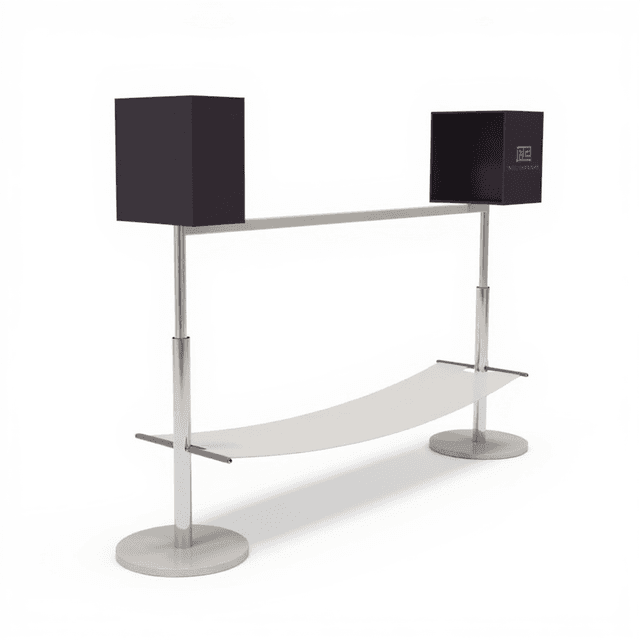
Platform stand for Y-maze behavioral testing apparatus, available in mouse (32cm) and rat (45cm) configurations for stable maze positioning during spatial memory experiments.

Louise Corscadden, PhD
Director of Science · ConductScience
Ask Louise about Y Maze Stand fit, setup, configuration, or quote prep.
Already working with us? Sign in to connect this with My Scientist.
Key Specifications
Full details →- Model fit
- Mouse, Rat
- SKU family
- CS-958434
- Shipping box
- 65.0 x 36.0 x 27.0 cm
- Ordering
- Online checkout and quote request available
- Category
- Behavioral Mazes
- Build notes
- Confirm accessories, station layout, and support needs before purchase
The Y Maze Stand provides stable platform support for Y-maze behavioral testing apparatus in rodent research. This stand elevates the maze to optimal working height for researchers while ensuring consistent positioning during spatial memory and decision-making experiments. Available in mouse (32cm) and rat (45cm) configurations to accommodate different experimental scales.
The stand facilitates proper experimental conditions by maintaining maze stability during animal navigation and providing ergonomic access for researchers during behavioral scoring and data collection. Essential accessory for laboratories conducting spatial cognition, working memory, and exploratory behavior studies using Y-maze paradigms.
How It Works
The Y Maze Stand functions as a mechanical support platform that elevates the Y-maze to appropriate working height for behavioral testing protocols. The stand positions the maze at ergonomic level for researcher observation while providing stable foundation that prevents apparatus movement during animal navigation.
Proper maze elevation is critical for consistent behavioral scoring, as it allows researchers to observe animal movement patterns without interference while maintaining standardized viewing angles. The stand dimensions (32cm for mouse, 45cm for rat) correspond to optimal heights that accommodate different maze scales while ensuring animal comfort and natural exploratory behaviors.
Features & Benefits
Behavioral Construct
- spatial working memory
- spontaneous alternation
- exploratory behavior
- decision-making
Research Domain
- Aging Research
- Anxiety and Depression
- Behavioral Pharmacology
- Learning and Memory
- Neurodegeneration
- Neuroscience
Species
- Mouse
- Rat
Compatible Tracking Software
- ConductVision
Shipping weight
- 6.06 lb
Shipping box
- L: 65.0 cm
- W: 36.0 cm
- H: 27.0 cm
| Feature | This Product | Typical Alternative | Advantage |
|---|---|---|---|
| Height Configuration Options | Two species-specific heights: 32cm (mouse) and 45cm (rat) | Many stands offer single fixed height or limited adjustment range | Optimized ergonomics for different experimental scales improve researcher comfort during extended behavioral sessions |
| Species Compatibility | Dedicated mouse and rat configurations | Generic stands may not optimize for specific rodent species requirements | Species-appropriate sizing ensures proper maze positioning and animal comfort during testing |
| Platform Stability | Designed for behavioral testing apparatus support | General laboratory stands may lack behavioral-specific stability features | Prevents apparatus movement that could confound behavioral measurements |
| Experimental Integration | Purpose-built for Y-maze behavioral protocols | Improvised elevation solutions lack standardization | Consistent setup reduces experimental variability and improves data reproducibility |
The Y Maze Stand provides species-optimized height configurations (32cm mouse, 45cm rat) with purpose-built stability for behavioral testing applications. The dedicated design ensures consistent experimental conditions and improved researcher ergonomics compared to improvised elevation solutions.
| Model | SKU | Listed price | Status | Shipping box |
|---|---|---|---|---|
| Rat | ME-MS3509 | $240.00 | Available | 65.0 x 36.0 x 27.0 cm |
| Mouse | ME-MS3508 | $210.00 | Available | 65.0 x 36.0 x 27.0 cm |
Practical Tips
Position stand away from visual cues or landmarks that could influence animal navigation patterns.
Why: External cues can confound spatial memory assessments by providing alternative navigation strategies.
Check platform stability before each experimental session and tighten connections as needed.
Why: Unstable platforms can introduce vibration artifacts that affect animal behavior and data quality.
Ensure adequate clearance around stand for safe animal handling and emergency access.
Why: Proper spacing prevents accidents during animal placement and retrieval procedures.
Use consistent stand positioning across all experimental sessions within a study.
Why: Positional consistency reduces experimental variability and improves data reproducibility.
Clean stand surface between animals using appropriate disinfectants to prevent odor cues.
Why: Residual scent marks can influence subsequent animal behavior and compromise experimental validity.
If animals show reluctance to explore maze, verify stand height is appropriate for the test subjects.
Why: Inappropriate height can create stress or accessibility issues that affect natural exploratory behavior.
Setup Guide
What’s in the Box
- Y-maze stand platform (typical)
- Assembly hardware (typical)
- User manual (typical)
Warranty
ConductScience provides standard one-year manufacturer warranty covering defects in materials and workmanship, with technical support for proper setup and usage.
Compliance
References
Background reading relevant to this product:
What are the exact height specifications for mouse versus rat configurations?
The mouse configuration provides 32cm height while the rat configuration provides 45cm height, optimized for the respective maze scales and researcher observation requirements.
Is the stand compatible with different Y-maze manufacturers?
The stand features universal design compatible with standard Y-maze apparatus, though specific mounting requirements should be verified with your maze manufacturer.
How does stand height affect behavioral scoring accuracy?
Proper height positioning ensures consistent viewing angles for accurate behavioral scoring while maintaining appropriate distance from test subjects to avoid experimental interference.
What maintenance is required for the stand?
Routine inspection for stability and cleaning between experimental sessions; consult product documentation for specific maintenance intervals.
Can the stand be adjusted for different maze orientations?
Consult product datasheet for specific adjustment capabilities and mounting options for different experimental configurations.
What is the weight capacity of each stand configuration?
Consult product specifications for load bearing capacity appropriate for your specific Y-maze apparatus and experimental requirements.
Have a question about this product?
Have a question? Just ask.
Send it over and we'll email you a personalized answer — no call, no scheduling.
Prefer to talk it through?