Encatchment for Balance Beam
Safety collection device for balance beam testing that catches falling animals while enabling precise measurement of motor performance deficits.

Louise Corscadden, PhD
Director of Science · ConductScience
Ask Louise about Encatchment for Balance Beam fit, setup, configuration, or quote prep.
Already working with us? Sign in to connect this with My Scientist.
Key Specifications
Full details →- Model fit
- Mice, Rats
- SKU family
- ME-4604
- Shipping box
- 43.2 x 38.0 x 27.9 cm
- Ordering
- Online checkout and quote request available
- Category
- Maze Accessories
- Build notes
- Confirm accessories, station layout, and support needs before purchase
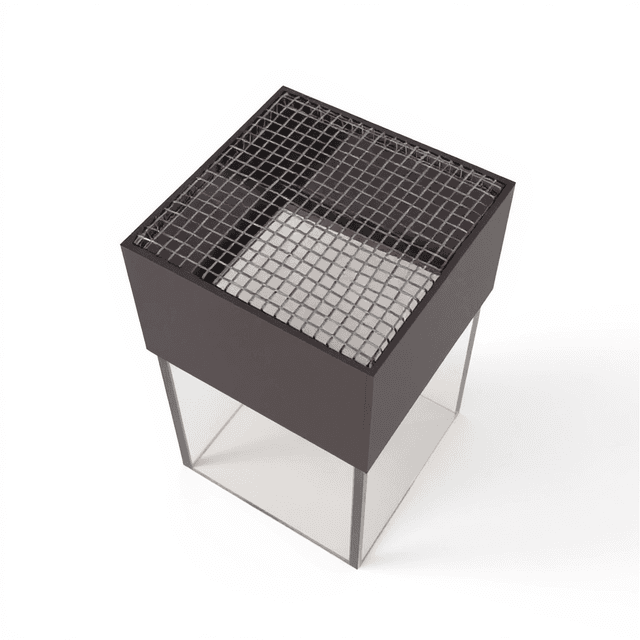
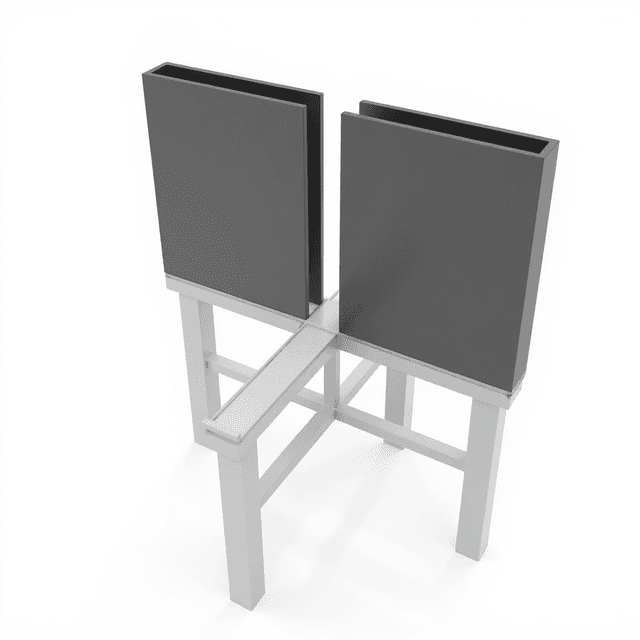
The Encatchment for Balance Beam is a specialized accessory designed to enhance safety and data collection during balance beam behavioral testing protocols. This collection device positions beneath the balance beam apparatus to catch animals that fall during motor function assessment, preventing injury while enabling precise measurement of fall frequency and location.
Constructed for use with standard balance beam configurations, this encatchment system allows researchers to conduct extended motor performance evaluations without risk of animal harm. The device facilitates quantitative analysis of balance deficits, motor learning progression, and neurological impairment in rodent models by providing a controlled environment for fall detection and recovery.
How It Works
The encatchment system operates through passive collection mechanics, positioning directly beneath the balance beam to intercept falling animals during motor performance testing. The device creates a safe landing zone that prevents injury while maintaining experimental conditions for accurate behavioral assessment.
During testing, animals traverse the elevated balance beam while the encatchment remains positioned to catch any falls. This design enables researchers to conduct extended testing sessions without interruption for animal recovery, while simultaneously providing data on fall frequency, timing, and spatial distribution along the beam length.
The collection system integrates with standard balance beam protocols, allowing normal testing procedures while adding safety measures and enhanced data collection capabilities for comprehensive motor function analysis.
Features & Benefits
Shipping weight
- 21.0 lb
Shipping box
- L: 43.2 cm
- W: 38.0 cm
- H: 27.9 cm
| Feature | This Product | Typical Alternative | Advantage |
|---|---|---|---|
| Safety Coverage | Complete beam length protection | Improvised padding solutions often provide incomplete coverage | Ensures consistent animal safety regardless of fall location along the beam |
| Setup Integration | Designed specifically for balance beam compatibility | Generic collection devices require custom positioning | Streamlines experimental setup with purpose-built dimensions |
| Cleaning Protocol | Laboratory-appropriate surface materials | General padding may not support proper disinfection | Maintains hygiene standards required for multi-subject testing |
| Experimental Interference | Non-interfering positioning below beam | Makeshift solutions may affect animal behavior | Preserves natural testing conditions while providing safety protection |
This purpose-built encatchment device provides dedicated safety infrastructure for balance beam testing with laboratory-appropriate materials and positioning designed specifically for motor function protocols.
| Model | SKU | Listed price | Status | Shipping box |
|---|---|---|---|---|
| Rats | ME-4604 | $180.00 | Available | 43.2 x 38.0 x 27.9 cm |
| Mice | ME-4604 | $150.00 | Available | 43.2 x 38.0 x 27.9 cm |
Practical Tips
Position the encatchment before each testing session and verify complete beam coverage.
Why: Ensures consistent safety protection throughout all experimental protocols.
Inspect the collection surface regularly for wear or damage that could compromise safety.
Why: Maintains protective effectiveness over repeated use and animal impacts.
Test the encatchment positioning with dropped objects before introducing animals.
Why: Verifies proper coverage and impact absorption before live testing begins.
Document any falls during testing sessions including location and circumstances.
Why: Provides valuable motor function data while ensuring complete experimental records.
Clean and disinfect the encatchment surface between each test subject.
Why: Prevents cross-contamination and maintains laboratory hygiene standards.
If animals appear hesitant to traverse the beam, verify the encatchment is not visible from the beam surface.
Why: Maintains natural testing conditions by avoiding visual distractions during motor assessment.
Setup Guide
What’s in the Box
- Encatchment collection device (typical)
- Mounting hardware (typical)
- User manual (typical)
Warranty
ConductScience provides a standard one-year manufacturer warranty covering defects in materials and workmanship, with technical support available for setup and operation questions.
Compliance
References
Background reading relevant to this product:
What balance beam dimensions are compatible with this encatchment?
Consult the product datasheet for specific compatibility dimensions. The device is designed to work with standard laboratory balance beam configurations.
How do I ensure the encatchment doesn't interfere with normal beam traversal?
Position the encatchment with adequate clearance below the beam to avoid animal contact during normal walking behavior while maintaining safety coverage.
What cleaning protocols are recommended between test subjects?
Clean all surfaces with appropriate disinfectant between subjects following standard laboratory animal protocols to prevent cross-contamination.
Can this device be used with automated video tracking systems?
The encatchment design should not interfere with overhead video recording, but camera positioning may need adjustment to maintain clear beam visibility.
What is the maximum drop height this device can safely handle?
Safety specifications depend on construction details - consult the product datasheet for maximum recommended beam height and impact specifications.
How durable is the encatchment for repeated daily use?
The device is constructed for laboratory use with repeated cleaning and impact exposure, though specific durability specifications should be verified in the product documentation.
Have a question about this product?
Have a question? Just ask.
Send it over and we'll email you a personalized answer — no call, no scheduling.
Prefer to talk it through?