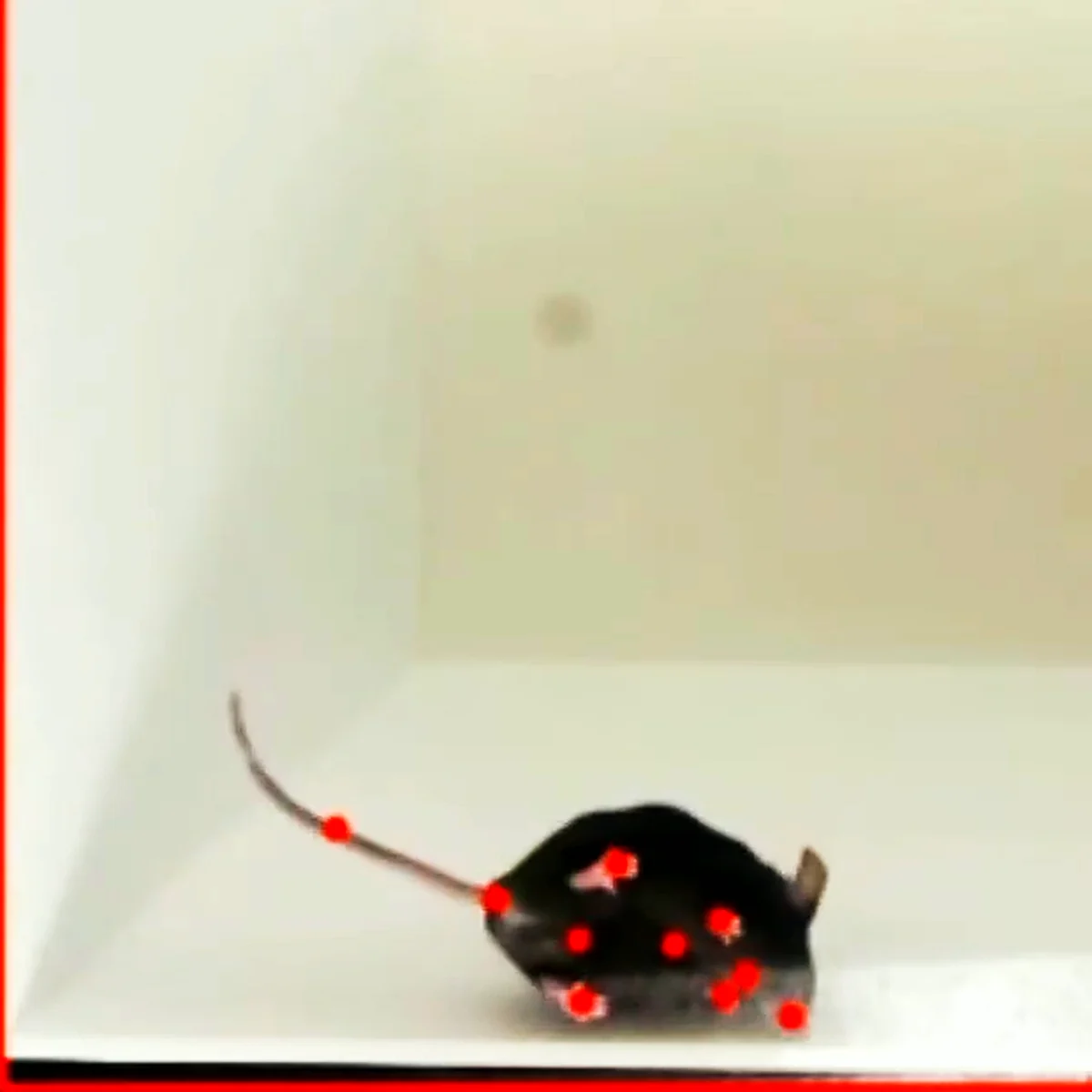

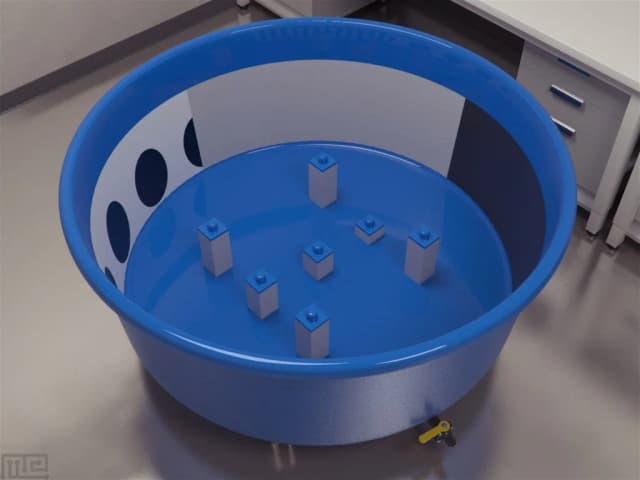
Morris Water Snowcone
SKU CS-958373
$259.00
IncludesStandard care
Specialized Morris water maze variant incorporating geometric and landmark cues for enhanced spatial learning and memory assessment in rodents.
Scientist guidance

Louise Corscadden, PhD
Director of Science · ConductScience
Ask Louise about Morris Water Snowcone fit, setup, configuration, or quote prep.
Already working with us? Sign in to connect this with My Scientist.
Key Specifications
Full details →- Model fit
- Mouse, Rat
- SKU family
- CS-958373
- Shipping box
- 65.0 x 36.0 x 27.0 cm
- Ordering
- Online checkout and quote request available
- Category
- Behavioral Mazes
- Build notes
- black plexiglass, Stainless Steel
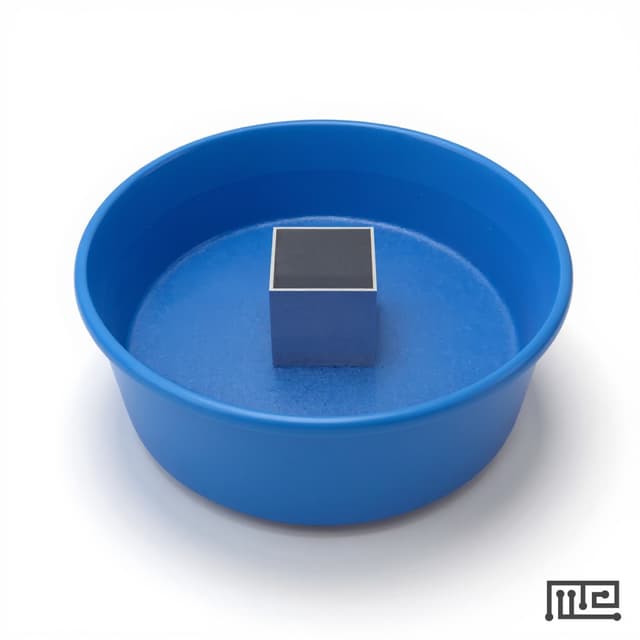
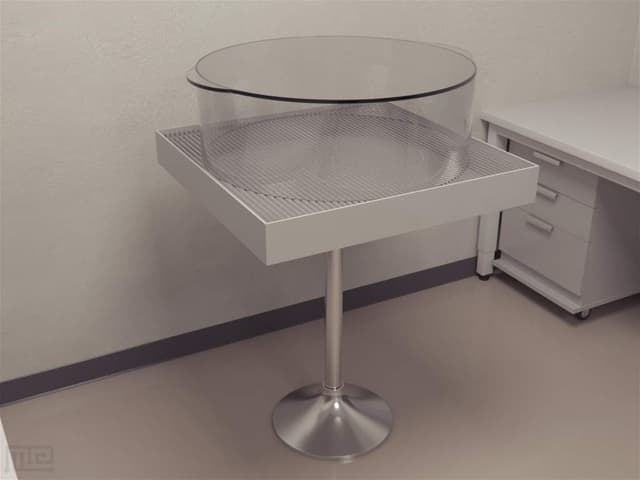
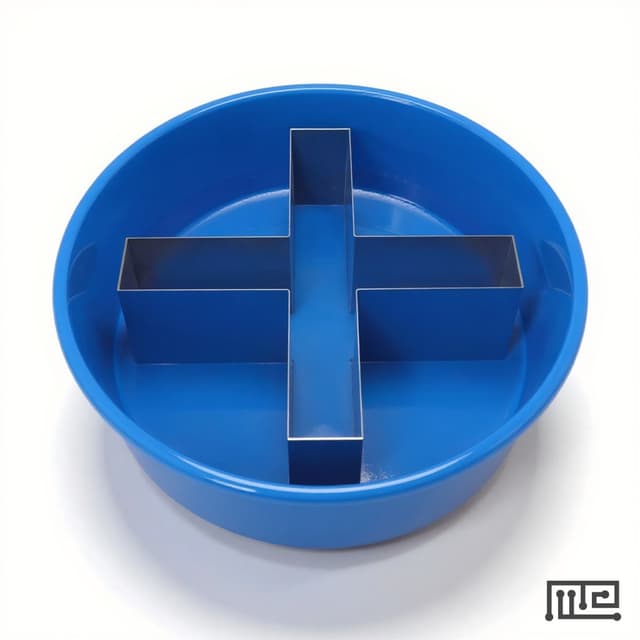
The Morris Water Snowcone represents a specialized adaptation of the traditional Morris water maze, designed to investigate spatial learning and memory in rodents through the integration of geometric and landmark cues. This apparatus features a unique angular design with a single 90-degree corner, creating a snowcone-like configuration that serves as a distinct geometric reference point. The system combines this structural cue with a landmark cue in the form of a 20-centimeter diameter opaque colored balloon positioned above the maze.
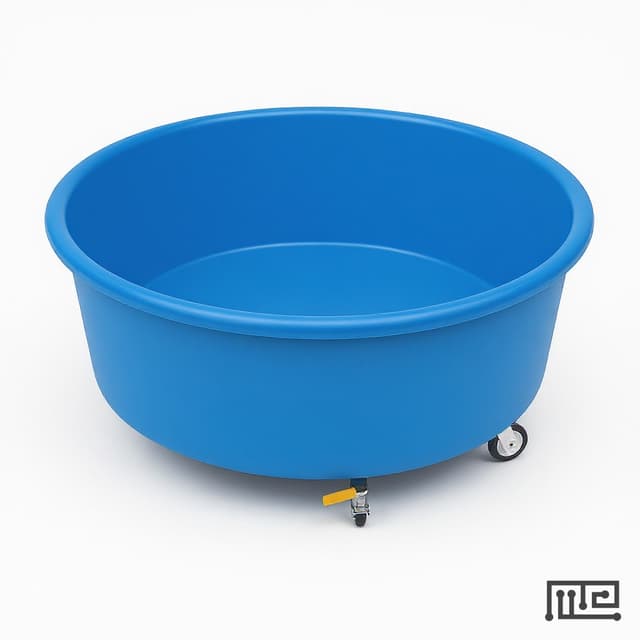
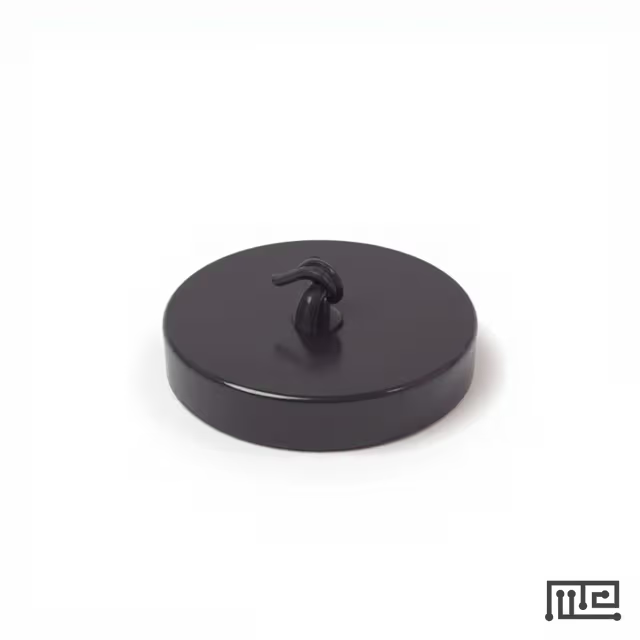
Available in three tub sizes (4, 5, and 6 feet), the apparatus includes either acrylic or aluminum snowcone inserts with a black platform positioned 1 centimeter above the water surface. The maze utilizes opaque water at a depth of 0.3 meters, following established protocols with 5 trials per day over a 3-day pretraining duration. Each trial allows up to 120 seconds for navigation, with a 15-second rest period on the platform following successful location.
How It Works
The Morris Water Snowcone operates on the principle of spatial reference memory testing through forced swim navigation. Animals must locate a submerged escape platform using available spatial cues within the testing environment. The unique geometric design provides a single right-angled corner that serves as a reorienting landmark, while the overhead balloon provides an additional visual reference point for navigation.
During testing, rodents are placed in the opaque water at various starting positions and must navigate to the hidden platform using spatial memory and navigation strategies. The platform's position remains constant throughout training trials, allowing animals to develop a spatial representation of the environment. The dual-cue system enables researchers to dissociate between geometric and landmark-based navigation strategies by analyzing swim paths, latencies, and search patterns.
The opaque water prevents visual identification of the platform, forcing reliance on distal spatial cues and memory-based navigation. Trial parameters allow sufficient time for exploration while maintaining task difficulty, with platform rest periods reinforcing successful navigation outcomes.
Features & Benefits
Dual-cue spatial navigation system
Enables investigation of both geometric and landmark-based spatial memory strategies within a single testing paradigm.
Multiple tub size options (4, 5, 6 feet)
Accommodates different species sizes and experimental requirements while maintaining consistent geometric proportions.
90-degree corner geometric configuration
Provides a distinct reorienting landmark for assessment of geometric spatial memory independent of landmark cues.
Adjustable platform positioning
Allows researchers to modify task difficulty and investigate spatial memory flexibility across different platform locations.
Standardized trial parameters
Ensures reproducible results with established 120-second trial duration and 15-second platform rest periods.
Acrylic or aluminum insert options
Provides material flexibility for different experimental requirements and maintenance preferences.
Opaque water system
Eliminates visual platform cues while maintaining animal motivation to escape, ensuring memory-dependent navigation.
20-centimeter landmark balloon
Offers a standardized visual cue that can be systematically manipulated to study landmark-based navigation strategies.
Add-ons and modifications
| Add-on | Price | Details |
|---|---|---|
| 4 Feet Tub | $790 | Acrylic or Aluminum Snow Cone Insert to fit Black platform |
| 5 Feet Tub | $890 | Acrylic or Aluminum Snow Cone Insert to fit Black platform |
| 6 Feet Tub | $990 | Acrylic or Aluminum Snow Cone Insert to fit Black platform |
Add any of these to your quote request.
Tub Sizes Available
- ['4 feet', '5 feet', '6 feet']
Water Depth
- 0.3 meters
Escape Platform Height Above Water
- 1 centimeter
Landmark Balloon Diameter
- 20 centimeters
Corner Angle
- 90 degrees
Trial Duration
- 120 seconds
Platform Rest Time
- 15 seconds
Trials per Day
- 5 trials
Pretraining Duration
- 3 days
Water Type
- opaque water
Behavioral Construct
- spatial memory
- spatial learning
- navigation strategy
- reference memory
- geometric cue processing
- landmark navigation
Automation Level
- manual
Material
- black plexiglass
- Stainless Steel
Color
- Black
Species
- Mouse
- Rat
Research Domain
- Aging Research
- Anxiety and Depression
- Behavioral Pharmacology
- Learning and Memory
- Neurodegeneration
- Neuroscience
Compatible Tracking Software
- ConductVision
Shipping weight
- 6.06 lb
Shipping box
- L: 65.0 cm
- W: 36.0 cm
- H: 27.0 cm
| Feature | This Product | Typical Alternative | Advantage |
|---|---|---|---|
| Spatial Cue Integration | Dual-cue system combining 90-degree geometric corner with 20-centimeter landmark balloon | Single cue type focus in most water maze designs | Enables investigation of multiple navigation strategies within one experimental paradigm. |
| Geometric Reference | Single 90-degree corner creating distinctive reorienting landmark | Circular designs without geometric boundaries | Allows specific assessment of geometric spatial memory independent of landmark cues. |
| Size Flexibility | Three tub sizes available (4, 5, and 6 feet) | Fixed diameter options in standard models | Accommodates different species sizes and laboratory space constraints while maintaining geometric proportions. |
| Platform Positioning | Adjustable platform positioned 1 centimeter above water surface | Fixed platform configurations in many systems | Enables systematic manipulation of escape location for comprehensive spatial memory assessment. |
| Material Options | Choice of acrylic or aluminum snowcone inserts | Single material construction in most designs | Provides flexibility for different maintenance preferences and experimental durability requirements. |
| Protocol Standardization | Established parameters: 5 trials/day, 120-second duration, 15-second rest | Variable protocol specifications across different systems | Ensures reproducible results and compatibility with established spatial memory literature. |
The Morris Water Snowcone offers a specialized approach to spatial memory research through its unique geometric design and dual-cue navigation system. The apparatus provides standardized protocol parameters with flexible sizing options, enabling comprehensive spatial navigation assessment across different species and experimental requirements.
Neuroscience
Investigation of hippocampal-dependent spatial memory formation and retrieval mechanisms using dual-cue navigation paradigms.
Behavioral Pharmacology
Assessment of cognitive-enhancing or impairing drug effects on spatial navigation strategies and memory consolidation.
Learning and Memory
Evaluation of geometric versus landmark cue utilization in spatial reference memory tasks across different developmental stages.
Neurodegeneration
Characterization of spatial memory deficits in transgenic models of Alzheimer's disease and other neurodegenerative conditions.
Aging Research
Analysis of age-related changes in spatial navigation strategies and cue preference during water maze learning.
Anxiety and Depression
Investigation of stress and anxiety effects on spatial learning performance using modified water maze protocols.
Practical Tips
Calibration
Verify platform height precisely at 1 centimeter above water surface using a ruler before each testing session.
Why: Consistent platform depth ensures standardized escape difficulty across trials and subjects.
Maintenance
Clean the snowcone insert thoroughly between subjects using appropriate disinfectants to prevent olfactory cues.
Why: Eliminates potential confounding scent trails that could influence navigation behavior.
Best Practices
Randomize starting positions across trials while maintaining consistent platform location during acquisition phases.
Why: Prevents development of procedural strategies while promoting spatial memory formation.
Data Quality
Record water temperature at the beginning and end of each testing session.
Why: Temperature fluctuations can affect animal motivation and swimming behavior, impacting performance metrics.
Troubleshooting
If animals consistently fail to locate the platform, verify adequate opacity and check for visual platform cues.
Why: Excessive transparency or visible platform edges can compromise the spatial memory component of the task.
Safety
Monitor animals continuously during trials and maintain appropriate water temperature to prevent hypothermia.
Why: Ensures animal welfare compliance and prevents stress-related confounds in behavioral data.
Best Practices
Allow adequate inter-trial intervals and dry toweling between trials to maintain animal comfort.
Why: Prevents cumulative fatigue and hypothermia that could confound spatial memory assessment.
Calibration
Position the landmark balloon at a consistent height and angle relative to the maze geometry across all sessions.
Why: Standardized landmark positioning ensures reproducible visual cue conditions for navigation assessment.
Setup Guide
Assembly and Positioning
Assemble the selected tub size and position the snowcone insert to create the characteristic 90-degree corner configuration. Ensure the black platform is securely positioned within the maze area.
Water Preparation
Fill the tub with opaque water to a depth of 0.3 meters. Add appropriate non-toxic opacity agent to prevent visual detection of the submerged platform.
Platform Calibration
Position the escape platform 1 centimeter below the water surface at the designated location within the maze geometry. Verify platform stability and accessibility.
Landmark Installation
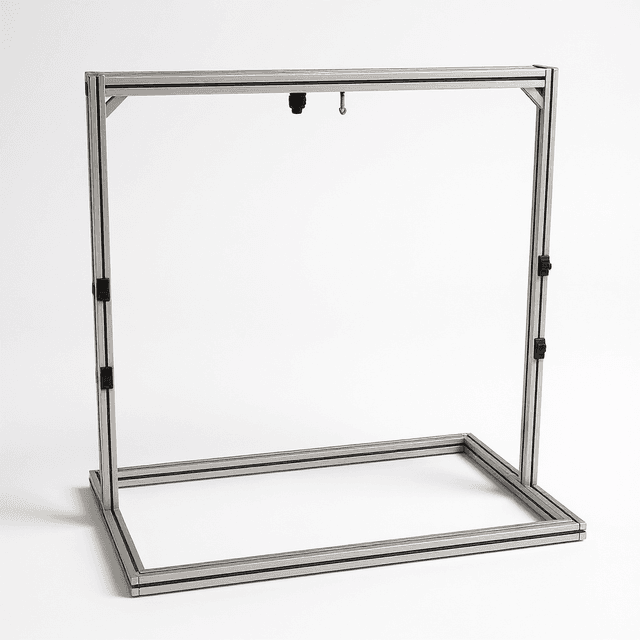
Suspend the 20-centimeter diameter opaque balloon above the maze at the predetermined position to serve as the visual landmark cue.
Environmental Setup
Establish consistent room lighting and eliminate potential confounding visual cues in the testing environment. Position tracking equipment if behavioral analysis is required.
Temperature Control
Maintain water temperature at appropriate levels for the test species and monitor throughout testing sessions to ensure animal welfare.
Protocol Validation
Conduct preliminary trials to verify platform accessibility, timing systems, and data collection procedures before beginning experimental sessions.
What’s in the Box
- Selected tub size (4, 5, or 6 feet)
- Snowcone insert (acrylic or aluminum)
- Black escape platform
- Platform positioning hardware
- Landmark balloon (20 cm diameter)
- Assembly instructions
- Protocol guidelines (typical)
Warranty
ConductScience provides a standard one-year manufacturer warranty covering materials and workmanship defects, with technical support for setup and protocol optimization.
Compliance
IACUC Animal Welfare GuidelinesCommonly used in behavioral neuroscience studies subject to institutional animal care and use committee oversight.
NIH Guide for Laboratory Animal CareSupports spatial memory research protocols conducted under federal animal research guidelines.
Q
How does the snowcone geometry differ from traditional circular Morris water mazes in terms of spatial cue processing?
A
The snowcone design incorporates a single 90-degree corner as a geometric reorienting cue, allowing dissociation between geometric and landmark-based navigation strategies, whereas circular mazes rely primarily on distal landmark cues.
Q
What are the recommended water temperature ranges for different rodent species?
A
Consult species-specific welfare guidelines, but typically maintain water temperature between 20-25°C for mice and rats to ensure animal comfort while preserving motivation to escape.
Q
Can the platform position be systematically varied during probe trials?
A
Yes, the platform positioning system allows relocation to different quadrants or removal entirely for probe trials assessing spatial memory retention and search strategy analysis.
Q
What tracking systems are compatible with this maze configuration?
A
The apparatus is compatible with overhead video tracking systems, though the geometric design may require calibration adjustments to accommodate the angular boundaries in analysis software.
Q
How should the landmark balloon position be standardized across experimental sessions?
A
Position the 20-centimeter balloon at a consistent height and location relative to the maze geometry, typically suspended above the maze perimeter to provide clear visual reference without interfering with swim paths.
Q
What maintenance procedures are required for the acrylic versus aluminum inserts?
A
Both materials require regular cleaning between subjects with appropriate disinfectants, though acrylic may require more careful handling to prevent scratching while aluminum offers greater durability.
Q
How does trial duration compare to standard Morris water maze protocols?
A
The 120-second trial duration follows established Morris water maze conventions, providing sufficient time for spatial exploration while maintaining task motivation and preventing hypothermia.
Q
Can multiple geometric cues be incorporated by modifying the corner configuration?
A
The current design features a single 90-degree corner optimized for geometric cue research, though custom modifications may be possible through consultation with technical support.
Have a question about this product?
Track rodents with ConductVision
ConductVision is our video-tracking software. Record your sessions on video, and it scores standard rodent tests, such as those listed below.
Examples of tests it scores
To check whether ConductVision scores your protocol in this apparatus, ask in your quote request.
Ask a question
Have a question? Just ask.
Send it over and we'll email you a personalized answer — no call, no scheduling.
Personalized email reply
Usually within one business day
Helpful answers published here
Prefer to talk it through?
Accessories
Enhance your setup with compatible accessories
Total: $0.00
Frequently Bought Together
Total: $2,080.00

Morris Water Snowcone
$259.00
Added to quoteView Quote