
1 / 3
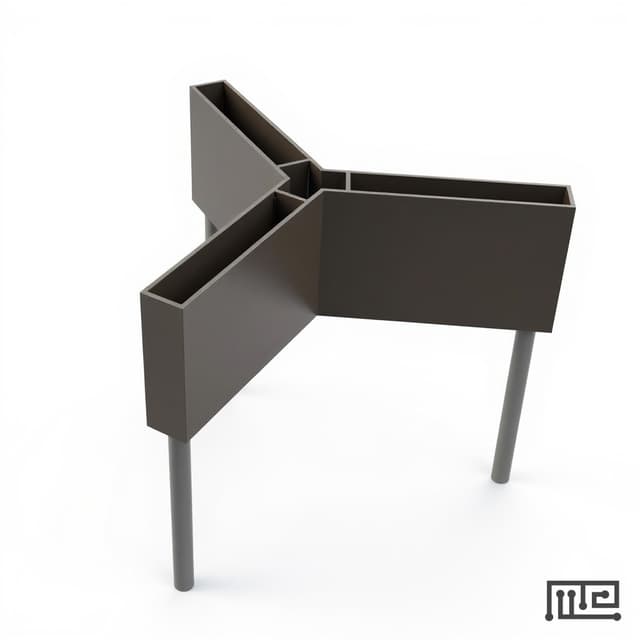
Morris Water Maze Pretraining Chamber
SKU ME-3150
$690.00
IncludesStandard care
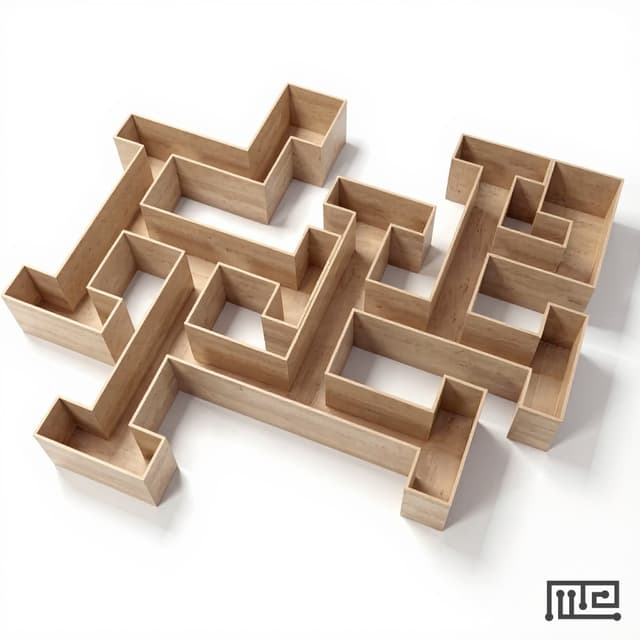
Custom-fitted pretraining chamber for Morris water maze protocols, available in 4, 5, 6, or 8-sided configurations to support systematic habituation and swimming skill development before spatial navigation testing.
CE MarkedBAA available
Scientist guidance

Louise Corscadden, PhD
Director of Science · ConductScience
Ask Louise about Morris Water Maze Pretraining Chamber fit, setup, configuration, or quote prep.
Already working with us? Sign in to connect this with My Scientist.
Key Specifications
Full details →- Model fit
- Mouse, Rat
- SKU family
- ME-3150
- Shipping box
- 43.2 x 38.0 x 27.9 cm
- Ordering
- Online checkout and quote request available
- Category
- Behavioral Mazes
- Build notes
- Confirm accessories, station layout, and support needs before purchase
The Morris Water Maze Pretraining Chamber provides controlled aquatic environment preparation for spatial navigation research. This specialized chamber system enables systematic habituation and basic swimming skill development before formal Morris water maze testing protocols. Available in multiple geometric configurations (4, 5, 6, or 8-sided), the chamber accommodates various experimental designs and progressive training paradigms.
Custom-fitted construction ensures proper integration with existing water maze systems while maintaining standardized testing conditions. The pretraining chamber addresses procedural variables that can confound spatial learning assessments, particularly swimming ability, thigmotaxis, and stress responses to aquatic environments. This approach allows researchers to isolate cognitive performance from motor learning components during subsequent spatial memory evaluations.
How It Works
The pretraining chamber operates on the principle of graduated exposure to aquatic environments before formal spatial navigation testing. The chamber provides a simplified geometric environment where animals develop basic swimming competency, reduce thigmotaxis (wall-hugging behavior), and habituate to water immersion stress without the cognitive demands of spatial learning.
Multiple chamber configurations (4, 5, 6, or 8-sided) allow progressive complexity training. Animals typically begin in simpler geometric arrangements before advancing to more complex configurations that approximate the circular Morris water maze environment. This systematic approach separates procedural learning (swimming, floating, climbing) from spatial cognitive processes during subsequent testing phases.
The custom-fitted design ensures consistent water depth, temperature control, and geometric relationships that match the primary testing apparatus. This standardization minimizes environmental variables that could affect swimming performance or stress responses during the transition to formal spatial memory protocols.
Features & Benefits
Multiple geometric configurations (4, 5, 6, 8-sided)
Enables progressive complexity training that systematically prepares animals for circular water maze testing while controlling for geometric familiarity
Custom-fitted design
Ensures precise integration with existing water maze systems and maintains consistent environmental parameters across training phases
Standardized chamber dimensions
Provides controlled training environment that eliminates size-related variables while establishing appropriate swimming distances and motor demands
Modular configuration options
Allows researchers to select optimal chamber geometry based on experimental timeline, animal strain characteristics, and research objectives
Professional laboratory construction
Delivers consistent performance and durability required for repeated use across multiple experimental cohorts and research studies
Integration compatibility
Maintains experimental continuity by using identical water systems, temperature control, and environmental conditions as primary testing apparatus
Add-ons and modifications
| Add-on | Price | Details |
|---|---|---|
| 4 sided | $1,290 | Made to fit |
| 5 sided | $1,490 | Made to fit |
| 8 sided | $1,890 | Made to fit |
| 6 Sided | $1,590 | Made to fit |
Add any of these to your quote request.
Chamber Configurations
- ['4 sided', '5 sided', '6 sided', '8 sided']
Behavioral Construct
- Spatial Learning
- Spatial Memory
- Motor Learning
- Anxiety
- Stress Response
Automation Level
- manual
Research Domain
- Aging Research
- Anxiety and Depression
- Behavioral Pharmacology
- Learning and Memory
- Neurodegeneration
- Neuroscience
Species
- Mouse
- Rat
Compatible Tracking Software
- ConductVision
Shipping weight
- 21.0 lb
Shipping box
- L: 43.2 cm
- W: 38.0 cm
- H: 27.9 cm
| Feature | This Product | Typical Alternative | Advantage |
|---|---|---|---|
| Geometric Configuration Options | Four distinct configurations (4, 5, 6, 8-sided) for progressive training | Fixed circular or rectangular chambers without systematic progression options | Allows systematic complexity increase that better prepares animals for transition to formal spatial testing |
| Custom Integration Design | Made-to-fit specifications matching existing water maze systems | Standard sized chambers requiring environmental parameter adjustments | Maintains identical testing conditions throughout training progression, eliminating environmental confounds |
| Professional Construction | Laboratory-grade materials designed for repeated experimental use | Basic containers or pools not designed for research applications | Ensures consistent performance and durability required for multiple experimental cohorts |
| Configuration Pricing Structure | Scaled pricing from $1,290 to $1,890 based on geometric complexity | Single configuration options or significantly higher costs for multiple units | Allows budget-conscious selection of appropriate training complexity for specific research needs |
The Morris Water Maze Pretraining Chamber offers systematic geometric progression training with custom-fitted integration capabilities. The multiple configuration options and professional laboratory construction provide standardized pretraining environments that many improvised alternatives cannot match.
Neuroscience
Habituation training for rodents before spatial learning assessments to minimize confounding effects of swimming ability on cognitive performance measures.
Behavioral Pharmacology
Baseline swimming competency establishment in drug efficacy studies to separate motor effects from cognitive impairments in water maze protocols.
Learning and Memory
Progressive training protocols that isolate spatial memory formation from procedural learning components in hippocampal function studies.
Anxiety and Depression
Stress habituation protocols that reduce anxiety-related swimming behaviors before assessing cognitive symptoms in depression models.
Neurodegeneration
Motor function baseline establishment in aging or disease models where swimming ability may be compromised independent of spatial memory deficits.
Aging Research
Age-appropriate swimming training that accounts for reduced motor capacity while preserving ability to assess spatial cognitive decline.
Practical Tips
Best Practices
Begin pretraining with the simplest chamber configuration (4-sided) and progress systematically through increasing complexity over multiple days.
Why: This approach separates motor learning from spatial cognitive demands during subsequent formal testing.
Maintenance
Perform complete water changes and surface cleaning between each animal group, using the same protocols as your primary water maze system.
Why: Prevents odor cues and maintains consistent environmental conditions throughout the experimental timeline.
Calibration
Maintain identical water temperature, depth, and lighting conditions as your primary Morris water maze throughout pretraining sessions.
Why: Environmental consistency eliminates confounding variables when animals transition to formal spatial memory testing.
Data Quality
Record swimming velocity and thigmotaxis measures during pretraining to establish motor competency baselines before cognitive testing.
Why: These measures help identify when animals are ready for spatial testing and provide motor function controls.
Troubleshooting
If animals show excessive floating or climbing behaviors, extend pretraining duration or reduce session intensity before advancing to spatial protocols.
Why: Inadequate motor preparation can confound spatial learning measures and reduce experimental validity.
Safety
Establish emergency drainage procedures and maintain constant supervision during all pretraining sessions.
Why: Animal safety requires immediate response capability for any distress situations during water exposure.
Setup Guide
Chamber Installation
Position the pretraining chamber in the testing area and connect to water supply and drainage systems as specified for your configuration.
Water System Preparation
Fill chamber to appropriate depth (typically 30-40cm) and establish temperature control at 25±1°C using integrated or external heating systems.
Environmental Controls
Set up consistent lighting conditions and minimize external visual cues that could provide spatial reference points during pretraining sessions.
Safety Systems Check
Verify proper water circulation, temperature monitoring, and emergency drainage procedures before introducing animals to the system.
Protocol Calibration
Establish standard session durations, handling procedures, and drying protocols that will be maintained throughout the training progression.
Progressive Training Setup
Plan chamber configuration sequence from simple to complex geometries based on experimental timeline and animal cohort requirements.
Documentation System
Implement data recording procedures for swimming behavior, stress indicators, and motor competency measures during pretraining sessions.
What’s in the Box
- Pretraining chamber (selected configuration)
- Installation hardware and mounting components (typical)
- Water system connections and fittings (typical)
- Setup and operation manual (typical)
- Chamber specifications documentation (typical)
Warranty
ConductScience provides standard manufacturer warranty coverage for construction defects and material quality, with technical support available for installation and operational questions.
Compliance
IACUC GuidelinesPretraining chambers support animal welfare protocols by reducing stress and improving swimming competency before formal testing procedures
NIH Guidelines for Care and Use of Laboratory AnimalsProgressive training approaches align with refinement principles that minimize distress while maintaining experimental validity
References
Background reading relevant to this product:
1.Richard Morris (1984) “Developments of a water-maze procedure for studying spatial learning in the rat” Journal of Neuroscience Methods doi:10.1016/0165-0270(84)90007-4
2.Charles V. Vorhees et al. (2006) “Morris water maze: procedures for assessing spatial and related forms of learning and memory” Nature Protocols doi:10.1038/nprot.2006.116
3.Rudi D'Hooge et al. (2001) “Applications of the Morris water maze in the study of learning and memory” Brain Research Reviews doi:10.1016/s0165-0173(01)00067-4
4.Muhammad Zulfadhli Othman et al. (2022) “Morris water maze: a versatile and pertinent tool for assessing spatial learning and memory” EXPERIMENTAL ANIMALS doi:10.1538/expanim.21-0120
Q
How do I determine the appropriate chamber configuration sequence for my experimental timeline?
A
Begin with simpler geometries (4-sided) for initial habituation, then progress through increasing complexity (5, 6, 8-sided) over 3-5 days. Match the final pretraining configuration to approximate the complexity of your primary water maze testing environment.
Q
What water depth and temperature parameters should be maintained during pretraining?
A
Maintain identical conditions to your primary Morris water maze: typically 30-40cm depth at 25±1°C. Consistent environmental parameters ensure smooth transition to formal testing without introducing new variables.
Q
How many pretraining sessions are typically required before spatial testing?
A
Most protocols require 2-4 pretraining sessions per chamber configuration, with 3-5 total days of progressive training. Monitor swimming competency and stress indicators to determine readiness for cognitive testing.
Q
Can the pretraining chamber accommodate different strain backgrounds or age groups?
A
Yes, the custom-fitted design allows adjustment of training protocols for strain-specific swimming abilities or age-related motor limitations while maintaining standardized environmental conditions.
Q
What behavioral measures should be recorded during pretraining sessions?
A
Document swimming velocity, wall-following behavior (thigmotaxis), floating time, and climbing attempts. These measures help identify when animals are ready for spatial cognitive testing.
Q
How does the chamber integrate with existing video tracking systems?
A
The custom-fitted design maintains camera positioning and lighting arrangements consistent with primary water maze setups. Consult product specifications for compatibility with specific tracking software.
Q
What maintenance protocols are required between experimental cohorts?
A
Follow standard water maze cleaning procedures including complete water changes, surface disinfection, and equipment sanitization between animal groups to prevent odor cues and contamination.
Have a question about this product?
Track rodents with ConductVision
ConductVision is our video-tracking software. Record your sessions on video, and it scores standard rodent tests, such as those listed below.
Examples of tests it scores
To check whether ConductVision scores your protocol in this apparatus, ask in your quote request.
Ask a question
Have a question? Just ask.
Send it over and we'll email you a personalized answer — no call, no scheduling.
Personalized email reply
Usually within one business day
Helpful answers published here
Prefer to talk it through?
Frequently Bought Together
Total: $1,280.00

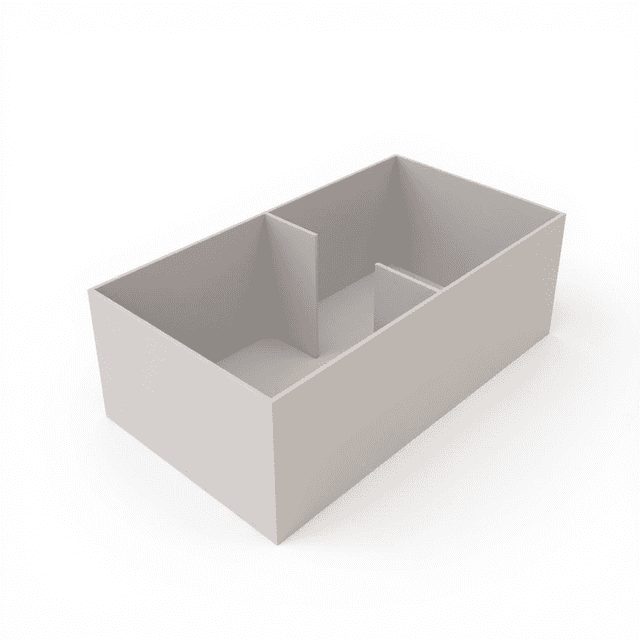

Morris Water Maze Pretraining Chamber
$690.00
Added to quoteView Quote