
1 / 3
Sleep Deprivation Chamber
SKU ME-5604
In Stock — ships now$4,990.00
IncludesStandard care
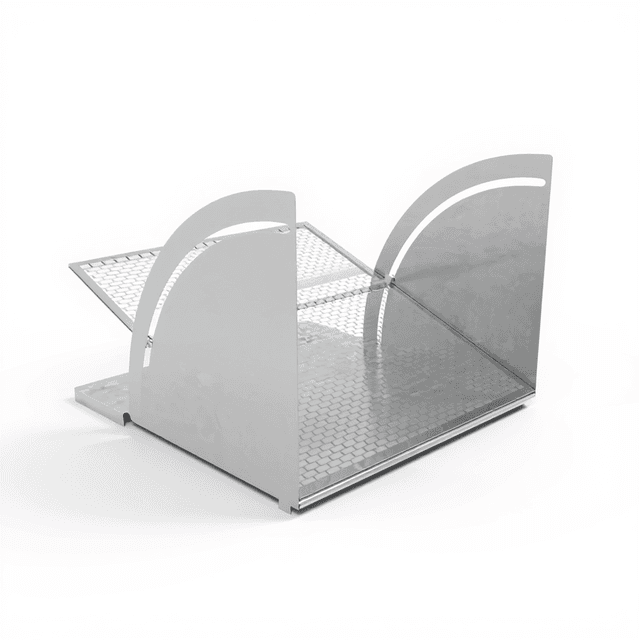
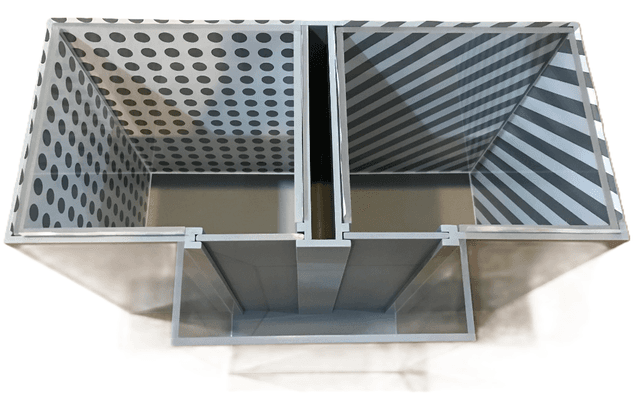
Motorized cylindrical chamber for controlled sleep deprivation studies in rodents, featuring programmable rotation schedules and integrated monitoring capabilities for sleep research applications.
Scientist guidance

Louise Corscadden, PhD
Director of Science · ConductScience
Ask Louise about Sleep Deprivation Chamber fit, setup, configuration, or quote prep.
Already working with us? Sign in to connect this with My Scientist.
Key Specifications
Full details →- Model fit
- Mouse, Rat
- SKU family
- ME-5603/5604
- Shipping box
- 43.2 x 38.0 x 27.9 cm
- Ordering
- Online checkout and quote request available
- Category
- Automated Mazes
- Build notes
- Plexiglass
The Sleep Deprivation Chamber is a precision behavioral apparatus designed for controlled sleep restriction studies in rodents. This cylindrical chamber employs motorized rotation to prevent sleep onset while allowing natural movement, feeding, and drinking behaviors. The system features programmable rotation schedules with customizable timing parameters, enabling researchers to implement various sleep deprivation protocols including total sleep deprivation, REM sleep restriction, and fragmented sleep paradigms.
The apparatus accommodates up to 10 mice or 3 rats simultaneously within a 15″ x 12″ chamber constructed of plexiglass for optimal visibility. Integrated food and water systems maintain physiological needs during extended protocols, while lid slots allow for simultaneous EEG monitoring, optogenetic stimulation, or other experimental interventions. The system operates with minimal acoustic interference (<30dB) and provides precise temporal control with 1-second accuracy for reproducible experimental conditions.
How It Works
The Sleep Deprivation Chamber operates on the principle of gentle locomotor activation to prevent sleep onset without inducing excessive stress. The motorized platform rotates at programmable speeds and patterns, requiring animals to maintain wakefulness and periodic movement to avoid contact with the chamber wall. This method preserves normal feeding, drinking, and grooming behaviors while effectively disrupting sleep architecture.
The rotation parameters can be customized for specific experimental requirements, with speeds ranging from 0-100 meters per minute and precision control to 0.01 m/min. The system supports multiple rotation modes including clockwise, counterclockwise, alternating, and random patterns to prevent habituation. Recommended operational speeds of 10-40 revolutions per minute provide effective sleep disruption while minimizing stress responses that could confound behavioral measurements.
Integrated food and water delivery systems ensure physiological maintenance during extended protocols up to 900 hours. The transparent plexiglass construction allows continuous visual monitoring while lid slots accommodate simultaneous physiological recordings such as EEG, EMG, or optogenetic interventions for comprehensive sleep-wake state analysis.
Features & Benefits
Programmable rotation control with 0.01 m/min precision
Enables precise manipulation of sleep pressure and habituation patterns for reproducible experimental conditions across studies.
Multiple rotation modes (clockwise, counterclockwise, alternate, random)
Prevents behavioral adaptation to predictable rotation patterns, maintaining consistent sleep disruption throughout extended protocols.
900-hour maximum session duration
Supports chronic sleep restriction paradigms and long-term studies of sleep debt accumulation without system limitations.
Integrated food and water delivery systems
Maintains physiological homeostasis during sleep deprivation, isolating sleep-specific effects from confounding nutritional factors.
Lid slots for cable and cannula access
Allows simultaneous physiological monitoring and experimental manipulations such as EEG recording or optogenetic stimulation during sleep deprivation.
5-inch HD LCD touchscreen control
Provides intuitive programming interface and real-time monitoring of experimental parameters without requiring external computer software.
Sub-30dB noise operation
Minimizes acoustic stress that could confound sleep and behavioral measurements in sensitive rodent studies.
USB data export capability
Enables integration with laboratory data management systems and automated analysis of rotation parameters and timing logs.
Add-ons and modifications
| Add-on | Size | Price |
|---|---|---|
| Sleep Deprivation Chamber | 15" x 12 "/ 38 cm x 30 cm (diameter x height) Dimensions can be customized upon request Fits up to 10 mice or 3 rats (average-sized) Lid slots allow for cables, cannulas for applications in optogenetics, EEG etc | $3,390 |
Add any of these to your quote request.
Total Session Time
- 900 hours
Motor Speed Range
- 0-100m/min
Motor Precision
- 0.01m/min
Noise Level
- <30dB
Screen Size
- 5 inch HD
Custom Breaks
- 0-240 seconds
Rotation Modes
- ['Clockwise', 'Counterclockwise', 'Alternate', 'Random']
Recommended Rotation Speed
- 10 to 40 revolutions per minute
Compatible Software
- ['Noldus EthoVision', 'AnyMaze']
Connectivity
- USB port
Enclosure Shape
- Cylindrical
Integrated Systems
- ['Food system', 'Water system']
Optional Features
- ['Lid slot for cannulas and cables', 'Camera mounts', 'Gantries']
Behavioral Construct
- Sleep-wake cycles
- Memory consolidation
- Circadian rhythms
- Stress response
- Cognitive performance
Automation Level
- semi-automated
Material
- Plexiglass
Accuracy
- 1 second
Display Type
- LCD
Research Domain
- Addiction Research
- Aging Research
- Anxiety and Depression
- Behavioral Pharmacology
- Learning and Memory
- Neuroscience
Compatible Tracking Software
- ConductVision
Shipping weight
- 21.0 lb
Shipping box
- L: 43.2 cm
- W: 38.0 cm
- H: 27.9 cm
| Feature | This Product | Typical Alternative | Advantage |
|---|---|---|---|
| Chamber Capacity | Up to 10 mice or 3 rats simultaneously | Many systems accommodate fewer animals or require individual housing | Enables efficient group studies and reduces between-subject variability in sleep deprivation protocols. |
| Rotation Control Precision | 0.01 m/min precision with multiple directional modes | Basic systems often lack precise speed control or directional options | Allows fine-tuning of sleep pressure and prevents habituation through varied rotation patterns. |
| Session Duration Capacity | 900-hour maximum duration | Limited operation time in basic models | Supports chronic sleep restriction studies and long-term investigations of sleep debt effects. |
| Integrated Life Support | Built-in food and water delivery systems | Many systems require external feeding arrangements | Maintains physiological homeostasis while isolating sleep-specific experimental variables. |
| Monitoring Integration | Lid slots for EEG, optogenetics, and other interventions | Enables simultaneous physiological monitoring and experimental manipulations during sleep deprivation protocols. | |
| Noise Level | Sub-30dB operation | Higher noise levels in some motorized systems | Minimizes acoustic stress that could confound sleep and behavioral measurements in sensitive studies. |
This system offers precise programmable control, integrated life support, and low-noise operation for standardized sleep deprivation studies. The high-capacity design and comprehensive monitoring integration support both acute and chronic sleep research protocols with minimal experimental confounds.
| Model | SKU | Listed price | Status | Shipping box |
|---|---|---|---|---|
| Rat | ME-5604 | $4,990.00 | Available | 50.8 x 50.8 x 68.58 cm |
| Mouse | ME-5603 | $4,990.00 | Available | 50.8 x 50.8 x 68.58 cm |
Neuroscience
Investigating the role of sleep in memory consolidation by applying controlled sleep deprivation during learning tasks and measuring subsequent memory performance.
Behavioral Pharmacology
Evaluating the efficacy of sleep-promoting compounds by measuring their ability to counteract rotation-induced sleep disruption in dose-response studies.
Learning and Memory
Examining sleep-dependent memory processes by selectively depriving animals of sleep during critical consolidation periods following spatial or recognition learning tasks.
Anxiety and Depression
Modeling chronic sleep disruption as a stressor to study its effects on anxiety-like behaviors and depressive phenotypes in rodent models.
Aging Research
Comparing sleep fragmentation tolerance between young and aged rodents to understand age-related changes in sleep homeostasis and cognitive resilience.
Addiction Research
Examining how sleep deprivation influences drug-seeking behaviors and relapse vulnerability in models of substance use disorders.
Practical Tips
Calibration
Verify rotation speed accuracy weekly using the motor precision display and compare against external timing references.
Why: Maintains experimental reproducibility and ensures consistent sleep deprivation pressure across study periods.
Maintenance
Clean food and water delivery systems between animal groups and inspect for blockages that could compromise nutrition access.
Why: Prevents confounding nutritional factors and maintains animal welfare during extended sleep deprivation protocols.
Best Practices
Program alternating rotation directions and variable break periods to prevent behavioral adaptation to predictable patterns.
Why: Maintains consistent sleep disruption effectiveness throughout long-term protocols and reduces habituation effects.
Best Practices
Acclimate animals to the chamber environment for 1-2 hours before initiating sleep deprivation protocols.
Why: Reduces novelty stress and allows baseline behavior establishment for more accurate interpretation of sleep-specific effects.
Data Quality
Synchronize chamber timing with external recording equipment using the 1-second precision display as a reference.
Why: Ensures accurate temporal alignment of behavioral and physiological data for precise analysis of sleep-dependent processes.
Troubleshooting
Monitor rotation smoothness and inspect for mechanical resistance that could increase noise levels or motor wear.
Why: Prevents acoustic stress artifacts and maintains the sub-30dB noise specification critical for sensitive behavioral measurements.
Safety
Position emergency stop controls within easy reach and establish protocols for immediate protocol termination if animal distress is observed.
Why: Ensures rapid intervention capability to maintain animal welfare standards during extended sleep deprivation studies.
Setup Guide
Unpack and Inspect
Remove the chamber components and inspect the plexiglass cylinder, motorized base, and control unit for shipping damage. Verify all cables and accessories are included.
Assemble Chamber
Mount the cylindrical chamber onto the motorized platform and secure the lid with appropriate slots for your experimental setup. Ensure smooth rotation without obstruction.
Connect Control System
Connect the motor unit to the control display and establish USB connectivity if data export is required. Power on the system and verify the LCD display functions.
Install Food and Water Systems
Position the integrated feeding and watering systems within the chamber, ensuring animals can access them during rotation. Test accessibility at operational speeds.
Configure Rotation Parameters
Use the 5-inch LCD touchscreen to program rotation speed, direction, duration, and break periods according to your experimental protocol. Save configurations to device memory.
Test Run
Execute a brief test protocol without animals to verify motor function, noise levels, and programmed rotation patterns. Confirm the system operates within the <30dB noise specification.
Calibrate Timing
Verify timing accuracy using the 1-second precision display and synchronize with any external recording equipment for precise temporal coordination of experimental events.
Position Monitoring Equipment
If using EEG, optogenetic, or video tracking systems, route cables through lid slots and position cameras or other monitoring devices for optimal data collection during rotation.
What’s in the Box
- Sleep deprivation chamber (plexiglass cylinder)
- Motorized rotation base
- 5-inch HD LCD control unit
- Food and water delivery systems
- Chamber lid with cable slots
- USB cable for data export
- Power adapter and cables
- User manual and protocol guide
- Calibration certificate (typical)
Warranty
ConductScience provides a standard 1-year manufacturer warranty covering defects in materials and workmanship, with technical support for setup optimization and protocol development.
Compliance
IACUC Protocol RequirementsCommonly used in research protocols requiring approval for controlled sleep manipulation studies, with integrated features supporting animal welfare monitoring.
AAALAC Guidelines for Rodent HousingSupports research environments requiring specialized housing conditions for behavioral studies while maintaining animal care standards.
Good Laboratory Practice (GLP)Used in regulated research environments requiring documented protocols and data traceability for sleep research studies.
Q
What rotation speeds are recommended for effective sleep deprivation without excessive stress?
A
The recommended range is 10-40 revolutions per minute. This provides sufficient locomotor activation to prevent sleep while allowing normal feeding, drinking, and grooming behaviors. Lower speeds may permit microsleep episodes, while higher speeds can induce stress responses that confound behavioral measurements.
Q
Can the system simultaneously accommodate EEG monitoring for sleep stage verification?
A
Yes, the chamber lid includes slots specifically designed for EEG cables and cannulas. The low-noise motor operation (<30dB) minimizes electrical interference, and the rotation speed can be synchronized with recording systems for artifact identification during analysis.
Q
How does the system maintain animal welfare during extended protocols?
A
Integrated food and water systems ensure continuous access to nutrition and hydration. The gentle rotation method preserves natural behaviors while preventing sleep, and the transparent construction allows constant visual monitoring. Break periods of 0-240 seconds can be programmed to provide rest intervals as needed.
Q
What data outputs are available for protocol documentation?
A
The system logs rotation parameters, timing events, break periods, and total session duration with 1-second precision. Data can be exported via USB port for integration with laboratory information management systems or statistical analysis software.
Q
How does this approach compare to other sleep deprivation methods?
A
The rotation method produces more consistent sleep restriction compared to manual gentle handling, while being less stressful than water platform techniques. The programmable parameters allow standardization across laboratories and reproducible manipulation of sleep debt accumulation.
Q
What maintenance is required for continuous operation?
A
Regular cleaning of the plexiglass chamber, inspection of food and water delivery systems, and periodic calibration of rotation speeds. The motor unit is designed for continuous operation up to 900 hours with minimal maintenance requirements.
Q
Can multiple chambers be synchronized for large-scale studies?
A
Individual chambers can be programmed with identical parameters using the saved configuration feature. While direct synchronization between units is not specified, the 1-second timing precision allows for coordinated protocol initiation across multiple chambers.
Q
What video tracking systems are compatible for behavioral analysis?
A
The system is compatible with Noldus EthoVision, AnyMaze, and ConductVision software platforms. The transparent construction and controlled lighting conditions optimize video tracking accuracy during rotation protocols.
Have a question about this product?
Track rodents with ConductVision
ConductVision is our video-tracking software. Record your sessions on video, and it scores standard rodent tests, such as those listed below.
Examples of tests it scores
To check whether ConductVision scores your protocol in this apparatus, ask in your quote request.
Ask a question
Have a question? Just ask.
Send it over and we'll email you a personalized answer — no call, no scheduling.
Personalized email reply
Usually within one business day
Helpful answers published here
Prefer to talk it through?
Use this apparatus with
The complete Sleep Deprivation Chamber workflow
Track behavior
No exact ConductVision sleep-deprivation-chamber page is currently published. The chamber is study-enabling infrastructure rather than a tracked task, and sleep loss is verified by EEG and behavioral observation rather than overhead tracking; keep this as a roadmap gap.
Supporting page not yet builtRun protocol
No exact ConductMaze sleep-deprivation-chamber protocol is currently published. Deprivation dosing, EEG verification, and rebound-recording routines are apparatus-specific and method-dependent; keep this as a roadmap gap.
Supporting page not yet builtAnalyze output
No exact sleep-deprivation analysis tool is currently published. Total sleep loss, rebound, and corticosterone are summarized from EEG scoring and assays rather than a dedicated analyzer; keep this as a roadmap gap.
Supporting page not yet builtConfiguration considerations
Common Sleep Deprivation Chamber setup decisions
Use these notes to scope species, cohort, tracking, and automation needs. Only verified product or support routes are linked from this section.
This productGentle-handling
Sleep Deprivation Chamber
Enclosed cage station with monitoring access for gentle-handling deprivation and continuous observation
Standard configuration for controlled sleep deprivation, reporting total sleep loss and EEG-confirmed wake as the deprivation dose while minimizing the forced-locomotion stress of platform methods.
Quote
Request QuoteBuyableEEG-ready
EEG-Integrated Chamber
Tethered or telemetry-compatible station with feed-throughs for EEG and EMG recording
EEG and EMG access lets the chamber verify wakefulness directly, which matters because behavioral deprivation must be confirmed rather than assumed.
Quote
View options ->SpecialtyPlatform / disk
Platform or Disk-Over-Water Chamber
Single or multiple-platform-over-water configuration for paradoxical sleep deprivation
Best when the question specifically requires selective REM deprivation, with the caveat that platform methods add forced-locomotion and immersion stress that must be reported.
Quote
Request automation help§ 1
Introduction
The Sleep Deprivation Chamber is study-enabling infrastructure that keeps rodents awake for a controlled interval so the consequences of sleep loss can be measured against rested controls. Experimental sleep deprivation is a standard tool for probing memory and physiology, and its value depends on how cleanly the deprivation dose is delivered and verified. 1
The core readouts are the deprivation dose and the homeostatic response to it: total sleep lost, EEG-confirmed wake time, and the sleep rebound that follows. Because different methods deliver very different amounts of actual sleep loss, quantifying and verifying the dose is what separates a controlled manipulation from an uncontrolled one. 1
Method stress, forced locomotion, food and water access, circadian timing, and individual-housing stress all change physiology independent of sleep loss itself. A defensible protocol verifies wakefulness with EEG where possible, reports body-weight change and corticosterone as welfare and stress controls, and fixes the time of day so the deprivation dose is not confounded by the circadian phase. 1
§ 2
Methods
2.1 Procedure
Controlled deprivation with EEG verification, rebound recording, and stress and welfare quality control.
Pre-test setup
- 1.Baseline sleep recording: Record baseline sleep architecture with EEG and EMG so the deprivation dose and subsequent rebound are expressed against each animal's own rested baseline.
- 2.Select the method: Choose gentle handling, platform-over-water, or another method in advance, because each delivers a different deprivation dose and a different stress profile.
- 3.Fix circadian timing: Set the start time and duration relative to the light-dark cycle, since the same number of hours awake means different things at different circadian phases.
- 4.Define welfare controls: Pre-specify body-weight, food and water access, and corticosterone sampling so stress and welfare are documented rather than inferred.
Trial sequence
- 1.Begin deprivation: Start the deprivation procedure at the planned circadian time and maintain it for the fixed interval using the selected method.
- 2.Verify wakefulness: Confirm wake with continuous EEG and EMG where available, rather than assuming the method kept the animal awake.2
- 3.Quantify sleep loss: Score the EEG to quantify total sleep lost relative to baseline, since the actual loss differs from the nominal deprivation window.2
- 4.Record rebound: Allow recovery and record the homeostatic sleep rebound, the increase in sleep amount and intensity that follows deprivation.4
- 5.Sample stress markers: Collect corticosterone and body-weight measures at the planned times to separate stress effects from sleep-loss effects.5
Critical methodological constraints
- Method stress. Platform-over-water and similar methods add immersion and forced-locomotion stress on top of sleep loss. Report the method and its stress markers, and prefer gentle handling where the question allows.5
- Wake verification. Behavioral deprivation must be confirmed, not assumed. Without EEG verification, the actual deprivation dose is unknown.2
- Circadian timing. The same hours awake produce different effects at different circadian phases. Fix the start time relative to the light-dark cycle across groups.
- Stress confound. Corticosterone rises with the deprivation method itself. Sample it as a control so stress effects are not misread as sleep-loss effects.5
2.2 Measurement & Analysis
Core sleep-deprivation endpoints for deprivation dose, homeostatic response, and stress and welfare control.
Total Sleep Loss
Deprivation dose
EEG-scored sleep lost relative to baseline, the primary measure of how much deprivation was actually delivered.2
EEG-Confirmed Wake
Verification
Wake time confirmed by EEG and EMG, distinguishing genuine wakefulness from quiet rest the behavioral method failed to interrupt.2
Sleep Rebound
Homeostatic response
The increase in sleep amount and slow-wave intensity during recovery, indexing the homeostatic pressure built up by the deprivation.4
Body-Weight Change
Welfare QC
Change in body weight across the deprivation interval, monitored as a welfare and stress indicator independent of sleep loss.
Corticosterone
Stress confound
Plasma corticosterone, sampled to separate the stress imposed by the deprivation method from the effects of sleep loss itself.5
+ Additional metrics: REM versus NREM loss, food and water intake, locomotor activity, slow-wave activity, recovery duration, and per-animal EEG notes.
2.3 enforced-wake fraction (analysis)
A compact fraction of the deprivation window during which wakefulness was actually enforced.
2.4 sample-size planning
Estimate the N per group needed to detect a literature-anchored sleep-loss effect at the endpoint you plan to report. Override the defaults with your own pilot numbers.
§ 3
Results
PubMed publication counts, sample apparatus output, and recent papers from a dated PubMed snapshot.
3.1 Publication trends
PubMed volume and co-occurring behavioral methods for rodent sleep-deprivation studies.
3.2 Sample apparatus output
Representative output from a 6-hour gentle-handling deprivation with EEG verification and recovery recording.
3.3 Recent findings (PubMed)
- Sep 2026PMID: 42409519
WIPButyrate produced by the Lycium ruthenicum polysaccharide alleviated sleep deprivation-induced chronic fatigue syndrome in mice through promoting microglial autophagy.
Wang X, Zhang Y, Wang H, et al.. Food Res Int. 2026 Sep 30.
This study explored whether Lycium ruthenicum polysaccharide (LRP) influences gut microbiota-derived short-chain fatty acids (SCFAs) and neuroinflammatory responses in a sleep deprivation-induced CFS-like mouse model.
- Sep 2026PMID: 42782559
Ubiquitin-conjugating Enzyme E2M Destabilizes Heat Shock Protein 70 and Mediates Sleep Deprivation-Induced Cognitive Impairment in Mice.
Zhong X, Lin J, Zhu G, et al.. Neurochem Res. 2026 Sep 24.
Sleep deprivation (SD) contributes to cognitive impairment.
- Sep 2026PMID: 42785218
Sleep deprivation as a multi-system physiological stressor: A review of shared mechanisms and clinical implications.
Ghanem FK, Attarian H, Kabrita CS. Sleep Med. 2026 Sep 23.
Insufficient and disrupted sleep are increasingly recognized as systemic, not narrowly neurological, stressors.
- 2026PMID: 42781091
Targeting the Medial Prefrontal Cortex with Transcranial Focused Ultrasound Alleviates Adolescent Sleep-Deprivation-Induced Persistent Postsurgical Pain in Adulthood.
Yang J, Bo H, Lv P, et al.. Research (Wash D C). 2026.
Adolescent sleep deprivation (SD) increases latent vulnerability to pain, a major risk factor for persistent postsurgical pain (PPSP) in adulthood, yet the underlying mechanisms remain unclear.
- Sep 2026PMID: 42637562
Homeostatic Coupling of Cortical and Brainstem Delta Rhythms in Sleeping Infant Rats.
Ahmad M, Sokoloff G, Blumberg MS. J Neurosci. 2026 Sep 23.
The emergence of the cortical delta rhythm (1-4 Hz) during quiet sleep (QS) is a major milestone in brain development. In rats, this milestone is achieved between 8 and 12 d of postnatal (P) age.
- Sep 2026PMID: 42758475
Standardized wild green oat extract (Avena sativa L.) attenuates sleep deprivation-induced dry eye via restoration of lacrimal cAMP/AQP5-dependent aqueous secretion and meibomian PPAR-γ/FASN-mediated lipid synthesis.
Chang YT, Lu L, Wang PH, et al.. Food Funct. 2026 Sep 18.
Chronic sleep deprivation (SD) is an increasing risk factor for dry eye disease (DED); however, effective nutritional interventions remain limited.
§ 4
Discussion
Limitations of the paradigm, methodological caveats, and current directions.
4.1 Common confounds
Variables that can shift Sleep Deprivation Chamber results apart from the effect under study.
Method stress
Platform-over-water methods add immersion and forced-locomotion stress, while gentle handling minimizes it. The method itself, not only the sleep loss, shapes the outcome.
Forced locomotion
Methods that keep animals moving impose physical activity that affects metabolism and stress independent of wakefulness. Report the activity demand of the method.
Food and water access
Some deprivation setups restrict access to food and water. Pre-specify and document access so nutritional and hydration effects are not read as sleep-loss effects.
Circadian timing
The same hours awake produce different effects depending on circadian phase. Fix the start time relative to the light-dark cycle across all groups.
Individual-housing stress
Deprivation often requires single housing, which is itself a stressor. Match housing across deprived and control groups so isolation does not confound the comparison.
Preview exported markdown
## Sleep Deprivation Chamber — methods controls

Confounds controlled in this protocol:

- **Method stress.** Platform-over-water methods add immersion and forced-locomotion stress, while gentle handling minimizes it. The method itself, not only the sleep loss, shapes the outcome.
- **Forced locomotion.** Methods that keep animals moving impose physical activity that affects metabolism and stress independent of wakefulness. Report the activity demand of the method.
- **Food and water access.** Some deprivation setups restrict access to food and water. Pre-specify and document access so nutritional and hydration effects are not read as sleep-loss effects.
- **Circadian timing.** The same hours awake produce different effects depending on circadian phase. Fix the start time relative to the light-dark cycle across all groups.
- **Individual-housing stress.** Deprivation often requires single housing, which is itself a stressor. Match housing across deprived and control groups so isolation does not confound the comparison.
4.2 Construct validity caveats
Sleep deprivation is interpretable only when the deprivation dose is verified and the method's stress is controlled. Confirm wakefulness with EEG, quantify total sleep lost rather than assuming the nominal window, and report corticosterone, body weight, and housing so downstream effects can be attributed to sleep loss rather than to the method. 1
4.3 Special considerations
When should I use gentle handling instead of platform methods?
Use gentle handling when the question is the effect of sleep loss per se and added stress would confound it. Reserve platform-over-water methods for cases that specifically require selective REM deprivation, and report the extra stress they impose.
Do I need EEG to verify deprivation?
EEG and EMG are the standard way to confirm wakefulness and quantify actual sleep loss. Without them the delivered deprivation dose is unknown, so EEG verification is strongly preferred whenever feasible.
Why measure corticosterone?
Corticosterone rises with the deprivation method itself, so sampling it separates the stress component from the sleep-loss component. Without it, a stress effect can be misattributed to loss of sleep.
4.4 Current directions
Quarterly editorial review of emerging Sleep Deprivation Chamber methodology. Q2 2026
Methods
EEG-verified dosing
Reporting EEG-confirmed wake and quantified total sleep loss rather than nominal deprivation windows makes the delivered dose comparable across studies.
Emerging
Gentle-handling automation
Automated gentle-handling stimuli reduce experimenter burden and the added stress of platform methods while keeping the deprivation dose controlled.
Methods
Stress-marker reporting
Reporting corticosterone and body weight alongside sleep loss is increasingly expected so method stress is not conflated with the effects of sleep deprivation.
Emerging
Telemetry-based recording
Wireless EEG and EMG telemetry lets verification and rebound recording continue without tethering, reducing handling artifacts during long deprivation intervals.
§ 5
References
5 selected methods and validation references for Sleep Deprivation Chamber.
- Colavito V, Fabene PF, Grassi-Zucconi G, et al. Experimental sleep deprivation as a tool to test memory deficits in rodents. Front Syst Neurosci. 2013;7:106. doi:10.3389/fnsys.2013.00106
- Machado RB, Hipolide DC, Benedito-Silva AA, Tufik S. Sleep deprivation induced by the modified multiple platform technique: quantification of sleep loss and recovery. Brain Res. 2004;1004(1-2):45-51. doi:10.1016/j.brainres.2004.01.019
- Rechtschaffen A, Bergmann BM. Sleep deprivation in the rat: an update of the 1989 paper. Sleep. 2002;25(1):18-24. doi:10.1093/sleep/25.1.18
- Meerlo P, Sgoifo A, Suchecki D. Restricted and disrupted sleep: effects on autonomic function, neuroendocrine stress systems and stress responsivity. Sleep Med Rev. 2008;12(3):197-210. doi:10.1016/j.smrv.2007.07.007
- Suchecki D, Lobo LL, Hipolide DC, Tufik S. Increased ACTH and corticosterone secretion induced by different methods of paradoxical sleep deprivation. J Sleep Res. 1998;7(4):276-281. doi:10.1046/j.1365-2869.1998.00122.x

Sleep Deprivation Chamber
$4,990.00
Added to quoteView Quote