
1 / 4
Geotaxis Test
SKU CS-958430
$1,990.00
IncludesStandard care
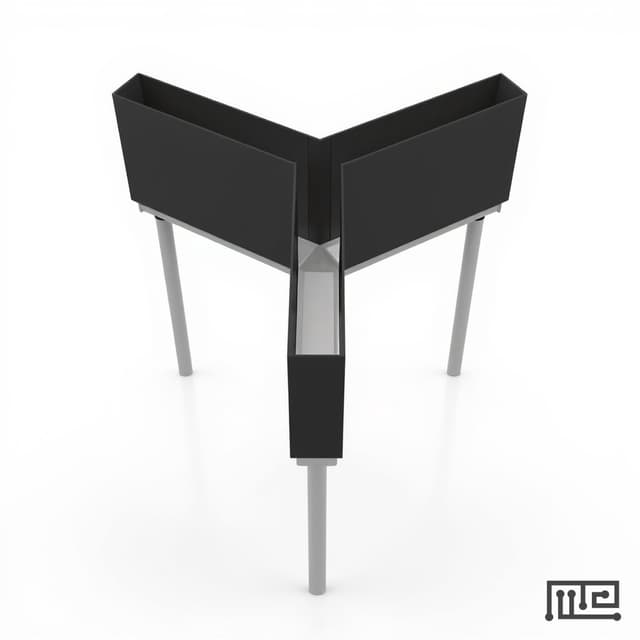
Adjustable inclined platform system for assessing motor coordination and vestibular function through negative geotaxis testing in rodents.
CE MarkedBAA available
Scientist guidance

Louise Corscadden, PhD
Director of Science · ConductScience
Ask Louise about Geotaxis Test fit, setup, configuration, or quote prep.
Already working with us? Sign in to connect this with My Scientist.
Key Specifications
Full details →- Model fit
- 3 selectable configurations
- SKU family
- CS-958430
- Sizing
- Mouse Metal: Platform Dimensions: 35cm x 35cm; Grid for easy grip approx 1cm x 1cm; Rat metal: Platform Dimensions: 50cm x 50cm; Grid for easy grip approx 1cm x 1cm
- Ordering
- Online checkout and quote request available
- Category
- Behavioral Mazes
- Build notes
- Metal, Mouse, Rat
The geotaxis test apparatus is designed to assess motor coordination and vestibular function in rodents through controlled evaluation of their ability to reorient against gravity. This behavioral assay places animals head-downward on an inclined grid platform, challenging their natural tendency to turn upright (negative geotaxis). The adjustable angle system allows researchers to systematically vary task difficulty, with steeper inclinations presenting greater reorientation challenges.
Available in mouse and rat configurations with metal construction, the apparatus features precise 5-degree angular increments from 5 to 45 degrees. The textured grip surface with 1cm horizontal etchings provides consistent footing across trials. Standard scoring protocols evaluate three response categories within a 60-second observation period: successful upward reorientation, failure to attempt turning, and attempted but incomplete reorientation.
How It Works
The geotaxis test exploits the natural negative geotactic response in rodents - their innate tendency to orient themselves upward when placed in a head-down position on an inclined surface. This response requires integration of vestibular, proprioceptive, and visual inputs to detect spatial orientation relative to gravity, followed by coordinated motor responses to achieve reorientation.
When placed head-downward on the inclined grid, animals must overcome gravitational forces while maintaining grip on the textured surface. The vestibular system detects head position relative to gravity through otolith organ function, while proprioceptors provide feedback about limb position and muscle tension. Successful reorientation requires intact cerebellar circuitry to coordinate these sensory inputs with appropriate motor commands.
The variable angle design allows systematic manipulation of task difficulty. Steeper angles increase the gravitational challenge and require greater muscle strength and coordination, while shallower angles permit easier reorientation. This graded approach enables detection of subtle motor deficits and quantification of impairment severity across different experimental conditions.
Features & Benefits
Adjustable angle system with 5-degree increments (5° to 45°)
Enables systematic difficulty scaling and detection of subtle motor coordination deficits across a range of gravitational challenges.
Textured grip surface with 1cm horizontal etchings
Provides consistent traction across trials while preventing slipping that could confound motor coordination assessment.
Species-specific sizing (35cm mouse, 50cm rat platforms)
Optimizes platform dimensions for natural movement patterns and appropriate scaling for different rodent sizes.
Durable metal construction
Provides long-lasting durability for repeated experimental use with easy cleaning and maintenance.
Standardized 60-second observation period
Provides consistent timing framework for reliable behavioral scoring and cross-study comparisons.
Three-category scoring system
Captures nuanced behavioral responses including successful reorientation, failure, and partial attempts for comprehensive assessment.
Non-reflective grey surface finish
Minimizes visual distractions and glare that could influence animal behavior during testing.
Precision notch positioning system
Ensures reproducible angle settings and secure platform positioning for consistent experimental conditions.
Sizes by model
| Measurement | Mouse Metal | Rat metal |
|---|---|---|
| Size | Platform Dimensions: 35cm x 35cm; Grid for easy grip approx 1cm x 1cm | Platform Dimensions: 50cm x 50cm; Grid for easy grip approx 1cm x 1cm |
- Stainless Steel Material
- Slope range 0º to 90º, continuous increments with a lock provided
- Grid for easy grip approx 1cm x 1cm
- Mouse Metal: Platform Dimensions: 35cm x 35cm
- Rat metal: Platform Dimensions: 50cm x 50cm
Shipping weight
- 6.06 lb
Shipping box
- L: 65.0 cm
- W: 36.0 cm
- H: 27.0 cm
| Feature | This Product | Typical Alternative | Advantage |
|---|---|---|---|
| Angle Adjustment Range | 9 precise positions from 5° to 45° in 5-degree increments | Many systems offer only 2-3 fixed angles or require manual angle measurement | Systematic difficulty scaling enables detection of subtle deficits and dose-response assessment in pharmacological studies. |
| Platform Surface Design | 1cm horizontal etchings on 75% of platform width for consistent grip | Smooth surfaces or wire mesh grids with variable grip characteristics | Standardized traction prevents grip-related confounds while maintaining natural movement patterns. |
| Species-Specific Sizing | Dedicated 35cm mouse and 50cm rat platform configurations | Single-size platforms requiring animal size accommodation | Optimized dimensions ensure appropriate movement space and natural behavioral responses for each species. |
| Construction Materials | Metal construction with non-reflective grey finish | Limited material options or reflective surfaces | Durable metal build supports easy cleaning while minimizing visual confounds. |
| Scoring Framework | Standardized 60-second trials with three-category response classification | Variable timing protocols or binary pass/fail scoring | Captures nuanced behavioral responses and provides consistent methodology for cross-study comparisons. |
| Platform Stability System | Precision notch positioning with secure angle locking | Adjustment mechanisms that may shift during testing | Maintains consistent experimental conditions and prevents angle drift during animal movement. |
This geotaxis apparatus provides systematic angle control, species-optimized sizing, and standardized scoring protocols for reliable vestibular-motor assessment. The precision adjustment system and consistent grip surface design support reproducible experimental conditions across different research applications.
| Model | Size | SKU | Listed price | Status | Shipping box |
|---|---|---|---|---|---|
| Mouse Metal | Platform Dimensions: 35cm x 35cm; Grid for easy grip approx 1cm x 1cm | CS-958430 | $1,690.00 | Available | 65.0 x 36.0 x 27.0 cm |
| Rat metal | Platform Dimensions: 50cm x 50cm; Grid for easy grip approx 1cm x 1cm | CS-958430 | $1,990.00 | Available | 65.0 x 36.0 x 27.0 cm |
Neuroscience
Evaluating cerebellar function and motor coordination deficits in disease models or following pharmacological interventions.
Behavioral Pharmacology
Screening compounds for effects on vestibular function and postural reflexes in drug development studies.
Neurodegeneration
Monitoring progressive motor coordination decline in models of Parkinson's disease, Huntington's disease, and cerebellar ataxias.
Developmental Biology
Assessing neurodevelopmental milestones and motor maturation in juvenile animals across different ages.
Toxicology
Detecting vestibular and motor coordination impairments following exposure to ototoxic or neurotoxic compounds.
Aging Research
Quantifying age-related decline in balance, proprioception, and motor coordination capabilities.
Practical Tips
Calibration
Verify angle accuracy using a digital inclinometer periodically, especially after frequent adjustments or transport.
Why: Ensures precise angle presentation for reproducible experimental conditions and reliable cross-study comparisons.
Maintenance
Inspect grip etchings regularly for wear or debris accumulation that could affect animal traction.
Why: Maintains consistent surface texture critical for standardized motor coordination assessment.
Best Practices
Allow animals 2-3 minutes between trials and conduct testing at consistent times of day to control for circadian effects.
Why: Prevents fatigue-related performance decrements and minimizes activity-related confounding variables.
Troubleshooting
If animals consistently fail at shallow angles, check for grip surface contamination or consider underlying health issues.
Why: Distinguishes between apparatus-related problems and genuine motor coordination deficits in test subjects.
Data Quality
Record turning direction and any asymmetric movement patterns in addition to standard success/failure scoring.
Why: Provides additional information about unilateral vestibular dysfunction and movement strategy differences.
Safety
Position the apparatus on a stable, vibration-free surface away from sudden movements or loud noises during testing.
Why: Prevents external stimuli from interfering with vestibular responses and ensures consistent testing environment.
Best Practices
Counterbalance angle presentation order across animals to control for potential learning or adaptation effects.
Why: Eliminates systematic bias from progressive angle testing and improves experimental design validity.
Maintenance
Store platforms flat and avoid stacking heavy objects on grip surfaces to preserve etching integrity.
Why: Maintains consistent surface texture and prevents damage to the standardized grip pattern.
Setup Guide
Unpack and Inspect
Remove apparatus components and verify all platform sections, support structures, and angle adjustment mechanisms are present and undamaged.
Assemble Platform System
Connect the floor, wall, and angled platform sections according to the notch alignment system, ensuring secure positioning at desired angle.
Set Initial Testing Angle
Position the angled platform at your starting test angle using the pre-marked 5-degree increment notches (commonly 30-45° for initial screening).
Verify Surface Grip
Confirm the horizontal etched grip lines are clean and provide adequate traction for animal footing during testing.
Position Recording Equipment
Set up video recording system to capture the full platform area for behavioral scoring and timing analysis.
Calibrate Timing System
Prepare stopwatch or automated timing system for precise 60-second trial duration measurement.
Conduct Practice Trial
Perform initial test run with experienced animal to verify platform stability and optimal camera positioning.
What’s in the Box
- Angled platform section with grip etchings
- Floor platform section
- Wall support section
- Angle adjustment notch system
- Assembly instructions
- Behavioral scoring guidelines (typical)
- Platform cleaning protocols (typical)
Warranty
ConductScience provides a standard 1-year manufacturer warranty covering defects in materials and workmanship, along with technical support for setup and operation questions.
Compliance
ARRIVE GuidelinesSupports standardized reporting of animal behavior experiments through consistent methodology and quantitative scoring metrics.
IACUC Protocol StandardsCommonly used in animal care committee-approved protocols for motor function and vestibular assessment studies.
Good Laboratory Practice (GLP)Supports regulatory toxicology studies requiring standardized motor coordination and vestibular function endpoints.
Q
What angle range is most appropriate for initial motor coordination screening?
A
Begin screening at 30-45° angles, which provide sufficient challenge to detect obvious coordination deficits while allowing successful animals to complete the task. Use shallower angles (15-25°) for severely impaired animals or steeper angles (45°) for more sensitive detection of subtle deficits.
Q
How do I distinguish between vestibular dysfunction and general motor weakness?
A
Combine geotaxis testing with complementary assays such as rotarod performance and open field activity. Pure vestibular deficits typically show specific orientation difficulties while maintaining general locomotor ability, whereas motor weakness affects multiple movement parameters.
Q
What environmental factors should I control during testing?
A
Maintain consistent lighting conditions, minimize external vibrations or sounds that could affect vestibular responses, and ensure room temperature stability. The non-reflective surface helps reduce visual confounds, but ambient light levels should remain constant across sessions.
Q
How many trials should I conduct per animal per session?
A
Typically 3-5 trials per animal with 2-3 minute inter-trial intervals to prevent fatigue. Consider counterbalancing angle presentation order and allowing habituation trials for naive animals before data collection begins.
Q
Can this test detect unilateral vestibular lesions?
A
Yes, animals with unilateral vestibular damage often show asymmetric turning patterns or preferential rotation direction. Record turning direction and any circling behavior in addition to standard success/failure scoring for more detailed analysis.
Q
What cleaning protocols are recommended between animals?
A
Clean grip surfaces with 70% ethanol and allow complete drying to maintain consistent traction. For infectious disease studies, consult product datasheet for material-specific disinfection protocols that won't damage the etched grip pattern.
Q
How does this compare to other motor coordination tests?
A
Geotaxis testing specifically evaluates vestibular-motor integration and spatial orientation, complementing but not replacing tests like rotarod (motor learning/fatigue) or beam walking (fine motor control). Each assay provides distinct information about different aspects of motor function.
Have a question about this product?
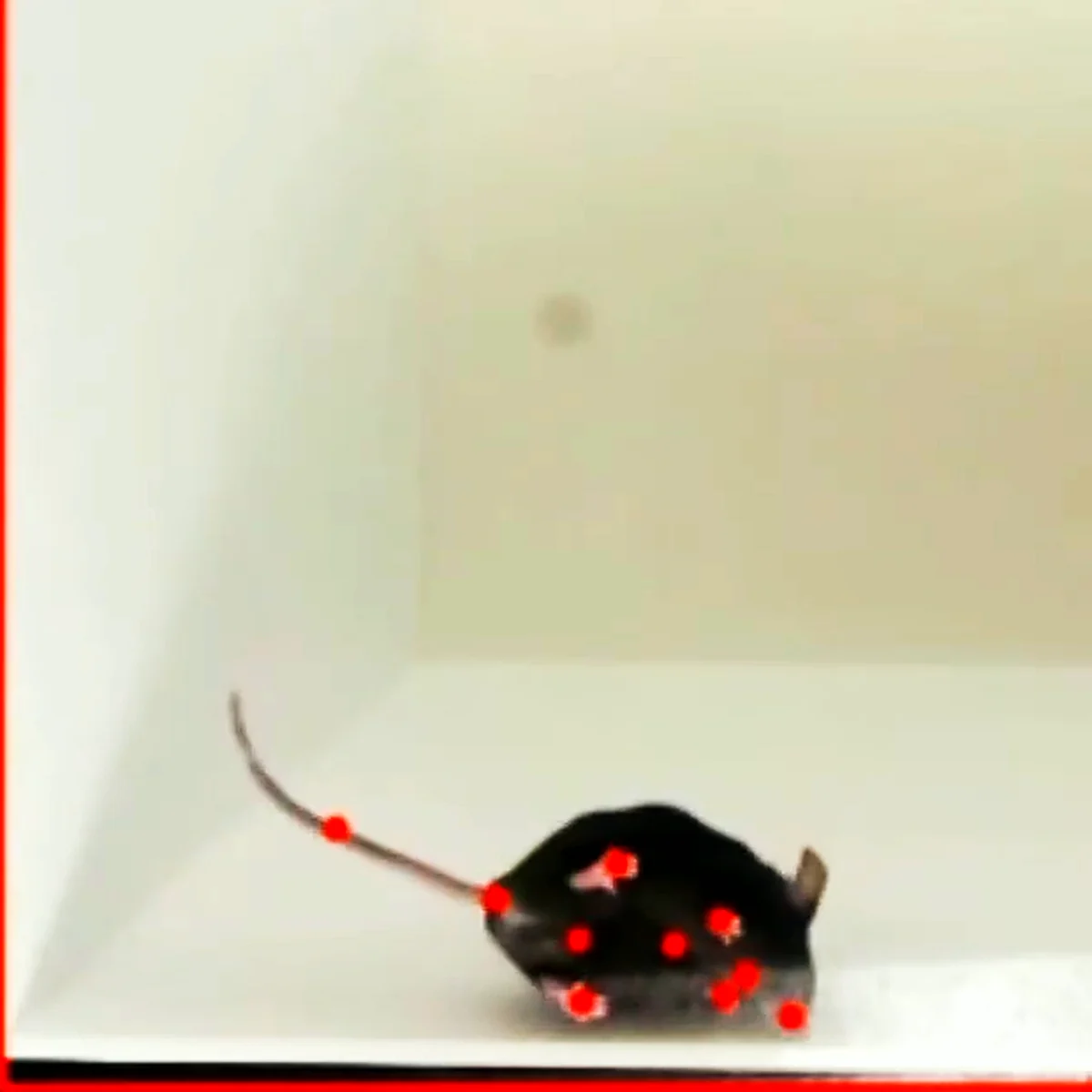
Track rodents with ConductVision
ConductVision is our video-tracking software. Record your sessions on video, and it scores standard rodent tests, such as those listed below.
Examples of tests it scores
To check whether ConductVision scores your protocol in this apparatus, ask in your quote request.
Ask a question
Have a question? Just ask.
Send it over and we'll email you a personalized answer — no call, no scheduling.
Personalized email reply
Usually within one business day
Helpful answers published here
Prefer to talk it through?
Accessories
Enhance your setup with compatible accessories
Total: $0.00
Frequently Bought Together

Total: $1,830.00
Upgrade Options

Geotaxis Test
$1,990.00
Added to quoteView Quote