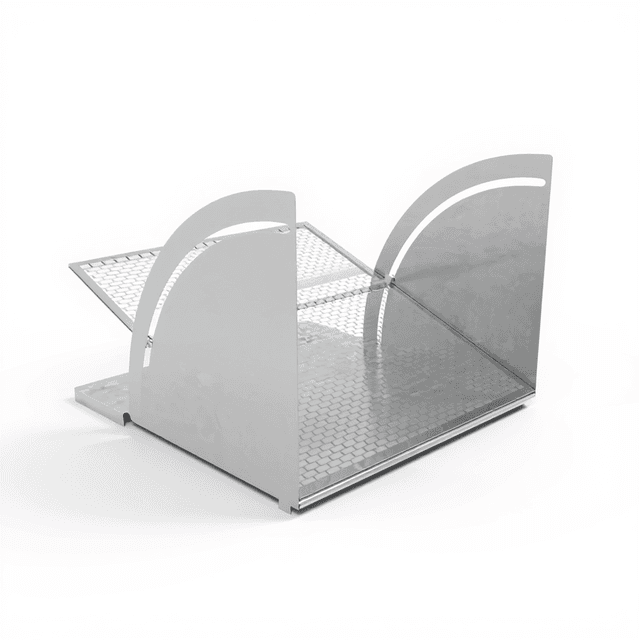
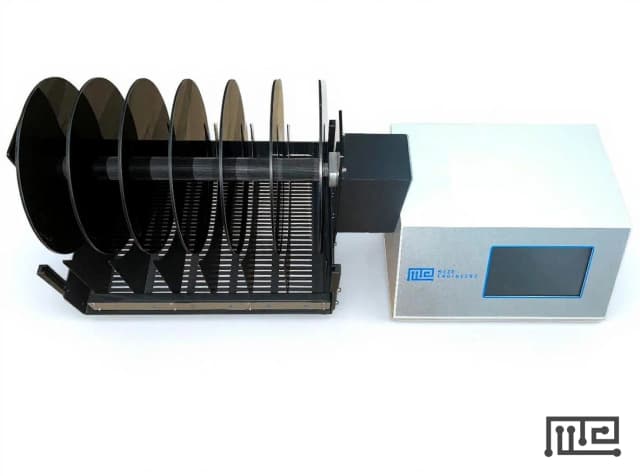
The Self Administration Chamber is a comprehensive operant conditioning system designed for controlled behavioral pharmacology and reinforcement studies. The system enables precise investigation of motivated behaviors, reward-seeking responses, and reinforcement schedules in mouse and rat models. Each chamber features dual operant response mechanisms (levers or nose pokes), dual LED visual stimuli, integrated floor grids for aversive conditioning, dual pellet dispensers for food reinforcement, and a syringe pump system for precise intravenous delivery.
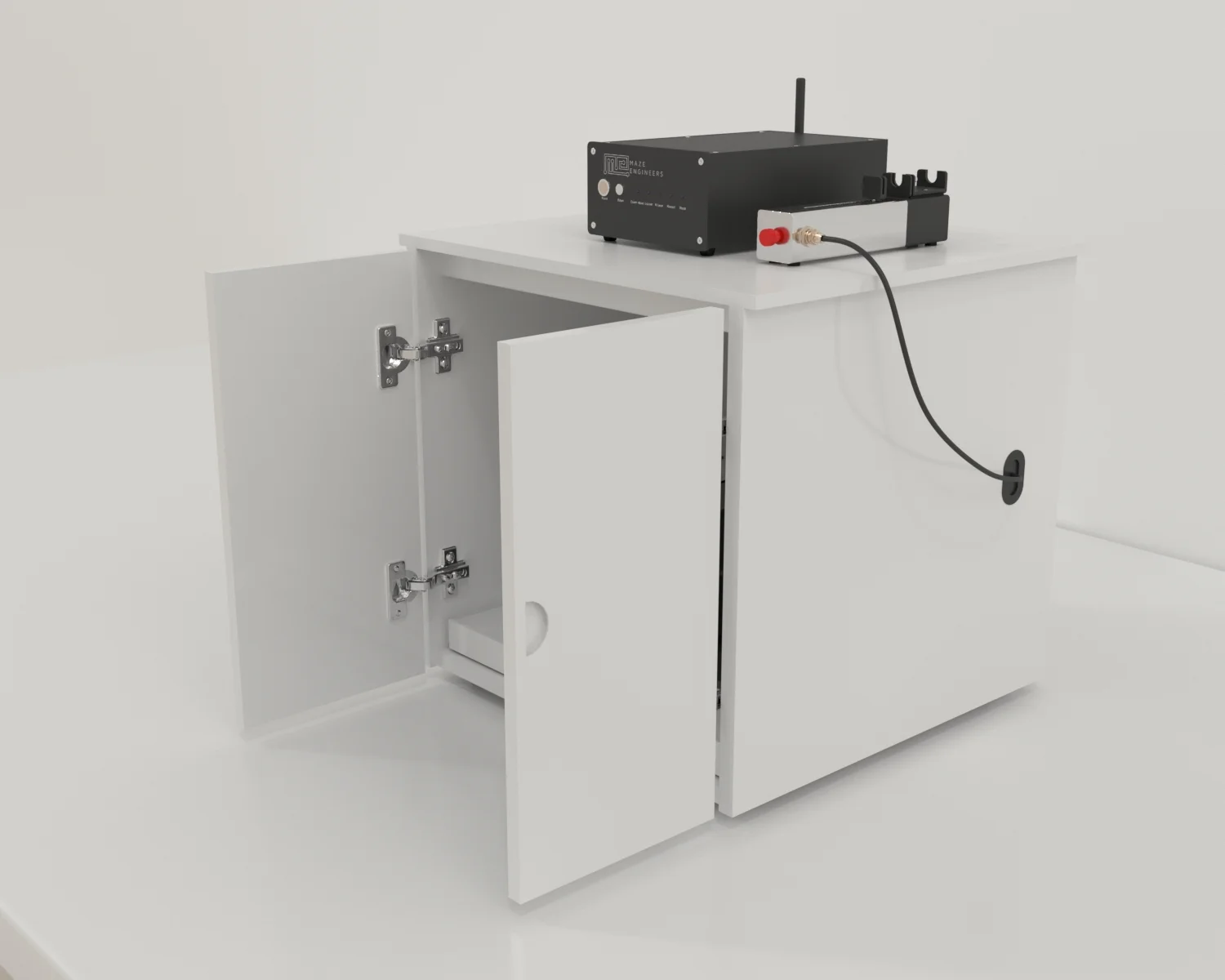
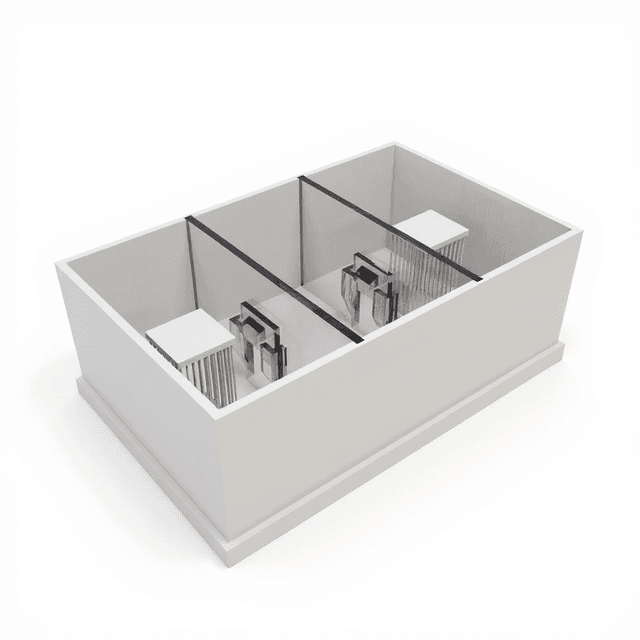
The apparatus operates within sound-attenuating isolation cubicles equipped with speakers, house lights, circulation fans, and infrared illumination for behavioral monitoring. The modular design supports up to 16 chambers simultaneously, with wireless connectivity and standardized control interfaces. Chamber dimensions are optimized for species-specific behavioral requirements, with mouse chambers measuring 18 x 18 x 20 cm and rat chambers measuring 26 x 26 x 25 cm internally.
How It Works
The Self Administration Chamber operates on operant conditioning principles, where animals learn to perform specific behaviors (lever pressing or nose poking) to obtain rewards or avoid aversive stimuli. The system precisely controls stimulus presentation timing, response detection, and reinforcement delivery through computer-controlled interfaces. When an animal performs the target response, sensors detect the action and trigger programmed consequences such as pellet dispensing, infusion delivery, or stimulus presentation according to predetermined reinforcement schedules.
The syringe pump system enables controlled intravenous delivery through chronically implanted catheters, allowing researchers to study self-administration behaviors with precise dose control. Visual LED cues and auditory tones serve as discriminative stimuli to signal reinforcer availability or specific experimental conditions. The floor grid provides aversive conditioning capabilities, with current delivery ranging from 0.1 to 4.0 mA in 0.1 mA increments.
Data acquisition occurs continuously throughout sessions, recording response latencies, inter-response intervals, reinforcement rates, and behavioral patterns. The sound-attenuating isolation cubicles minimize external distractions while internal circulation fans maintain appropriate air exchange and infrared illumination enables behavioral monitoring without disrupting natural light/dark cycles.
Features & Benefits
Dual Response Mechanisms
Enables complex behavioral paradigms and choice procedures with simultaneous lever press and nose poke monitoring for comprehensive operant analysis.
Integrated Syringe Pump System
Provides precise intravenous delivery with programmable infusion rates and volumes for controlled self-administration studies.
Species-Optimized Dimensions
Chamber sizes tailored to mouse (18x18x20 cm) and rat (26x26x25 cm) behavioral requirements ensure appropriate response positioning and movement patterns.
Adjustable Floor Grid Configuration
Adjustable current delivery (0.1-4.0 mA) with species-specific rod spacing enables precise aversive conditioning procedures.
Multi-Modal Stimulus Control
Combined LED visual cues, auditory tones (100-20,000 Hz), and programmable house lighting create complex discriminative stimulus environments.
Sound-Attenuating Isolation
Individual isolation cubicles with circulation fans minimize external distractions and maintain consistent environmental conditions across all testing chambers.
Scalable System Architecture
Supports up to 16 chambers simultaneously with wireless connectivity for high-throughput behavioral studies.
Dual Pellet Dispensing
Two independent pellet dispensers per chamber enable complex reinforcement schedules and concurrent choice procedures with different reward magnitudes.