
1 / 5
Self Administration Runway
SKU CS-958328
$2,390.00
IncludesStandard care
Linear runway apparatus for studying drug self-administration and reinforcement learning behaviors in mice and rats, featuring modular segments with integrated hurdles to assess motivational drive.
CE MarkedBAA available
Scientist guidance

Louise Corscadden, PhD
Director of Science · ConductScience
Ask Louise about Self Administration Runway fit, setup, configuration, or quote prep.
Already working with us? Sign in to connect this with My Scientist.
Key Specifications
Full details →- Model fit
- Mouse, Rat
- SKU family
- CS-958328
- Shipping box
- 65.0 x 36.0 x 27.0 cm
- Ordering
- Online checkout and quote request available
- Category
- Behavioral Mazes
- Build notes
- Acrylic
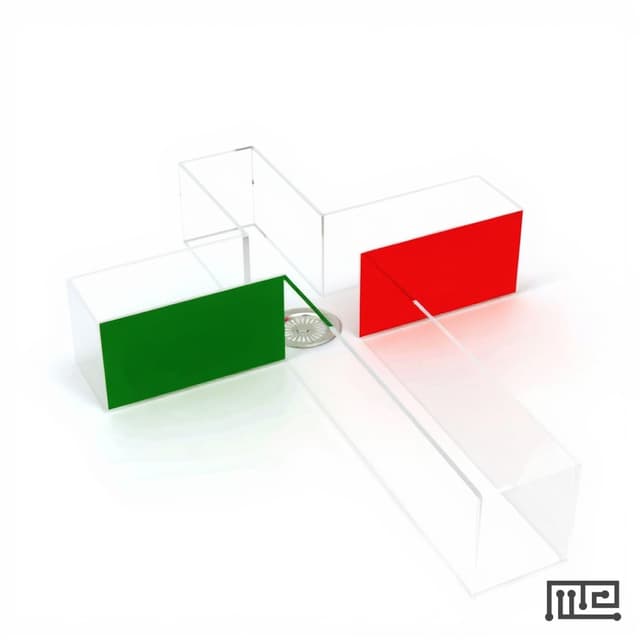
The Self Administration Runway is a specialized behavioral apparatus designed for assessing drug self-administration behaviors and reinforcement learning in rodents. The system consists of a start box, goal box, and three interconnected runway segments that create a linear pathway for animals to traverse in pursuit of drug rewards or other reinforcers.
This apparatus enables researchers to study the motivational aspects of drug-seeking behavior by measuring the latency and persistence with which animals navigate the runway to reach the goal box where drug administration occurs. The modular design accommodates both mice and rats with species-specific dimensional configurations, while integrated hurdles in each runway segment provide controlled obstacles that require increased effort and motivation to overcome, allowing for precise assessment of drug-seeking intensity.
How It Works
The Self Administration Runway operates on principles of operant conditioning and spatial learning to assess drug-seeking motivation. Animals are placed in the start box and must navigate through three consecutive runway segments to reach the goal box where drug administration occurs. The apparatus leverages the natural tendency of rodents to seek rewards while requiring increasing effort expenditure through integrated hurdles.
Each runway segment contains two 4 cm height hurdles that serve as effort barriers, requiring animals to expend additional energy to progress toward the goal. This design allows researchers to measure both the latency to complete the runway and the willingness to overcome obstacles, providing quantitative metrics of motivational drive. The contrasting visual environments between start box (black walls with white stripes, polished floor) and goal box (white walls with black stripes, wire-mesh floor) facilitate spatial discrimination learning.
Data collection focuses on temporal metrics including start latency, segment traversal times, total completion latency, and failure rates. These parameters collectively provide a comprehensive assessment of the reinforcing properties of administered substances and the strength of conditioned drug-seeking behaviors.
Features & Benefits
Species-specific dimensional configurations
Accommodates both mice (180 cm total runway) and rats (240 cm total runway) with appropriate scaling for natural locomotor patterns and body size
Modular three-segment runway design
Enables flexible experimental configurations and allows for segment-specific behavioral analysis during drug-seeking progression
Integrated hurdle obstacles in each segment
Provides quantifiable effort barriers at 4 cm height to assess motivational drive and willingness to work for drug rewards
Contrasting visual environments
Start box features black walls with white stripes while goal box has white walls with black stripes, facilitating spatial discrimination learning
Wire-mesh goal box floor
Allows for drug delivery through floor-mounted systems while providing tactile cues to signal reward zone arrival
Guillotine door start box control
Provides precise trial initiation timing and prevents premature runway entry during inter-trial intervals
Acrylic construction throughout
Enables continuous visual monitoring of animal behavior while providing easy cleaning and chemical resistance for drug administration studies
Start Box Dimensions Mouse
- 15 cm x 15 cm x 20 cm
Start Box Dimensions Rat
- 20 cm x 20 cm x 26 cm
Goal Box Dimensions Mouse
- 15 cm x 15 cm x 20 cm
Goal Box Dimensions Rat
- 20 cm x 20 cm x 26 cm
Runway Segment Dimensions Mouse
- 60 cm x 75 cm x 20 cm
Runway Segment Dimensions Rat
- 80 cm x 100 cm x 26 cm
Total Runway Distance Mouse
- 180 cm
Total Runway Distance Rat
- 240 cm
Number of Runway Segments
- 3
Hurdles per Segment
- 2
Hurdle Height
- 4 cm
Start Box Walls
- Black with white horizontal stripes
Start Box Floor
- Black polished surface
Goal Box Walls
- White with black vertical stripes
Goal Box Floor
- Wire-mesh
Door Type
- Guillotine door
Behavioral Construct
- Drug self-administration
- Reinforcement learning
- Motivational drive
- Spatial discrimination
- Effort-based decision making
- Drug-seeking behavior
Automation Level
- manual
Material
- Acrylic
Research Domain
- Addiction Research
- Behavioral Pharmacology
- Learning and Memory
- Neuroscience
- Toxicology
Compatible Tracking Software
- ConductVision
Shipping weight
- 6.06 lb
Shipping box
- L: 65.0 cm
- W: 36.0 cm
- H: 27.0 cm
| Feature | This Product | Typical Alternative | Advantage |
|---|---|---|---|
| Runway Configuration | Three modular segments with 180-240 cm total length | Fixed single-chamber or two-chamber designs with limited pathway flexibility | Modular design allows for segment-specific behavioral analysis and flexible experimental configurations |
| Effort Barriers | Six integrated 4 cm hurdles across three segments | Fewer or no physical obstacles in pathway designs | Multiple effort barriers provide graded assessment of motivational drive throughout the drug-seeking sequence |
| Species Accommodation | Dedicated mouse and rat configurations with appropriate scaling | Single-size apparatus requiring adaptation for different species | Species-specific dimensions optimize natural locomotor patterns and behavioral expression |
| Environmental Contrast | Distinct start box (black/white stripes) and goal box (white/black stripes) visual environments | Uniform environmental conditions throughout apparatus | Visual discrimination cues facilitate spatial learning assessment and goal recognition |
| Floor Design Variation | Polished start box floor with wire-mesh goal box floor | Consistent flooring materials throughout apparatus | Tactile environmental differences provide additional spatial cues and accommodate drug delivery systems |
This apparatus combines linear runway assessment with modular design flexibility and integrated effort barriers. The species-specific configurations and contrasting environmental zones support comprehensive evaluation of spatial learning and motivational components in drug self-administration paradigms.
| Model | SKU | Listed price | Status | Shipping box |
|---|---|---|---|---|
| Rat | CS-958328 | $2,390.00 | Available | 65.0 x 36.0 x 27.0 cm |
| Mouse | CS-958328 | $1,990.00 | Available | 65.0 x 36.0 x 27.0 cm |
Addiction Research
Evaluating the reinforcing efficacy of novel psychoactive substances by measuring runway traversal latencies and persistence in drug-seeking behavior across multiple sessions.
Behavioral Pharmacology
Assessing dose-response relationships for reinforcing drugs by analyzing changes in runway performance as a function of drug concentration available in the goal box.
Learning and Memory
Investigating spatial and procedural learning components of drug-seeking behavior by measuring acquisition curves and retention of runway navigation patterns.
Neuroscience
Examining neural circuits underlying motivation and reward-seeking by correlating runway performance metrics with electrophysiological or optogenetic manipulations.
Toxicology
Determining abuse liability profiles of pharmaceutical compounds by quantifying their ability to maintain runway-based self-administration behaviors.
Practical Tips
Calibration
Measure and document hurdle heights before each experimental session to ensure consistent effort requirements.
Why: Small variations in hurdle positioning can significantly affect effort expenditure and behavioral metrics.
Maintenance
Inspect guillotine door mechanism weekly for smooth operation and replace worn components immediately.
Why: Door malfunction can compromise trial timing precision and introduce uncontrolled variables in self-administration protocols.
Best Practices
Conduct all sessions at consistent times of day and maintain constant ambient lighting conditions.
Why: Circadian rhythms and light levels significantly influence locomotor activity and drug-seeking behaviors.
Data Quality
Record ambient temperature and humidity during sessions as these affect animal activity levels.
Why: Environmental conditions influence baseline locomotor performance and can confound drug effect interpretations.
Troubleshooting
If animals refuse to traverse hurdles, reduce barrier height gradually while maintaining experimental objectives.
Why: Excessive effort requirements can lead to task abandonment rather than meaningful motivational assessment.
Safety
Ensure all acrylic edges are smooth and free of sharp corners to prevent animal injury during navigation.
Why: Physical injury can alter locomotor patterns and confound behavioral interpretations in self-administration studies.
Best Practices
Use consistent handling procedures and allow 5-10 minutes acclimation before each session begins.
Why: Handling stress and environmental novelty can mask drug-seeking behaviors and affect baseline performance metrics.
Setup Guide
Unpack and Inspect Components
Remove all acrylic components from packaging and inspect for damage. Verify presence of start box, goal box, three runway segments, and hurdle inserts.
Assemble Runway Segments
Connect the three runway segments end-to-end to create the complete 180 cm (mouse) or 240 cm (rat) pathway. Ensure secure connections between segments.
Install Hurdle Barriers
Place two hurdles in each runway segment at predetermined positions to create consistent obstacle spacing throughout the apparatus.
Position Start and Goal Boxes
Attach the start box to the beginning of the runway and goal box to the terminal end. Verify guillotine door operates smoothly in start box.
Establish Recording Position
Position video recording equipment or manual observation station to capture the entire runway length for behavioral scoring.
Conduct Habituation Sessions
Allow animals to explore the apparatus without drug availability for 2-3 sessions to establish baseline locomotor patterns and reduce neophobia.
Implement Self-Administration Protocol
Begin formal testing sessions with drug availability in goal box, recording latency and completion metrics according to experimental design.
What’s in the Box
- Start box with guillotine door mechanism
- Goal box with wire-mesh floor
- Three modular runway segments
- Eight hurdle inserts (2 per segment plus spares)
- Assembly hardware and connection fittings
- User manual with protocol guidelines (typical)
- Cleaning and maintenance instructions (typical)
Warranty
ConductScience provides a standard one-year manufacturer warranty covering defects in materials and workmanship, with technical support available for protocol development and troubleshooting assistance.
Compliance
IACUC Protocol RequirementsSupports behavioral research protocols requiring documented animal welfare considerations and experimental design justification for drug self-administration studies
DEA Schedule RequirementsCommonly used in controlled substance research environments subject to documentation and security requirements for drug self-administration investigations
AAALAC Accreditation StandardsSupports research conducted in facilities maintaining accreditation standards for laboratory animal care and use in behavioral pharmacology studies
Q
What is the optimal trial duration for runway self-administration sessions?
A
Trial duration typically ranges from 10-30 minutes depending on drug pharmacokinetics and experimental objectives. Shorter sessions (10-15 min) suit rapid-acting compounds, while longer sessions (20-30 min) accommodate drugs with delayed onset or extended behavioral effects.
Q
How do I determine appropriate hurdle height for different experimental conditions?
A
The standard 4 cm hurdle height accommodates normal locomotor ability while providing measurable effort barriers. This height can be adjusted based on experimental needs, with lower barriers (2-3 cm) for motor-impaired animals or higher barriers (5-6 cm) for increased effort requirements.
Q
What drug delivery methods are compatible with the goal box design?
A
The wire-mesh floor accommodates various delivery systems including intravenous catheters, oral gavage apparatus, and aerosol delivery systems. The 15-26 cm goal box height provides sufficient space for delivery equipment while maintaining spatial confinement.
Q
How should I establish baseline performance before drug availability?
A
Conduct 3-5 habituation sessions with food rewards or no consequences to establish baseline runway traversal latencies. This provides comparison metrics for drug-seeking behavior and controls for apparatus-specific locomotor patterns.
Q
What video recording specifications are recommended for behavioral analysis?
A
Use overhead recording at minimum 30 fps to capture detailed locomotor patterns and hurdle navigation behaviors. Position cameras to cover the entire runway length with sufficient resolution to distinguish fine motor behaviors and hesitation patterns.
Q
How do I clean the apparatus between subjects using different drug treatments?
A
Clean all surfaces with 70% ethanol followed by water rinse to remove drug residues and olfactory cues. Allow complete drying between subjects to prevent cross-contamination and ensure consistent environmental conditions across experimental groups.
Have a question about this product?
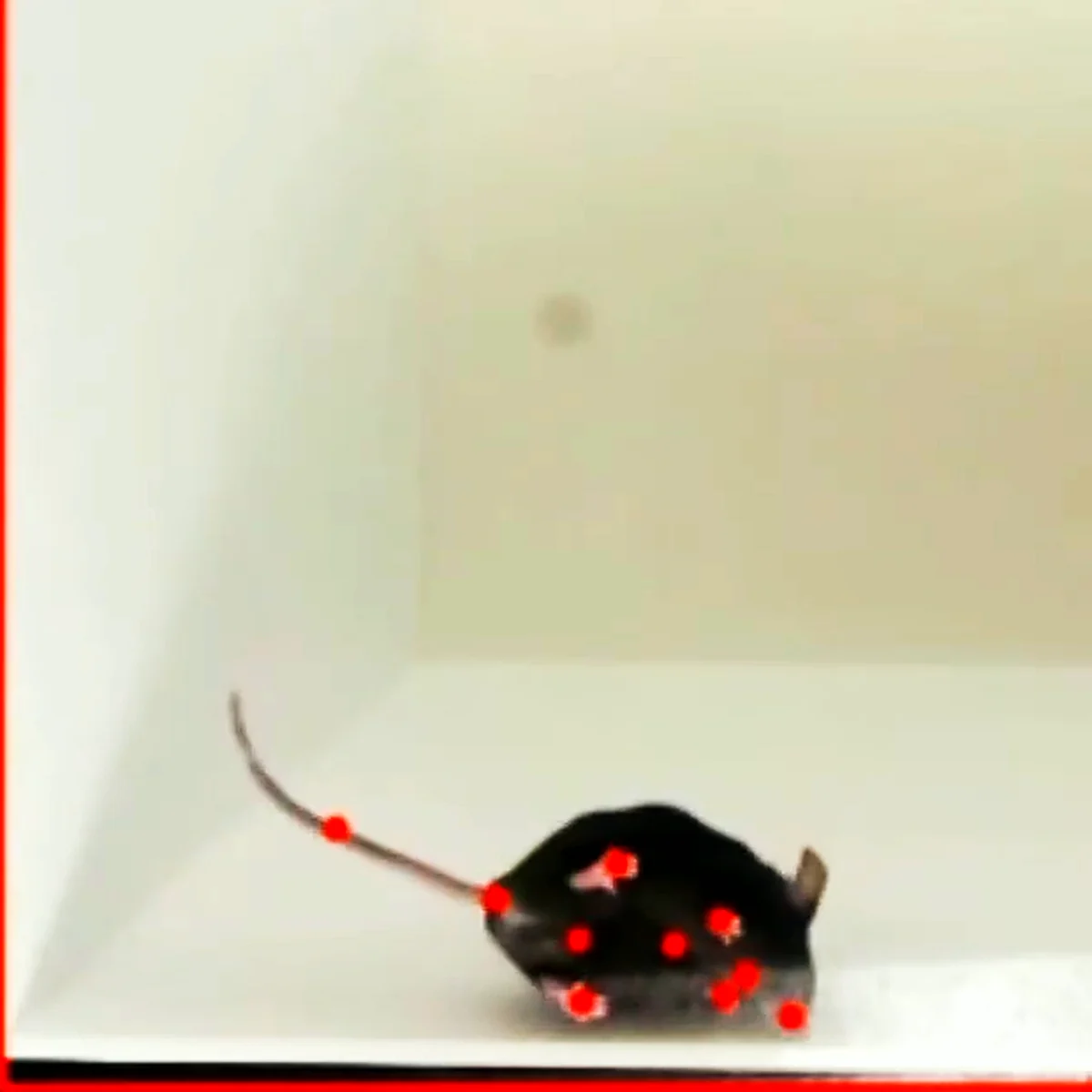
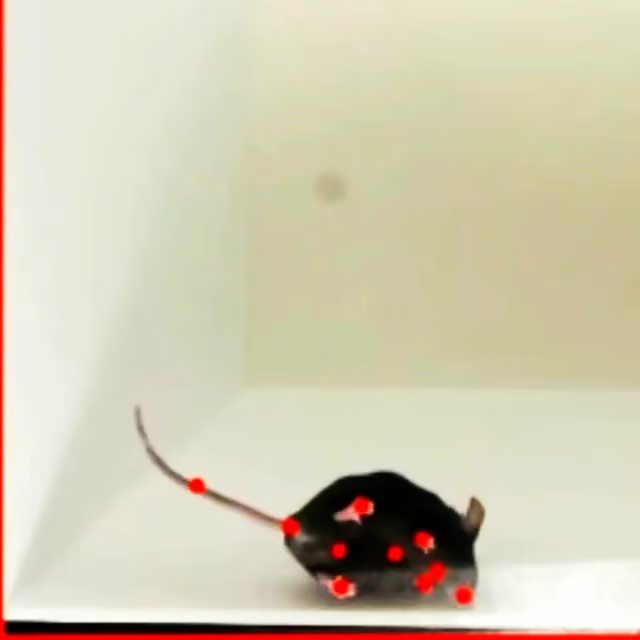
Track rodents with ConductVision
ConductVision is our video-tracking software. Record your sessions on video, and it scores standard rodent tests, such as those listed below.
Examples of tests it scores
To check whether ConductVision scores your protocol in this apparatus, ask in your quote request.
Ask a question
Have a question? Just ask.
Send it over and we'll email you a personalized answer — no call, no scheduling.
Personalized email reply
Usually within one business day
Helpful answers published here
Prefer to talk it through?
Accessories
Enhance your setup with compatible accessories

Total: $0.00
Frequently Bought Together
+
+
Total: $2,530.00

Self Administration Runway
$2,390.00
Added to quoteView Quote