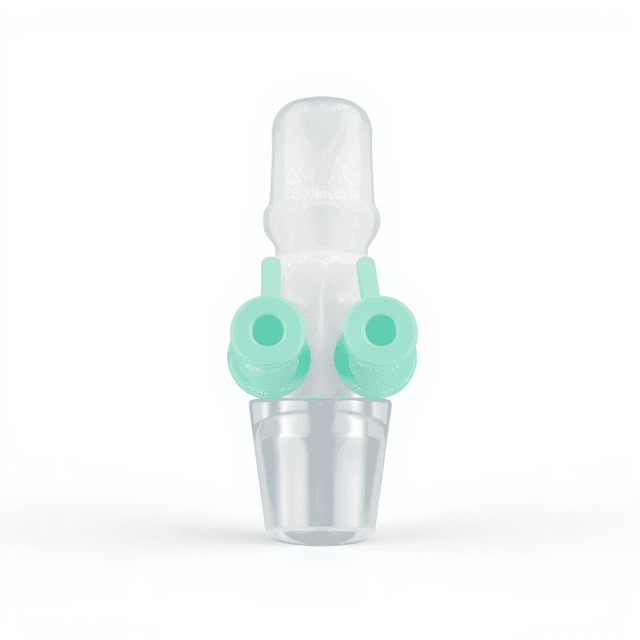
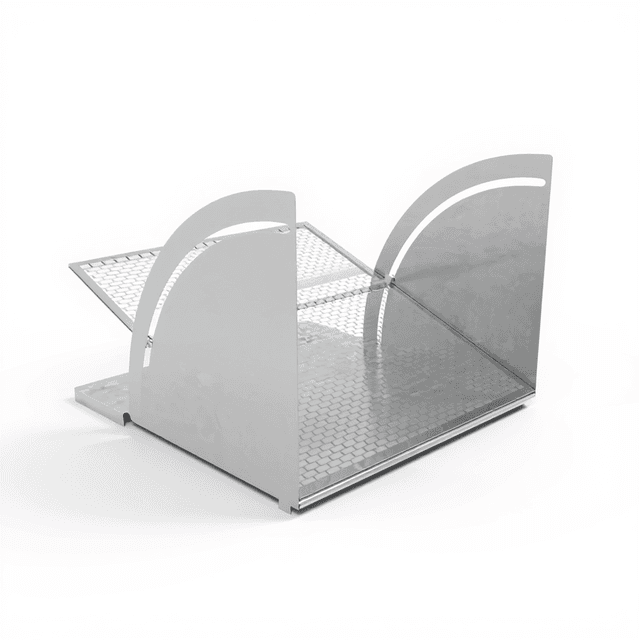
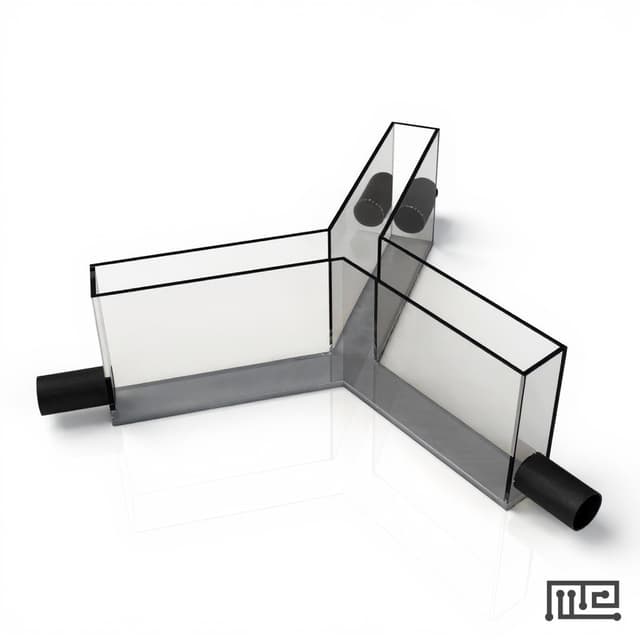
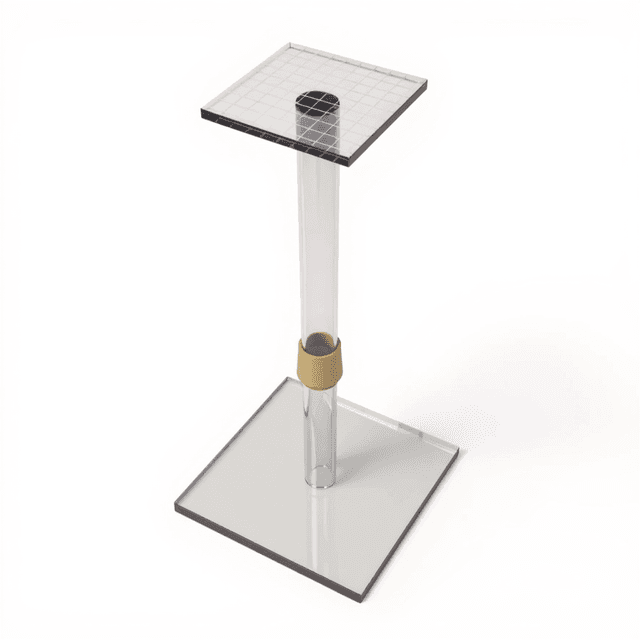
Air compressor cylinder regulating valve
Precision pneumatic control valve for regulating compressed air flow in behavioral research equipment and maze systems.

Louise Corscadden, PhD
Director of Science · ConductScience
Ask Louise about Air compressor cylinder regulating valve fit, setup, configuration, or quote prep.
Already working with us? Sign in to connect this with My Scientist.
Key Specifications
Full details →- Model fit
- Mouse, Rat
- SKU family
- ME-ACC-EP
- Shipping box
- 43.2 x 38.0 x 27.9 cm
- Ordering
- Online checkout and quote request available
- Category
- Behavioral Mazes
- Build notes
- Confirm accessories, station layout, and support needs before purchase
The Air Compressor Cylinder Regulating Valve is a precision pneumatic control component designed for behavioral research equipment requiring stable air pressure delivery. This valve provides accurate regulation of compressed air flow to maze systems and other research apparatus where controlled pneumatic operation is essential.
The regulating valve enables researchers to maintain consistent air pressure parameters across experimental sessions, supporting reproducible behavioral testing conditions. Its integration with maze accessories ensures reliable operation of pneumatically-driven components such as doors, barriers, and reward delivery mechanisms in behavioral research protocols.
How It Works
The cylinder regulating valve operates on the principle of pressure differential control, utilizing a spring-loaded diaphragm mechanism to maintain consistent downstream air pressure regardless of upstream pressure fluctuations. The valve automatically adjusts its internal orifice size in response to pressure changes, creating a stable output pressure suitable for sensitive research equipment.
When compressed air enters the valve inlet, it encounters a precision-machined seat that works in conjunction with a movable valve element. The spring tension and diaphragm position determine the set pressure, with the valve opening and closing incrementally to maintain the desired output pressure within tight tolerances.
Features & Benefits
Research Domain
- Anxiety and Depression
- Behavioral Pharmacology
- Learning and Memory
- Motor Function
- Neuroscience
- Social Behavior
Species
- Mouse
- Rat
Shipping weight
- 21.0 lb
Shipping box
- L: 43.2 cm
- W: 38.0 cm
- H: 27.9 cm
| Feature | This Product | Typical Alternative | Advantage |
|---|---|---|---|
| Pressure Regulation Method | Spring-loaded diaphragm mechanism with adjustable settings | Basic needle valve regulation or fixed pressure relief systems | Provides automatic pressure compensation without manual adjustment during experiments |
| Installation Configuration | Compact cylinder design with directional indicators | Bulkier panel-mount regulators requiring dedicated mounting space | Integrates directly into existing pneumatic lines with minimal system modifications |
| Pressure Adjustment | Field-adjustable pressure settings | Fixed pressure output or tool-required adjustments | Enables researchers to optimize pressure for different experimental protocols without disassembly |
| System Compatibility | Standard pneumatic fittings for research equipment | Varies by model with different connection requirements | Direct compatibility with existing behavioral research air systems |
This regulating valve offers field-adjustable pressure control in a compact design specifically suited for behavioral research applications. The spring-loaded mechanism provides automatic pressure compensation, while standard fittings ensure compatibility with existing pneumatic systems.
Practical Tips
Verify pressure settings with downstream gauge before connecting to sensitive research equipment.
Why: Ensures accurate pressure delivery and prevents damage to pneumatic components
Inspect diaphragm condition monthly during periods of regular use.
Why: Diaphragm wear can cause pressure regulation drift affecting experimental consistency
Install valve as close as practical to the equipment requiring regulated pressure.
Why: Minimizes pressure drop in downstream lines and improves regulation accuracy
If pressure output fluctuates, check for air leaks in downstream connections before adjusting valve settings.
Why: Downstream leaks can mimic valve regulation problems and lead to incorrect adjustments
Document pressure settings for each experimental protocol in equipment logs.
Why: Enables consistent reproduction of pneumatic conditions across experimental sessions
Ensure compressed air supply pressure does not exceed valve maximum inlet rating.
Why: Over-pressure conditions can damage valve components and create safety hazards
Setup Guide
What’s in the Box
- Air compressor cylinder regulating valve (typical)
- Pneumatic fittings set (typical)
- Installation hardware (typical)
- Operator manual (typical)
Warranty
ConductScience provides standard manufacturer warranty coverage with technical support for pneumatic system integration and troubleshooting assistance.
Compliance
What pressure range can this valve regulate for maze applications?
Consult product datasheet for specific pressure regulation ranges and maximum inlet pressures compatible with behavioral research equipment.
How does this valve maintain pressure stability during equipment cycling?
The spring-loaded diaphragm mechanism automatically compensates for pressure fluctuations by adjusting the internal orifice, maintaining consistent downstream pressure.
What pneumatic fitting sizes are compatible with this regulating valve?
Standard pneumatic fittings are supported; consult specifications for exact connection types and sizes for your air system configuration.
Can this valve handle multiple pneumatic devices operating simultaneously?
Flow capacity depends on valve specifications; verify total air consumption of connected devices against valve flow rating provided in technical documentation.
What maintenance is required for consistent pressure regulation?
Regular inspection of diaphragm condition, cleaning of internal components, and verification of pressure settings ensure reliable long-term operation.
How precise is the pressure regulation for sensitive behavioral equipment?
Regulation precision varies by valve design; consult product specifications for pressure stability tolerances relevant to your experimental requirements.
Have a question about this product?
Have a question? Just ask.
Send it over and we'll email you a personalized answer — no call, no scheduling.
Prefer to talk it through?