Y Maze Escape Tubes
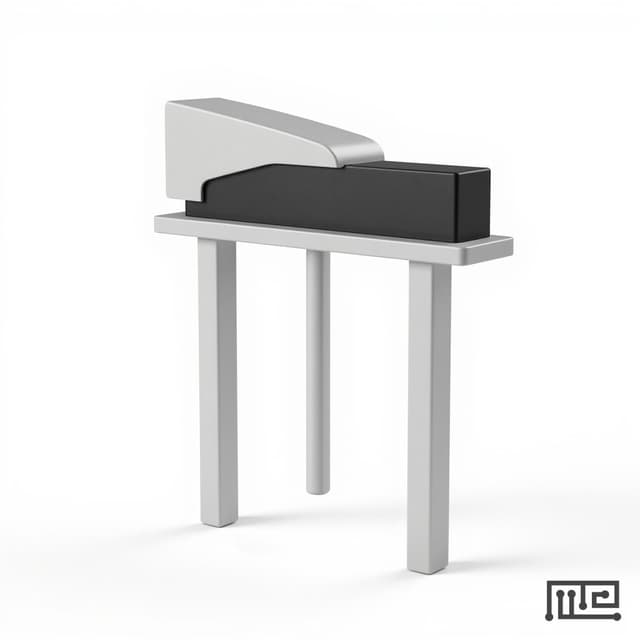
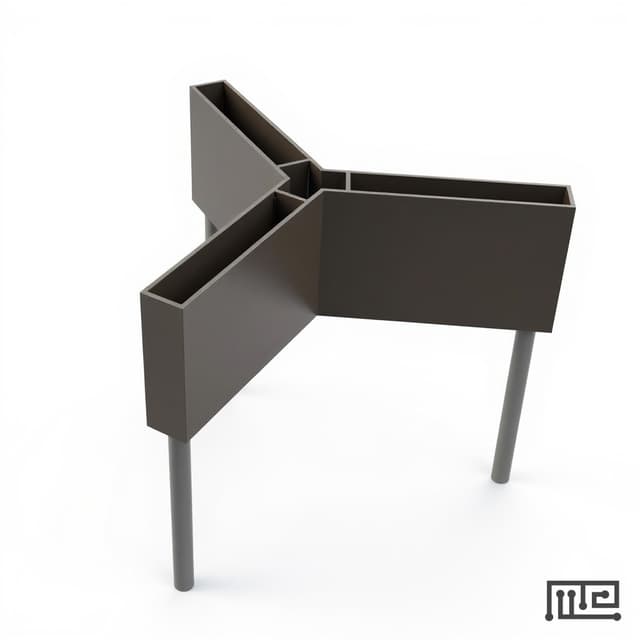
Species-specific escape tubes for Y-maze behavioral testing, providing standardized exit routes for spatial memory and choice behavior assessment in mice (4cm diameter) and rats (8cm diameter).

Louise Corscadden, PhD
Director of Science · ConductScience
Ask Louise about Y Maze Escape Tubes fit, setup, configuration, or quote prep.
Already working with us? Sign in to connect this with My Scientist.
Key Specifications
Full details →- Model fit
- Mouse, Rat
- SKU family
- 3505
- Shipping box
- 60.0 x 60.0 x 30.0 cm
- Ordering
- Online checkout and quote request available
- Category
- Behavioral Mazes
- Build notes
- Confirm accessories, station layout, and support needs before purchase
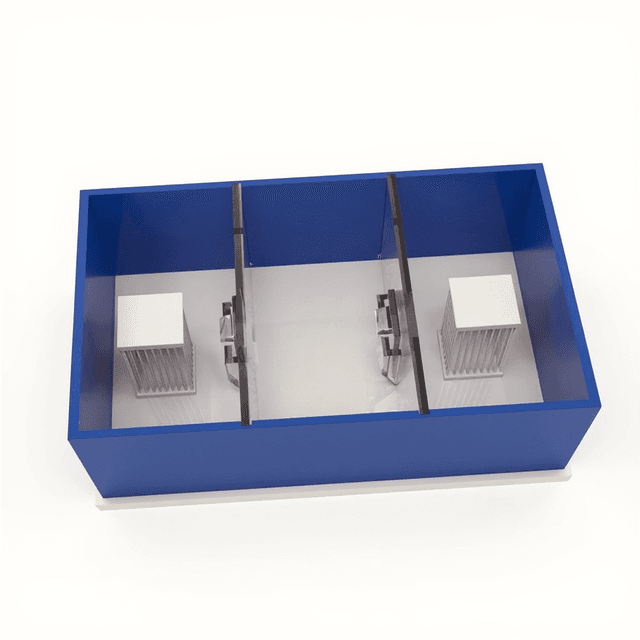
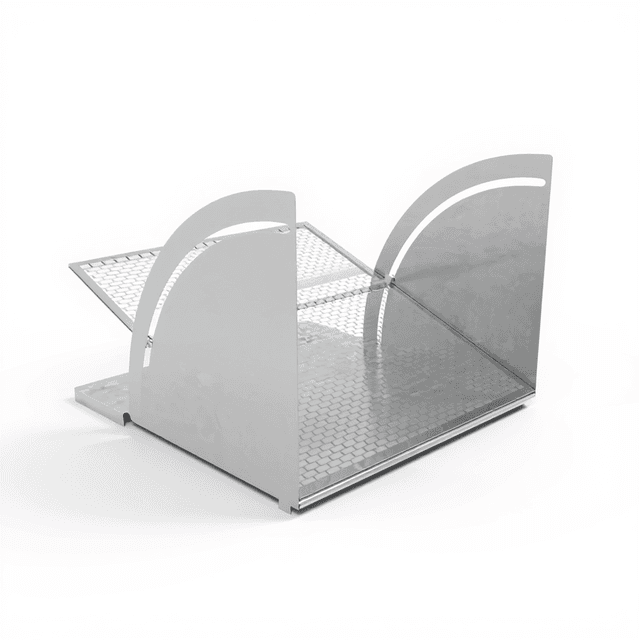
Y Maze Escape Tubes are precision-engineered accessories designed for Y-maze behavioral testing protocols in rodent research. These cylindrical exit tubes provide controlled escape routes in spontaneous alternation, spatial memory, and choice behavior paradigms. Available in species-specific dimensions with 4cm diameter for mice and 8cm diameter for rats, the tubes integrate seamlessly with standard Y-maze apparatus configurations.
The escape tubes serve as critical decision endpoints in Y-maze protocols, allowing researchers to assess spatial working memory, exploration patterns, and learning acquisition in laboratory rodents. Their standardized dimensions ensure consistent experimental conditions across studies while accommodating the natural locomotor behavior of target species. The tubes facilitate automated data collection when integrated with photobeam detection systems or video tracking software.
How It Works
Y Maze Escape Tubes function as controlled exit points that exploit rodents' natural exploratory behavior and spatial memory capabilities. When placed at the terminus of Y-maze arms, the tubes provide discrete escape routes that animals can access based on their navigation decisions. The cylindrical design accommodates natural locomotor patterns while constraining movement to measurable pathways.
The behavioral principle relies on rodents' innate tendency for spontaneous alternation - the preference to explore novel environments rather than recently visited locations. In typical protocols, animals are placed at the maze start point and allowed to choose between arms leading to different escape tubes. Their selection patterns reveal spatial working memory function, as successful alternation requires remembering previously visited locations.
Data collection occurs through direct observation, photobeam interruption, or video tracking systems that monitor tube entry events. The standardized tube dimensions ensure consistent detection thresholds across experimental sessions while accommodating species-specific anatomical requirements. This approach enables quantitative assessment of cognitive parameters including choice accuracy, response latency, and exploration patterns.
Features & Benefits
Behavioral Construct
- Spatial working memory
- Spontaneous alternation
- Choice behavior
- Exploration patterns
- Decision-making
- Cognitive flexibility
Automation Level
- manual
Research Domain
- Addiction Research
- Aging Research
- Anxiety and Depression
- Behavioral Pharmacology
- Learning and Memory
- Neurodegeneration
- Neuroscience
Species
- Mouse
- Rat
Compatible Tracking Software
- ConductVision
Shipping weight
- 17.64 lb
Shipping box
- L: 60.0 cm
- W: 60.0 cm
- H: 30.0 cm
| Feature | This Product | Typical Alternative | Advantage |
|---|---|---|---|
| Species-specific sizing | Dedicated 4cm (mouse) and 8cm (rat) diameter configurations | Generic one-size-fits-all designs often compromise behavioral accuracy | Optimized dimensions ensure natural movement patterns and eliminate size-related confounding variables in choice behavior. |
| Construction precision | Engineered cylindrical geometry with smooth interior surfaces | Basic tube sections may lack precision manufacturing tolerances | Consistent internal dimensions across units ensure reproducible behavioral responses and data quality. |
| Detection system integration | Compatible with photobeam and video tracking systems | Some alternatives lack standardized interfaces for automated monitoring | Enables precise timing measurements and automated data collection for high-throughput behavioral studies. |
| Mounting compatibility | Designed for standard Y-maze apparatus integration | Custom fabricated tubes may require specialized mounting solutions | Seamless integration with existing equipment reduces setup time and ensures stable positioning during testing. |
Y Maze Escape Tubes provide species-optimized dimensions and precision construction for reliable behavioral data collection. The standardized approach ensures consistent experimental conditions while accommodating natural rodent locomotor behavior patterns.
| Model | SKU | Listed price | Status | Shipping box |
|---|---|---|---|---|
| Rat | ME-ETR0 | $400.00 | Available | 60.0 x 60.0 x 30.0 cm |
| Mouse | ME-ETM0 | $350.00 | Available | 60.0 x 60.0 x 30.0 cm |
Practical Tips
Match tube diameter precisely to your animal model to ensure natural locomotor behavior without artificial preferences.
Why: Incorrectly sized tubes can create movement restrictions or excessive space that confounds choice behavior measurements.
Inspect tubes regularly for wear or damage that could create rough surfaces or dimensional changes.
Why: Physical alterations to tube geometry can introduce behavioral artifacts and reduce data reliability across experimental sessions.
Verify tube positioning and detection zone alignment before each experimental session.
Why: Misaligned tubes or detection systems can result in missed choice events or inaccurate timing measurements.
Monitor choice latencies to identify animals with unusual hesitation patterns that may indicate tube positioning issues.
Why: Abnormal entry times often reflect physical obstacles or detection problems rather than genuine behavioral differences.
If animals consistently avoid certain tubes, check for odor contamination or physical obstructions within the cylinder.
Why: Avoidance behavior typically indicates environmental issues rather than cognitive preferences in well-designed protocols.
Ensure tube edges are smooth and free of sharp points that could injure animals during entry or exit.
Why: Animal safety is paramount, and injuries can introduce stress variables that confound behavioral measurements.
Setup Guide
What’s in the Box
- Y Maze Escape Tubes (quantity varies by order)
- Mounting hardware (typical)
- Installation instructions (typical)
- Cleaning protocol guidelines (typical)
Warranty
ConductScience provides a standard one-year manufacturer warranty covering material defects and construction quality. Technical support is available for setup assistance and protocol optimization.
Compliance
References
Background reading relevant to this product:
What is the optimal tube length for Y-maze protocols?
Consult product datasheet for specific length specifications. Typical escape tubes are designed to provide sufficient entry depth for complete animal passage while minimizing dead space that could affect choice latency measurements.
Can the tubes accommodate photobeam detection systems?
Yes, the cylindrical design is compatible with standard photobeam arrays positioned at tube entrances for automated choice detection and timing measurements.
How should the tubes be cleaned between animals?
Clean with 70% ethanol or appropriate disinfectant, ensuring complete odor elimination to prevent olfactory cues that could bias subsequent animal choices. Allow complete drying before next trial.
Are the tubes suitable for juvenile animals?
Mouse tubes (4cm) may be appropriate for juvenile rats, but verify animal size compatibility. Juvenile mice should use standard mouse tubes to ensure proper behavioral responses.
What mounting options are available for different Y-maze designs?
The tubes accommodate various mounting configurations depending on your specific Y-maze apparatus. Consult product documentation for compatibility with your existing setup.
How do escape tubes affect spontaneous alternation percentages?
Properly sized tubes should not influence natural alternation behavior. Tubes that are too large or small relative to animal size may create artificial preferences that confound alternation measurements.
Can the tubes be used with other maze configurations besides Y-mazes?
While designed for Y-mazes, the tubes may be adaptable to other choice-based behavioral paradigms. Verify that the tube dimensions and mounting system are compatible with your specific apparatus.
Have a question about this product?
Have a question? Just ask.
Send it over and we'll email you a personalized answer — no call, no scheduling.
Prefer to talk it through?