Apparatus & Equipment
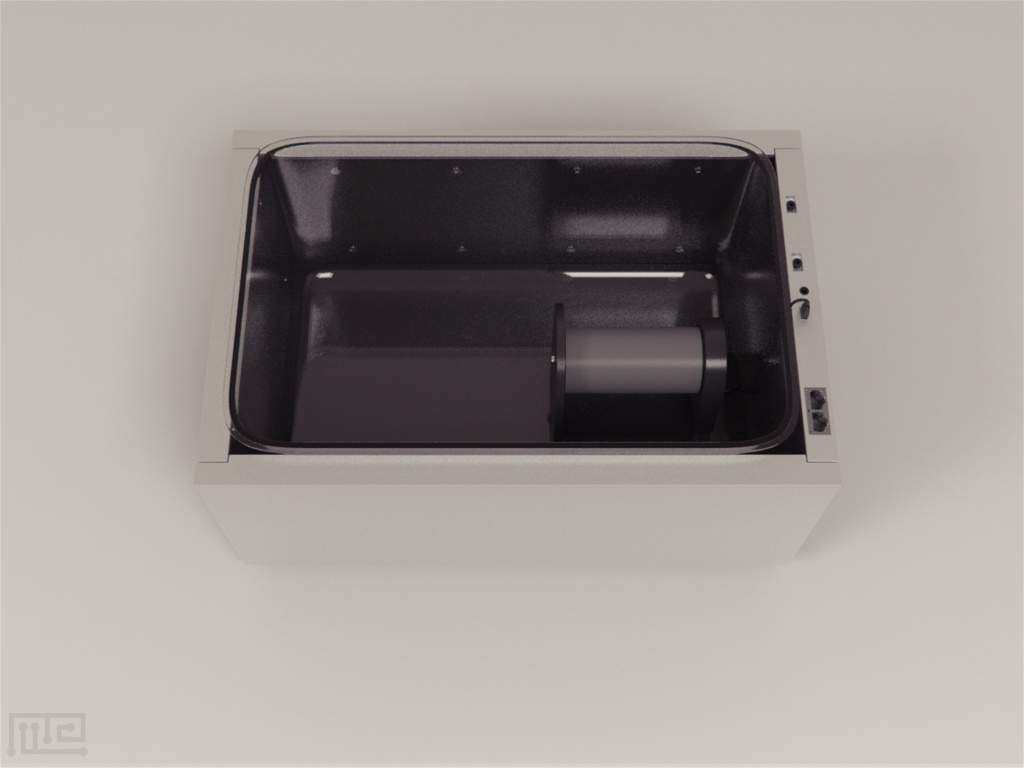
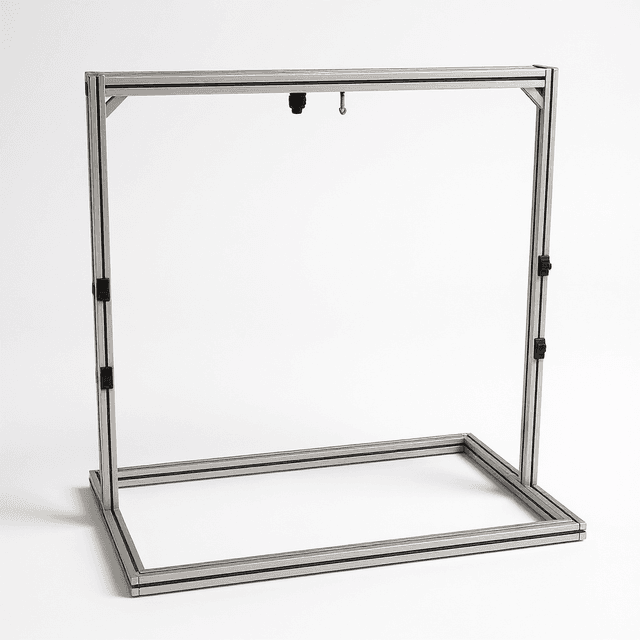
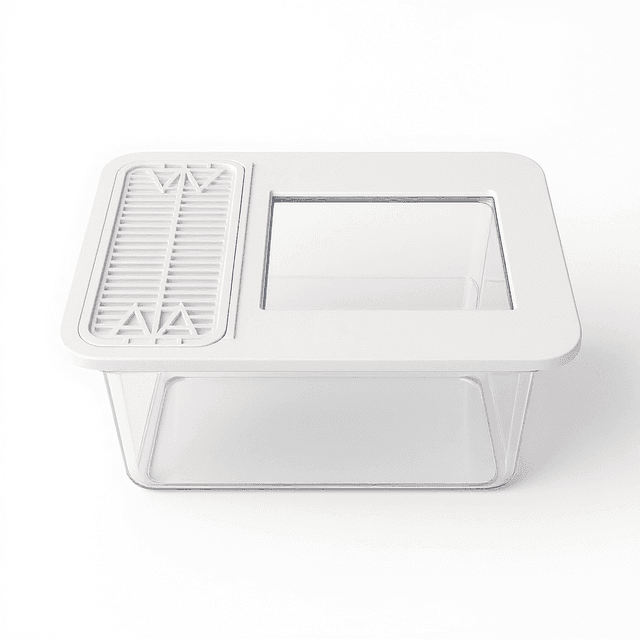
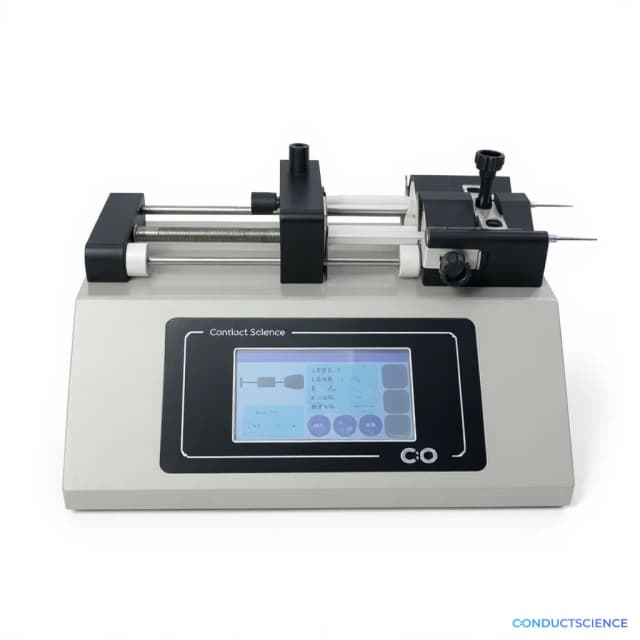
The SmartCage™ system is a cutting-edge device used for behavioral assessment of rodents in their home cages. The apparatus consists of an inner space of 36.0 9× 23.0 × 9 9.0 cm (length 9 width 9 height) for mice and 52.0 9 28.0 9 13.0 cm for rats. The infrared processor and instrument amplifier are connected to the platform. USB cables are linked to the host computer directly or via a hub. The USB cables are used for data acquisition from the SmartCageTM system. The host computer provides power to the SmartCageTM system and operates up to 16 platforms simultaneously utilizing a uniform graphical user interface (GUI) and a program known as CageCenter™, which is a software for SmartCageTM system data analysis.
For data analysis, the Windows-based program CageScore™ is used. The locomotor activities, distance, speed, and animal movement patterns are measured and calculated in a user-defined time block. The CageScore™ processes single animal at a time and presents the data as the mean ± sleep deprivation in the tables, charts and graphics formats.
Protocols (Xie et al., 2012)
Locomotion
The protocol lasts for five days. The method for measuring active/inactive locomotion and rearing is discussed below:
- On the first day, the animals undergo acclimation. Different strain genotypes of animals may have different ability to acclimatize. Place the animal in the home cage at least 1 hour before starting the procedure. Place the animal’s cage at the center of the SmartCageTM
- The lower horizontal IR determines the distance traveled in centimeters, and the distance is calculated by taking into account the animal’s moving path. The moving distance longer than the whole length of the test animal is defined as "Locomotion." The traveling distance (at any given period, called “block,” (i.e., “time bin”) or “total measuring period”), and traveling speed are the two main operating parameters recorded to assess animal’s locomotion.
- Monitor the sleep/wake states using the vibration floor sensor and amplify the signal using the instrument amplifier connected to the SmartCageTM
- Determine the total sleep, including both rapid eye movement (REM) and slow wave sleep (SWS), by the manual scoring of the electroencephalography and electromyography signals in 10 s segments.
Note: Feeding and drinking behavior can also be incorporated in the tests performed for locomotion assessment in rodents.
Activity Measurements
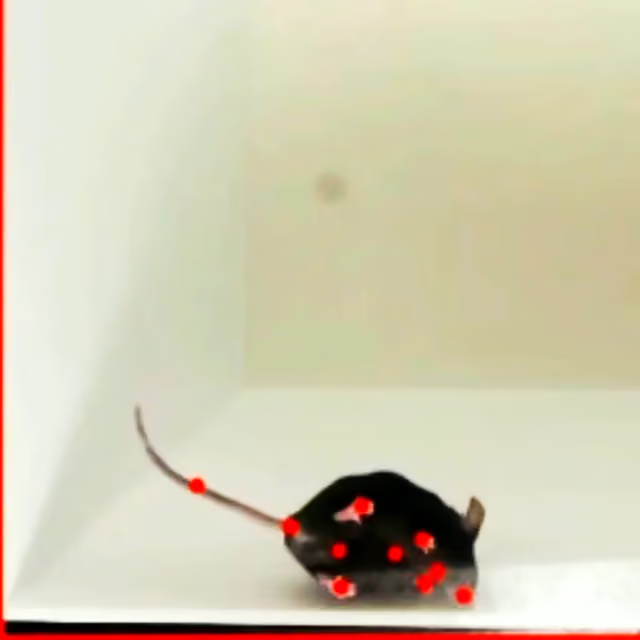
Active wakefulness refers to active moving, rearing, and exploratory behaviors. The photocell beam breaks, locomotion (distance traveled and speed), and rearing counts are the home cage activity variables. The lower horizontal IR sensors (x and y-axis) calculate activity counts. Likewise, the lower IR sensors detect distance traveled. The upper row of IR sensors containing the number of beam interruptions indicate exploratory behavior parameters like rearing or climbing activity and are shown by the z-axis photocell beam break counts. All IR data (beam break activity counts, locomotion, rearing, and rotations) are continuously recorded at a 4-Hz sampling rate. Data containing absolute and percent time in arousal state for the chosen blocks is also recorded. When transferred to a new cage, mice are most active within the first hour; however, their activity level decreases gradually. Treatment with the test compounds and drugs can be started after the animal’s activity is stabilized.
Moving Patterns and Rotation Measurements
Infrared detection in the SmartCageTM system can also detect movement pattern and regional distribution. The mouse locomotion possesses distinct regional and temporal properties in the wakeful state. Time spent and the distance traveled in each zone are calculated and used as parameters to determine the structure and pattern of locomotor activity.
Rodents prefer to stay in zones with adequate food and water supply and frequently visit the peripheral zones in a cycling manner, but seldom enter the center zones within a 24-h period.
Three-point egocentric method of reference is used to calculate one cycling or rotation of the rodent’s movement along x-axis and y-axis. The method of reference is achieved by the accumulated 360° turn. Positive direction is designated from where the subject start circulating (right side), while left turning, is anticlockwise cycling and is denoted as negative. The net rotation is calculated by adding the left and right circling showing proper left and right rotations, respectively in the selected time blocks. Usually, the animals have net rotation closer to zero. However, the test drug may affect the rotatory behavior. This difference in the circling pattern is also evident and decisive factor in specific disease and pharmaceutical models.
Sleep or Inactivity Measurement
Mice exhibit an apparent circadian variation of activity as they are more inactive/asleep (60–70%) in the daytime and more active/awake during the night. The SmartCage™ system detects the sleep variations indirectly using the floor-sensor. The rodent’s chest lies flat on the floor during sleep, and regular breathing pattern (2.5–3 Hz, for mice) is observed and detected with the help of the floor-sensor. Biomarkers for sleep are the regular and smaller waveforms displayed by the SmartCageTM system. The electromyogram and electroencephalograph measure the inactivity and wakefulness in the animals. The analog EEG and EMG signals were then amplified and filtered.
The fast-Fourier transformation (FFT) analysis yield power spectra between 0.5 and 40.0 Hz, with a 0.5-Hz frequency resolution every 2 s, and then average the electroencephalograph signals every 10 s. Manual scoring of the EEG/EMG signals in 10-s segments determines the total sleep including both rapid eye movement (REM) and slow wave sleep (SWS). CageScore™ (the SmartCageTM software) has a sleep score algorithm that can automatically quantify wake and sleep in 10 s segments mainly based on the floor-sensor generated waveforms.
Special Activity Testing Methods
Spontaneous Rotarod Tests in the Home Cage
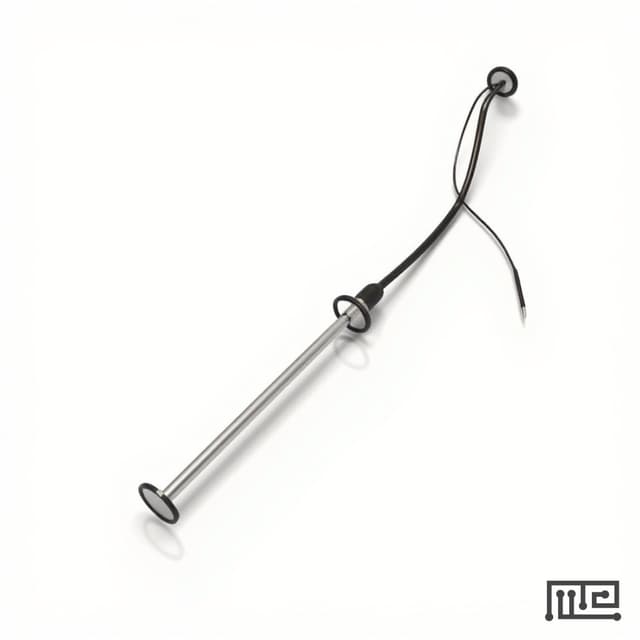
For rodent motor coordination and balance assessment, a specialized test incorporating rotarod in the SmartCageTM system can be used. The SmartCage™ system has a rotarod module that can be incorporated in the conventional home cage for specialized testing. The top of the rod is only 8.5 cms above the home cage floor, but the animal does not want to fall off still and continually adjusts its position to avoid falling. A sensor within the rod (5 cm long, 4.0 cm in diameter) automatically detects the activity of the rodents.
Light/Dark Preference Test for Evaluation of Anxiety-like Behavior in the Home Cage
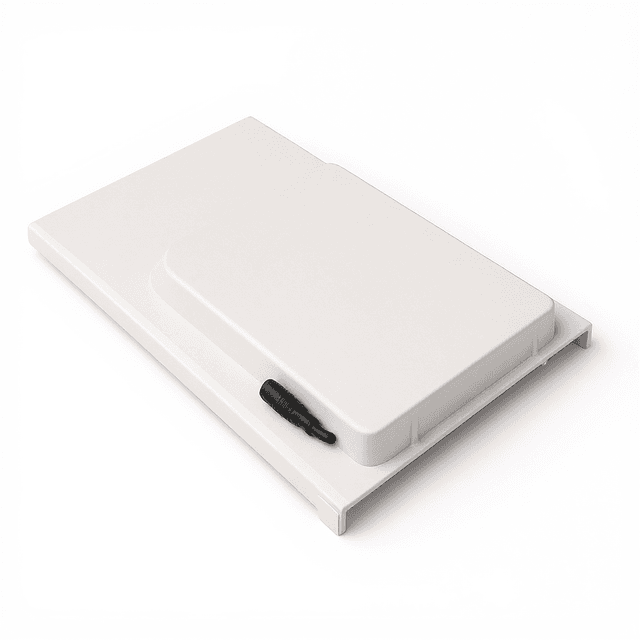
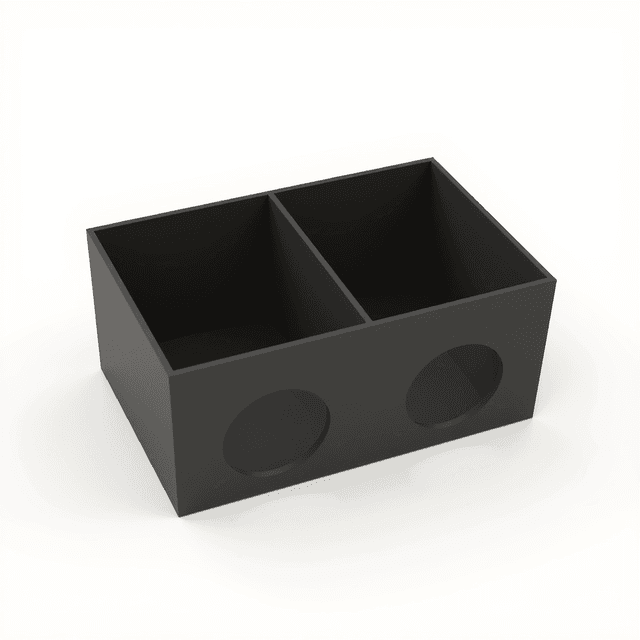
A removable dark box (8 cm × 14 cm× 11 cm) with an opening (4 cm × 4 cm) allowing the animal access in and out of the box, is inserted in the SmartCageTM system. The IR matrix automatically detects the light/dark place preference which helps to develop an anxiety-like behavioral analysis in the home cage. The test is performed for 10 minutes to record preference for the light or dark compartment. The latency of the first entry into the dark compartment, the number of transitions between dark and light compartments, and the time spent in the light compartment are the three parameters calculated by the SmartCageTM system to evaluate the anxiety-like behavior in rodents.
Tone-conditioning Fear Test (5 min) Using the Metal Grid Pad
Record a baseline session (5 min) and then pair the foot shocks with tone (5 shocks in 5 min). The recordings for the tone-conditioning fear memory can be taken 24 hours after the foot shocks. Place the animal in a new home cage. Free movement for 5 min as the new baseline is measured first, following the tone exposure (5 tones in 5 min). Measure the traveling distance, speed, and rearing in two baselines and with tones (one day or longer aftershocks) using the SmartCageTM system. The tone-conditioning fear test is used to evaluate hippocampus-independent memory.
Contextual-conditioning Fear Test (5 min) Using the Metal Grid Pad
Pair the foot shocks with tone. Place the animal back to the same foot shock setting but without shocks or tones for contextual fear. Measure the traveling distance and speed in the baseline (the same setting before shocks) and one day or longer (1 – 2 weeks) aftershocks using the SmartCageTM system. Hippocampus-dependent memory is reflected by the contextual-conditioning fear.
Applications
Evaluation of Rodent Motor and Neuropsychological Behavior (Khroyan et al., 2012)
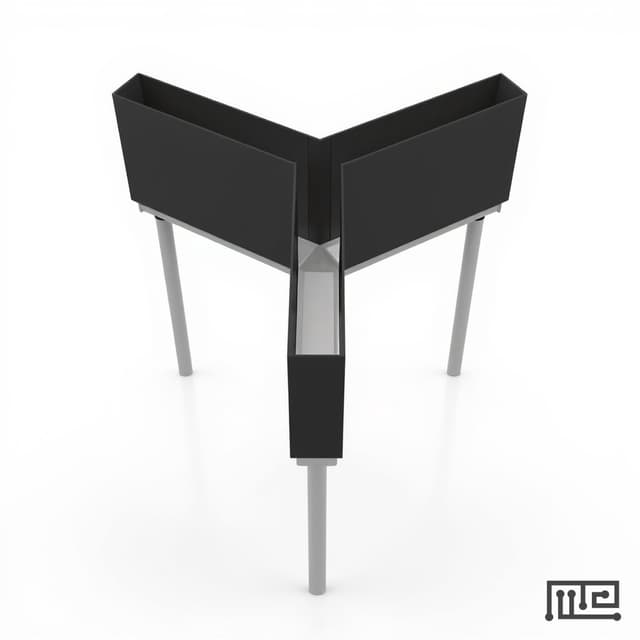
Khroyan et al. investigated the motor and neuropsychological behavior in rodents using the SmartCageTM system. The SmartCage™ system detected the drug-induced alterations in activity levels of rodents as well as changes in their movement patterns. More complex behaviors, including motor coordination, anxiety‐related behaviors, and social approach behavior, were also assessed by incorporating the modular devices. The SmartCageTM system has proficiently displayed the subtle yet significant differences in active time and the traveling distance between interleukin-4-knockout and wild-type mice that were subjected to focal ischemic insult. This system offers an automated, non-invasive and accurate tool to characterize various rodent behaviors in a ‘stress‐free’ environment to translate rodent neuropsychological as well as motor behavior in clinical research. The SmartCageTM system, incorporated with the specialized testing protocols and advanced modular devices, offers a powerful and valuable toolkit for transgenic phenotyping and in vivo drug screening.
Automated Monitoring of Early Neurobehavioral Changes in Mice Following Traumatic Brain Injury (Qu et al., 2016)
In the study, the SmartCage system, an automated, non-invasive, and cutting-edge quantitative approach, was used to evaluate the behavioral changes in mice following traumatic brain injury. Moderate controlled cortical impact (CCI) injury was induced in female C57BL/6 adult mice. The animals then received an array of behavioral assessments including neurological score, locomotor activity, sleep/wake states, and anxiety-like behaviors. The results suggested that the spontaneous activities following the injury were significantly decreased in the CCI group. However, the average percentage of time spent in both dark and light cycles were higher in the CCI group significantly than in the sham group. For anxiety-like behaviors, the time spent in a light compartment and the number of transitions between the dark/light compartments were all reduced in the CCI group significantly than in the sham group. Besides, the mice suffering from CCI exhibited a preference for staying in the dark compartment of a dark/light cage. The neurobehavioral assay employing the SmartCageTM system enables sensitive and objective measurements for psychological and behavioral alterations in mice following traumatic brain injury.
Validation of Reduced Locomotor Activity Correlating Arthritis Severity in a Mouse Model of Antibody-induced Arthritis (Rajasekaran et al., 2014)
The study was conducted to investigate the effect of arthritis on the locomotion of mice during K/BxN sera transfer arthritis. Intraperitoneal injection of 200ul of K/BxN sera was used to induce arthritis in Balb/c mice; the control group was injected with phosphate buffered saline (PBS). Joint thickness measurements on a daily basis were used to estimate the progress of arthritis. Travel distance and travel time were the operating parameters which were assessed every day for 20 minutes using the SmartCage™ platform. Data were analyzed using the CageScore™ software. The results showed a reduction in distance covered and travel speed of arthritic mice as compared to the control animals. Also, the decrease in locomotion of arthritic mice was caused by joint thickness. The research has demonstrated that the progression of K/BxN sera-induced arthritis can be measured by assessing the locomotor activity of mice using the SmartCage™ platform. The study validated that the SmartCageTM system offers a quantitative method to assess physical activity in mice during arthritis.
Evaluating the Anti-Amyloid-β and Neuroprotective Properties of a Novel Tricyclic Pyrone Molecule (Maezawa et al., 2017)
The in vivo efficacy of a lead tricyclic pyrone molecule to ameliorate Alzheimer's disease-like pathologies has been shown in mouse models. The study reported the selection and initial characterization of a new tricyclic pyrone molecule, which exhibited a higher anti-Aβ therapeutic index than the previous drug molecules. The SmartCageTM system was used to evaluate the drug effects on the spontaneous activity of the mice in home cages. CageScoreTM was used to analyze the data. The home cage activity, distance traveled in centimeters, average velocity were the parameters measured for assessing locomotion alterations in rodent's behavior. Drinking behavior was monitored using “LickoShock” module integrated with the SmartCageTM. Water consumption in 24 h was also manually weighed using a scale. The study indicated that the tricyclic pyrone is an active therapeutic agent to treat Alzheimer's disease with its synergistic neuroprotective actions, ability to modulate hippocampal plasticity positively, and favorable pharmacokinetic properties in rodents. Moreover, the research has validated that the SmartCageTM system is the best tool to evaluate the efficacy of neuroprotective drugs in laboratory rodents.
CX3CR1 ablation ameliorates motor and respiratory dysfunctions and improves survival of a Rett syndrome mouse model (Horiuchi et al., 2016)
Horiuchi et al investigated the impact of CX3CR1 ablation on Rett syndrome, a neurodevelopmental disorder affecting young girls. Using a mouse model with Rett syndrome-like symptoms, the study demonstrated that CX3CR1 ablation leads to significant improvements in motor and respiratory dysfunctions, suggesting a potential therapeutic avenue for Rett syndrome treatment. By employing the smart cage technology, researchers were able to accurately assess the effects of CX3CR1 ablation on motor and respiratory functions, providing valuable insights into the therapeutic benefits observed in the Rett syndrome mouse model.
Pattern Recognition of Sleep in Rodents UsingPiezoelectric Signals Generated by Gross Body Movements (Flores et al., 2007)
Flores et al present a method for recognizing sleep patterns in rodents using piezoelectric signals generated by gross body movements. The study focuses on developing a non-invasive and automated approach to monitor and classify sleep states in rodents. To achieve this, researchers employed a smart cage system equipped with piezoelectric sensors. These sensors detected mechanical vibrations produced by the rodents' gross body movements during different sleep stages. The smart cage system enabled continuous and real-time monitoring of the rodents' behavior and physiological responses, allowing for accurate data collection. The findings demonstrated that the piezoelectric signals captured by the smart cage system can effectively distinguish between wakefulness, non-REM (NREM) sleep, and REM sleep states in rodents. The pattern recognition algorithm developed based on the piezoelectric signals achieved high accuracy in classifying sleep stages, providing a reliable and automated method for sleep analysis. Overall, the combination of piezoelectric sensors and the smart cage technology offers a practical and efficient approach to study sleep patterns in rodents. This advancement in sleep monitoring could enhance preclinical research on sleep-related disorders and facilitate the investigation of potential treatments and interventions to improve sleep quality in both rodents and, potentially, humans.
Voluntary wheel-running attenuates insulin and weight gain and affects anxiety-like behaviors in C57BL6/J mice exposed to a high-fat diet (Hicks et al., 2016)
Hicks et al investigated the effects of voluntary wheel-running on insulin levels, weight gain, and anxiety-like behaviors in C57BL6/J mice fed a high-fat diet. To conduct the study, researchers utilized a smart cage system to monitor mouse behavior and activity levels. The smart cage technology allowed for continuous and automated tracking of various parameters, such as wheel-running activity, food intake, and movement patterns. The findings reveal that mice with access to voluntary wheel-running exhibit attenuated insulin levels, indicating improved insulin sensitivity, and reduced weight gain compared to sedentary mice fed the high-fat diet. Additionally, the study observed changes in anxiety-like behaviors in mice engaging in voluntary exercise, suggesting potential effects of physical activity on emotional well-being.
Strengths and Weaknesses of the SmartCageTM System
- The SmartCageTM is widely used for quantitative characterization of psychological and behavioral elements and their patterns in the freely moving rodents in their home cages demonstrating free moving behavioral structure and changes in mice with single gene mutations altering energy balance.
- As the home cages are used in the procedures, the transportation-induced stress is minimized.
- Rodents, particularly mice, are sensitive to environmental conditions. The previous behavioral assessment tools require acclimation period of at least 3-4 days; however, the SmartCageTM allows the researchers to conduct experimental manipulation in the home cages of the animals.
- The SmartCageTM system provides an automated and accurate tool to quantify various rodent behaviors in a ‘stress-free’ environment.
- The system offers a simple, versatile, and cost-effective toolkit for automated characterization and quantification of spontaneous activity, inactive state, or sleep.
- The SmartCage™ system efficiently expedites the process of behavioral phenotyping and in vivo drug screening.
- Automated animal behavioral testing and paradigms using the SmartCageTM system have revolutionized the translational research that moves drug discoveries at the molecular level towards clinical developments.
Storage and Cleaning
Although the SmartCage™ components are highly durable and virtually “maintenance-free," proper care is needed to prevent large dust particles (e.g., bedding litter) stick on the wall or directly block any IR sensor. Wash the floor-sensor with conventional laboratory detergent solutions (e.g., 0.25–0.5% bleach), make sure not to scratch the sensor or break the wire connector. Other modular devices and connectors should be cleaned with water and dried before using the system.
Precautions
- Adult mice should be used in the experiments employing SmartCageTM system for behavioral assays.
- The rodents should be allowed to habituate to the behavior room environment for 30 min before the procedures if the SmartCage™ system or other behavioral apparatuses are not set up at the animal facility.
- Sanitize the SmartCageTM with 0.25% bleach before starting any procedure.
- Always change gloves before handling mice from different cages.
From the Maze Engineers documentation for this apparatus.