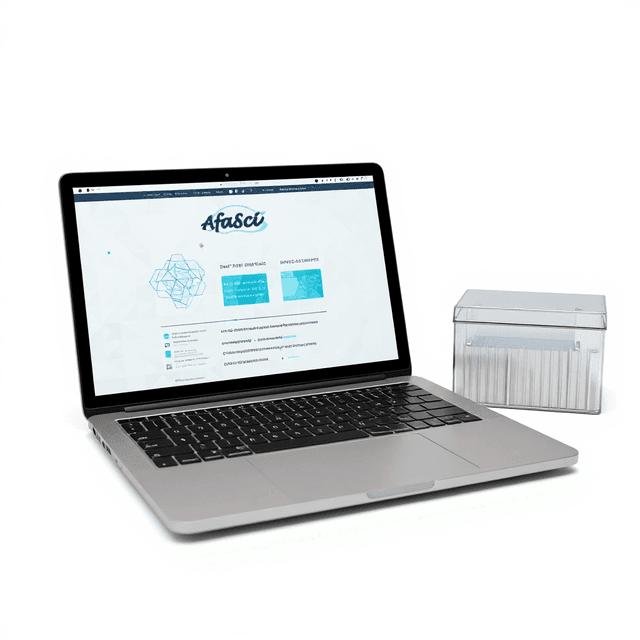
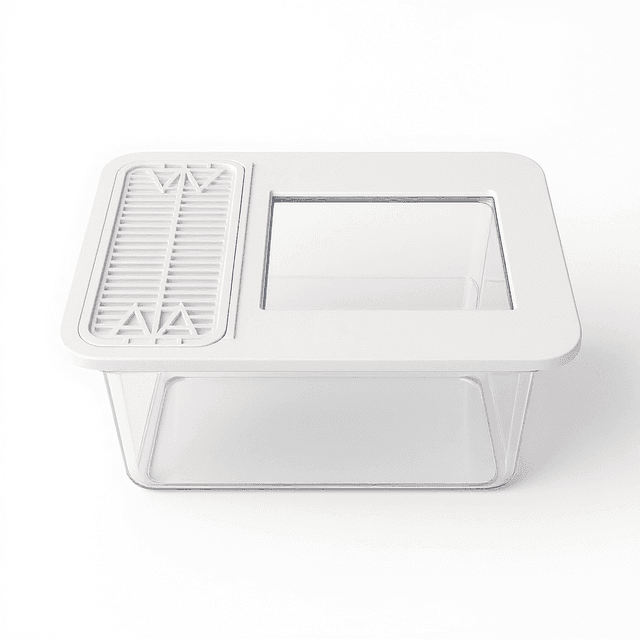
75JAG-Frame – Smartlid for Allentown 75JAG
Snap-on smart cage lid for Allentown 75JAG cages featuring NVIDIA edge AI and infrared depth vision for 24/7 automated behavioral tracking and locomotor analysis in the home cage environment.

Louise Corscadden, PhD
Director of Science · ConductScience
Ask Louise about 75JAG-Frame – Smartlid for Allentown 75JAG fit, setup, configuration, or quote prep.
Already working with us? Sign in to connect this with My Scientist.
Key Specifications
Full details →- Model fit
- Mouse, Rat
- SKU family
- CS-958356
- Shipping box
- 65.0 x 36.0 x 27.0 cm
- Ordering
- Online checkout and quote request available
- Category
- Husbandry Accessories
- Build notes
- Confirm accessories, station layout, and support needs before purchase
The 75JAG-Frame Smartlid transforms standard Allentown 75JAG rodent cages into continuous behavioral monitoring systems through integrated NVIDIA edge AI processing and infrared depth vision technology. The system tracks spontaneous behavior patterns 24/7 without requiring animal handling or experimental intervention, providing researchers with comprehensive locomotor activity data from the home cage environment.
This cage-based monitoring approach eliminates the stress-inducing effects of novel test environments while capturing natural circadian rhythms and long-term behavioral phenotypes. The onboard AI processing enables real-time behavior classification and reduces data transmission requirements compared to centralized video analysis systems.
How It Works
The Smartlid employs infrared depth vision sensors to create three-dimensional spatial maps of cage occupancy and movement patterns. Unlike traditional video tracking that relies on contrast detection, depth sensing provides accurate position data regardless of lighting conditions or animal coat color. The system continuously captures spatial coordinates and movement vectors at high temporal resolution.
Onboard NVIDIA edge AI processors execute real-time behavioral classification algorithms, distinguishing between locomotor activity, rearing, grooming, and resting behaviors based on movement patterns and posture analysis. This local processing approach reduces latency, minimizes data storage requirements, and enables immediate behavioral event detection without relying on external computing resources.
Features & Benefits
Behavioral Construct
- Locomotor Activity
- Circadian Rhythms
- Exploratory Behavior
- Spatial Cognition
- Spontaneous Behavior
Automation Level
- fully-automated
Research Domain
- Aging Research
- Anxiety and Depression
- Behavioral Pharmacology
- Learning and Memory
- Neuroscience
- Toxicology
Species
- Mouse
- Rat
Shipping weight
- 6.06 lb
Shipping box
- L: 65.0 cm
- W: 36.0 cm
- H: 27.0 cm
| Feature | This Product | Typical Alternative | Advantage |
|---|---|---|---|
| Processing Architecture | Onboard NVIDIA edge AI processing with real-time behavioral classification | Centralized video processing systems requiring continuous data streaming | Reduces network bandwidth requirements and provides immediate behavioral event detection without processing delays. |
| Tracking Technology | Infrared depth vision sensors for 3D spatial mapping | Standard video cameras relying on contrast detection | Provides consistent tracking accuracy independent of lighting conditions, animal coat color, or bedding type. |
| Installation Method | Snap-on design with included spacer for Allentown 75JAG cages | Generic mounting systems requiring custom adaptation | Maintains standard cage ventilation and husbandry protocols while ensuring optimal sensor positioning. |
| Monitoring Duration | Continuous 24/7 behavioral tracking capability | Session-based monitoring systems with limited recording windows | Captures complete circadian behavioral profiles and long-term phenotyping data without gaps. |
The 75JAG-Frame Smartlid combines cage-specific design optimization with advanced AI processing and depth sensing technology to provide comprehensive home cage behavioral monitoring. The system's edge computing architecture and infrared sensing approach address common limitations of traditional video-based tracking systems.
Practical Tips
Allow 24-48 hours of baseline recording before introducing experimental variables to establish individual behavioral patterns and circadian rhythms.
Why: Individual animals exhibit unique baseline activity patterns that serve as essential controls for detecting treatment effects.
Perform cage mapping calibration each time the spacer position is adjusted or cage configuration is modified.
Why: Spatial coordinate accuracy depends on precise sensor positioning relative to the cage dimensions and internal structures.
Clean infrared sensor surfaces weekly with alcohol wipes to prevent dust accumulation that could affect depth sensing accuracy.
Why: Dust or debris on sensor surfaces can create artifacts in depth measurements and reduce tracking precision.
Monitor network connectivity status regularly to ensure continuous data transmission and prevent gaps in behavioral records.
Why: Interrupted data collection can compromise longitudinal behavioral analysis and circadian rhythm assessment.
Verify cage-specific spacer installation if tracking accuracy appears inconsistent across different cage positions.
Why: Improper spacer alignment can create sensor blind spots or incorrect spatial calibration parameters.
Ensure all power connections are secure and cables are routed to prevent animal access during cage changing procedures.
Why: Exposed cables or loose connections pose electrical hazards and can be damaged by animal contact during husbandry activities.
Setup Guide
What’s in the Box
- 75JAG-Frame Smartlid unit
- Snap-on spacer for Allentown 75JAG cages
- Power adapter and cables (typical)
- Network connection cable (typical)
- Installation and setup guide (typical)
- Data analysis software license (typical)
Warranty
ConductScience provides a one-year manufacturer warranty covering hardware defects and technical support for system setup and integration with existing laboratory data management systems.
Compliance
How does the infrared depth vision system maintain accuracy across different bedding types and cage configurations?
The depth sensing technology measures three-dimensional spatial coordinates independent of surface texture or color, providing consistent tracking accuracy across various bedding materials and cage setup configurations.
What behavioral parameters can the onboard AI system classify in real-time?
The edge AI processing distinguishes between locomotor activity, rearing behaviors, grooming episodes, and resting periods based on movement patterns and posture analysis. Consult product datasheet for complete behavioral classification categories.
How does home cage monitoring compare to traditional open field or novel environment testing?
Home cage monitoring eliminates stress-induced behavioral changes associated with novel environments while capturing natural circadian patterns and baseline activity levels that may be suppressed in traditional testing paradigms.
What data formats are supported for export to analysis software platforms?
The system supports standard data export formats for integration with behavioral analysis software platforms. Consult product datasheet for specific file formats and API compatibility information.
How does the snap-on design affect standard cage ventilation and husbandry procedures?
The spacer design maintains original cage ventilation patterns while providing necessary sensor positioning, allowing standard feeding, watering, and cage changing protocols to continue unchanged.
What is the recommended baseline recording period before introducing experimental variables?
A 24-48 hour baseline recording period is recommended to establish individual behavioral patterns and circadian rhythms before implementing experimental interventions or drug treatments.
Have a question about this product?
Have a question? Just ask.
Send it over and we'll email you a personalized answer — no call, no scheduling.
Prefer to talk it through?
Accessories
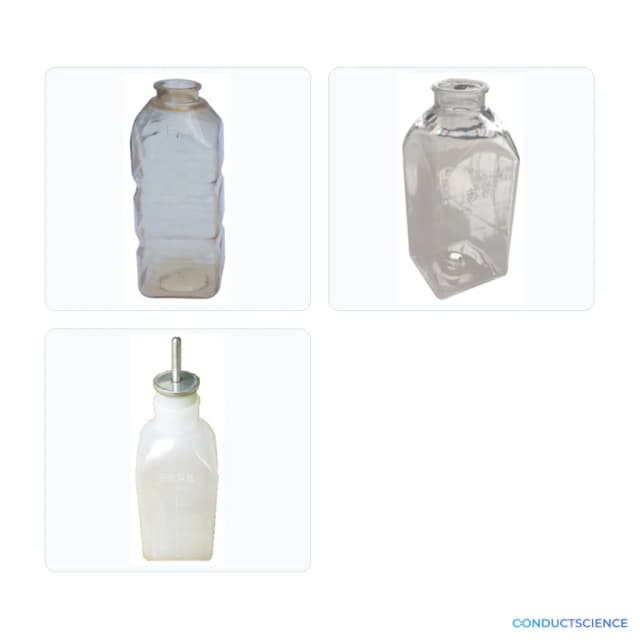
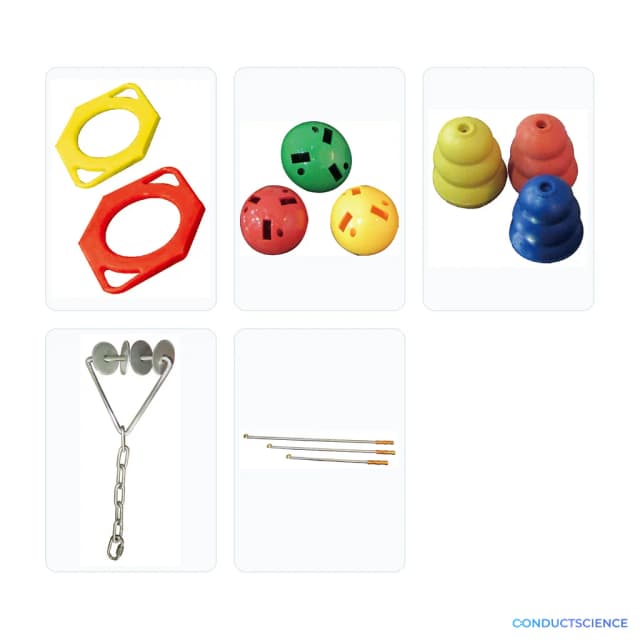
Enhance your setup with compatible accessories