Introduction
The Active Place Avoidance (APA) Arena is used to assess spatial navigation and memory in rodents. The original apparatus was developed by André Antonio Fenton and was used to study the electrophysiology of place cells in the hippocampus of rats. Results from the Place Avoidance task revealed an influence of not just the environment but also the activity and experience of the subject on the activity of the place cells. The Place Avoidance task was then further improved into the Active Place Avoidance task by using a constantly rotating arena (Bures, Fenton, Kaminsky, & Zinyuk, 1997).
The Active Place Avoidance Arena relies on place navigational abilities and instrumental responses of the subject for avoidance area localization and avoidance reaction, respectively. The apparatus, also known as Carrousel Maze, uses a slowly rotating platform that has fixed shock sectors defined by distal room cues. The subject is tasked with recognizing the shock sectors and avoid it by moving in the arena by relying more on allothetic strategies than simple associations. The task can be extended to the investigation of cognitive coordination as well as evaluation of the effects of lesions, diseases, and pharmacological manipulations.
Other tasks also used in the assessment of spatial navigation include the Two-way Shuttle Box, the Step-down Avoidance, the Morris Water Maze task and the Barnes Maze task.
Apparatus & Equipment
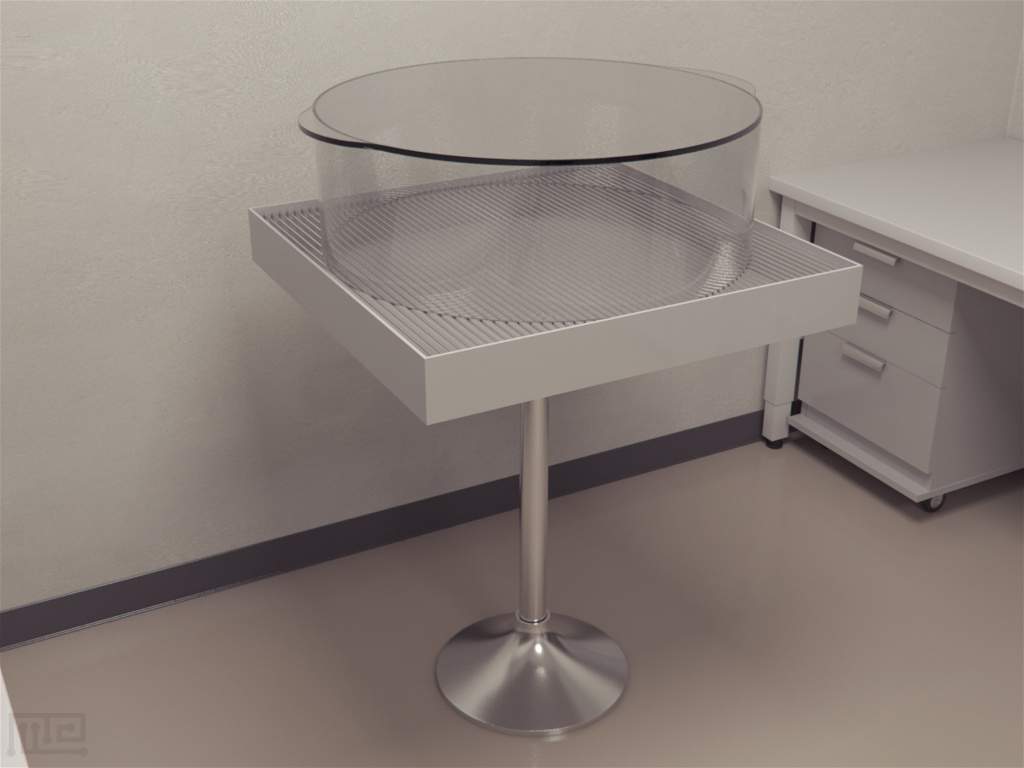
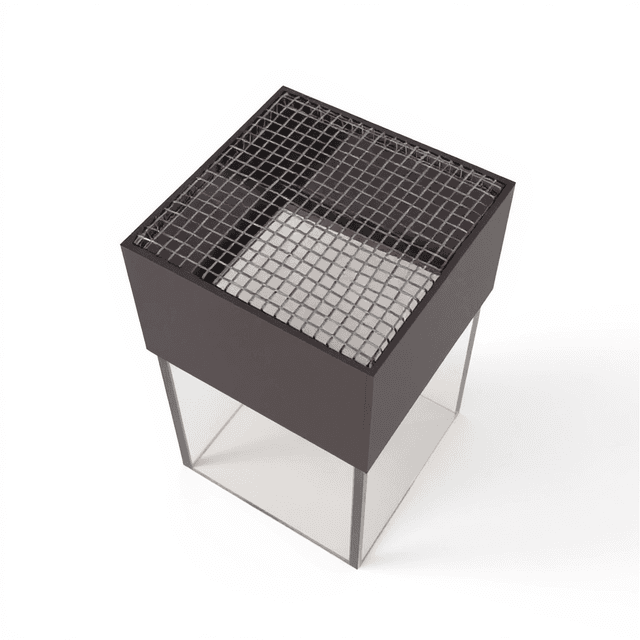
The Active Place Avoidance Arena consists of a rotating 78 cm diameter acrylic arena placed on a stainless-steel metal grid floor of 80 x 80 cm dimension. The arena is walled by a 24 cm high clear acrylic fence. The entire apparatus is raised above the ground by 35 cm tall metal stand. The APA comes with shock cables and an electronic control box to deliver shocks to the subject and control the rotation, respectively.
Training Protocol
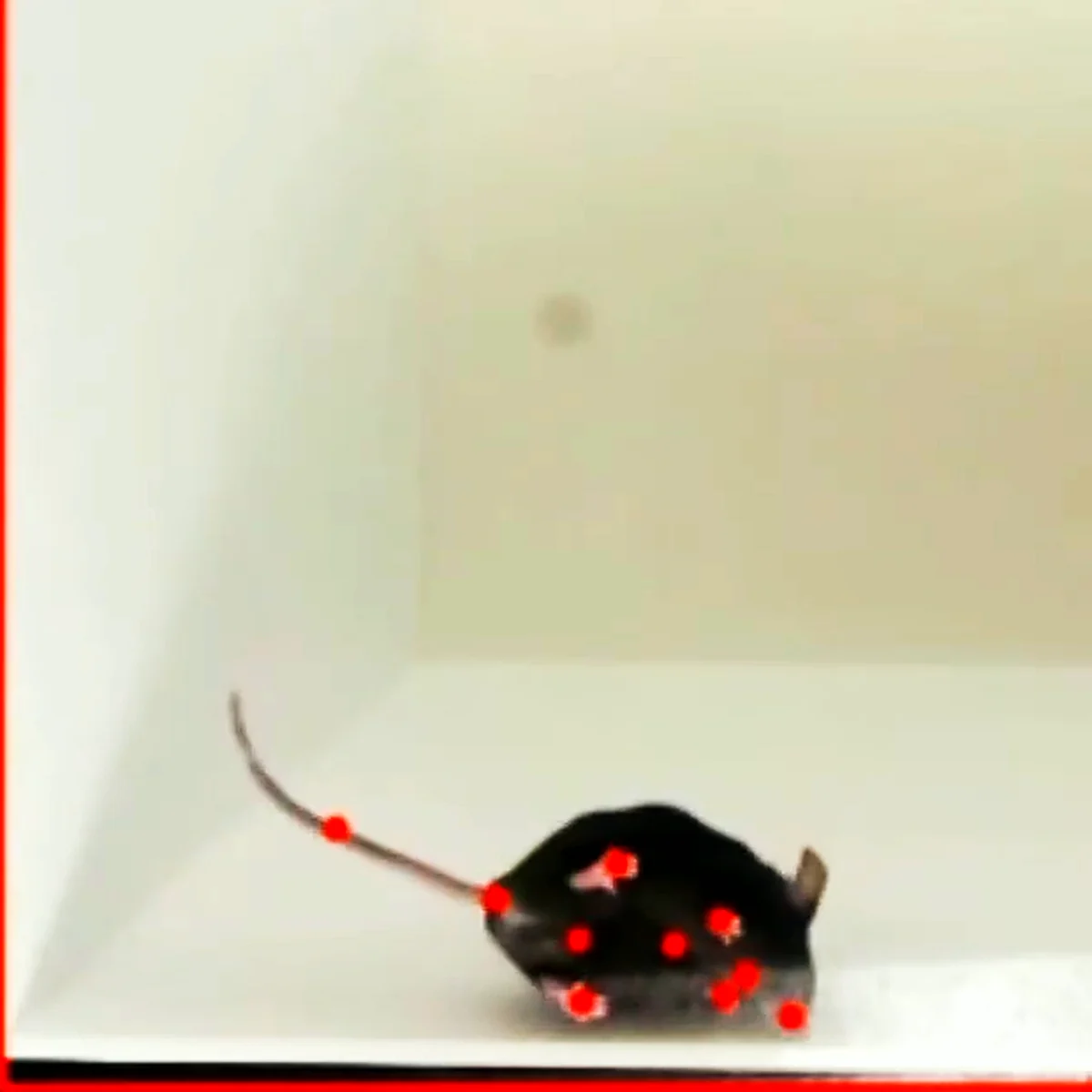
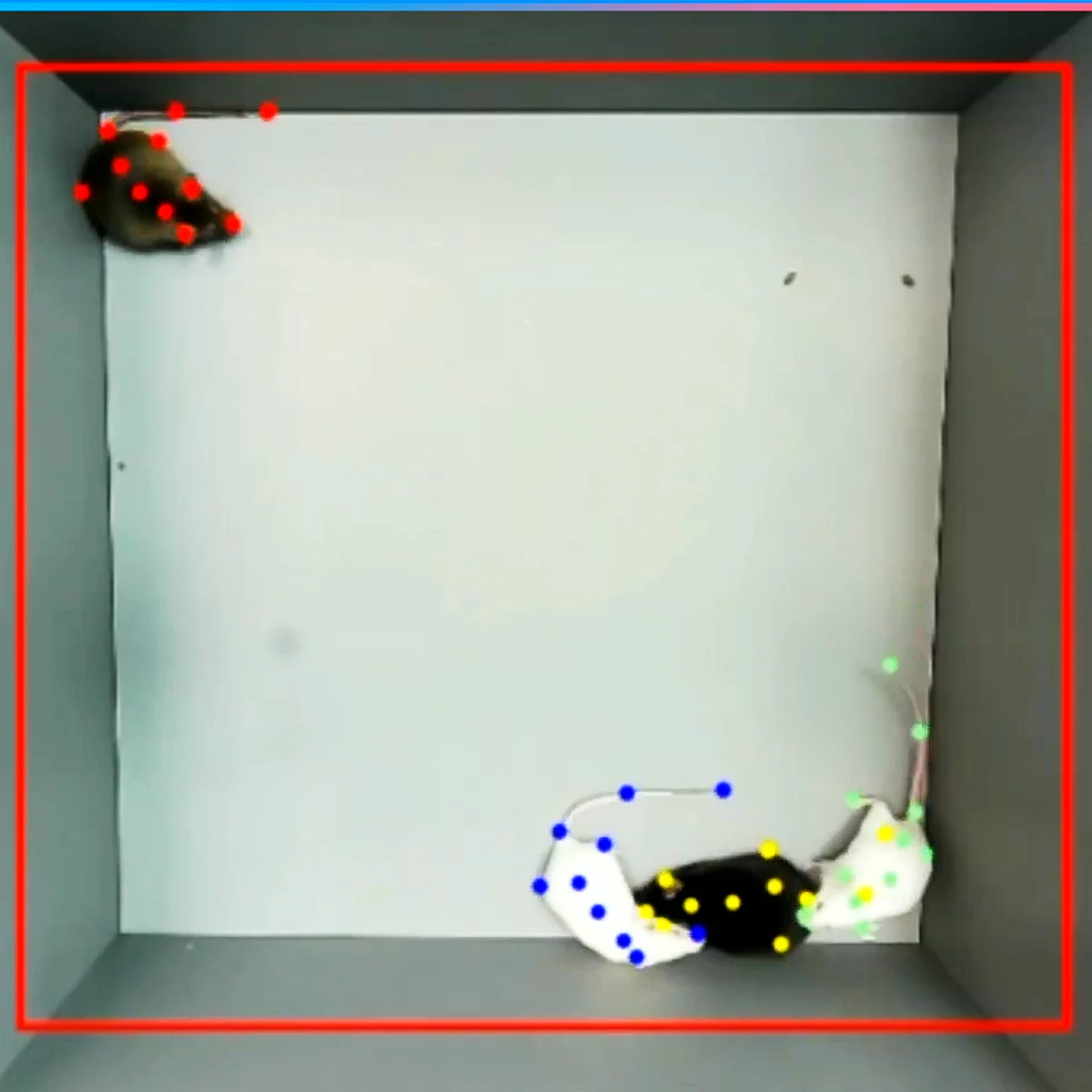
Clean the entire apparatus thoroughly before and after every session to remove any unwanted cues that can influence the performance of the subjects. An overhead video and tracking system such as the Noldus Ethovision XT can be used to assist with observation of the subject’s task performance.
Habituation and Pretraining
Handle the subjects daily for 30 to 60 seconds 2 weeks prior to testing to familiarize them with the experimenter. One day before testing, habituate the subject to the testing room. Following handling and testing room habituation, place the subject in the test arena with the platform rotating counter-clockwise (1 rpm), and the shock turned off. Allow the subject to explore the arena for 20 minutes.
Active Place Avoidance Learning Training
Place the visual cues around the test area. Place the subject at the starting position facing the wall opposite the shock zone. Turn on the shock zone and begin rotating the platform. Observe the subject’s performance for 20 minutes. Place avoidance testing can be performed either using a one-day learning paradigm or a five-day learning paradigm. For the five-day learning paradigm, perform five 20 minutes trial, 24 hours apart. Ensure that the location of the shock zone and the visual cues remain constant for all trials.
White Barrel Training
Twenty-four hours following place avoidance training remove all visual cues and replace the clear acrylic barrier with an opaque white barrier. Perform observation of the subject’s behavior for 20 minutes.
Reversal Learning
Twenty-four hours after the white barrel training, restore the apparatus setting to that used in the place avoidance learning training. For reversal training, however, change the position of the shock zone 180° opposite of the previously used location. Perform five 20 minutes trial, 24 hours apart.
Place avoidance task in mice for assessing spatial navigation
Cimadevilla, Fenton, and Bures (2001) used a modified active place avoidance arena that made use of compressed air-puffs rather than an electric shock to evaluate the spatial navigation performance of 6-month-old male Ju strain mice. Subjects were evaluated in both passive and active place avoidance tasks, and the performances were compared to assess the spatial abilities. It was observed that in the stable arena tasks the subjects were able to learn the location of the prohibited area as evident from the decreased distance and lower entries into the area. When subjects were required to transition from stable conditions to active (rotating arena) conditions a disruption in the subjects’ orientation could be observed. Subjects were seen entering the prohibited are more frequently with decreased entry latency in comparison to the stable condition task. However, the subjects were able to learn active avoidance and apply it to the sessions following the first active condition task.
Evaluation of effects of varied arena rotation speed on active place avoidance performance
Bahník and Stuchlík (2015) evaluated the performances of male Long-Evans rats in the active place avoidance task using varying speeds. Subjects were divided into two experimental groups. Controls were always evaluated on a stable rotation speed of 1 rpm while the experimental group was evaluated on rotation speeds varying from 0.60 to 1.34 rpm in the learning phase of the task. Subjects were evaluated at the arena rotation speed of 1 rpm in the dark to prevent them from using any visual cues. Measure to prevent auditory and olfactory cues were also put in place. Results from the task revealed no effect of arena rotation speed on the subject’s locomotion or their ability to avoid the prohibited areas of the arena. Further, both group’s performance worsened in the dark phase testing.
Data Analysis
The following data can be obtained from the Active Place Avoidance task:
- Number of entrances into the prohibited sector
- Latency until the first visit to the prohibited sector
- Number of shocks per entrance into the prohibited sector
- Total path length
Strengths & Limitations
Strengths
The Active Place Avoidance task provides a simple and straightforward method of assessing spatial navigation and learning in rodents. The task requires minimal training and is easy to set-up. Since the apparatus is a dry-arena task, unlike the Morris Water Maze task, weanling rodents can also be evaluated. The maze can be adapted for different investigatory requirements through simple modifications such as using compressed air-puffs instead of electric shocks (Cimadevilla et al., 2001). The rotating arena eliminates the use of simple associative learning, idiothetic navigation and substratal exteroceptive cues in the identification of the punished area. Learning in the active place avoidance arena is rapid. Hence, performances can be evaluated in short-term as well as long-term tasks.
Limitations
The Active Place Avoidance task requires animals with good vision and locomotion abilities. Subjects motivation to participate in the task is also an important factor. Performances may be affected by unintended visual, auditory or olfactory stimuli. The use of electric shocks may stress the subject thus affecting task performance. The open area and the light intensity may be anxiogenic for the subjects. Performances in the maze may not measure all aspects of learning and memory. Consideration of different processes that play into task performances must be understood before deriving results from the observations.
Summary & Key Points
- The Active Place Avoidance Arena is used to assess spatial navigation and memory in rodents.
- The rotating arena used in the Active Place Avoidance task eliminates the use of simple associations and forces the subject to keep moving to avoid the shock area.
- The shock sector of the arena is defined by distal room cues.
- The dry-arena makes Active Place Avoidance task suitable for evaluating spatial navigation performances of weanling rodents.
- Active Place Avoidance can be used as an effective tool for investigating the effects of brain lesions, pharmacological manipulations, and diseases on spatial learning and memory.
References
Bahník, Š., & Stuchlík, A. (2015). Temporal and spatial strategies in an active place avoidance task on Carousel: a study of effects of stability of arena rotation speed in rats. PeerJ 22, 3:e1257. DOI: 10.7717/peerj.1257
Bures, J., Fenton, A. A., Kaminsky, Y., & Zinyuk, L. (1997). Place cells and place navigation. Proc Natl Acad Sci U S A 94(1), 343-50. DOI: 10.1073/pnas.94.1.343
Cimadevilla, J. M., Fenton, A. A., & Bures, J. (2001). New spatial cognition tests for mice: passive place avoidance on stable and active place avoidance on rotating arenas. Brain Research Bulletin. 54(5), 559-63. DOI: 10.1016/S0361-9230(01)00448-8
Stuchlík, A., Petrásek, T., Prokopová, I., Holubová, K., Hatalová, H., …, Wesierska, M. (2013). Place avoidance tasks as tools in the behavioral neuroscience of learning and memory. Physiological Research 62 (Suppl 1), S1-S19.
Willis, E. F., Bartlett, P. F., & Vukovic, J. (2017). Protocol for Short- and Longer-term Spatial Learning and Memory in Mice. Frontiers in Behavioral Neuroscience 11, 197. DOI: 10.3389/fnbeh.2017.00197
From the Maze Engineers documentation for this apparatus.