Intra-Dimensional Extra Dimensional (IDED) Set Shift
SKU CS-958233
$12,999.99
IncludesStandard care
Cognitive flexibility assessment paradigm for evaluating attention set formation, maintenance, and shifting in laboratory animal models through systematic discrimination learning stages.
CE MarkedBAA available
Scientist guidance

Louise Corscadden, PhD
Director of Science · ConductScience
Ask Louise about Intra-Dimensional Extra Dimensional (IDED) Set Shift fit, setup, configuration, or quote prep.
Already working with us? Sign in to connect this with My Scientist.
Key Specifications
Full details →- Model fit
- Mouse, Rat
- SKU family
- CS-958233
- Shipping box
- 65.0 x 36.0 x 27.0 cm
- Ordering
- Online checkout and quote request available
- Category
- Behavioral Mazes
- Build notes
- Confirm accessories, station layout, and support needs before purchase
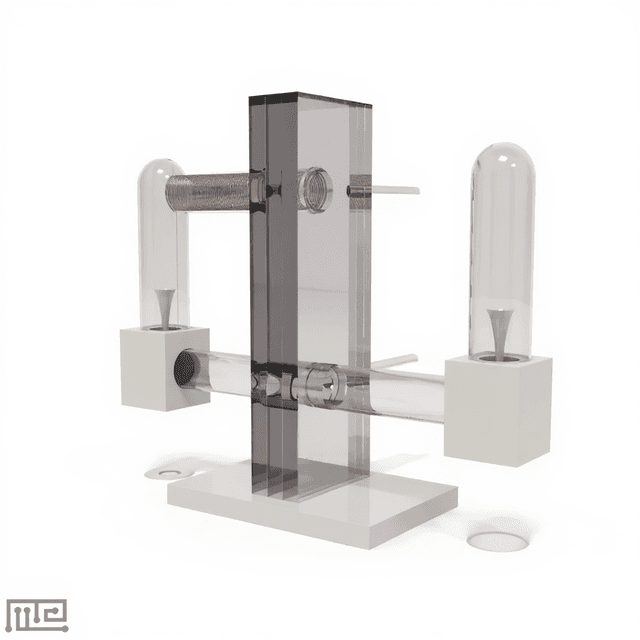
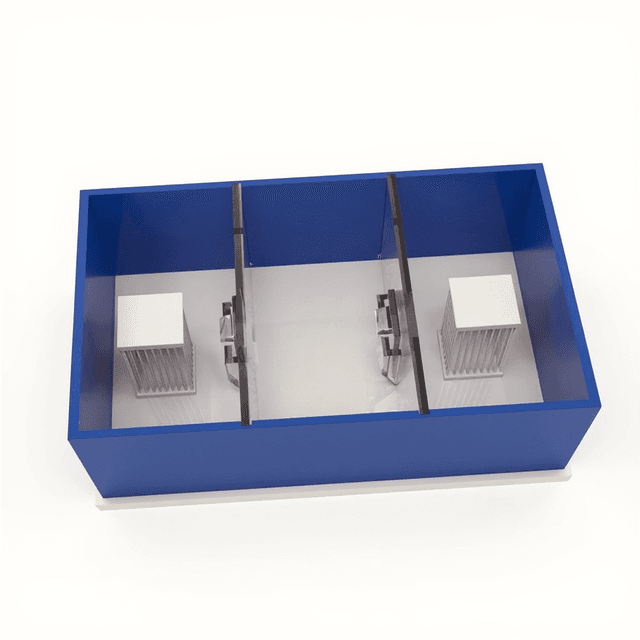
The Intra-Dimensional Extra Dimensional (IDED) Set Shift is a cognitive flexibility assessment paradigm designed to evaluate attention set formation, maintenance, and shifting in laboratory animal models. This behavioral testing protocol measures an animal's ability to learn discrimination rules based on different perceptual dimensions and subsequently shift attention between these dimensions when task contingencies change.
The IDED paradigm systematically progresses through stages of increasing cognitive demand, beginning with simple discrimination learning and advancing through compound discrimination, reversal learning, intra-dimensional shifts, and finally extra-dimensional shifts. This progression allows researchers to isolate specific components of executive function, particularly the ability to overcome previously learned attention sets when environmental demands change. The protocol is widely used in translational neuroscience research to model cognitive inflexibility observed in various neuropsychiatric conditions.
How It Works
The IDED paradigm operates on the principle that animals naturally form attention sets when learning discrimination tasks involving multiple perceptual dimensions. During initial training, subjects learn to discriminate between stimuli that vary along multiple dimensions (such as shape, color, texture, or odor) but only one dimension is consistently rewarded. Through repeated trials, animals develop an attention set toward the relevant dimension while ignoring irrelevant dimensions.
The cognitive challenge emerges during the extra-dimensional shift phase, where the previously irrelevant dimension becomes the new basis for reward, requiring subjects to overcome their established attention set. This shift demands prefrontal cortex-mediated cognitive control to inhibit the previously learned rule and acquire a new discrimination strategy. The paradigm systematically controls for non-specific factors such as motor learning, motivation, and general discrimination ability by including control stages like simple discrimination, compound discrimination, and reversal learning.
Performance is measured by trials to criterion at each stage, with particular emphasis on the extra-dimensional shift phase where cognitive inflexibility manifests as perseverative responding to the previously relevant dimension. This allows researchers to quantify attention set formation strength and flexibility with high precision.
Features & Benefits
Systematic stage progression
Allows isolation of specific cognitive components and identification of the precise stage where deficits emerge
Multiple perceptual dimensions
Enables assessment of attention set formation across different sensory modalities and stimulus types
Standardized performance criteria
Provides objective, quantifiable measures of cognitive flexibility that are comparable across studies and laboratories
Control for non-cognitive factors
Distinguishes cognitive flexibility deficits from general learning impairments or motivational issues
Translational validity
Directly parallels human cognitive flexibility tasks, facilitating translation between preclinical and clinical research
Prefrontal cortex sensitivity
Specifically targets executive functions mediated by prefrontal cortex circuits relevant to neuropsychiatric disorders
Behavioral Construct
- cognitive flexibility
- attention set shifting
- executive function
- perseveration
- reversal learning
Automation Level
- semi-automated
Research Domain
- Aging Research
- Anxiety and Depression
- Behavioral Pharmacology
- Learning and Memory
- Neurodegeneration
- Neuroscience
Species
- Mouse
- Rat
Compatible Tracking Software
- ConductVision
Shipping weight
- 6.06 lb
Shipping box
- L: 65.0 cm
- W: 36.0 cm
- H: 27.0 cm
| Feature | This Product | Typical Alternative | Advantage |
|---|---|---|---|
| Cognitive Specificity | Systematically isolates attention set shifting from general behavioral flexibility through multi-stage progression | Single-stage reversal tasks assess general behavioral flexibility but cannot isolate specific cognitive components | Enables precise identification of the cognitive process underlying performance deficits |
| Translational Validity | Direct analog to human Wisconsin Card Sorting Task and Cambridge Neuropsychological Test Battery | Many animal cognitive tasks have limited correspondence to human executive function measures | Facilitates meaningful translation between preclinical findings and clinical populations |
| Control Conditions | Includes multiple control stages to isolate attention set shifting from confounding factors | Simpler paradigms often lack adequate controls for motivation, learning ability, and task switching | Ensures cognitive flexibility deficits are not due to general learning impairments or non-cognitive factors |
| Sensitivity to Brain Regions | Specifically sensitive to prefrontal cortex function and associated neural circuits | General cognitive tasks may involve multiple brain systems making interpretation difficult | Provides targeted assessment of brain regions most relevant to neuropsychiatric disorders |
The IDED paradigm provides a comprehensive, well-controlled assessment of cognitive flexibility with strong translational validity and sensitivity to prefrontal cortex dysfunction. Its multi-stage design enables precise characterization of attention set formation and shifting capabilities.
Neuroscience
Investigating prefrontal cortex function and cognitive flexibility deficits in animal models of schizophrenia, autism spectrum disorders, and other neuropsychiatric conditions.
Behavioral Pharmacology
Evaluating the effects of pharmacological interventions on cognitive flexibility and attention set shifting capabilities in preclinical drug development.
Learning and Memory
Assessing cognitive flexibility as a component of executive function and its relationship to working memory and attention control mechanisms.
Anxiety and Depression
Examining cognitive inflexibility as a behavioral phenotype in animal models of mood disorders and testing therapeutic interventions.
Neurodegeneration
Characterizing executive function decline in animal models of Alzheimer's disease, Parkinson's disease, and other neurodegenerative conditions.
Aging Research
Investigating age-related changes in cognitive flexibility and attention set shifting across the lifespan in animal models.
Practical Tips
Best Practices
Use consistent handling procedures and test at the same time each day to minimize stress-related variability in cognitive performance.
Why: Stress and circadian factors can significantly impact prefrontal cortex function and cognitive flexibility
Calibration
Conduct pilot studies to establish appropriate performance criteria and stimulus discriminability for your specific population and apparatus.
Why: Optimal criteria ensure reliable data collection while maintaining appropriate task difficulty
Maintenance
Regularly verify stimulus materials remain clearly discriminable and replace any worn or contaminated items between subjects.
Why: Degraded stimuli can introduce confounding variables and reduce the reliability of discrimination learning
Data Quality
Record detailed error patterns and response latencies in addition to trials to criterion for comprehensive cognitive profiling.
Why: Error analysis provides insights into perseverative responding and cognitive strategies beyond simple performance measures
Troubleshooting
If subjects fail to reach criterion after extended training, verify motivation levels and consider adjusting stimulus discriminability before concluding cognitive impairment.
Why: Poor performance may reflect procedural issues rather than genuine cognitive deficits
Safety
Monitor subjects for signs of stress or excessive frustration during challenging stages and adjust session length accordingly.
Why: Excessive stress can impair cognitive performance and compromise animal welfare during demanding cognitive tasks
Setup Guide
Prepare Testing Environment
Set up a quiet, controlled testing environment with consistent lighting and minimal distractions. Ensure the testing apparatus is clean and properly positioned.
Configure Stimulus Materials
Prepare discrimination stimuli that vary along multiple dimensions (e.g., shapes with different colors, textures, or odors). Ensure stimuli are clearly distinguishable and counterbalanced.
Establish Baseline Motivation
Implement appropriate food restriction or alternative motivational protocols according to institutional guidelines. Verify subjects are sufficiently motivated but not overly stressed.
Conduct Pre-Training
Train subjects on basic operant responses required for the task (e.g., digging, touching, or approaching stimuli) before beginning discrimination training.
Begin Simple Discrimination
Start with the simple discrimination stage using only one stimulus dimension to establish basic task understanding and performance criteria.
Progress Through Stages
Systematically advance through compound discrimination, reversal, intra-dimensional shift, and extra-dimensional shift stages based on predetermined performance criteria.
Monitor and Record
Continuously monitor subject performance, recording trials to criterion, error types, and latencies at each stage for subsequent analysis.
What’s in the Box
- IDED protocol manual with standardized procedures (typical)
- Stimulus preparation guidelines (typical)
- Data collection templates (typical)
- Performance criteria specifications (typical)
- Training protocols and troubleshooting guide (typical)
Warranty
ConductScience provides comprehensive protocol support and methodological guidance for IDED implementation. Technical assistance is available for protocol customization and data analysis approaches.
Compliance
ARRIVE Guidelines 2.0Supports comprehensive reporting of animal research methodology and behavioral outcome measures in cognitive flexibility studies
NIH Guidelines for Animal ResearchCommonly implemented in federally-funded research programs investigating cognitive function and neuropsychiatric disease models
Q
What is the typical duration required to complete the full IDED protocol?
A
The complete IDED protocol typically requires 5-7 testing days per subject, with daily sessions lasting 30-60 minutes. The duration depends on individual learning rates and the specific performance criteria used.
Q
How do I determine appropriate performance criteria for each stage?
A
Standard criteria are 6-8 consecutive correct responses per stage, but this can be adjusted based on species, age, and experimental requirements. Pilot testing helps establish optimal criteria for your specific population.
Q
Can the IDED paradigm be adapted for different stimulus modalities?
A
Yes, the protocol is highly adaptable and has been successfully implemented using visual, tactile, olfactory, and auditory stimulus dimensions. The key is ensuring stimuli are clearly discriminable within each dimension.
Q
What are the most common sources of variability in IDED performance?
A
Main sources include individual differences in motivation, prior experience with similar tasks, stress levels, and genetic background. Standardized housing, handling, and motivational procedures help minimize variability.
Q
How should I analyze and interpret IDED data?
A
Primary measures include trials to criterion at each stage, with particular focus on the extra-dimensional shift. Error analysis, response latencies, and stage completion rates provide additional insights into cognitive processing.
Q
What control conditions are essential for proper IDED interpretation?
A
Critical controls include simple discrimination and reversal stages to assess basic learning ability, and intra-dimensional shifts to control for general task switching demands while isolating attention set shifting.
Have a question about this product?
Track rodents with ConductVision
ConductVision is our video-tracking software. Record your sessions on video, and it scores standard rodent tests, such as those listed below.
Examples of tests it scores
To check whether ConductVision scores your protocol in this apparatus, ask in your quote request.
Ask a question
Have a question? Just ask.
Send it over and we'll email you a personalized answer — no call, no scheduling.
Personalized email reply
Usually within one business day
Helpful answers published here
Prefer to talk it through?
Accessories
Enhance your setup with compatible accessories

Total: $0.00
Frequently Bought Together
+
+
Total: $9,380.00


Intra-Dimensional Extra Dimensional (IDED) Set Shift
$12,999.99
Added to quoteView Quote