Neuwirth-BrownTM Attention Set-shift Test (ASST)
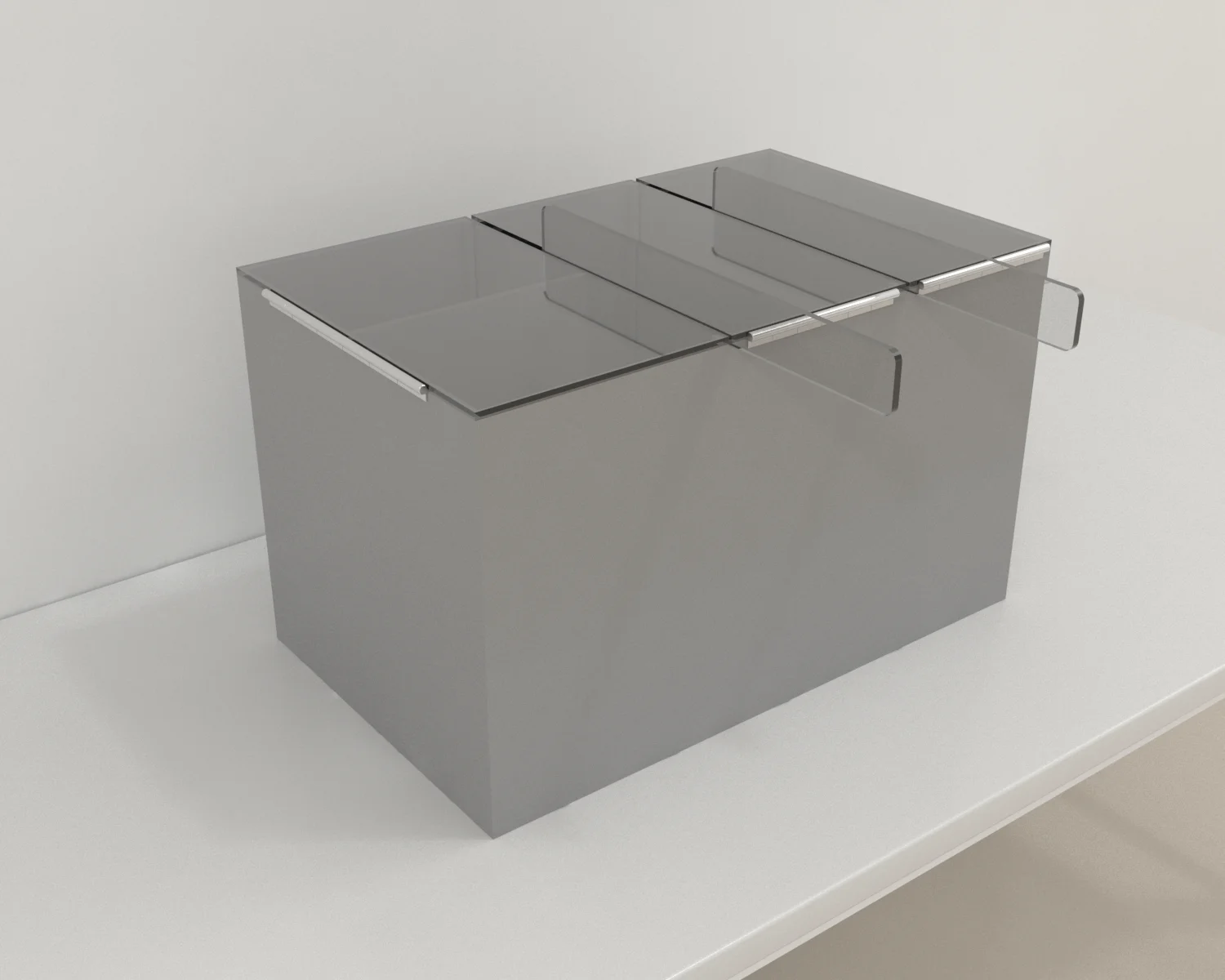
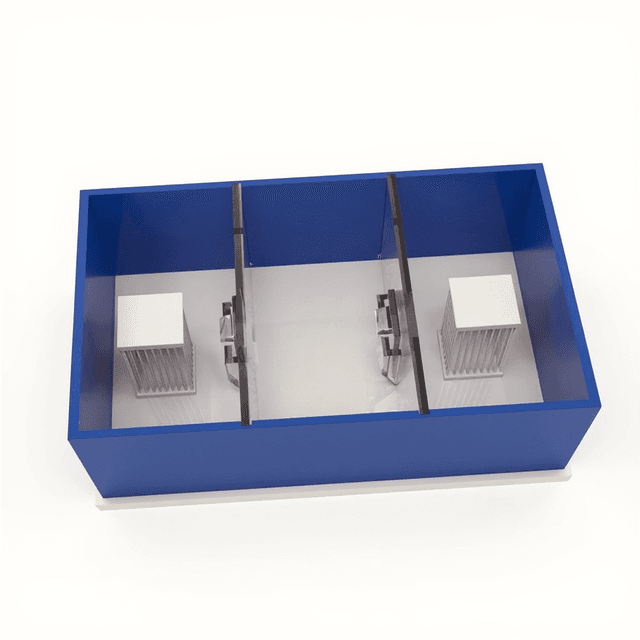
Multi-sectioned plexiglass behavioral chamber for assessing cognitive flexibility and attentional set-shifting in rodents through texture and scent discrimination tasks.

Louise Corscadden, PhD
Director of Science · ConductScience
Ask Louise about Neuwirth-BrownTM Attention Set-shift Test (ASST) fit, setup, configuration, or quote prep.
Already working with us? Sign in to connect this with My Scientist.
Key Specifications
Full details →- Model fit
- Mouse, Rat
- SKU family
- CS-958352
- Shipping box
- 65.0 x 36.0 x 27.0 cm
- Ordering
- Online checkout and quote request available
- Category
- Behavioral Mazes
- Build notes
- plexiglass
Overview
The Neuwirth-Brown™ Attention Set-shift Test (ASST) represents an evolution of traditional attentional set-shifting methodologies. It integrates scent and texture discrimination while expanding behavioral assessment to include latency to retrieve and consume food rewards. This tool addresses limitations in the original ASST by capturing relationships between prefrontal attentional mechanisms, frontal executive behavior, and neurochemical processes.
The apparatus consists of a multi-sectioned plexiglass chamber with integrated food reward delivery systems, enabling systematic evaluation of both intradimensional and extradimensional shifting capabilities. Validated by over 135 publications.
Key Advantages
| Advantage | Description |
|---|---|
| Expanded Paradigm | 4-day testing protocol instead of a single 10-hour session |
| Reduced Stress | Increases motivation, minimizes exhaustion |
| New Parameters | Includes latency to eat, time holding food, and reward consumption metrics |
| Versatile Discrimination | Uses odor cues, tactile media, and reversal learning |
| Species Adaptable | Configurable for both mice and rats |
| Well-Cited | Over 135 publications validate its research utility |
Training Protocol
Pre-Training Phase
Food restriction for 2 weeks under NIH guidelines to ensure steady metabolic state and motivation. Dig training with incremental shredded paper depths (25% → 100%) until completion of 10 successful retrievals.
Four-Day Test Protocol
- Day 1: Two-choice stimuli (odor or texture) paired with food reward
- Day 2: New stimuli sets, discrimination reversals
- Day 3: Interdimensional shifts and reversals
- Day 4: Extradimensional shifts and reversals
Parameters Measured
- Time to reach food bowl
- Latency to approach and eat
- Correct vs incorrect discriminations
- Time holding and consuming reward
Applications
- Study of attentional flexibility and executive function
- Evaluation of fronto-executive dysfunctions from neurodevelopmental lead exposure
- Pharmacological studies of drugs targeting cognition
- Modeling of psychiatric and neurodevelopmental disorders (ADHD, schizophrenia, dementia)
- Research into sex, age, and strain-specific behavioral differences
- Neurotoxicological exposure studies
Specifications
Mouse ASST
- Principal chamber: 14 × 8.5 × 8 in, split into 3 sections
- Flip-up lids: 8.75 × 4.25 in (×2)
- Food bowls: 12 plexiglass bowls (1.75 in diameter)
Rat ASST
- Principal chamber: 28 × 16.5 × 16 in, split into 3 sections
- Flip-up lids: 17.5 × 8.5 in (×2)
- Food bowls: 24 plexiglass bowls (3.5 in diameter)
Strengths & Limitations
Strengths
- More comprehensive than the original ASST
- Sensitive to sex, strain, and developmental differences
- Incorporates multiple discrimination paradigms
- Cited in extensive peer-reviewed literature
Limitations
- Requires strict cleaning to avoid odor confounds
- Dependent on exploratory motivation
- Handling and external stimuli can influence results
References
- Birrell, J. M., & Brown, V. J. (2000). Medial frontal cortex mediates perceptual attentional set-shifting in the rat. Journal of Neuroscience, 20(11), 4320–4324.
- Tait, D. S., Bowman, E. M., Neuwirth, L. S., & Brown, V. J. (2018). Assessment of intradimensional/extradimensional attentional set-shifting in rats. Neuroscience & Biobehavioral Reviews, 89, 72–84.
- Neuwirth, L. S., et al. (2019). Sex-based impairments in executive functions after developmental lead exposure in rats. Behavioural Brain Research, 366, 126–134.
- Neuwirth, L. S., et al. (2019). Taurine rescues fronto-executive dysfunctions from low-level lead exposure in rats. Advances in Experimental Medicine and Biology, 1155, 821–846.
- Neuwirth, L. S., et al. (2020). Low-level lead exposure impairs fronto-executive functions: A call to update DSM-5. Psychology & Neuroscience, 13(3), 299–325.
- Neuwirth, L. S., et al. (2022). Need for standardization of light stimuli in rodent anxiety tests. Frontiers in Molecular Neuroscience, 15.
How It Works
The ASST operates on the principle of dimensional attention shifting, where animals must learn to discriminate between stimuli based on specific perceptual dimensions (texture or odor) while ignoring irrelevant stimulus features. The test progresses through multiple phases, beginning with simple discrimination training where subjects learn to associate specific stimulus characteristics with food rewards. During intradimensional shifts, the reward contingency changes but remains within the same stimulus dimension, testing basic reversal learning capacity.
The critical extradimensional shift phase requires animals to shift attention from the previously relevant dimension to a different perceptual dimension entirely. This cognitive demand specifically engages prefrontal cortex circuits and reveals deficits in executive function that may not be apparent in simpler learning tasks. The multi-sectioned chamber design allows for controlled stimulus presentation while the integrated food delivery system provides immediate reinforcement feedback.
Behavioral measures include trials to criterion, error patterns, and response latencies across different test phases. The standardized testing protocol enables quantitative assessment of both preserved learning abilities and specific deficits in cognitive flexibility, providing a comprehensive profile of executive function capabilities.
Features & Benefits
Chamber Sections
- 3 sections
First Two Sections Dimensions
- 8.5 x 16.5 inches each
Last Section Dimensions
- 11 x 8 inches
Wall Thickness
- 1/2 inch
Flip Up Lid Dimensions
- 17.5 x 8.5 inches
Lid Gap
- 1.5 inches
Food Bowls Included
- 24 bowls
Food Bowl Dimensions
- 3.5 inches diameter x 1.75 inches
Food Bowl Material
- plexiglass
Recommended Lighting
- 100-200 lux
Test Duration
- 4 days
Food Deprivation Period
- 2 weeks
Behavioral Construct
- Cognitive flexibility
- Attentional set-shifting
- Executive function
- Behavioral flexibility
- Dimensional attention
- Perceptual set-shifting
Automation Level
- manual
Material
- Plexiglass
Dimensions
- 28 inches x 16.5 inches x 16 inches
Research Domain
- Addiction Research
- Behavioral Pharmacology
- Developmental Biology
- Learning & Memory
- Neurodegeneration
- Neuroscience
Compatible Tracking Software
- ConductVision
Shipping weight
- 6.06 lb
Shipping box
- L: 65.0 cm
- W: 36.0 cm
- H: 27.0 cm
| Feature | This Product | Typical Alternative | Advantage |
|---|---|---|---|
| Chamber Sectioning | Three distinct functional sections with removable walls | Single-chamber designs with limited spatial organization | Enables controlled stimulus presentation and clear spatial separation of testing phases. |
| Species Compatibility | Dedicated mouse and rat chamber sizes with species-specific dimensions | One-size-fits-all designs | Optimizes spatial scaling for natural behavioral expression in different rodent species. |
| Food Bowl Capacity | 24 integrated plexiglass food bowls | Fewer stimulus presentation locations | Supports complex discrimination paradigms with multiple stimulus combinations and extended protocols. |
| Access System | Flip-up lids with precise gap spacing | Fixed tops requiring complete removal | Facilitates stimulus manipulation without disturbing the animal or disrupting behavioral state. |
| Protocol Standardization | Validated 4-day testing protocol with specific deprivation schedule | Variable testing timelines | Ensures consistent experimental conditions and enables direct comparison across studies and laboratories. |
The Neuwirth-Brown™ ASST combines species-specific chamber sizing with standardized multi-phase testing protocols to provide comprehensive assessment of cognitive flexibility. The integrated food delivery system and controlled stimulus presentation environment support reliable behavioral measurements across extended experimental sessions.
| Model | SKU | Listed price | Status | Shipping box |
|---|---|---|---|---|
| Rat | CS-958352 | $3,290.00 | Available | 65.0 x 36.0 x 27.0 cm |
| Mouse | CS-958352 | $2,990.00 | Available | 65.0 x 36.0 x 27.0 cm |
Practical Tips
Maintain consistent ambient lighting at 100-200 lux throughout all testing sessions to minimize environmental variability.
Why: Lighting changes can affect animal activity levels and discrimination performance.
Replace food bowls showing signs of wear or damage to ensure consistent stimulus presentation quality.
Why: Damaged bowls can create unintended tactile cues that confound discrimination tasks.
Verify chamber dimensions and wall positioning before each experimental cohort to ensure standardized spatial relationships.
Why: Spatial consistency is critical for reliable behavioral measurements and data comparability.
Record detailed error classifications distinguishing perseverative errors from regressive errors during analysis.
Why: Different error types provide distinct insights into cognitive mechanisms and neural circuit function.
If animals show reduced motivation, verify food deprivation level is maintained at 85-90% free-feeding weight.
Why: Inadequate food restriction reduces reward salience and impairs task engagement.
Monitor animal weight loss progression daily during the deprivation period to ensure humane research practices.
Why: Excessive weight loss can compromise animal welfare and confound behavioral results.
Counterbalance stimulus-reward associations across animals to control for potential stimulus bias effects.
Why: Systematic counterbalancing eliminates confounding variables related to inherent stimulus preferences.
Setup Guide
What’s in the Box
- Multi-sectioned plexiglass chamber (species-specific sizing)
- 24 plexiglass food bowls with appropriate dimensions
- Removable chamber dividing walls
- Flip-up lid access panels
- Assembly hardware and fasteners
- User manual with testing protocols
- Cleaning and maintenance instructions (typical)
Warranty
ConductScience provides a standard 1-year manufacturer warranty covering defects in materials and workmanship, with technical support for experimental setup and protocol optimization.
Compliance
What is the typical duration for completing the full ASST protocol?
The standard protocol requires 4 days of testing following a 2-week food deprivation period, though individual animals may require additional sessions to reach performance criteria.
How many stimulus dimensions can be tested simultaneously?
The apparatus is designed for two primary stimulus dimensions (texture and scent), allowing for intradimensional and extradimensional shifting paradigms within the same experimental session.
What level of food deprivation is required for optimal performance?
Animals should be maintained at 85-90% of free-feeding weight throughout the 2-week deprivation period and testing phases to ensure adequate motivation for food rewards.
Can the chamber accommodate different group housing scenarios?
The apparatus is designed for individual animal testing, with chamber dimensions optimized for single-animal behavioral assessment during discrimination tasks.
What cleaning protocols are recommended between animals?
Plexiglass surfaces should be thoroughly cleaned with appropriate disinfectants and allowed to air dry completely to eliminate olfactory cues that could affect subsequent testing.
How does this compare to touchscreen-based cognitive testing?
The ASST provides naturalistic digging and foraging behaviors compared to touchscreen operant responses, offering complementary assessment of cognitive flexibility through different behavioral modalities.
What data parameters should be collected during testing?
Key measures include trials to criterion, error types (perseverative vs. regressive), response latencies, and total session duration across all testing phases.
Have a question about this product?
Have a question? Just ask.
Send it over and we'll email you a personalized answer — no call, no scheduling.
Prefer to talk it through?
Accessories
Enhance your setup with compatible accessories

Frequently Bought Together
Creator Insights
About the Creator
The rodent attentional set-shifting task was established by Verity J. Brown at the University of St Andrews, whose 2000 study with Jennifer M. Birrell showed that the medial frontal cortex mediates extradimensional shifts of attention in rats, paralleling tasks used in humans and non-human primates. The paradigm — digging bowls paired with odor and tactile cues — became a standard assay of prefrontal-dependent cognitive flexibility. Lorenz S. Neuwirth (SUNY Old Westbury) later adapted the protocol for developmental neurotoxicology, restructuring the single intensive session into a multi-day schedule and adding latency and food-handling measures. In 2018 Neuwirth co-authored a protocol-standardization review with Brown and colleagues that documents apparatus design and common pitfalls — the reference for the variant commercialized as the Neuwirth-Brown ASST.
To view Verity J. Brown’s publications, visit PubMed.
Are you Verity J. Brown? to review your photo and bio, and find out how to submit Creator Insights.
ConductScience celebrates method creators: researchers who, through rigorous and often ingenious experiments, develop the tools that reveal how the brain and body work. These are real scientific discoveries that become everyday instruments for the labs that follow.
Foundational papers
- Birrell, J. M., & Brown, V. J. (2000). Medial frontal cortex mediates perceptual attentional set shifting in the rat. The Journal of Neuroscience, 20(11), 4320–4324. doi:10.1523/JNEUROSCI.20-11-04320.2000
- Tait, D. S., Bowman, E. M., Neuwirth, L. S., & Brown, V. J. (2018). Assessment of intradimensional/extradimensional attentional set-shifting in rats. Neuroscience & Biobehavioral Reviews, 89, 72–84. doi:10.1016/j.neubiorev.2018.02.013

