Drug discrimination test box
Operant conditioning chambers designed for training laboratory animals to discriminate between different pharmacological states through reinforcement-based behavioral protocols.

Louise Corscadden, PhD
Director of Science · ConductScience
Ask Louise about Drug discrimination test box fit, setup, configuration, or quote prep.
Already working with us? Sign in to connect this with My Scientist.
Key Specifications
Full details →- Model fit
- Mouse, Rat
- SKU family
- CS-958242
- Shipping box
- 65.0 x 36.0 x 27.0 cm
- Ordering
- Online checkout and quote request available
- Category
- Behavioral Mazes
- Build notes
- Confirm accessories, station layout, and support needs before purchase
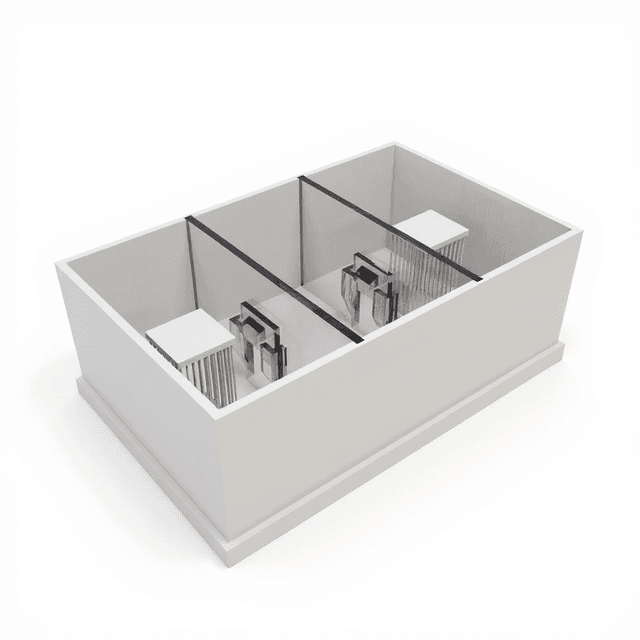
Drug discrimination test boxes provide controlled operant conditioning environments for investigating the subjective effects of pharmacological compounds in laboratory animals. These specialized chambers allow researchers to train animals to discriminate between different drug states and vehicle controls through reinforcement-based behavioral paradigms. The apparatus enables systematic evaluation of drug-drug similarity, cross-generalization patterns, and pharmacological mechanisms underlying subjective drug effects.
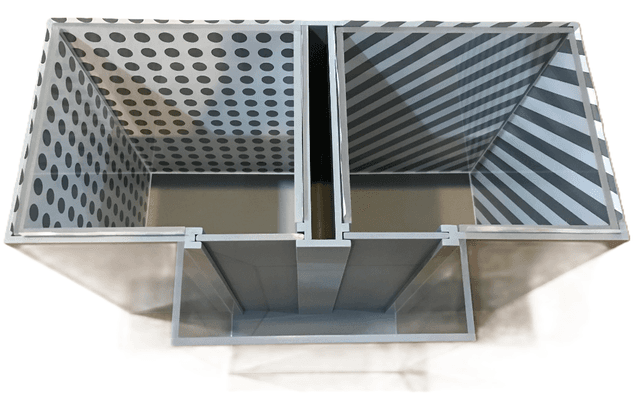
Each test box incorporates multiple response operanda, stimulus presentation capabilities, and automated reinforcement delivery systems essential for drug discrimination protocols. The controlled environment eliminates external variables while maintaining precise experimental conditions necessary for reliable behavioral pharmacology research. These systems support both acquisition training phases and subsequent generalization testing across diverse pharmacological classes.
How It Works
Drug discrimination operates on operant conditioning principles where animals learn to associate internal pharmacological states with specific behavioral responses. During training phases, animals receive either drug or vehicle injections prior to behavioral sessions and learn to emit different responses on designated operanda to obtain food reinforcement. The discriminative stimulus is the interoceptive drug state rather than external environmental cues.
The test box provides multiple response options (typically two levers or nose-poke holes) with only drug-appropriate responses reinforced following drug administration and vehicle-appropriate responses reinforced following saline injections. Through repeated training sessions, animals develop reliable discrimination between internal drug and non-drug states. Stimulus generalization testing then evaluates whether novel compounds produce drug-like discriminative effects, indicating shared pharmacological mechanisms.
Data collection systems record response patterns, latencies, and reinforcement rates to quantify discrimination performance. Percent drug-appropriate responding serves as the primary dependent variable, with values above 80% typically indicating full generalization to the training drug state. This methodology provides sensitive assessment of subjective drug effects independent of rate-altering or other confounding behavioral effects.
Features & Benefits
Behavioral Construct
- Drug Discrimination
- Operant Conditioning
- Stimulus Control
- Generalization
- Learning
Automation Level
- semi-automated
Research Domain
- Addiction Research
- Behavioral Pharmacology
- Learning and Memory
- Neuroscience
- Pharmaceutical QC
- Toxicology
Species
- Mouse
- Rat
Compatible Tracking Software
- ConductVision
Shipping weight
- 6.06 lb
Shipping box
- L: 65.0 cm
- W: 36.0 cm
- H: 27.0 cm
| Feature | This Product | Typical Alternative | Advantage |
|---|---|---|---|
| Response Operanda Options | Multiple operanda configurations available | Basic models often limited to single operanda type | Flexibility to optimize response requirements for different species and experimental designs |
| Stimulus Control Capabilities | Programmable light and audio stimulus presentation | Entry-level systems may lack comprehensive stimulus control | Enables complex discrimination protocols requiring multiple discriminative stimuli |
| Data Collection Resolution | Real-time response recording with millisecond precision | Some systems provide lower temporal resolution | Captures detailed behavioral patterns essential for discrimination analysis |
| Protocol Programming | Flexible software interface for custom protocol development | Fixed protocols with limited customization options | Accommodates diverse experimental requirements and novel paradigm development |
| Environmental Control | Sound-attenuated housing with controlled lighting | Basic enclosures may lack comprehensive environmental control | Reduces external variables that could interfere with discrimination learning and performance |
This drug discrimination system provides comprehensive operant conditioning capabilities with flexible hardware configurations and precise behavioral monitoring. The combination of programmable stimulus control, automated reinforcement delivery, and real-time data collection supports sophisticated behavioral pharmacology research applications requiring reliable discrimination training and testing protocols.
Practical Tips
Calibrate operanda force requirements at the beginning of each study and verify sensitivity weekly during training phases.
Why: Consistent response requirements ensure reliable behavioral performance and prevent hardware drift from affecting discrimination acquisition.
Clean food magazines and pellet dispensers after each session to prevent food debris accumulation and dispensing failures.
Why: Reliable reinforcer delivery is critical for maintaining operant conditioning schedules and preventing extinction effects.
Conduct vehicle control sessions between drug discrimination training to maintain baseline performance and prevent context effects.
Why: Regular vehicle sessions ensure discrimination is based on drug state rather than temporal or environmental cues.
If animals fail to acquire discrimination after extended training, verify injection timing, drug stability, and reinforcement schedule parameters.
Why: Multiple factors can interfere with discrimination learning, and systematic troubleshooting identifies specific protocol issues.
Monitor daily response rates and session completion times to identify animals with performance issues before data collection phases.
Why: Consistent operant behavior is prerequisite for reliable discrimination performance and valid pharmacological interpretations.
Implement proper drug handling and disposal procedures when working with controlled substances in discrimination training protocols.
Why: Behavioral pharmacology research often involves regulated compounds requiring specialized safety and security measures.
Test stimulus light intensity and speaker output regularly to ensure consistent discriminative stimulus presentation across sessions.
Why: Stimulus parameter drift can introduce confounding variables that interfere with discrimination performance.
Allow 15-30 minute acclimation period in testing room before behavioral sessions to minimize stress-related performance effects.
Why: Environmental stress can disrupt discrimination performance and introduce variability in behavioral measures.
Setup Guide
What’s in the Box
- Test chamber with operant conditioning components (typical)
- Response operanda (levers or nose-poke devices) (typical)
- Food pellet dispenser and magazine (typical)
- Stimulus control lights and speakers (typical)
- Control interface and cables (typical)
- Behavioral control software (typical)
- User manual and protocol examples (typical)
- Calibration tools and hardware (typical)
Warranty
ConductScience provides standard manufacturer warranty coverage for behavioral equipment including parts and technical support. Extended service plans available for complex operant conditioning systems requiring specialized maintenance.
Compliance
What training protocols are typically used for establishing drug discrimination?
Standard protocols involve daily training sessions where animals receive drug or vehicle injections 15-30 minutes before behavioral testing. Animals learn to respond on drug-appropriate operanda following drug administration and vehicle-appropriate operanda following saline. Training continues until discrimination criteria (typically >80% appropriate responding) are consistently met across multiple sessions.
How is discrimination performance quantified and analyzed?
Primary dependent variable is percent drug-appropriate responding calculated from response distribution across operanda. Additional measures include response rates, session completion times, and response latencies. Statistical analysis typically involves ANOVA for group comparisons and ED50 calculations for dose-response determinations.
What factors influence discrimination training success?
Training drug dose, injection-to-session intervals, reinforcement schedules, and species selection significantly impact discrimination acquisition. Higher training doses and longer pretreatment intervals generally facilitate discrimination learning, while inappropriate dose selection or scheduling can prevent reliable discrimination establishment.
How are generalization tests conducted and interpreted?
Generalization testing involves administering novel compounds at various doses and measuring drug-appropriate responding. Full generalization (>80% drug-appropriate) indicates pharmacological similarity, while partial generalization (20-80%) suggests related but distinct mechanisms. Vehicle-like responding (<20%) indicates no similarity to training drug.
What maintenance and calibration procedures are required?
Regular maintenance includes operanda force calibration, food dispenser function verification, and stimulus light intensity measurement. Response detection systems require periodic sensitivity adjustments, and food magazines need cleaning to prevent pellet jamming. Software backups and hardware diagnostics should be performed routinely.
Can the system accommodate different experimental designs beyond two-choice discrimination?
Advanced configurations support complex procedures including three-choice discriminations, drug-drug discriminations, and compound discrimination protocols. Multi-component sessions, variable ratio schedules, and timeout procedures can be programmed through behavioral control software for sophisticated experimental designs.
What species considerations affect chamber configuration and protocol selection?
Rat studies typically use lever operanda with 10-15g force requirements, while mouse studies employ nose-poke devices or low-force levers. Species differences in learning rates, session lengths, and reinforcer preferences must be accommodated through protocol modifications and hardware adjustments.
Have a question about this product?
Have a question? Just ask.
Send it over and we'll email you a personalized answer — no call, no scheduling.
Prefer to talk it through?
Accessories
Enhance your setup with compatible accessories
Frequently Bought Together