Steel Frame with Casters
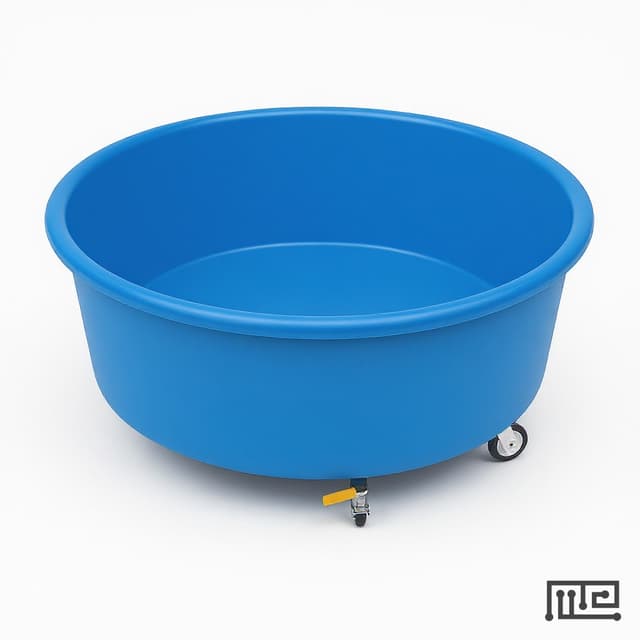
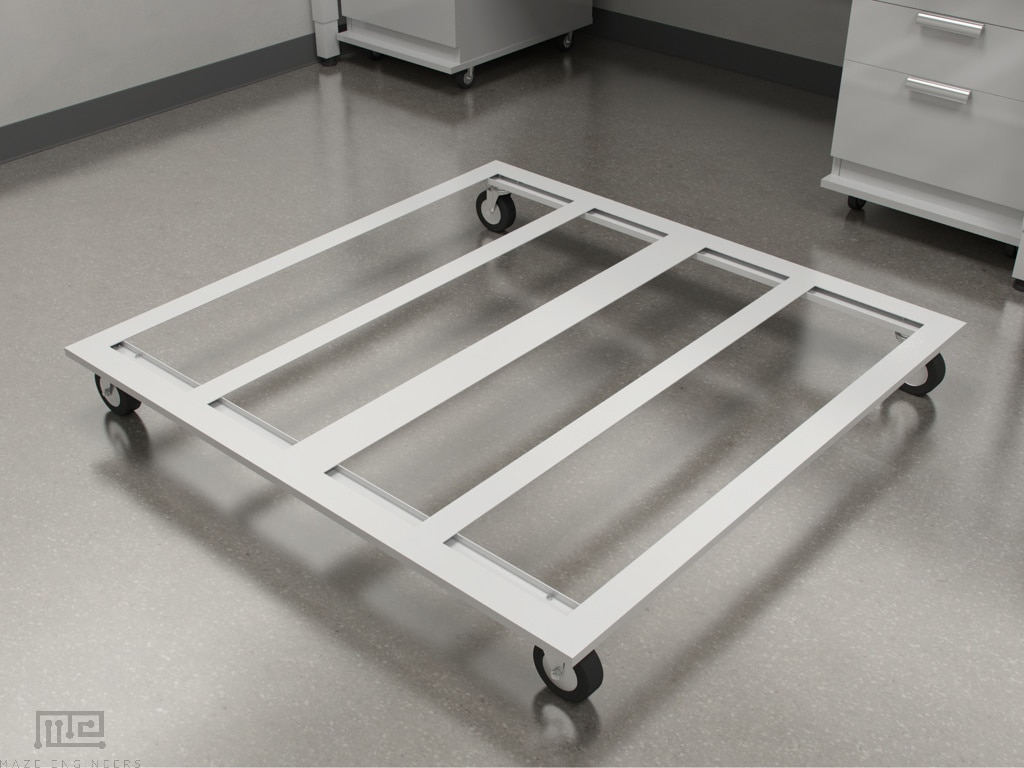
Mobile steel laboratory frame with phenolic swivel casters and floor locks, designed for supporting behavioral testing equipment in mouse and rat neuroscience research.

Louise Corscadden, PhD
Director of Science · ConductScience
Ask Louise about Steel Frame with Casters fit, setup, configuration, or quote prep.
Already working with us? Sign in to connect this with My Scientist.
Key Specifications
Full details →- Model fit
- Mouse, Rat
- SKU family
- CS-958425
- Shipping box
- 65.0 x 36.0 x 27.0 cm
- Ordering
- Online checkout and quote request available
- Category
- Behavioral Mazes
- Build notes
- Confirm accessories, station layout, and support needs before purchase
The Steel Frame with Casters provides a mobile laboratory platform designed for behavioral testing equipment in neuroscience research. This Type A configuration features steel construction with phenolic swivel casters and two floor locks for secure positioning during experiments. The frame supports mouse and rat behavioral apparatus, offering researchers the flexibility to reposition equipment as needed while maintaining stability during data collection.
The steel construction ensures durability for repeated experimental use, while the phenolic swivel casters allow smooth movement across laboratory floors without marking. Floor locks provide secure positioning to prevent unwanted movement during behavioral testing sessions, critical for maintaining consistent experimental conditions and accurate data acquisition.
How It Works
The steel frame system operates as a structural support platform that transforms stationary behavioral testing equipment into mobile laboratory assets. The phenolic swivel casters utilize ball bearing mechanisms to enable 360-degree rotation and smooth rolling motion across laboratory surfaces. The phenolic wheel material provides chemical resistance and prevents floor marking while supporting the weight of mounted equipment.
Floor lock mechanisms engage through a lever-actuated cam system that lifts the casters slightly off the floor surface, transferring the full weight load to fixed contact points. This creates a stable, non-moving platform essential for behavioral data collection where equipment vibration or movement could introduce experimental artifacts.
The Type A configuration optimizes the frame dimensions and caster spacing for mouse and rat behavioral apparatus, ensuring proper weight distribution and stability during experimental protocols.
Features & Benefits
Behavioral Construct
- Spatial Learning
- Navigation
- Motor Coordination
- Cognitive Assessment
Research Domain
- Anxiety and Depression
- Behavioral Pharmacology
- Learning and Memory
- Motor Function
- Neuroscience
Shipping weight
- 6.06 lb
Shipping box
- L: 65.0 cm
- W: 36.0 cm
- H: 27.0 cm
| Feature | This Product | Typical Alternative | Advantage |
|---|---|---|---|
| Frame Material | Steel construction | Aluminum or composite materials in lighter-duty models | Steel provides superior durability and stability for heavy behavioral equipment and repeated experimental use |
| Caster Type | Phenolic swivel casters | Standard rubber or plastic wheels | Phenolic material resists chemicals and prevents floor marking while maintaining smooth rolling characteristics |
| Locking System | Two floor lock mechanisms | Individual wheel brakes or no locking system | Floor locks provide complete stability by eliminating all wheel contact, preventing micro-movements during sensitive behavioral measurements |
| Species Configuration | Type A design for mouse and rat | Generic frame sizing | Optimized dimensions ensure proper weight distribution and equipment compatibility for rodent behavioral testing apparatus |
This steel frame system combines robust construction with phenolic caster technology and dual floor locks to provide a mobile platform optimized for rodent behavioral testing equipment. The Type A configuration specifically addresses mouse and rat research requirements through appropriate sizing and weight distribution.
| Model | SKU | Listed price | Status | Shipping box |
|---|---|---|---|---|
| Mouse | ME-CTR-AM-3106 | $3,490.00 | Available | 65.0 x 36.0 x 27.0 cm |
| Rat | ME-CTR-AR-3106 | $3,790.00 | Available | 65.0 x 36.0 x 27.0 cm |
Practical Tips
Lubricate caster bearings and floor lock pivots monthly with appropriate laboratory-grade lubricants.
Why: Regular maintenance prevents binding and ensures smooth operation during equipment repositioning.
Always engage floor locks before beginning behavioral testing protocols and verify frame stability.
Why: Preventing equipment movement eliminates potential artifacts in behavioral data collection and ensures consistent experimental conditions.
Check maximum weight ratings before mounting heavy behavioral equipment and distribute load evenly across frame structure.
Why: Proper weight distribution prevents frame damage and maintains safe operating conditions during equipment transport.
Verify floor lock engagement provides complete caster lift-off by checking for any residual wheel contact.
Why: Complete caster disengagement ensures maximum stability and prevents subtle movements that could affect sensitive behavioral measurements.
If casters become difficult to roll, inspect for debris accumulation and clean wheel surfaces and bearings.
Why: Debris interference reduces mobility and can cause uneven rolling that complicates equipment positioning.
Plan equipment layout to minimize frame movement during active experimental protocols.
Why: Reducing repositioning needs during experiments maintains consistent environmental conditions and prevents disruption to ongoing behavioral testing.
Setup Guide
What’s in the Box
- Steel frame assembly
- Four phenolic swivel casters (pre-installed)
- Two floor lock mechanisms (pre-installed)
- Assembly hardware (typical)
- User manual (typical)
Warranty
ConductScience provides a standard one-year manufacturer warranty covering frame construction and caster mechanisms, with technical support for setup and operational guidance.
Compliance
What weight capacity do the casters and frame structure support?
Consult product datasheet for specific weight ratings. The Type A configuration is designed for typical mouse and rat behavioral testing equipment loads.
Are the phenolic casters compatible with all laboratory flooring types?
Phenolic casters work well on most laboratory surfaces including epoxy, vinyl, and sealed concrete floors while preventing marking and providing chemical resistance.
How do the floor locks prevent equipment movement during behavioral testing?
The lever-actuated floor locks lift casters off the floor surface and transfer weight to fixed contact points, creating a stable non-moving platform that eliminates vibration artifacts.
Can multiple frames be used together for larger behavioral testing setups?
Multiple frames can be positioned independently, though coordination between frames requires manual positioning as they operate as separate mobile units.
What maintenance is required for the caster and lock mechanisms?
Periodic lubrication of caster bearings and floor lock pivots maintains smooth operation. Inspect for wear and debris accumulation during routine equipment maintenance.
Is the frame compatible with specific behavioral testing equipment brands?
The Type A configuration provides a universal platform suitable for most mouse and rat behavioral apparatus, though mounting compatibility depends on specific equipment specifications.
Have a question about this product?
Have a question? Just ask.
Send it over and we'll email you a personalized answer — no call, no scheduling.
Prefer to talk it through?
Accessories
Enhance your setup with compatible accessories