Zebrafish Automated Home Tank
Automated zebrafish housing system with integrated environmental control, multi-stage filtration, and 24/7 video tracking for continuous behavioral monitoring and longitudinal studies.
| tank_sizes | 2L, 5L, and 10L |
| temperature_sensor_sensitivity | 0.1°C |
| water_change_rate | 10% per day |
| cartridge_filter_size | 50-micron |
| pre_filter_bag_size | 200-micron |
| activated_carbon_filter_capacity | 350 gram |
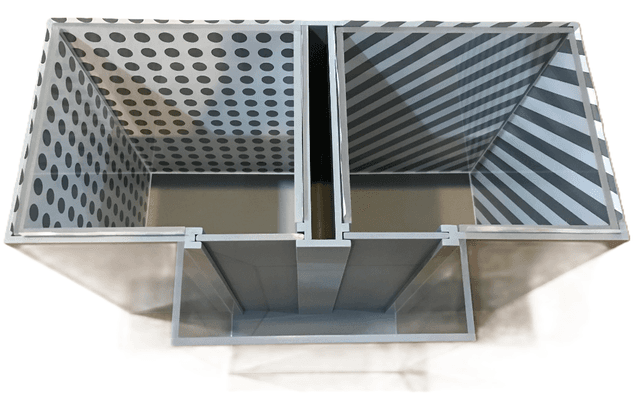
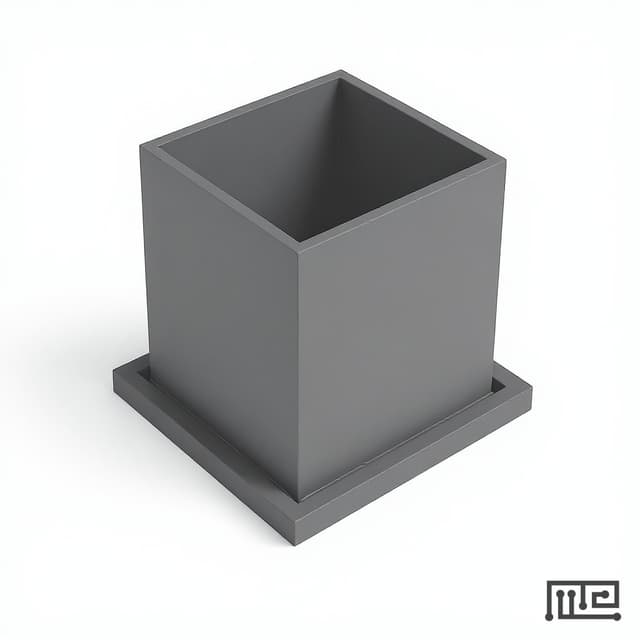
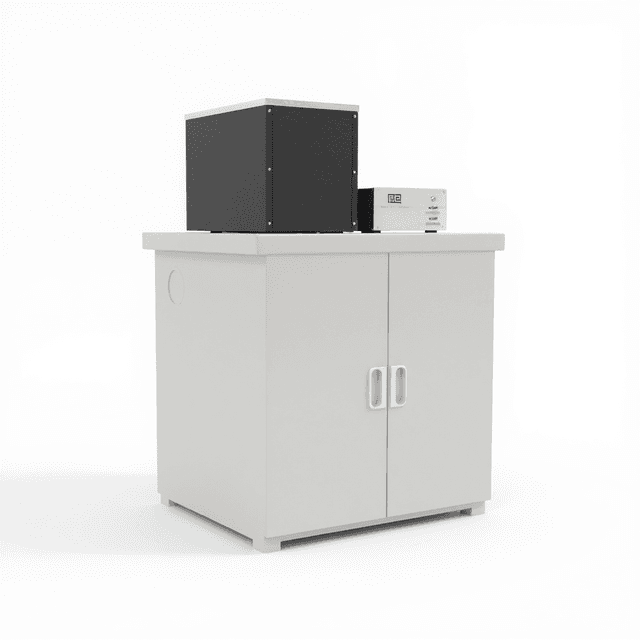
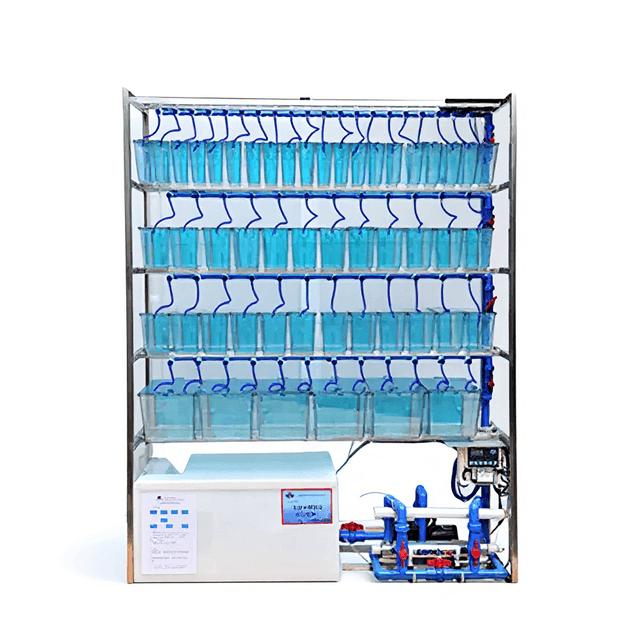
The Zebrafish Automated Home Tank is a comprehensive experimental system designed for continuous behavioral monitoring and environmental control in zebrafish research. The system integrates polycarbonate housing (available in 2L, 5L, and 10L configurations) with automated water management, environmental sensing, and 24/7 video tracking capabilities. This setup enables researchers to conduct longitudinal behavioral studies while maintaining precise environmental parameters throughout extended experimental periods.
The system incorporates a multi-stage filtration system including stainless steel UV sterilization, moving bed biofiltration, and sequential particle filtration (200-micron pre-filter and 50-micron cartridge filter) with activated carbon treatment. Continuous environmental monitoring tracks temperature (0.1°C sensitivity), oxygen saturation, and CO2 levels, while automated water exchange maintains optimal conditions with 10% daily turnover. The integrated video tracking hardware and Conduct Software package provide comprehensive behavioral analysis capabilities for motor activity, spatial preferences, and social interaction studies.
How It Works
The system operates through integrated environmental control and behavioral monitoring technologies. Water quality is maintained through a multi-stage filtration process beginning with UV sterilization using a stainless steel unit, followed by biological filtration via a moving bed biofilter that promotes beneficial bacterial growth. Sequential mechanical filtration removes particles through a 200-micron pre-filter bag and 50-micron cartridge filter, while activated carbon filtration (350 gram capacity) removes dissolved organic compounds and odors.
Environmental sensors continuously monitor temperature with 0.1°C resolution, dissolved oxygen saturation, and CO2 levels, providing real-time feedback for automated system adjustments. The automated water exchange system maintains optimal water quality through programmed 10% daily water turnover, ensuring consistent environmental parameters throughout experimental periods.
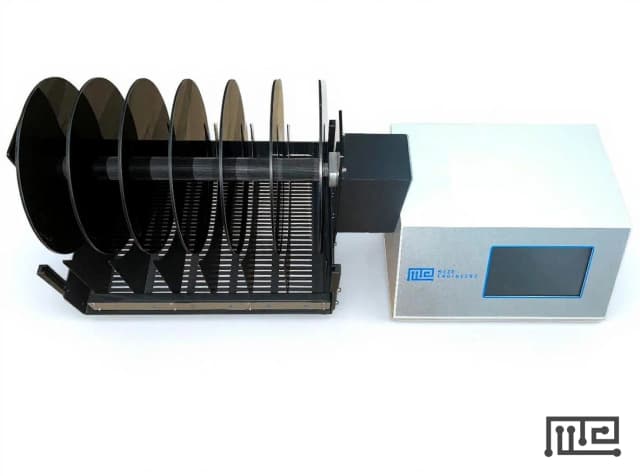
Behavioral data collection utilizes overhead video tracking hardware integrated with Conduct Software for automated analysis of zebrafish movement patterns, spatial distribution, and activity levels. The system processes video data to extract quantitative behavioral metrics including distance traveled, velocity profiles, zone preferences, and social interaction parameters, enabling objective assessment of behavioral phenotypes across extended monitoring periods.
Features & Benefits
tank_sizes
- 2L, 5L, and 10L
temperature_sensor_sensitivity
- 0.1°C
water_change_rate
- 10% per day
cartridge_filter_size
- 50-micron
pre_filter_bag_size
- 200-micron
activated_carbon_filter_capacity
- 350 gram
shelf_options
- 2 or 3 shelves
monitoring_capability
- 24/7 video tracking
customizable_dimensions
- available
includes_lid
- yes
environmental_sensors
- temperature, O2 saturation, CO2 levels
filtration_system_components
- stainless steel UV unit, moving bed biofilter, 50-micron cartridge filter, 200-micron pre-filter bag, activated carbon filter
Behavioral Construct
- Motor Activity
- Spatial Navigation
- Anxiety-related Behavior
- Social Interaction
- Circadian Rhythms
- Learning
- Memory
Automation Level
- fully-automated
Material
- Polycarbonate
Species
- Zebrafish
Research Domain
- Anxiety and Depression
- Behavioral Pharmacology
- Developmental Biology
- Learning and Memory
- Neuroscience
- Social Behavior
- Toxicology
Weight
- 21.0 lbs
Dimensions
- L: 43.2 in
- W: 38.0 in
- H: 27.9 in
Comparison Guide
| Feature | This Product | Typical Alternative | Advantage |
|---|---|---|---|
| Tank Size Options | 2L, 5L, and 10L capacity configurations | Fixed tank sizes with limited configuration options | Allows experimental design optimization based on group size and space requirements without compromising environmental control capabilities. |
| Temperature Monitoring Resolution | 0.1°C sensitivity environmental sensors | Standard systems offer 0.5-1.0°C resolution | Enables detection of subtle temperature variations that can significantly impact zebrafish behavior and physiological responses. |
| Filtration System Stages | Multi-stage filtration with UV, biological, mechanical (200-micron and 50-micron), and activated carbon treatment | Basic filtration systems typically offer 2-3 filtration stages | Provides comprehensive water treatment addressing biological, chemical, and particulate contamination for optimal experimental conditions. |
| Automated Water Management | Programmed 10% daily water exchange with automated monitoring | Manual water changes or basic timer-controlled systems | Maintains consistent water quality parameters without experimental disruption or manual intervention requirements. |
| Video Tracking Integration | 24/7 continuous tracking with integrated Conduct Software analysis | Separate behavioral testing chambers require fish transfer | Eliminates handling stress and provides longitudinal behavioral data in the animals' home environment. |
The system combines automated environmental control with continuous behavioral monitoring capabilities, providing comprehensive zebrafish research functionality in a single integrated platform. The multi-stage filtration and precision environmental sensors ensure optimal experimental conditions while continuous video tracking enables longitudinal behavioral studies without animal handling stress.
Practical Tips
Verify temperature sensor accuracy monthly using certified thermometer standards and recalibrate oxygen sensors according to manufacturer specifications.
Why: Maintains measurement accuracy critical for reproducible experimental conditions and data validity.
Replace mechanical filter cartridges based on pressure differential monitoring rather than fixed schedules to optimize filtration efficiency.
Why: Prevents system performance degradation while avoiding premature filter replacement and associated costs.
Run system validation periods of 48-72 hours before introducing experimental subjects to verify stable environmental parameters and tracking functionality.
Why: Identifies potential system issues before experimental initiation, preventing data loss and animal welfare concerns.
Establish consistent lighting conditions and minimize external vibrations in the tracking area to ensure reliable video analysis.
Why: Reduces tracking errors and improves behavioral data accuracy by eliminating environmental artifacts.
Monitor biofilter performance through ammonia and nitrite testing during the first month of operation to ensure proper bacterial establishment.
Why: Early detection of biological filtration issues prevents water quality deterioration that could compromise experimental results.
Install ground fault circuit interrupters (GFCI) for all electrical connections and maintain emergency backup aeration systems.
Why: Protects against electrical hazards in wet environments and ensures animal welfare during equipment failures.
Document all environmental parameter logs and system maintenance activities to support experimental reproducibility and regulatory compliance.
Why: Provides comprehensive experimental records required for publication and regulatory documentation of animal research protocols.
Setup Guide
What’s in the Box
- Polycarbonate tank with lid (selected capacity)
- Stainless steel UV sterilization unit
- Moving bed biofilter system
- 50-micron cartridge filter
- 200-micron pre-filter bag
- Activated carbon filter (350g)
- Environmental sensor array (temperature, O2, CO2)
- Video tracking camera and mounting hardware
- Conduct Software license and installation media
- Automated water exchange pump system
- System controller and interface cables
- Installation and operation manual
Warranty
ConductScience provides a comprehensive 1-year manufacturer warranty covering all system components including filtration hardware, environmental sensors, and video tracking equipment. Technical support includes software updates and protocol consultation services.
Compliance
References
Background reading relevant to this product:
What video resolution and frame rate capabilities does the tracking system provide?
Consult product datasheet for specific camera specifications. The system includes integrated video tracking hardware optimized for zebrafish behavioral analysis with Conduct Software compatibility.
How frequently should the filter cartridges be replaced during extended experiments?
Filter replacement intervals depend on bioload and water quality parameters. Monitor system pressure differentials and water quality metrics to determine optimal replacement schedules, typically every 2-4 weeks for mechanical filters.
Can the system accommodate different water chemistry requirements for specific zebrafish strains?
The automated water exchange and environmental monitoring systems can be programmed for specific parameter ranges. Consult product datasheet for allowable pH, conductivity, and temperature ranges.
What data export formats are supported by the Conduct Software package?
Consult product datasheet for specific file format compatibility. The software package provides behavioral analysis with quantitative data output capabilities for further statistical analysis.
How does the system handle power interruptions during long-term experiments?
Consult product datasheet for backup power options and system recovery protocols. The automated systems include environmental parameter logging for continuity assessment after power restoration.
Can multiple tanks be networked for simultaneous experiments with centralized monitoring?
The system supports customizable configurations. Consult product datasheet for multi-tank networking capabilities and centralized software control options.
What maintenance is required for the UV sterilization component?
UV lamps require periodic replacement based on operating hours and effectiveness monitoring. Follow manufacturer specifications for lamp replacement intervals and system performance verification.
Have a question about this product?
Accessories
Enhance your setup with compatible accessories
Frequently Bought Together
Upgrade Options