Fear Conditioning System
Acrylic chamber system for contextual and cued fear conditioning studies in mice and rats, featuring interchangeable visual contexts and integrated video tracking capability.
| main_chamber_width | 50cm |
| main_chamber_depth | 40cm |
| main_chamber_height | 50cm |
| mouse_chamber_length | 17cm |
| mouse_chamber_width | 17cm |
| mouse_chamber_height | 25cm |
The Fear Conditioning System provides a controlled environment for studying associative learning and memory formation in rodents. This acrylic chamber system enables researchers to conduct contextual and cued fear conditioning experiments, fundamental paradigms in behavioral neuroscience for investigating amygdala-dependent learning processes. The system accommodates both mouse and rat subjects with species-specific chamber inserts and includes multiple visual context configurations.
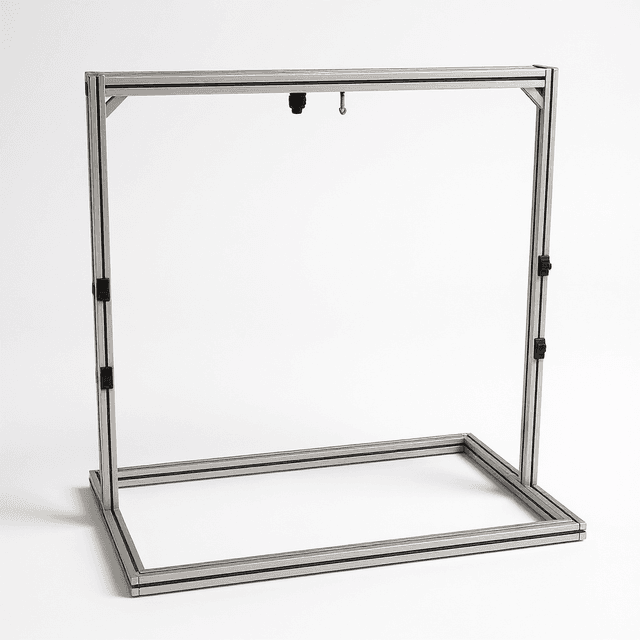
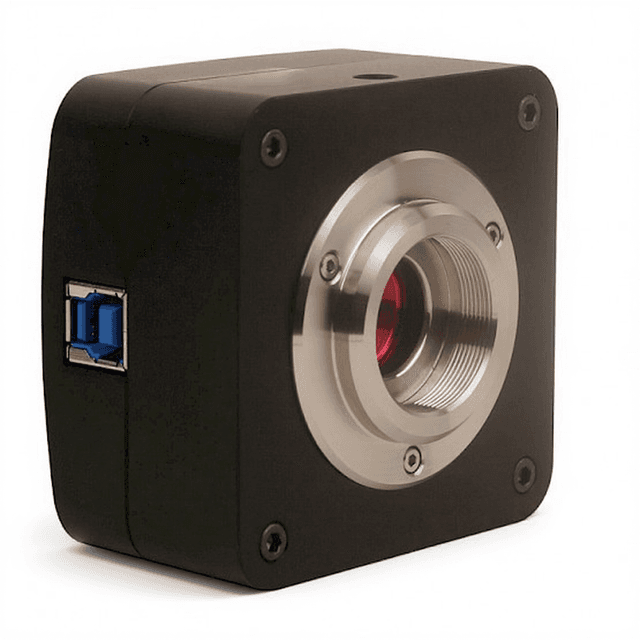
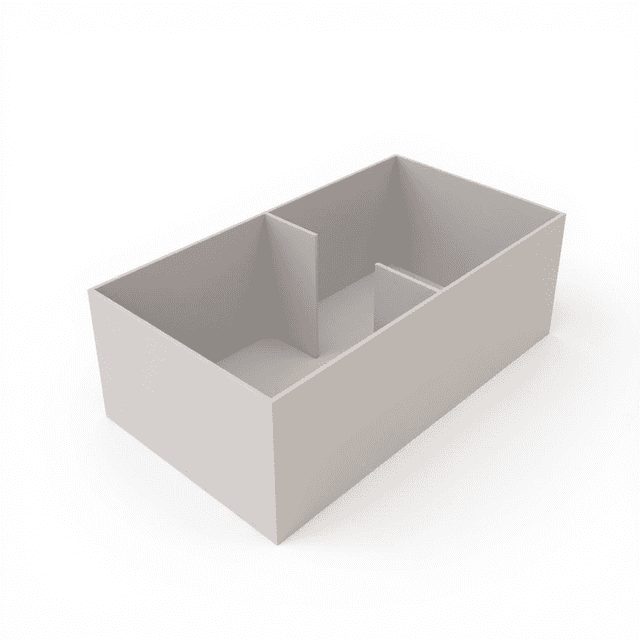
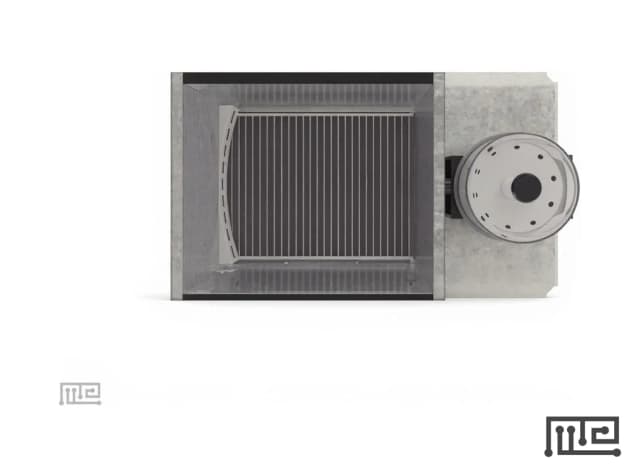
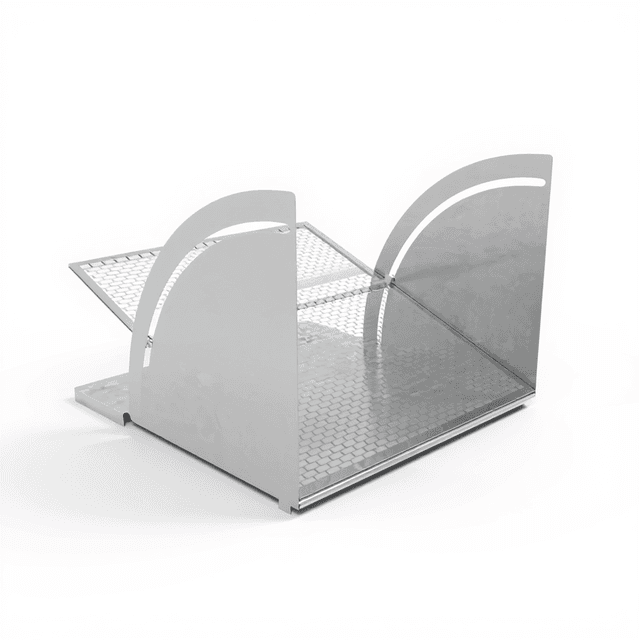
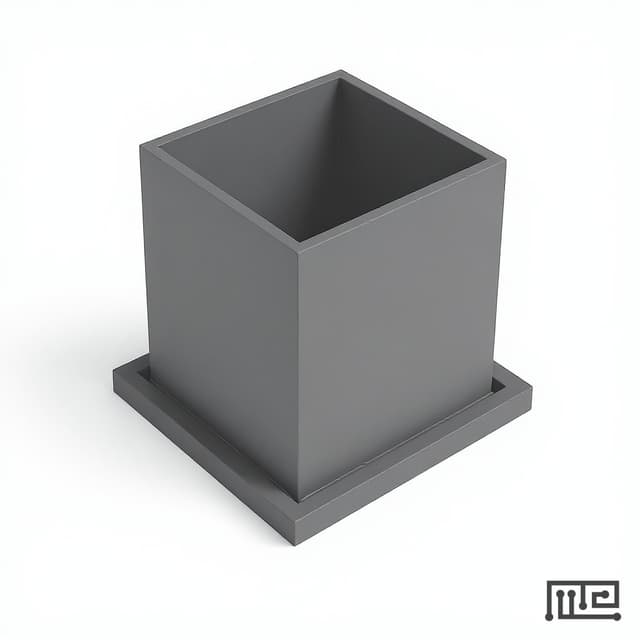
The apparatus consists of a main grey acrylic chamber (50 × 40 × 50 cm) with removable inserts for mice (17 × 17 × 25 cm) or rats (26 × 26 × 30 cm). Five interchangeable acrylic plate designs (striped, chessboard, grey, white, black) allow contextual manipulation between training and testing phases. A customizable camera holder accommodates the recommended DMK 22AUC03 camera for behavioral tracking and freezing analysis.
How It Works
Fear conditioning operates on classical Pavlovian learning principles, where a neutral stimulus (conditioned stimulus, CS) becomes associated with an aversive unconditioned stimulus (US) through temporal pairing. In contextual fear conditioning, the chamber environment itself serves as the CS, while in cued conditioning, a discrete auditory or visual cue functions as the CS. The US typically consists of a mild footshock delivered through the chamber floor.
During the acquisition phase, subjects learn to associate the CS with the US, forming a fear memory that manifests as freezing behavior upon re-exposure to the CS. Freezing, defined as the absence of movement except for respiration, serves as the primary behavioral readout and reflects amygdala-mediated fear memory expression. The system's interchangeable plate designs enable context manipulation, allowing researchers to distinguish between hippocampus-dependent contextual memories and amygdala-dependent cued memories.
Video tracking through the integrated camera system quantifies freezing duration and movement patterns, providing objective measures of fear memory strength. The modular design supports various experimental protocols including acquisition, extinction, renewal, and reinstatement paradigms essential for understanding fear memory dynamics.
Features & Benefits
main_chamber_width
- 50cm
main_chamber_depth
- 40cm
main_chamber_height
- 50cm
mouse_chamber_length
- 17cm
mouse_chamber_width
- 17cm
mouse_chamber_height
- 25cm
rat_chamber_length
- 26cm
rat_chamber_width
- 26cm
rat_chamber_height
- 30cm
acrylic_plate_designs
- ['Striped', 'Chessboard', 'Grey', 'White', 'Black']
recommended_camera
- DMK 22AUC03
camera_holder_customizable
- Yes
Size
- Mouse
- Rat
Behavioral Construct
- Fear conditioning
- Associative learning
- Memory consolidation
- Fear extinction
- Contextual memory
- Cued conditioning
- Freezing behavior
Automation Level
- semi-automated
Material
- Acrylic
Color
- Grey
Species
- Mouse
- Rat
Research Domain
- Addiction Research
- Anxiety and Depression
- Behavioral Pharmacology
- Learning and Memory
- Neurodegeneration
- Neuroscience
Weight
- 21.0 lbs
Dimensions
- L: 43.2 in
- W: 38.0 in
- H: 27.9 in
Comparison Guide
| Feature | This Product | Typical Alternative | Advantage |
|---|---|---|---|
| Species accommodation | Dual compatibility with dedicated mouse (17×17×25 cm) and rat (26×26×30 cm) inserts | Single species design or universal chambers without optimized dimensions | Provides species-appropriate spatial constraints for natural freezing behavior without requiring separate apparatus. |
| Context manipulation options | Five interchangeable acrylic plates (striped, chessboard, grey, white, black) | Fixed context design or limited plate options | Enables comprehensive contextual conditioning studies and context-dependent memory research within a single system. |
| Video integration | Customizable camera holder with recommended DMK 22AUC03 compatibility | External camera mounting or fixed positioning systems | Provides standardized video capture setup for consistent behavioral tracking and automated analysis across experiments. |
| Chamber construction | Modular acrylic design with removable components | Stainless steel or fixed acrylic constructions | Facilitates rapid cleaning and sterilization while providing clear visual access for real-time behavioral observation. |
| System modularity | Interchangeable inserts and plates for protocol flexibility | Fixed configuration systems | Allows rapid protocol switching and multi-paradigm studies without equipment changes or additional chamber requirements. |
This system combines species-specific optimization with contextual flexibility through its modular design and comprehensive plate selection. The integrated camera mounting and standardized dimensions provide consistent experimental conditions while accommodating diverse fear conditioning protocols.
Practical Tips
Calibrate shock intensity using a digital multimeter before each experimental session and document actual delivered current.
Why: Shock generators can drift over time, affecting the reliability of conditioning and experimental reproducibility.
Inspect acrylic surfaces weekly for scratches or stress fractures that could create hiding spots or visual artifacts.
Why: Damaged surfaces can influence animal behavior and compromise video tracking accuracy.
Allow 10-15 minutes between subjects in the same chamber to ensure complete odor elimination and temperature stabilization.
Why: Residual olfactory cues from previous subjects can alter baseline anxiety levels and conditioning responses.
Record ambient temperature and humidity during sessions as these parameters can influence freezing behavior baselines.
Why: Environmental conditions affect animal comfort and stress levels, potentially confounding fear conditioning measurements.
If subjects show excessive baseline freezing, reduce ambient lighting levels and check for external vibration sources.
Why: High baseline freezing reduces the dynamic range for detecting conditioned fear responses and may indicate environmental stressors.
Always test shock delivery with an oscilloscope or current meter before introducing animals to verify proper waveform characteristics.
Why: Improper shock parameters can cause tissue damage or inconsistent conditioning, compromising both animal welfare and experimental validity.
Randomize plate design assignment across treatment groups to control for potential context-dependent effects on conditioning.
Why: Different visual patterns may have inherent salience differences that could introduce bias in fear conditioning responses.
Validate automated freezing detection by manually scoring a subset of sessions to ensure algorithm accuracy for your experimental conditions.
Why: Tracking software parameters may require adjustment based on lighting conditions, animal strain, or chamber configuration to maintain scoring accuracy.
Setup Guide
What’s in the Box
- Main acrylic chamber (50×40×50 cm)
- Mouse chamber insert (17×17×25 cm)
- Rat chamber insert (26×26×30 cm)
- Five interchangeable acrylic plates (striped, chessboard, grey, white, black)
- Customizable camera holder
- Assembly hardware and mounting components
- User manual with protocol guidelines (typical)
- Cleaning and maintenance instructions (typical)
Warranty
ConductScience provides a one-year manufacturer warranty covering defects in materials and workmanship, with technical support for system setup and protocol optimization.
Compliance
References
Background reading relevant to this product:
What is the Fear Conditioning System?
The Fear Conditioning System is a behavioral apparatus that pairs an auditory or contextual cue with a mild foot shock, enabling researchers to study associative learning, memory consolidation, and fear responses in rodents.
How does the Fear Conditioning System work?
During training, a tone (conditioned stimulus) is paired with a brief foot shock (unconditioned stimulus) in a specific context. During testing, freezing behavior in response to the tone or context is measured as an index of fear memory.
What research applications use the Fear Conditioning System?
Fear conditioning is central to PTSD research, amygdala function studies, and memory consolidation research. It is widely used in drug development for anxiolytics and in studies of synaptic plasticity and extinction learning.
Have a question about this product?
Accessories
Enhance your setup with compatible accessories