Introduction
Operant behavior is a type of learned behavior where animals associate a specific event or stimulus with its consequence and willingly change their behavior. The association occurs after the animals have repeatedly faced the same outcome of the action, which is reflected in the change in the animals’ tendency to perform a certain action.
In other words, operant behavior emerges as an adaptive strategy after the consequence of a particular action is realized. Animals learn to change their behavior so that they can achieve favorable results or avoid undesirable repercussions that they learned from past experiences.
In the case of the Operant chamber, subjects learn to avoid a lever or nose poke if they received a shock or learn to press a lever or give a nose poke if they receive a reward. Other cues can include lights and sound.
Software
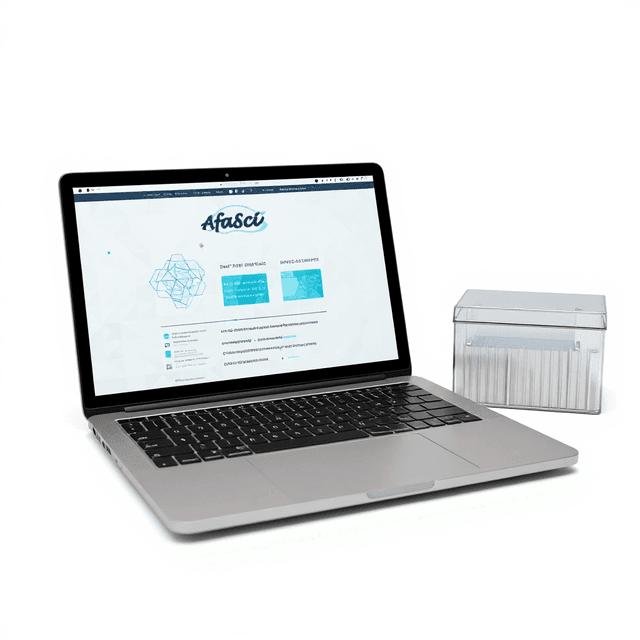
- Our Operant system has multiple software options to best suit your needs.
- Our Conductor software controls the system directly
- For those looking for protocol set-up combined with video tracking and analysis, the system is compatible with ConductVision, Noldus Ethovision XT,and ANY-Maze
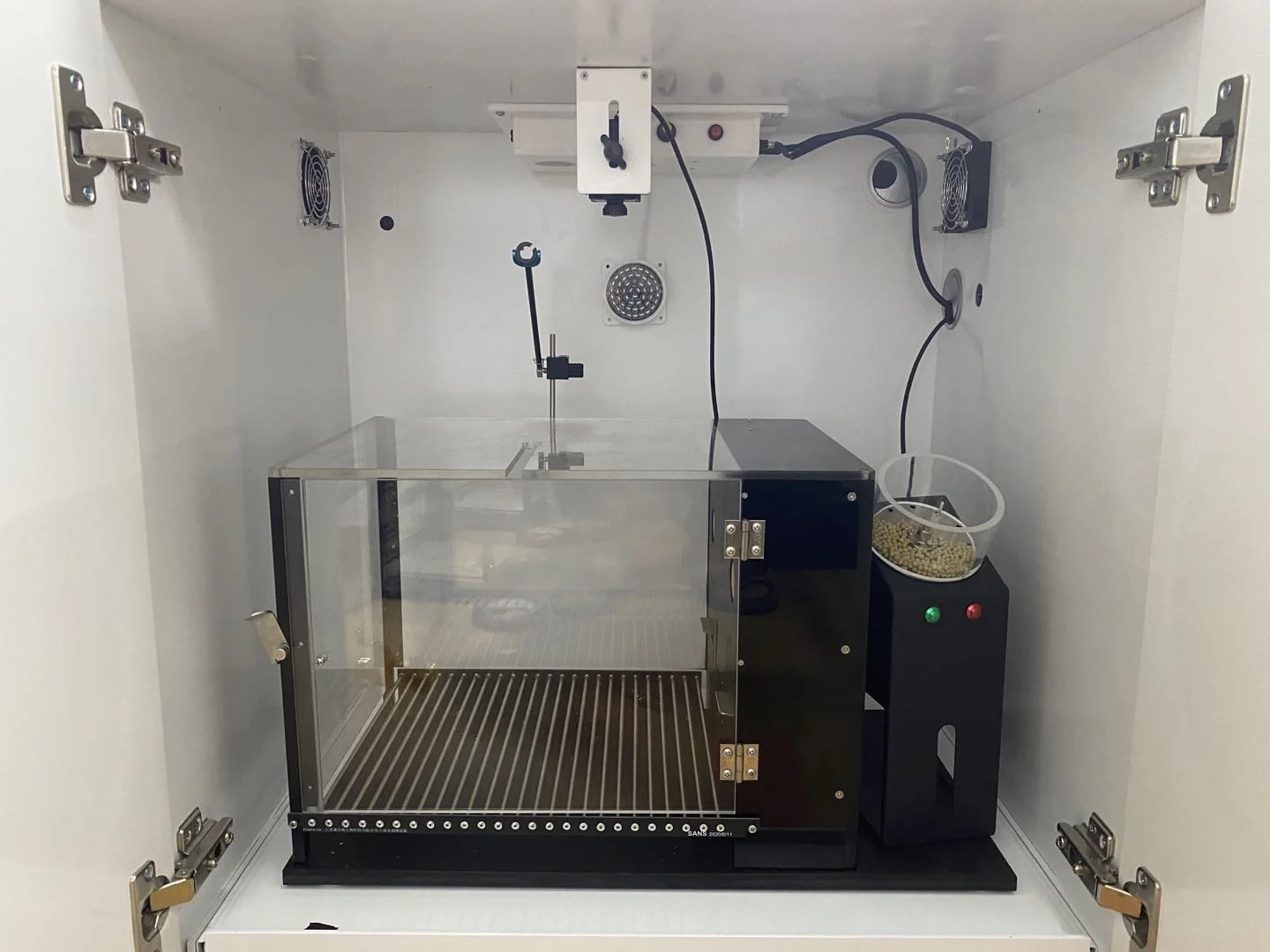
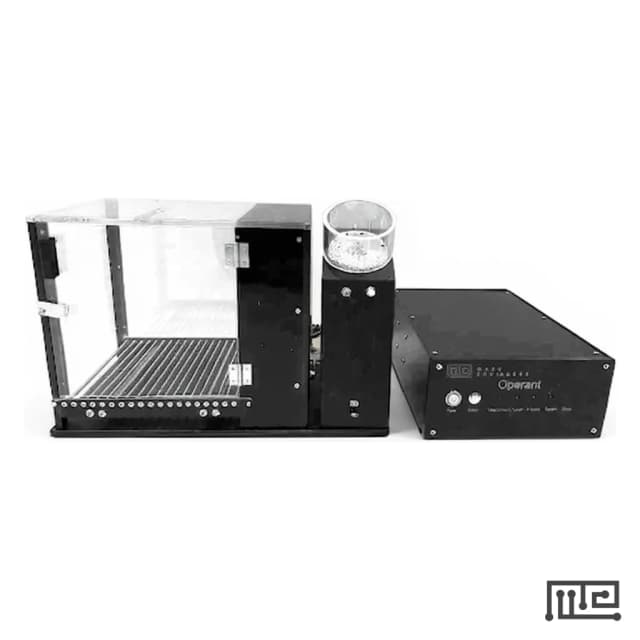
- Each operant chamber includes a control box to control the chamber .
- The main controller connects to the PC via a USB (RS-232) cable and communicates with the software package on PC.
- Protocols can be set per chamber or per group so that both control and treatment groups can be tested simultaneously with the same or different parameters.
- The software supports up to 16 chambers simultaneously and allows individual chambers to start/stop and run independently
- Can implement many reward models including the probability model
- Maze Engineers can collaborate closely with the user to enhance software packages to their needs
- Software customizations upon request
Need tracking software?
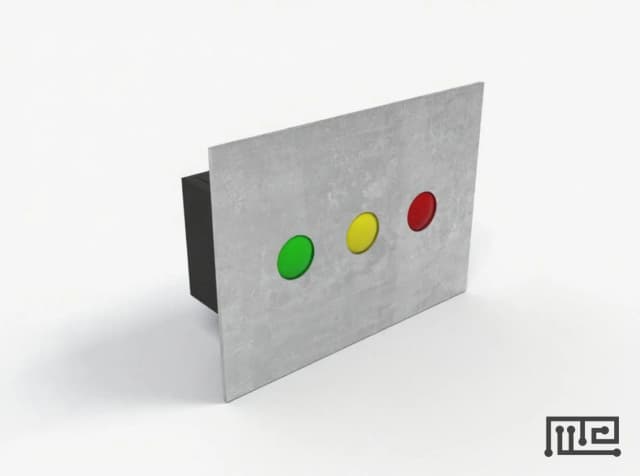
Take advantage of Neuralynx, Ethovision Integration, SMS and Email integration with the Conductor Science Software. No I/O Boxes Required
Training Protocol
A default operant training and procedure are below.
- Experimental Setup: a. Use standard operant chambers equipped with a response lever or a nose poke device (Skinner, 1938).
- Apparatus Calibration: Ensure that the response lever or nose poke device is properly calibrated for accurate detection of responses (Bari and Robbins, 2013).
- Habituation: a. Allow the rodents to acclimate to the operant chambers for a designated period (e.g., 30 minutes) without any experimental manipulation (Panlilio and Goldberg, 2007).
- Shaping: a. Implement a shaping procedure to train the rodents to associate the response lever or nose poke device with a reward (e.g., food pellet or sucrose solution) (Bardo et al., 1996).
- Training Schedule: a. Determine a training schedule based on the specific experimental paradigm (e.g., fixed ratio, variable ratio, or progressive ratio) (Richardson and Roberts, 1996).
- Task Execution*: a. Present the trial stimulus or cue, such as a light or sound, to indicate the availability of a response opportunity. b. Record the rodent's response (lever press or nose poke) using appropriate software or data collection systems. c. Provide a reward (food pellet or liquid reward) contingent upon the correct response (reinforcement). d. Optionally, incorporate punishment or aversive stimuli for certain experimental designs (Pelloux and Everitt, 2016).
- Data Analysis: a. Analyze the recorded data to assess the rodent's response rate, accuracy, and other relevant parameters. b. Utilize appropriate statistical tests to compare different conditions or treatment groups (Dalley et al., 2011).
*Training schedules can be based on reinforcement or punishment with time or ratio-based protocols.
Time-based reinforcement schedules:
- Fixed Interval (FI) or inner reinforcement time-based reinforcement schedules, supply reinforcers and/or punishers at a predictable time after the trigger and target behavior.
- Variable Interval: Also known as trial time-to-reinforcement or peak procedures where the time between receiving a stimulus and reinforcers or punishers are variable.
- This protocol is the simplest to perform but is more susceptible to extinction (Spielman et al., 2014).
Ratio-based schedules:
- A ratio schedule uses the number of responses as a marker for the delivery of reinforcers or punishers, which can be arranged as fixed or variable.
- In a fixed ratio schedule, the number of times that subjects perform the target behavior before they are awarded the clearly defined reward.
- In the variable ratio schedule, the award is given for the target behavior after an unspecified number of times it is displayed. In other words, the subject learns to associate the target behavior with a reward but do not know how often they must perform the task before the reward is realized.
- This type of reinforcement schedule is regarded to be the most constructive and least prone to extinction (Spielman et al., 2014).
Drug Descrimination schedules:
-
The mouse is trained in an operant box with two levers (Left and Right). At this stage, it simply learns that pressing either lever results in a food reward until it is consistently performing the task.
-
In alternating daily sessions, the mouse is injected with either a Training Drug or Saline. On "Drug Days," only the Left lever provides food; on "Saline Days," only the Right lever provides food. This teaches the mouse to "check" its internal physical state before choosing a lever.
-
Training continues until the mouse reaches a high accuracy threshold (usually >80% correct). It must consistently go to the "Drug Lever" when it feels the drug and the "Saline Lever" when it feels the saline, before it is ready for the actual experiment.
-
The researcher injects the mouse with a New/Test Compound. During this session, both levers are active (or no reward is given to prevent new learning). If the mouse presses the "Drug Lever," it "generalizes"—telling the researcher that the new compound feels similar to the original training drug.
Data Analysis
Data analysis which can be performed with the operant chamber includes:
- Number of active lever presses/nose-pokes
- Number of inactive lever presses/nose-pokes
- Correct/incorrect lever presses/nose-pokes
- Percentage Lever Pressing
Summary
- The Maze Engineers Operant system can be used for a wide range of Operant Conditioning tasks
- Available in mouse, rat, or custom dimensions
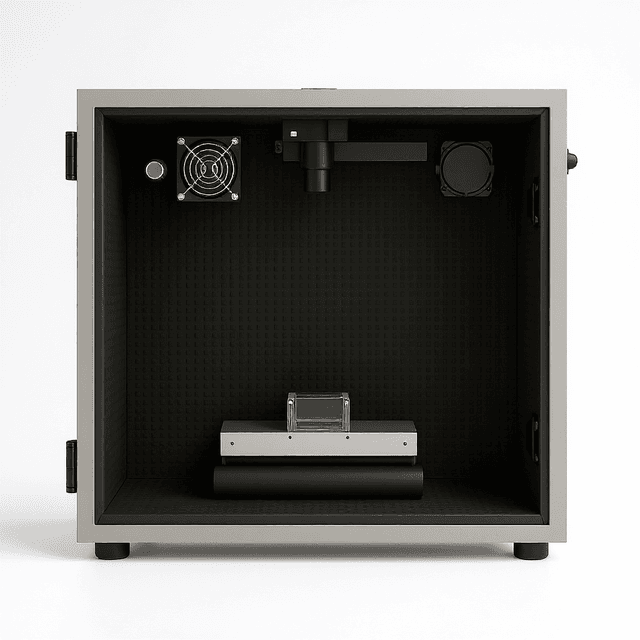
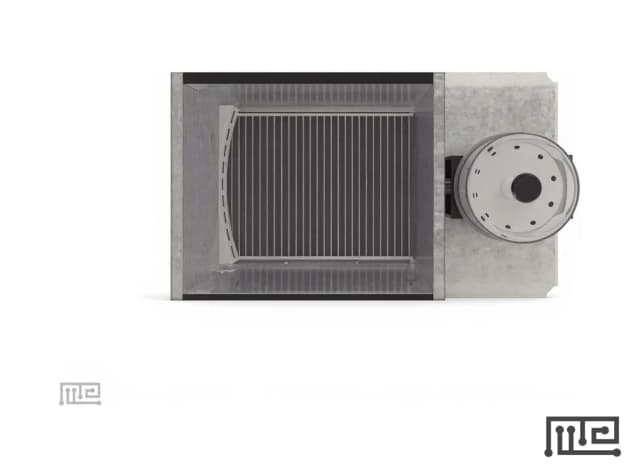
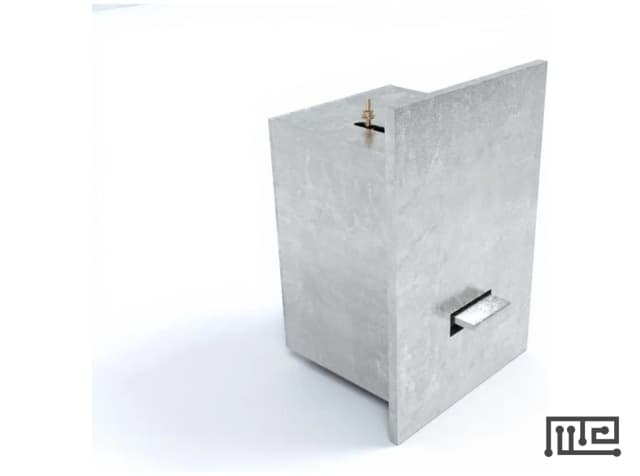
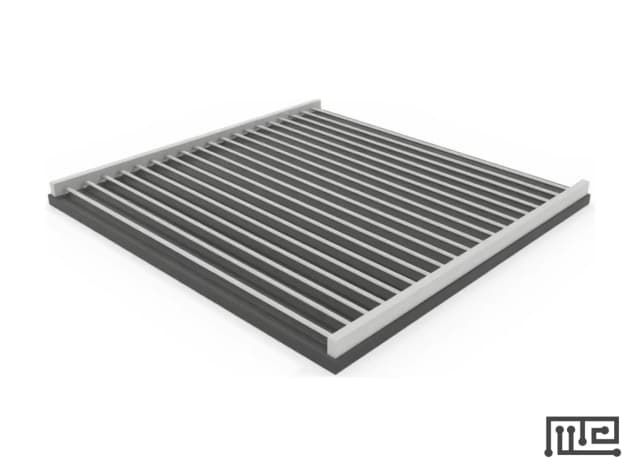
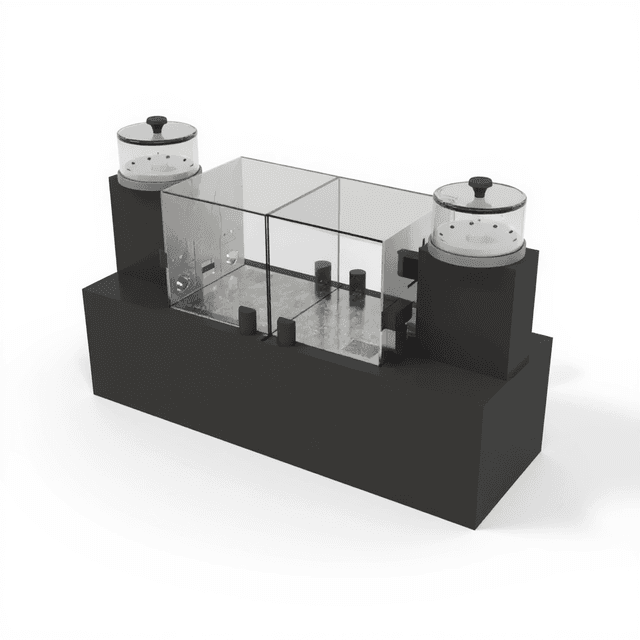
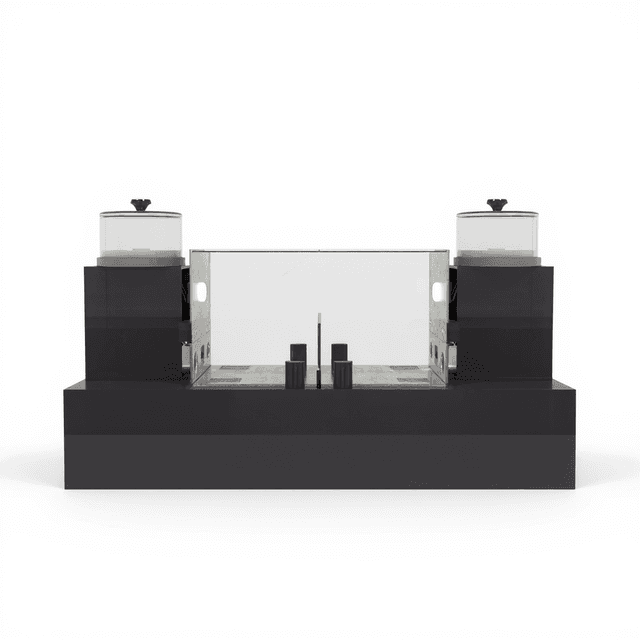
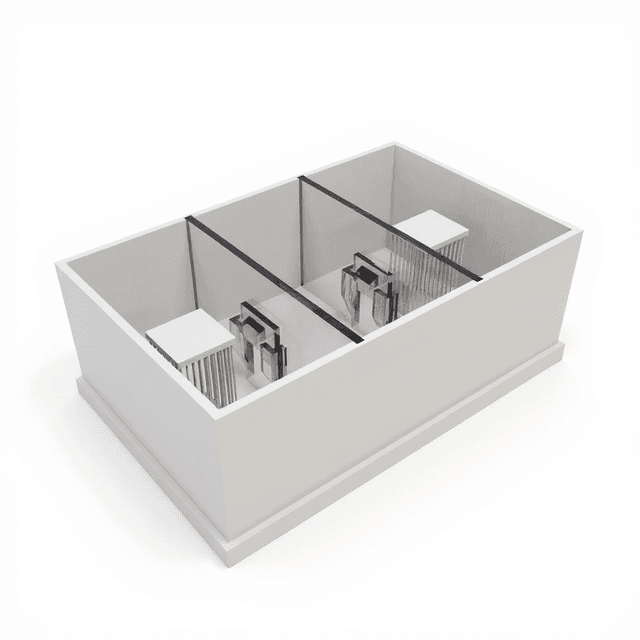
- Default packages include a sound-attenuating chamber, shock grid, 2x light cues, 2x pellet dispensers and receptacles (or lickometers), cage, speakers, and software
- Build your own operant package with our customizable builder
References
Bardo, M. T., Donohew, R. L., & Harrington, N. G. (1996). Psychobiology of novelty seeking and drug seeking behavior. Behavioural Brain Research, 77(1-2), 23-43.
Bari, A., & Robbins, T. W. (2013). Inhibition and impulsivity: behavioral and neural basis of response control. Progress in Neurobiology, 108, 44-79.
Borland, J. M., Frantz, K. J., Aiani, L. M., Grantham, K. N., Song, Z., & Albers, H. E. (2017). A novel operant task to assess social reward and motivation in rodents.
Journal of Neuroscience Methods,
287, 80-88. https://doi.org/10.1016/j.jneumeth.2017.06.003
Dalley, J. W., Everitt, B. J., & Robbins, T. W. (2011). Impulsivity, compulsivity, and top-down cognitive control. Neuron, 69(4), 680-694.
Richardson, N. R., & Roberts, D. C. (1996). Progressive ratio schedules in drug self-administration studies in rats: a method to evaluate reinforcing efficacy. Journal of Neuroscience Methods, 66(1), 1-11.
Skinner, B. F. (1938). The behavior of organisms. Appleton-Century.
Spielman, R.M., Dumper, K., Jenkins, W., et al. “Chapter 6.3 Operant Conditioning” Psychology, OpenStax, 2014, https://openstax.org/books/psychology/pages/6-3-operant-conditioning
Vazquez, E., Barranco, A., Ramirez, M., Gruart, A., Delgado-Garcia, J. M., Jimenez, M. L., Buck, R., & Rueda, R. (2016). Dietary 2’-Fucosyllactose Enhances Operant Conditioning and Long-Term Potentiation via Gut-Brain Communication through the Vagus Nerve in Rodents. PLOS ONE, 11(11), e0166070. https://doi.org/10.1371/journal.pone.0166070
Are you an academic scientist and creator?
Learn how your lab can tech transfer this and similar devices from your lab to industry.
From the Maze Engineers documentation for this apparatus.