
Find research datasets worth reusing
Search datasets from major research repositories and use ShareScore to quickly assess how well each record supports discovery, access, and reuse.
2,611
datasets available to search
ShareScore release 0.9.0
Dataset results
2,611 results for “Student”
Danish Student Grades
<p>Danish student grades.</p> <p>'All_data.csv' contains all the data.</p> <p>'documentation.csv' contains the documentaiton. </p>
THEORETICAL ASPECTS OF MORAL-AESTHETIC EDUCATION OF STUDENTS IN MUSIC AND ART SCHOOLS
Open the record for dataset details and reuse information.
TECHNOLOGY FOR THE DEVELOPMENT OF HYGIENIC CULTURE IN STUDENTS
Open the record for dataset details and reuse information.
THE ROLE OF INFORMATION TECHNOLOGY IN TEACHING STUDENTS IN THE CLASSES OF GEOMETRY
Open the record for dataset details and reuse information.
"Effects of Different Neck Manual Lymphatic Drainage Maneuvers on the Nervous, Cardiovascular, Respiratory and Musculoskeletal Systems in Healthy Students"
Open the record for dataset details and reuse information.
Figure 1 from: Pratiwi H, Kristina SA, Widayanti AW, Prabandari YS (2024) Mapping the research on healthcare students' empathy: Insights from a bibliometric analysis. Pharmacia 71: 1-8. https://doi.org/10.3897/pharmacia.71.e120826
Figure 1 Flow chart of the search process.
Figure 3 from: Pratiwi H, Kristina SA, Widayanti AW, Prabandari YS (2024) Mapping the research on healthcare students' empathy: Insights from a bibliometric analysis. Pharmacia 71: 1-8. https://doi.org/10.3897/pharmacia.71.e120826
Figure 3 A. The country co-authorship network; B. Mapping publications of co-authors
Synthetic student dataset on levels of use of digital tools and frequency of personal activities with ICTs
<p>Dataset artificially generated through the Generative Adversarial Networks of students in postgraduate degrees at the University of La Laguna on levels of use of digital tools and frequency of personal activities with ICT.</p>
PHYSICAL EDUCATION AND INNOVATION FOR STUDENTS
<p><em><span>this article is dedicated to the study of physical education and innovation for students. The article will analyze how innovative technologies and methodologies are used in the process of physical education, how they help to make sports activities interesting and effective for students. Technologies such as Smart devices, virtual reality (VR), augmented reality (AR), and online platforms are considered as effective tools to engage students in physical activity, increase their motivation, and track their achievements in sports. Through Innovation, Interactive and individualized physical education classes can be organized for students, which can help improve their health, stabilize the psychological state and improve academic performance.</span></em></p>
Qualification and teaching of peer-student tutors in undergraduate medical education: Does it affect the understanding and acquiring of CanMEDS competencies?
<p><strong><span>Objective: </span></strong><span><span>The Canadian Medical Education Directives for Specialists (CanMEDS), described by scientists of the Royal College of Physicians and Surgeons of Canada, specify the competencies that medical students should acquire during their studies of human medicine. These include the skills of Medical Expert, Communicator, Collaborator, Manager, Professional, Health Advocate and Scholar. We investigated the opinion of former student tutors that are currently active as clinical residents to understand whether they acquired and applied the CanMEDS competencies more during their student tutoring activities or during their undergraduate medical training. </span></span></p> <p><b><span>Methods:</span></b><span> An online questionnaire with closed and open questions were distributed to residents with work experience as student tutors. A Likert scale was used to assess the relevance of each CanMEDS competency to their current employment and to evaluate the acquisition and application of each CanMEDS competency during undergraduate medical </span><span>training in comparison to their peer-student tutor employment. We used the sign test for identify </span><span>significant differences in the acquisition and application of CanMEDS competencies. </span></p> <p><b><span>Results</span></b><i><span>:<b> </b></span></i><span>Of one hundred and twenty-three tutors, twenty-four met the inclusion criteria and fourteen questionnaires were returned. Concerning acquiring the CanMEDS roles Collaborator, Communicator, Professional and Manager there was a significant difference in favour of peer-student tutor employment. Nearly all participants indicated that they noticed a general benefit </span><span>from having worked </span><span>as peer-student tutors.</span></p> <p><b>Conclusion:<i> </i></b>We found that employment as a peer-student tutor is beneficial for the respondents in general and for the acquisition and application of several CanMEDS roles in particular.</p>
COVID19 and Student stressful
<p><strong>Background: </strong>COVID-19 is a newly discovered infectious disease that spread and caused a global health problem. Medical students, especially those in clinical stages are among groups exposed to the disease. The study aimed to show the impact of social distancing on the mental health of Iraqi medical students.</p> <p><strong>Method: </strong>A convenient sampling technique involved 105 participants was obtained through a questionnaire. The participants were from all stages of College Of Medicine. Questions were regarding the mental health status of the students which included sleeping hours, nightmares, eating habits, weight problems, relationship with the family, starting to have bad habits, memory loss, attention problems, irritability, and study rank affect.</p> <p><strong>Results: </strong>Of about 105 participants, 64 (60.9%) of them were females and 41 (39.1%) were males. The mean age of the participants was (21.26±1.065) ranging from 19 to 24 years. Feeling stressful when hearing news about COVID-19" found in 82(78.1%) of the participants. A high statistical significant difference (P=0.035) among feeling isolated. About 77(73.3%) of the participants had become easily irritable and angry. About 82(78.1%) student started for having calculation problems. The stress with sleeping hours (P=0.019), sleeping disturbance (P=0.022), eating habit (P=0.015), weight problems (P=0.002), fear of familiar places (P=0.004), recent memory loss (P=0.034) and being easily irritable or angry (P=0.0001), revealed a statistical significant association, respectively.</p> <p><strong>Conclusion: </strong>COVID-19 news and social distancing had made medical students more stressed and irritable, affecting their sleeping hours and pattern with a general tendency for weight gain and recent memory loss in stressful students.</p> <p><strong>Background: </strong>COVID-19 is a newly discovered infectious disease that spread and caused a global health problem. Medical students, especially those in clinical stages are among groups exposed to the disease. The study aimed to show the impact of social distancing on the mental health of Iraqi medical students.</p> <p><strong>Method: </strong>A convenient sampling technique involved 105 participants was obtained through a questionnaire. The participants were from all stages of College Of Medicine. Questions were regarding the mental health status of the students which included sleeping hours, nightmares, eating habits, weight problems, relationship with the family, starting to have bad habits, memory loss, attention problems, irritability, and study rank affect.</p> <p><strong>Results: </strong>Of about 105 participants, 64 (60.9%) of them were females and 41 (39.1%) were males. The mean age of the participants was (21.26±1.065) ranging from 19 to 24 years. Feeling stressful when hearing news about COVID-19" found in 82(78.1%) of the participants. A high statistical significant difference (P=0.035) among feeling isolated. About 77(73.3%) of the participants had become easily irritable and angry. About 82(78.1%) student started for having calculation problems. The stress with sleeping hours (P=0.019), sleeping disturbance (P=0.022), eating habit (P=0.015), weight problems (P=0.002), fear of familiar places (P=0.004), recent memory loss (P=0.034) and being easily irritable or angry (P=0.0001), revealed a statistical significant association, respectively.</p> <p><strong>Conclusion: </strong>COVID-19 news and social distancing had made medical students more stressed and irritable, affecting their sleeping hours and pattern with a general tendency for weight gain and recent memory loss in stressful students.</p> <p><strong>Background: </strong>COVID-19 is a newly discovered infectious disease that spread and caused a global health problem. Medical students, especially those in clinical stages are among groups exposed to the disease. The study aimed to show the impact of social distancing on the mental health of Iraqi medical students.</p> <p><strong>Method: </strong>A convenient sampling technique involved 105 participants was obtained through a questionnaire. The participants were from all stages of College Of Medicine. Questions were regarding the mental health status of the students which included sleeping hours, nightmares, eating habits, weight problems, relationship with the family, starting to have bad habits, memory loss, attention problems, irritability, and study rank affect.</p> <p><strong>Results: </strong>Of about 105 participants, 64 (60.9%) of them were females and 41 (39.1%) were males. The mean age of the participants was (21.26±1.065) ranging from 19 to 24 years. Feeling stressful when hearing news about COVID-19" found in 82(78.1%) of the participants. A high statistical significant difference (P=0.035) among feeling isolated. About 77(73.3%) of the participants had become easily irritable and angry. About 82(78.1%) student started for having calculation problems. The stress with sleeping hours (P=0.019), sleeping disturbance (P=0.022), eating habit (P=0.015), weight problems (P=0.002), fear of familiar places (P=0.004), recent memory loss (P=0.034) and being easily irritable or angry (P=0.0001), revealed a statistical significant association, respectively.</p> <p><strong>Conclusion: </strong>COVID-19 news and social distancing had made medical students more stressed and irritable, affecting their sleeping hours and pattern with a general tendency for weight gain and recent memory loss in stressful students.</p> <p><strong>Background: </strong>COVID-19 is a newly discovered infectious disease that spread and caused a global health problem. Medical students, especially those in clinical stages are among groups exposed to the disease. The study aimed to show the impact of social distancing on the mental health of Iraqi medical students.</p> <p><strong>Method: </strong>A convenient sampling technique involved 105 participants was obtained through a questionnaire. The participants were from all stages of College Of Medicine. Questions were regarding the mental health status of the students which included sleeping hours, nightmares, eating habits, weight problems, relationship with the family, starting to have bad habits, memory loss, attention problems, irritability, and study rank affect.</p> <p><strong>Results: </strong>Of about 105 participants, 64 (60.9%) of them were females and 41 (39.1%) were males. The mean age of the participants was (21.26±1.065) ranging from 19 to 24 years. Feeling stressful when hearing news about COVID-19" found in 82(78.1%) of the participants. A high statistical significant difference (P=0.035) among feeling isolated. About 77(73.3%) of the participants had become easily irritable and angry. About 82(78.1%) student started for having calculation problems. The stress with sleeping hours (P=0.019), sleeping disturbance (P=0.022), eating habit (P=0.015), weight problems (P=0.002), fear of familiar places (P=0.004), recent memory loss (P=0.034) and being easily irritable or angry (P=0.0001), revealed a statistical significant association, respectively.</p> <p><strong>Conclusion: </strong>COVID-19 news and social distancing had made medical students more stressed and irritable, affecting their sleeping hours and pattern with a general tendency for weight gain and recent memory loss in stressful students.</p>
Measurement of achievement motivation for college students
<p> The achievement motivation scale was used to measure 260060 college students' achievement motivation.</p>
Monument to the movement of student groups
The monument to student detachments is a sculptural composition dedicated to the fighters of student construction detachments and installed in November 2009 on the territory of Moscow State University. The place for the monument was also chosen not by chance - officially the first student detachment was formed in 1959 at the physics Department of Moscow State University. That summer, 339 students of the Faculty of Physics went to work in the state farms of the North Kazakhstan region. For this reason, the monument is installed on the site opposite the academic building of the Faculty of Physics of Moscow State University (Leninskie Gory, d. 1, p.2). The sculptural composition was made by Alexander Rukavishnikov. Photo made by DJI Phantom 4 Standart and Agisoft Metashape. 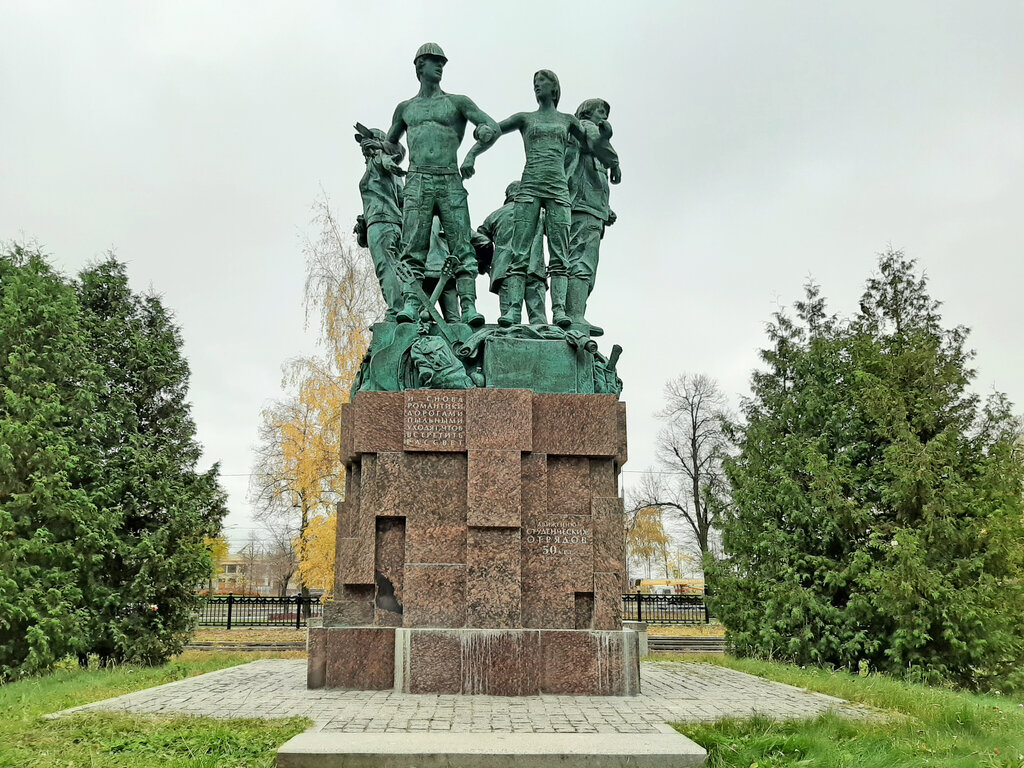 Vladimir Vysotsky Student Songs https://www.youtube.com/watch?v=8YMGNhTQ9r4 Source: Objaverse 1.0 / Sketchfab
Traumatic Events, Post-Traumatic Stress Disorder and Post-Traumatic Growth among University Students in Kabul City
Open the record for dataset details and reuse information.
Figure A1 in A student-based expansion of the strategies of reproduction in fish (STOREFISH) database to 288 North American freshwater and anadromous species for 14 egg and larval traits
Figure A1. – Box-plots for the first four survey questions (Q1-Q4). See Table A1 for explanations.
Database of Training in self-regulated learning based on a neuropsychological approach to academic stress in university students
<p><span>Mixed design study carried out in the period March - April 2023, in which eight students participating in the second year of their degree in Psychology, at the “Marta Abreu” Central University of Las Villas, Cuba. This study aimed to evaluate the effectiveness of a training strategy in self-regulated learning to reduce stress associated with the academic context.</span></p>
SOME ASPECTS OF PREPARING PRIMARY CLASS TEACHERS TO GUIDE STUDENTS TO NATIONAL PROFESSIONS
<p><em><span>The article discusses the methodology of developing the skills of future primary school teachers in national trades and the technologies of guiding primary school students to national trades.</span></em></p>
Dataset: SWP-SentiSurvey for Sentiment Analysis in Student Software Projects
<p><strong>Description</strong></p> <p>In 2022, we conducted a survey about the perceptions of student developers regarding sentiments in statements. We published a paper about the results. The dataset includes the survey questions and the answers of the total 81 participants.</p> <p><strong>Citation</strong></p> <p>Information on the study design and execution are presented in the paper linked below.</p> <p>Please, see also the references below for the papers to cite.</p>
THE DIFFICULTIES IN TEACHING ENGLISH LITERATURE TO UNDERGRADUATE STUDENTS
<p><em><span>This article explores the multifaceted challenges faced by educators in teaching English literature to undergraduate students. It delves into the complexities of student engagement, curriculum design, and the integration of diverse literary perspectives. By analyzing various pedagogical approaches and the impact of cultural and technological factors, this study aims to provide insights into improving literature education at the undergraduate level.</span></em></p>
USING THE NATIONAL TRADITIONS OF THE UZBEK PEOPLE IN THE PROCESS OF SECONDARY SCHOOL STUDENTS
Open the record for dataset details and reuse information.
ScienceDex guides
Understand access before you commit
These curated guides explain access requirements, typical timelines, costs, and reuse considerations for widely used research datasets.
Allen Brain Atlas
Allen Brain Atlas is an Allen Institute collection of brain map atlases, datasets, APIs, and analysis tools covering mouse, human, and non-human primate brain resources.
Annotated Behaviour and Observability Dataset (ABODe)
ABODe is a University of Edinburgh DataShare dataset for behavior classification in group-housed mice using home-cage video, identities, bounding boxes, ground-plate positions, and annotator labels.
DANDI Archive for NWB datasets
DANDI is a BRAIN Initiative archive for publishing and sharing neurophysiology data, including electrophysiology, optophysiology, and behavioral data packaged as NWB and related standards.
International Brain Laboratory public data
The International Brain Laboratory public data releases expose standardized mouse decision-making experiments, including Neuropixels recordings, widefield calcium imaging, behavior, and session metadata accessed through the ONE API.
OpenNeuro
OpenNeuro is a free, open platform for sharing neuroimaging datasets, with public search, dataset pages, and download paths for web, S3, DataLad, and the OpenNeuro CLI.