ConductScience Petri Dishes 60mm, Sterile (Case of 10)
$52.00 per unit | 10 units per pack Bulk pricing: Case of 10 at $520.00 ($52.00 per unit)
| Automation Level | manual |

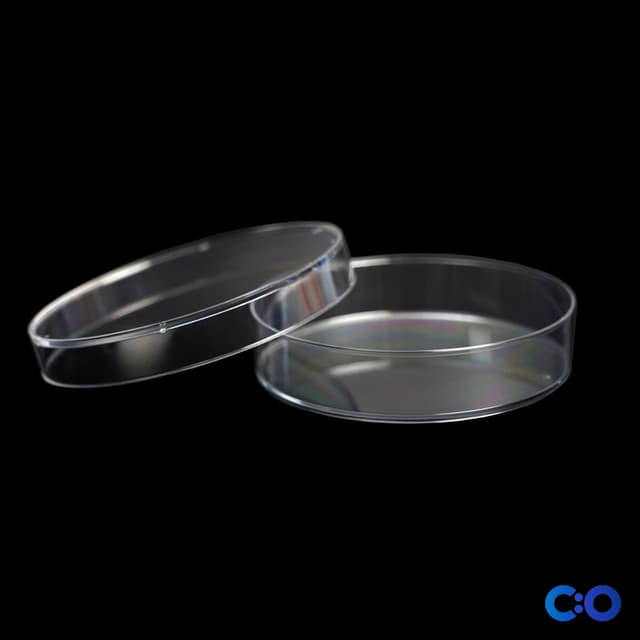
The ConductScience 60mm Petri Dishes provide a sterile, controlled environment for microbial cultivation, cell culture, and analytical plating applications. Manufactured from crystal-clear polystyrene (PS), these dishes offer excellent optical clarity for microscopic observation and colony counting. Each dish features a vented, stackable lid design that maintains sterility while allowing controlled gas exchange essential for aerobic cultivation.
The 60mm diameter provides an optimal surface area for routine microbiological work, including streak plating, spread plating, and colony isolation procedures. The non-pyrogenic construction ensures compatibility with sensitive cell culture applications where endotoxin contamination must be minimized. The sterile packaging eliminates the need for autoclave preparation, enabling immediate use in critical workflows.
How It Works
Petri dishes function as enclosed culture vessels that maintain sterile conditions while providing optimal growth environments for microorganisms and cells. The polystyrene construction offers a chemically inert surface that does not interfere with biological processes or media composition. The material's hydrophobic properties facilitate proper spreading of liquid inocula and prevent media adhesion to the dish walls.
The vented lid design incorporates precisely engineered apertures that allow controlled gas exchange while maintaining sterility barriers. This ventilation system enables aerobic respiration for oxygen-requiring organisms while preventing contamination from airborne particles and microorganisms. The stackable design maximizes incubator space utilization while maintaining individual culture isolation.
Crystal-clear optical properties allow direct microscopic examination of cultures without opening the dish, preserving sterility during observation and colony counting procedures. The flat bottom surface ensures uniform media distribution and consistent culture conditions across the growth area.
Features & Benefits
Automation Level
- manual
Research Domain
- Cell Biology
- Clinical Diagnostics
- Environmental Monitoring
- Food Science
- Microbiology
- Pharmaceutical QC
Weight
- 632.15 kg
Dimensions
- L: 118.2 mm
- W: 98.5 mm
- H: 78.8 mm
Comparison Guide
| Feature | This Product | Typical Alternative | Advantage |
|---|---|---|---|
| Material Construction | Crystal-clear polystyrene with vented stackable lid | Standard polystyrene dishes may lack optimal clarity or ventilation features | Enhanced optical properties enable accurate colony counting and morphology assessment |
| Sterility Assurance | Sterile, non-pyrogenic manufacturing process | Some products require user sterilization or lack non-pyrogenic certification | Ready-to-use format eliminates preparation time and ensures endotoxin-free conditions |
| Lid Design | Precision-vented, stackable configuration | Basic lids may have inadequate ventilation or poor stacking stability | Controlled gas exchange maintains culture viability while maximizing incubator efficiency |
| Packaging Format | 500-count bulk packaging | Smaller package quantities increase per-unit costs | Bulk format reduces packaging waste and provides cost efficiency for high-volume laboratories |
These petri dishes combine crystal-clear optical properties with precision-engineered ventilation and sterile manufacturing. The bulk packaging format and stackable design optimize laboratory efficiency while maintaining the sterility assurance required for critical applications.
Practical Tips
Always handle dishes by the rim and avoid touching the interior surfaces to prevent contamination.
Why: Fingerprints and skin flora can interfere with culture results and compromise sterility.
Invert dishes during incubation to prevent condensation from dripping onto the culture surface.
Why: Condensation can spread colonies and create interpretation difficulties during analysis.
Store unused dishes in original packaging away from direct light and temperature extremes.
Why: UV exposure and heat can degrade polystyrene properties and compromise package integrity.
Allow media to cool to 45-50°C before pouring to prevent thermal shock and bubble formation.
Why: Proper temperature ensures smooth media surface and prevents thermal damage to heat-sensitive additives.
Dispose of used dishes according to institutional biowaste protocols, treating all cultures as potentially infectious.
Why: Proper disposal prevents environmental contamination and protects personnel from exposure to pathogens.
If media appears cloudy after solidification, check for adequate cooling time and media preparation procedures.
Why: Premature pouring or contaminated media can result in poor optical clarity affecting colony observation.
Setup Guide
What’s in the Box
- 500 sterile 60mm petri dishes with vented lids
- Individual sterile packaging (typical)
- Lot identification labels (typical)
Warranty
ConductScience provides standard warranty coverage against manufacturing defects. Technical support is available for application guidance and troubleshooting.
Compliance
What is the optimal media volume for 60mm dishes?
15-20ml provides appropriate depth (3-4mm) for most applications, ensuring adequate nutrition without excessive thickness that impedes gas exchange.
Can these dishes withstand autoclave sterilization if needed?
Polystyrene has limited heat tolerance; consult product datasheet for specific temperature limits. Pre-sterilized dishes eliminate autoclave requirements.
Are the dishes compatible with automated colony counting systems?
Crystal-clear construction and flat bottom design support optical colony counting systems, though compatibility depends on specific instrument requirements.
What is the shelf life of sterile dishes?
Consult product labeling for expiration dating. Store in dry conditions away from direct sunlight to maintain package integrity.
How do vented lids affect incubation conditions?
Vented design allows gas exchange for aerobic growth while preventing rapid dehydration of media during extended incubation periods.
Can dishes be used for anaerobic cultivation?
Vented lids allow oxygen ingress; use appropriate anaerobic systems or gas-tight containers for strict anaerobic applications.
What magnification is optimal for colony observation?
The optical clarity supports magnifications up to 40x for detailed colony morphology assessment, though higher magnifications may require removal from dish.
Have a question about this product?
Accessories
Enhance your setup with compatible accessories
Frequently Bought Together
Upgrade Options
Related Products