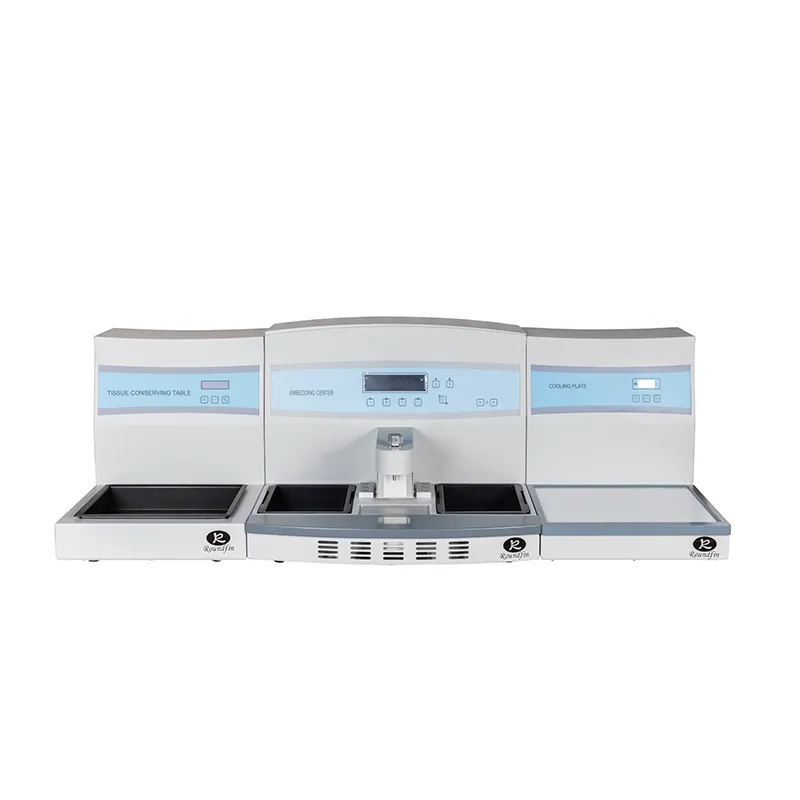
Tissue Embedding Center
Precision paraffin embedding workstation with 4L heated chamber, temperature-controlled zones (room temp to 85°C), and finger-touch dispensing controls for consistent histopathology specimen processing.
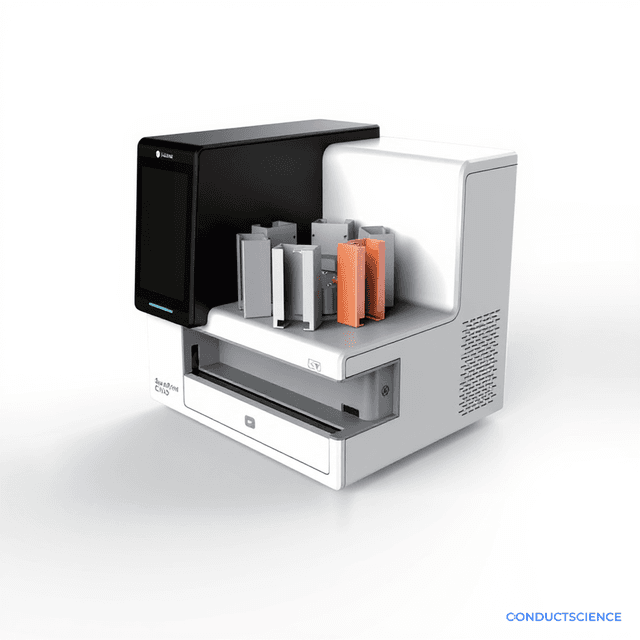
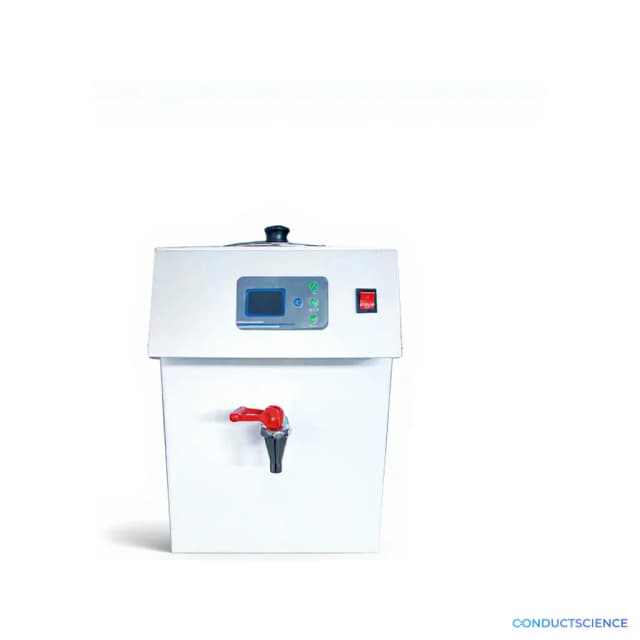
The Tissue Embedding Center is a precision histopathology workstation designed for paraffin embedding of tissue specimens in research and diagnostic laboratories. This system integrates heated paraffin storage, dispensing controls, and temperature-controlled work surfaces to support consistent tissue processing workflows. The unit features a 4L paraffin chamber with temperature control ranging from room temperature to 85°C, maintaining ±1% precision across all heated zones including the working plate, dispenser, and forceps wells.
Temperature uniformity across multiple zones ensures optimal paraffin viscosity for infiltration and embedding procedures. The finger-touch plate control system provides precise paraffin flow management during block formation. Thermal storage compartments maintain embedding molds and cassettes at working temperature, supporting continuous workflow in high-throughput histology laboratories.
How It Works
The tissue embedding process relies on controlled paraffin infiltration and polymerization to preserve tissue morphology while providing mechanical support for microtome sectioning. The embedding center maintains multiple temperature zones at precise setpoints to optimize paraffin viscosity throughout the workflow. The heated paraffin chamber keeps molten paraffin at optimal dispensing temperature, while the working plate provides a temperature-controlled surface for mold positioning and tissue orientation.
During embedding, processed tissue specimens are positioned in metal molds and covered with molten paraffin dispensed through the finger-controlled system. The heated forceps wells maintain instrument temperature to prevent paraffin solidification during manipulation. Thermal storage compartments keep embedding molds and cassettes at working temperature, eliminating temperature gradients that could affect paraffin flow and block quality.
Temperature control precision of ±1% across all zones ensures consistent paraffin properties, critical for maintaining tissue architecture and enabling reproducible sectioning characteristics. The 650W heating system provides rapid temperature recovery during continuous operation, supporting high-throughput laboratory workflows.
Features & Benefits
Model
- RF-RD-BM,BL III ($7000)
- RF-0032 ($6000)
- RF-0031 ($6000)
- RF-0030 ($6000)
- RF-RD-BM,BL ($4860)
Weight
- 36.71 lbs
Dimensions
- L: 23.23 in
- W: 15.16 in
- H: 13.58 in
Comparison Guide
| Feature | This Product | Typical Alternative | Advantage |
|---|---|---|---|
| Temperature Control Precision | ±1% precision across all heated zones | Entry-level models often provide ±2-3°C precision | Improved reproducibility in paraffin viscosity and flow characteristics, critical for consistent block quality. |
| Paraffin Chamber Capacity | 4L heated chamber | Basic units typically offer 1-2L capacity | Extended operation periods between refills, supporting high-throughput laboratory workflows. |
| Multi-Zone Temperature Control | Independent control of chamber, dispenser, work plate, and forceps wells | Simple systems often have single or dual zone control | Optimized thermal conditions for each workflow step, preventing paraffin solidification during embedding procedures. |
| Dispensing Control System | Finger-touch plate control for precise paraffin flow | Manual valves or gravity-fed systems common in basic models | Precise paraffin placement during embedding, reducing waste and improving block formation consistency. |
| Temperature Range | Room temperature to 85°C across all zones | Fixed temperature models or limited range adjustment | Accommodates various paraffin grades and specialized embedding protocols for different tissue types. |
| Thermal Storage Integration | Dedicated heated compartments for molds and cassettes | Separate warming plates or no thermal storage | Maintains embedding accessories at optimal temperature, eliminating thermal shock effects on paraffin flow. |
This embedding center provides precision temperature control with ±1% accuracy across multiple independent zones, 4L paraffin capacity for extended operation, and integrated thermal storage for complete workflow support. The finger-touch dispensing system enables controlled paraffin delivery with accommodating various paraffin grades through the room temperature to 85°C operating range.
Practical Tips
Verify temperature accuracy monthly using a calibrated thermometer placed in each heated zone during steady-state operation.
Why: Temperature drift can affect paraffin viscosity and compromise embedding quality over time.
Clean paraffin residue from the chamber and dispensing system weekly using appropriate solvents when the system is at working temperature.
Why: Accumulated paraffin debris can interfere with temperature sensors and dispensing mechanisms.
Preheat embedding molds and cassettes in the thermal storage compartments for 10-15 minutes before use.
Why: Cold molds cause rapid paraffin solidification, leading to incomplete tissue infiltration and poor block quality.
Maintain paraffin level above the minimum mark to ensure proper heating element coverage and temperature uniformity.
Why: Low paraffin levels can cause hot spots and temperature inconsistencies that affect dispensing characteristics.
If paraffin flow becomes inconsistent, check for air bubbles in the dispensing line and purge by activating the control multiple times.
Why: Air bubbles disrupt smooth paraffin flow and can cause uneven distribution during embedding procedures.
Document temperature settings and paraffin lot numbers for each embedding session to ensure protocol reproducibility.
Why: Temperature and paraffin variables directly affect section quality and can impact downstream immunohistochemistry results.
Always use heated forceps from the designated wells when manipulating specimens to prevent burns from contact with hot surfaces.
Why: Hot paraffin and metal surfaces can cause severe burns, and temperature-controlled forceps reduce this risk.
Replace dispensing filters according to manufacturer recommendations to maintain consistent paraffin flow and prevent contamination.
Why: Clogged filters can cause pressure variations and introduce particulates that affect block quality.
Setup Guide
What’s in the Box
- Tissue Embedding Center main unit
- Power cable
- User manual and operation guide
- Temperature calibration certificate (typical)
- Paraffin dispensing accessories (typical)
- Forceps and basic embedding tools (typical)
Warranty
ConductScience provides standard manufacturer warranty coverage with technical support for installation and operational guidance. Extended service plans available for high-volume laboratory environments.
Compliance
References
Background reading relevant to this product:
What paraffin types are compatible with the heating system?
The system accommodates standard histology paraffins with melting points up to 85°C. Most common embedding paraffins (56-58°C melting point) work optimally in the 55-70°C operating range.
How quickly does the system reach working temperature?
The 650W heating system typically requires 30-45 minutes for complete thermal equilibration from room temperature to working temperature across all zones.
Can different zones be set to different temperatures?
Yes, each heated zone (chamber, dispenser, work plate, forceps wells, storage compartments) can be independently controlled within the room temperature to 85°C range.
What is the typical paraffin consumption rate?
Consumption depends on specimen size and embedding frequency. The 4L chamber capacity typically supports 100-200 standard embedding procedures before refilling is required.
How is temperature accuracy maintained during operation?
The system maintains ±1% temperature control precision through integrated thermal sensors and feedback control. Regular calibration verification is recommended for optimal performance.
What maintenance procedures are required?
Routine maintenance includes paraffin chamber cleaning, temperature calibration verification, and dispenser line cleaning. Consult user manual for detailed maintenance schedules.
Is the unit suitable for continuous operation?
Yes, the thermal design supports continuous operation with rapid temperature recovery. The system is designed for high-throughput laboratory environments.
What safety features are included?
Safety features include over-temperature protection, thermal insulation, and controlled paraffin dispensing to minimize burn hazards. Consult safety guidelines for proper operation procedures.
Have a question about this product?