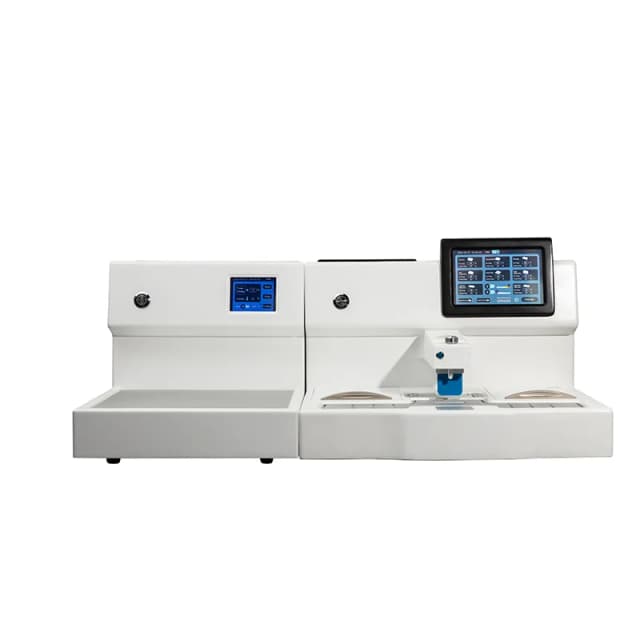
Paraffin Dispenser
Laboratory-grade 12-liter paraffin dispenser with precise temperature control (RT-100°C, ±1°C) for consistent tissue processing and histological embedding applications.

Louise Corscadden, PhD
Director of Science · ConductScience
Ask Louise about Paraffin Dispenser fit, setup, configuration, or quote prep.
Already working with us? Sign in to connect this with My Scientist.
Key Specifications
Full details →- Model fit
- Configured during quote
- SKU family
- BIO-0564
- Shipping box
- 55.0 x 33.0 x 43.0 cm
- Ordering
- Online checkout and quote request available
- Category
- Tissue Processing
- Build notes
- Confirm accessories, station layout, and support needs before purchase
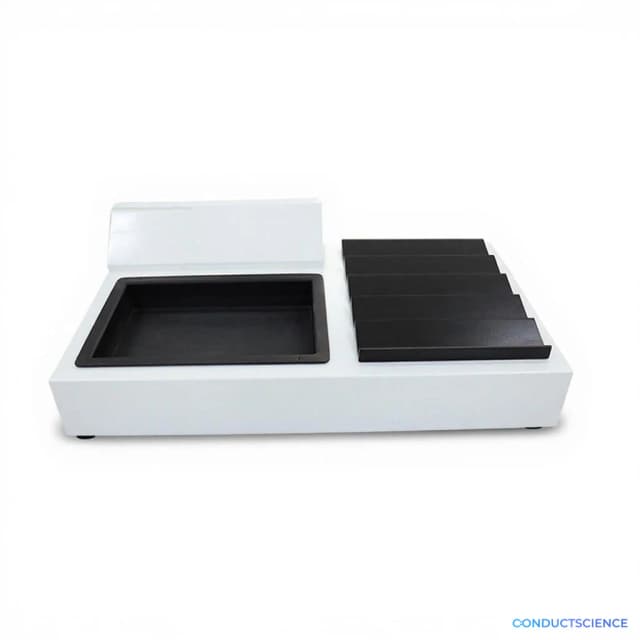
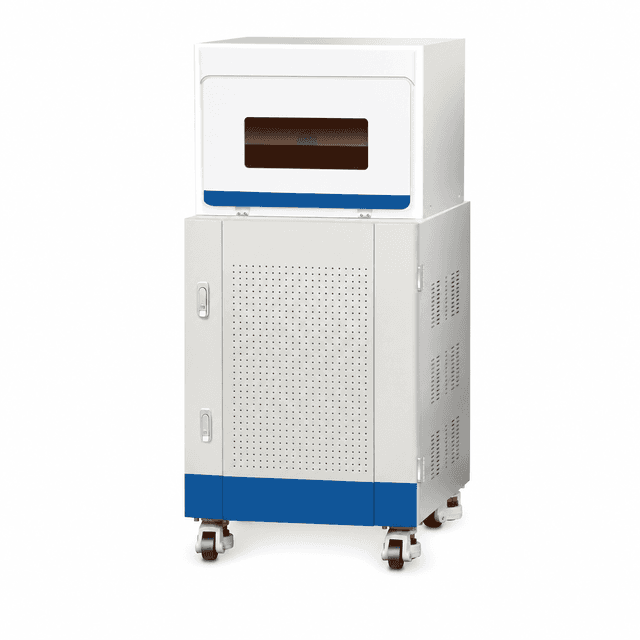
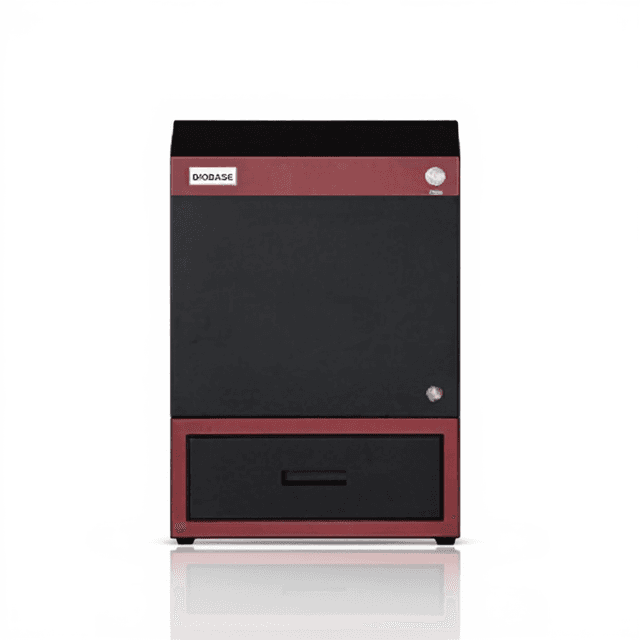
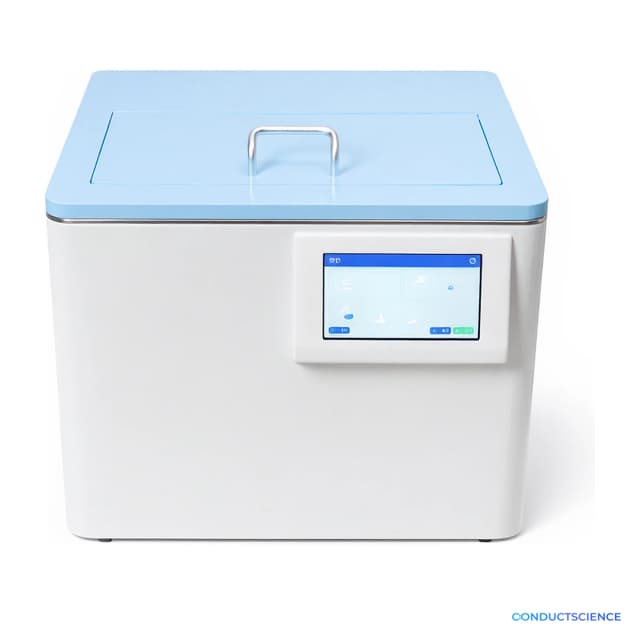
Paraffin Dispenser BK-RLY - Precision Paraffin Wax Dispensing System. The Paraffin Dispenser is a precision instrument designed for controlled dispensing of paraffin wax in laboratory, medical, and industrial applications. Features include LCD screen for heating status display, fast heating with energy saving, paraffin valve intelligent control for smooth wax flow, imported temperature measuring block for high precision, memory and automatic recovery function, full computer automatic control program with intelligent digital temperature controller. Specifications: Model BK-RLY, Capacity 12 Liters, Temperature range room temperature to 100 degrees Celsius, Precision plus/minus 1 degree Celsius, Power consumption 1000W, Power supply 220V 50/60Hz standard or 110V optional, External dimensions 330x430x550mm, Net weight 14kg, Packing dimensions 440x560x730mm, Gross weight 29kg. Applications include pathology laboratories, medical institutions, research facilities, histology tissue processing, paraffin wax dispensing.
How It Works
The paraffin dispenser operates through controlled thermal heating of solid paraffin wax within a temperature-regulated chamber. The 1000W heating element provides rapid thermal transfer to the 12-liter paraffin reservoir, maintaining molten wax at the selected temperature between room temperature and 100°C. Precise temperature control (±1°C) is achieved through integrated thermal sensors and feedback control systems that prevent temperature fluctuations that could affect paraffin viscosity.
When paraffin reaches the target temperature, it achieves optimal flow characteristics for tissue embedding applications. The controlled heating prevents overheating that could degrade paraffin quality or create hazardous vapors, while maintaining sufficient fluidity for complete tissue infiltration and void-free embedding. The large capacity reservoir ensures continuous availability of molten paraffin during extended processing sessions.
Features & Benefits
Automation Level
- manual
Temp. Range
- RT~100℃
Temp. Precision
- ±1℃
Consumption
- 1000W
External Size(W*D*H)
- 330*430*550mm
Packing Size(W*D*H)
- 440*560*730mm
Brand
- ConductScience
Research Domain
- Cancer Research
- Cardiovascular Research
- Clinical Diagnostics
- Developmental Biology
- Histopathology
- Neuroscience
Capacity
- 12L
Power/Voltage
- Standard: 220V, 50/60Hz; Optional: 110V, 50/60Hz
Weight
- 29kg
Shipping weight
- 14.0 lb
Shipping box
- L: 55.0 cm
- W: 33.0 cm
- H: 43.0 cm
| Feature | This Product | Typical Alternative | Advantage |
|---|---|---|---|
| Reservoir Capacity | 12 liters | Entry-level models typically offer 2-5 liter capacity | Reduces refilling frequency during high-throughput tissue processing sessions |
| Temperature Precision | ±1°C accuracy | Basic units often provide ±2-3°C precision | Ensures consistent paraffin viscosity for reproducible embedding quality |
| Heating Power | 1000W heating system | Lower-power models typically use 500-750W systems | Provides faster thermal recovery and maintains stability during continuous dispensing |
| Temperature Range | Room temperature to 100°C | Many units offer narrower ranges around 40-80°C | Accommodates diverse paraffin formulations and specialized embedding protocols |
| Voltage Compatibility | Dual voltage: 220V standard, 110V optional | Most units offer single voltage configuration | Simplifies global laboratory integration without voltage conversion requirements |
| Instrument Weight | 14 kg operating weight | Smaller units typically weigh 6-10 kg | Provides stable operation during dispensing while remaining manageable for relocation |
This paraffin dispenser offers substantial 12-liter capacity with precise ±1°C temperature control and robust 1000W heating for high-throughput laboratory applications. The dual voltage compatibility and comprehensive temperature range (RT-100°C) provide operational flexibility for diverse histological protocols.
Practical Tips
Verify temperature accuracy monthly using a calibrated thermometer placed in the molten paraffin during steady-state operation.
Why: Temperature drift affects paraffin viscosity and can compromise embedding quality over time.
Clean the reservoir thoroughly when changing paraffin types or when contamination is suspected, using appropriate solvents for complete residue removal.
Why: Cross-contamination between paraffin types can affect embedding characteristics and specimen quality.
Allow 15-20 minutes for temperature equilibration after initial heating or temperature changes before processing critical specimens.
Why: Thermal equilibration ensures consistent paraffin flow properties throughout the reservoir volume.
If temperature fluctuations occur, check for drafts, verify adequate electrical supply, and ensure the unit is level and stable.
Why: Environmental factors and power variations can interfere with precise temperature control systems.
Monitor and record operating temperature during each processing session to maintain documentation for quality assurance programs.
Why: Temperature records support laboratory accreditation requirements and troubleshooting of embedding issues.
Maintain adequate ventilation around the unit and avoid overfilling the reservoir above maximum capacity marks.
Why: Proper ventilation prevents vapor accumulation while correct filling prevents spillage during thermal expansion.
Pre-warm embedding molds and tools to prevent rapid paraffin cooling that can create embedding artifacts.
Why: Temperature differential between paraffin and embedding tools affects infiltration quality and sectioning characteristics.
Replace paraffin when it becomes discolored, shows particulate contamination, or exhibits changed flow characteristics.
Why: Degraded paraffin can introduce artifacts in tissue sections and compromise histological interpretation.
Setup Guide
What’s in the Box
- Paraffin dispenser main unit
- Power cord
- Temperature controller
- User manual and operating instructions
- Warranty documentation (typical)
Warranty
ConductScience provides a standard 1-year manufacturer warranty covering parts and labor, with technical support for troubleshooting and operational guidance. Extended service plans may be available for critical laboratory applications requiring minimal downtime.
Compliance
What is the optimal operating temperature for routine histological embedding?
Most histological applications use 60-65°C for paraffin embedding, though the unit's full range (RT-100°C) accommodates different paraffin formulations and specialized protocols requiring higher or lower temperatures.
How long does the 12-liter capacity last during typical processing?
Capacity duration depends on specimen volume and embedding frequency. For routine diagnostic work processing 50-100 specimens daily, the 12-liter capacity typically provides 2-3 days of operation before refilling.
What type of paraffin wax is compatible with this dispenser?
The unit accommodates standard histological paraffin wax with melting points between 56-58°C, as well as specialized paraffin formulations requiring different thermal profiles within the operating range.
How stable is the temperature control during continuous operation?
The ±1°C precision is maintained throughout extended operation periods. The 1000W heating system provides rapid thermal recovery when dispensing large volumes or when the chamber is opened frequently.
Can the unit operate continuously for extended periods?
Yes, the thermal control system is designed for continuous laboratory operation. Regular monitoring of paraffin levels and periodic cleaning maintain optimal performance during extended use periods.
What maintenance is required for consistent performance?
Regular cleaning of the reservoir, calibration verification of temperature control, and replacement of paraffin when contaminated or degraded. Consult product datasheet for specific maintenance intervals.
How does this compare to smaller capacity dispensers?
The 12-liter capacity reduces refilling frequency compared to smaller units (typically 2-5 liters), making it suitable for high-throughput laboratories. Larger capacity also provides better temperature stability during heavy use.
What power requirements should laboratories consider?
The 1000W consumption requires adequate electrical supply capacity. Standard 220V 50/60Hz operation is provided, with optional 110V configuration available for North American laboratory installations.
Have a question about this product?
Have a question? Just ask.
Send it over and we'll email you a personalized answer — no call, no scheduling.
Prefer to talk it through?
Accessories
Enhance your setup with compatible accessories