10 articles
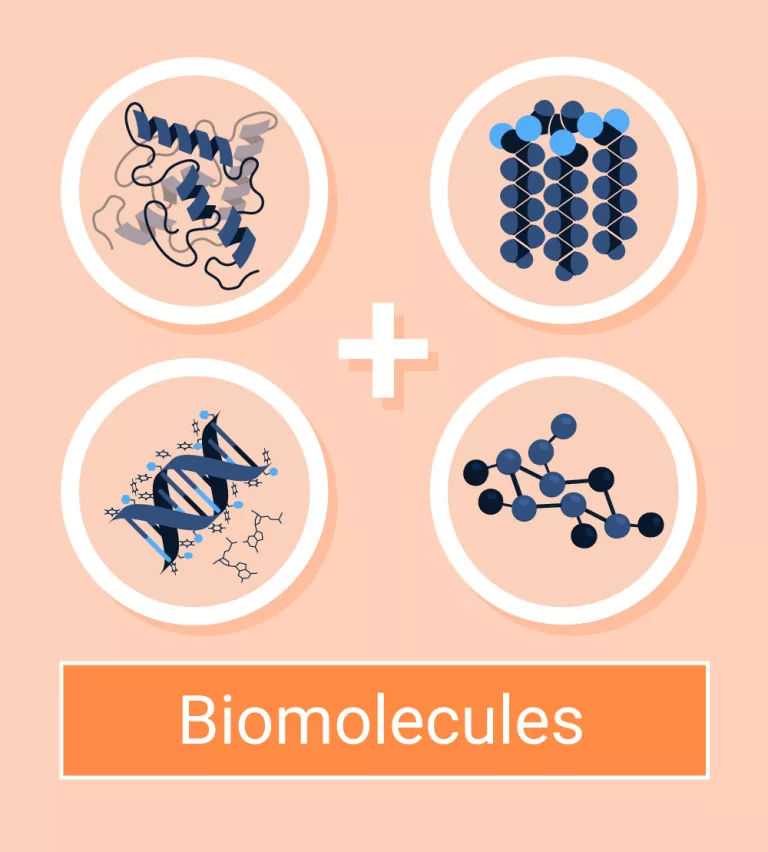
Reference to this article: ConductScience, Amino Acids: Building Blocks of Proteins (2022). doi.org/10.55157/CS20220612 Introduction and History Amino acids are organic…
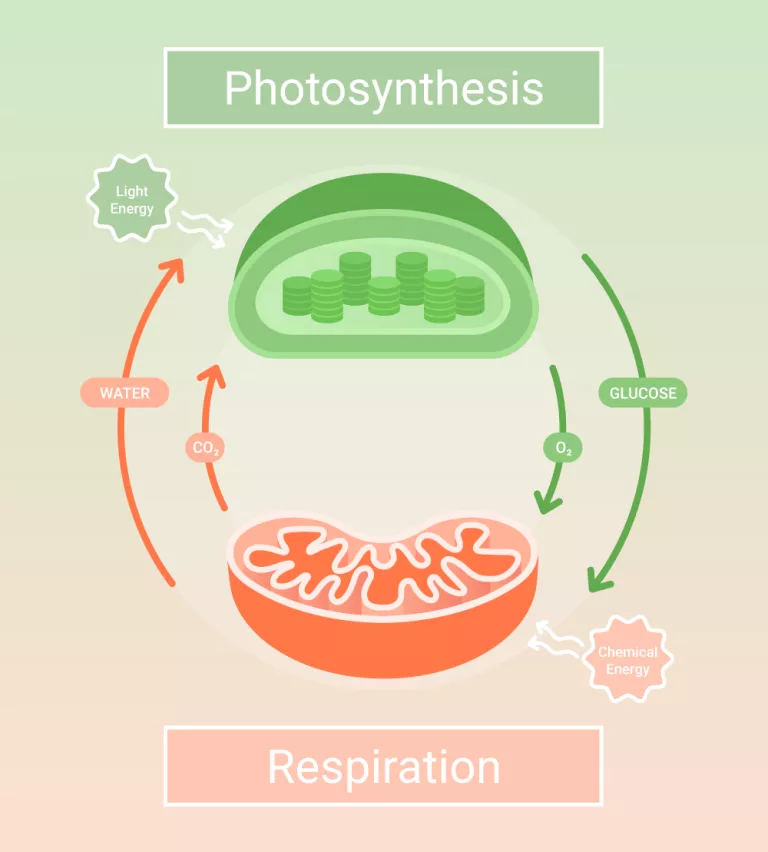
See our Environmental Science Products The Calvin(-Benson-Bassham) (CBB) cycle, also named reductive pentose phosphate pathway or dark reactions, is a…
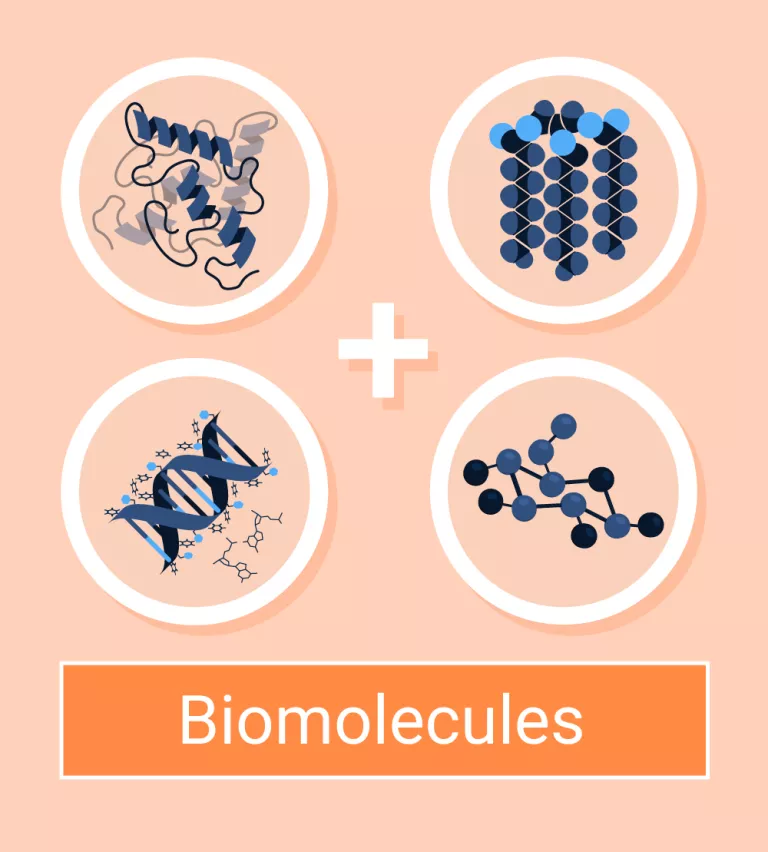
What Are Peptides? The biological significance of proteins was recognized more than two centuries ago.[1] They were considered the primary…
Introduction Have you ever thought about why athletes or gymnasts are often on a protein-rich diet? It’s because these people…
Introduction Living organisms require biomolecules for several biological processes like energy storage and regulation of their metabolic cycles. Among all,…
Introduction Lipids are one of the major macromolecules present in our body, and others include nucleic acids, carbohydrates, and proteins.…
Introduction and History Nucleic acids are an essential class of macromolecules present in all cells of organisms including viruses.[1] They…
Introduction Polysaccharides are long-chain polymers of monosaccharide units, joined together by glycosidic linkages. They are also known as glycans. They…
Introduction The phenomenon of mutarotation was discovered in 1846 while a scientist was learning about the properties of glucose, a…