Automated Gait Analysis Bundle
Automated video-based system for quantitative rodent gait analysis using AI-powered tracking software with 99% accuracy for non-invasive locomotor assessment.
| camera_sensor | Advanced CMOS Photosensitive Chip 1/2.7inch |
| camera_band_options | 90 degrees, 80 degrees, 70 degrees, 60 degrees, 50 degrees |
| signal_noise_ratio | 41 dB |
| video_format | MJPG format |
| camera_megapixels | Industrial Grade 2 million Megapixels |
| frame_rate | 60 fps |
What's Included
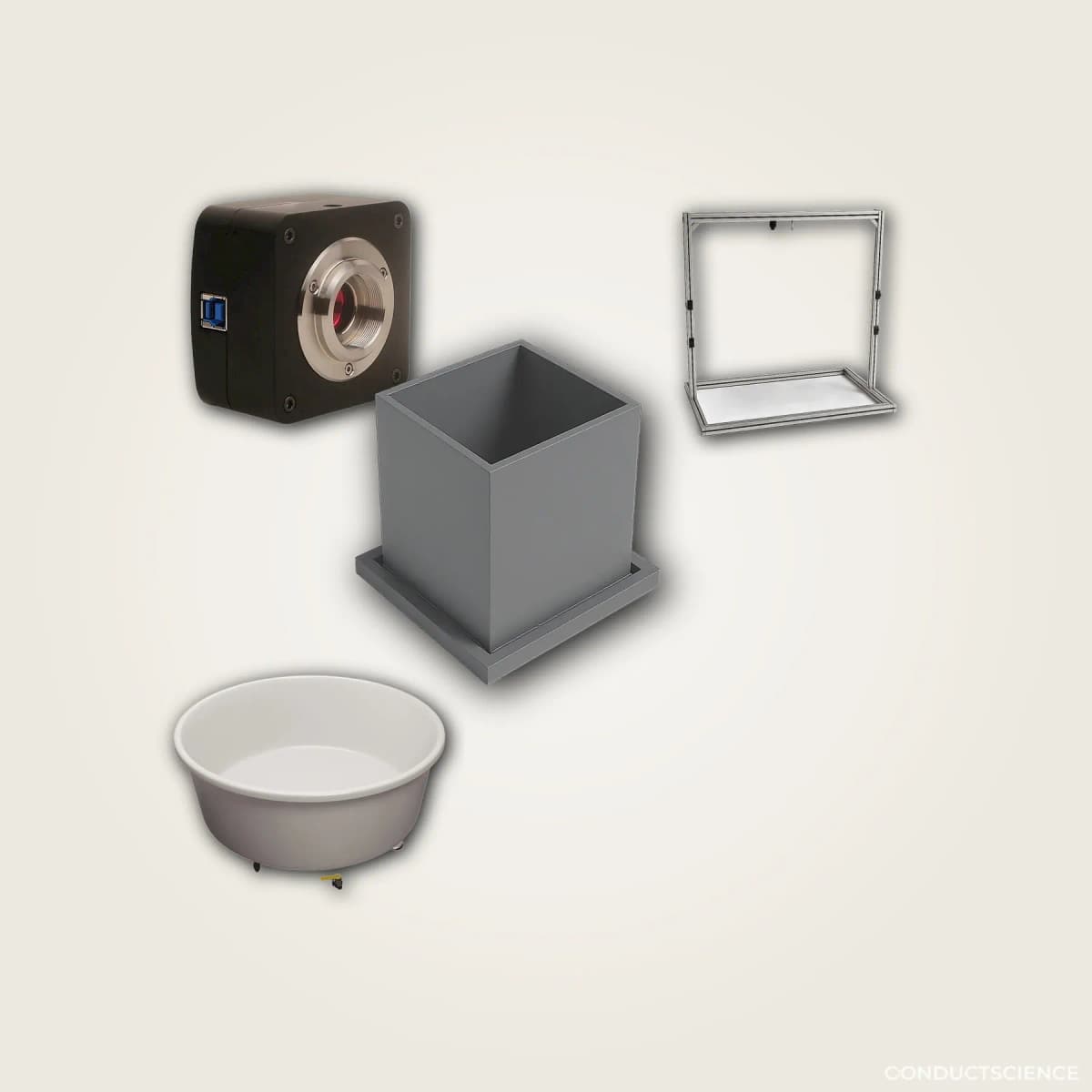
4 products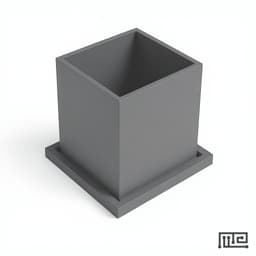
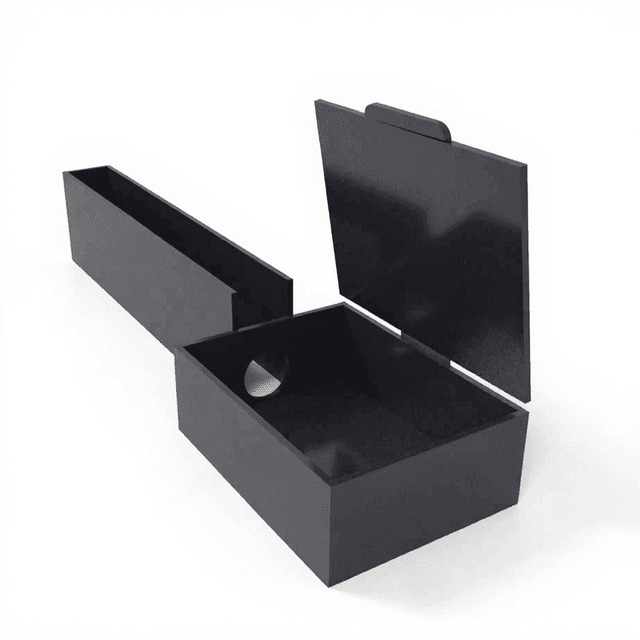
Open Field Test
$540.00-10.0%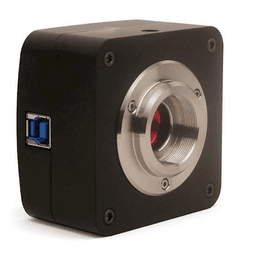
Video Tracking Cameras
$450.00-10.0%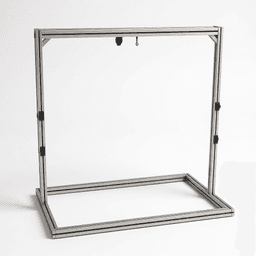
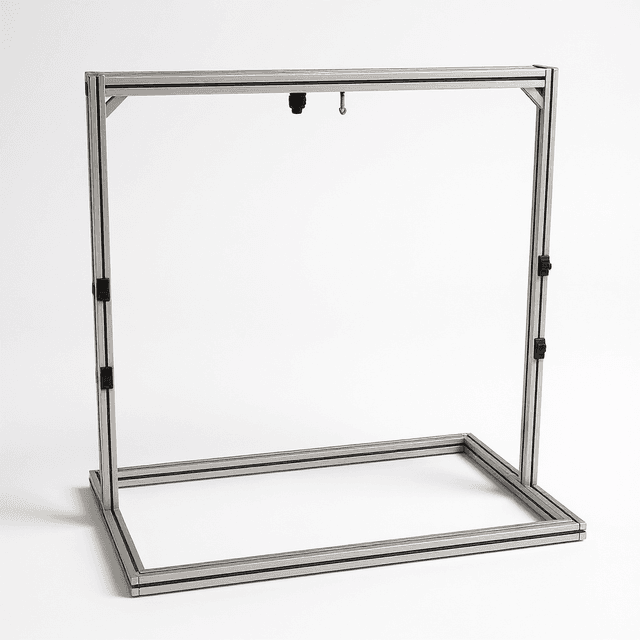
Camera Gantry
$790.00-10.0%
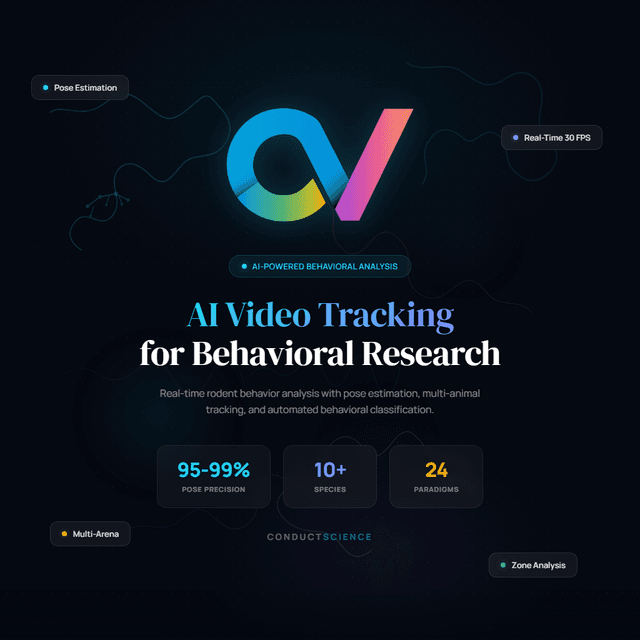
ConductVision: AI Driven Video Tracking
$1490.00-10.0%The Automated Gait Analysis System combines an Open Field chamber with ConductVision AI-powered tracking software to provide non-invasive, quantitative assessment of rodent locomotor patterns. The system replaces traditional manual observation methods with computer vision technology that achieves 99% tracking accuracy for comprehensive gait parameter analysis.
The integrated system captures high-definition video at 60 fps using industrial-grade monochrome cameras, enabling precise detection of paw placement, stride characteristics, and movement dynamics. ConductVision software processes video data in real-time to extract quantitative metrics including stride length, step frequency, and gait symmetry, providing objective measurements for motor function studies and neurological assessments.
How It Works
The system employs computer vision analysis of high-speed video to automatically track rodent movement patterns within the Open Field chamber. The industrial-grade CMOS camera captures monochrome video at 1920x1080 resolution and 60 frames per second, providing sufficient temporal resolution to detect individual paw contacts and lift-offs during locomotion.
ConductVision software uses advanced AI algorithms to identify the animal's body position and limb movements throughout each video frame. The software automatically segments the body into trackable regions and calculates spatial coordinates for paw placement events. Machine learning models trained on gait biomechanics extract quantitative parameters including stride length, step width, stance duration, and swing phase timing.
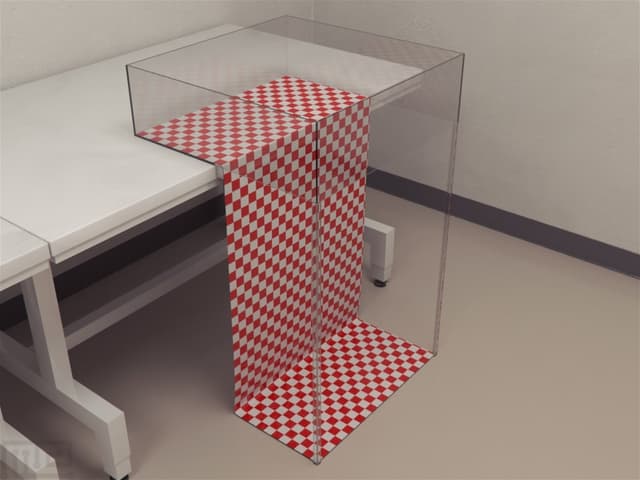
The clear acrylic floor of the Open Field allows optimal contrast for paw detection, while the colored wall options (blue, black, grey, white) provide visual boundaries that enhance animal tracking accuracy. Data processing occurs in real-time, generating comprehensive gait metrics without requiring manual intervention or physical markers on the animal.
Features & Benefits
camera_sensor
- Advanced CMOS Photosensitive Chip 1/2.7inch
camera_band_options
- 90 degrees, 80 degrees, 70 degrees, 60 degrees, 50 degrees
signal_noise_ratio
- 41 dB
video_format
- MJPG format
camera_megapixels
- Industrial Grade 2 million Megapixels
frame_rate
- 60 fps
camera_type
- Monochrome
camera_mount
- C/CS-mount
included_cable
- USB2.0 cable
floor_type
- Clear floor
floor_insert
- Colored floor insert available
software_drivers_required
- No software and drivers required
Behavioral Construct
- Locomotor activity
- Gait patterns
- Motor coordination
- Stride characteristics
Automation Level
- fully-automated
Color
- Black
- Blue
- Grey
- White
Accuracy
- 1920*1080
- 99%
Species
- Mouse
- Rat
Research Domain
- Aging Research
- Behavioral Pharmacology
- Motor Function
- Neurodegeneration
- Neuroscience
- Pain Research
Weight
- 21.0 lbs
Dimensions
- L: 43.2 in
- W: 38.0 in
- H: 27.9 in
Comparison Guide
| Feature | This Product | Typical Alternative | Advantage |
|---|---|---|---|
| Tracking Accuracy | 99% accuracy with AI-powered analysis | Manual systems rely on observer consistency, while basic automated systems often achieve lower accuracy rates | Reduces measurement variability and ensures consistent data quality across different operators and experimental sessions. |
| Video Resolution | 1920x1080 HD resolution at 60 fps | Entry-level systems often use lower resolution cameras with reduced frame rates | Captures fine details of paw placement and rapid movement transitions essential for precise gait analysis. |
| Chamber Configuration | Species-specific sizes with multiple wall color options | Fixed-size chambers with limited customization options | Accommodates different species and experimental requirements while optimizing visual contrast for tracking. |
| System Integration | Complete hardware-software package with 24/7 support | Separate camera and software purchases requiring individual setup and support | Eliminates compatibility issues and provides single-source technical support for the entire system. |
| Camera Specifications | Industrial-grade 2-megapixel CMOS with 41 dB signal-to-noise ratio | Consumer-grade cameras with lower specifications | Ensures consistent imaging performance and data quality in laboratory environments with extended use. |
The system combines high-resolution video capture, AI-powered tracking software, and species-specific chambers in an integrated package. The 99% tracking accuracy and 60 fps frame rate provide precise gait measurements, while multiple configuration options accommodate diverse experimental protocols.
Practical Tips
Calibrate chamber dimensions in software before each experimental session using known reference measurements.
Why: Ensures accurate spatial measurements and accounts for any camera position changes between sessions.
Clean the clear acrylic floor thoroughly between animals to prevent tracking artifacts from residual material.
Why: Contamination or scratches on the floor surface can create false contrast points that interfere with paw detection algorithms.
Allow animals 5-10 minutes habituation in the chamber before beginning data collection.
Why: Initial exploration behavior can confound gait measurements, while habituation promotes natural locomotor patterns.
Select wall color that provides maximum contrast with your animal's coat color for optimal tracking performance.
Why: Higher contrast improves the software's ability to distinguish animal boundaries and track movement accurately.
Monitor ambient lighting conditions and minimize shadows that could interfere with tracking algorithms.
Why: Consistent lighting ensures stable tracking performance and prevents false detection of shadows as animal body parts.
If tracking accuracy decreases, check camera focus and clean lens surfaces before adjusting software parameters.
Why: Optical issues are more common causes of tracking problems than software calibration errors.
Ensure USB cable routing does not create tripping hazards around the experimental setup area.
Why: Proper cable management prevents accidents and protects equipment from damage due to accidental disconnection.
Setup Guide
What’s in the Box
- Open Field chamber (species-specific size)
- ConductVision gait tracking software (annual license)
- High-definition monochrome video camera
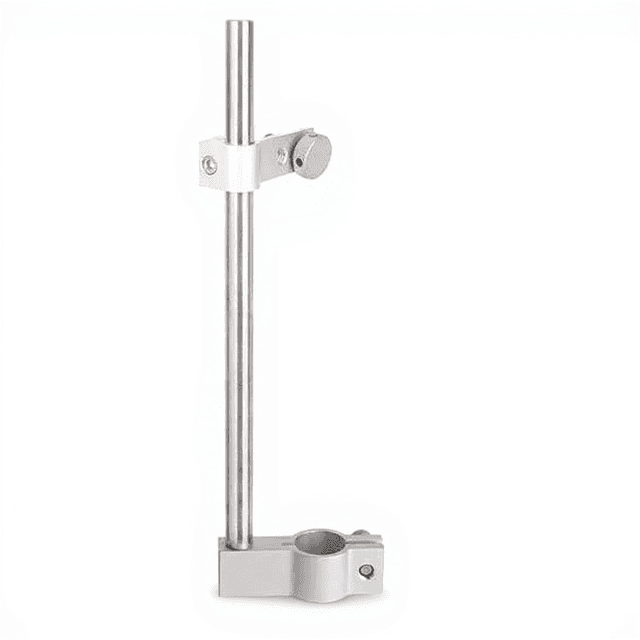
- Adjustable camera mount system
- USB 2.0 connection cable
- Colored floor inserts
- 24/7 technical support access
Warranty
ConductScience provides a standard one-year manufacturer warranty covering hardware components and defects in materials or workmanship. Comprehensive technical support and software updates are included with the annual ConductVision license.
Compliance
References
Background reading relevant to this product:
What gait parameters can the system measure automatically?
The system measures stride length, step width, stance duration, swing phase timing, gait velocity, and paw placement coordinates. ConductVision software extracts these parameters from video analysis without requiring manual scoring.
How does camera frame rate affect measurement precision?
The 60 fps capture rate provides 16.7 millisecond temporal resolution, sufficient to detect individual paw contact events and measure stance/swing phase durations in both mice and rats during normal locomotion.
Can the system detect subtle gait asymmetries?
Yes, the 99% tracking accuracy enables detection of limb-specific differences in stride parameters, making it suitable for assessing unilateral injuries or asymmetric motor deficits.
What factors affect tracking performance?
Optimal performance requires adequate lighting contrast between animal and floor, minimal shadows, and appropriate chamber wall color selection based on animal coat color.
How does this compare to manual gait scoring methods?
Automated analysis eliminates observer bias, provides quantitative rather than categorical measurements, and processes data continuously without requiring frame-by-frame manual analysis.
What data formats does the software export?
Consult product datasheet for specific data export formats and integration capabilities with statistical analysis packages.
Is the system suitable for longitudinal studies?
Yes, the non-invasive design allows repeated measurements on the same animals over time without habituation effects or handling stress that could confound longitudinal assessments.
Have a question about this product?
Frequently Bought Together