1 / 10
Gait Test
SKU ME-5009-W
$1,990.00
IncludesStandard care
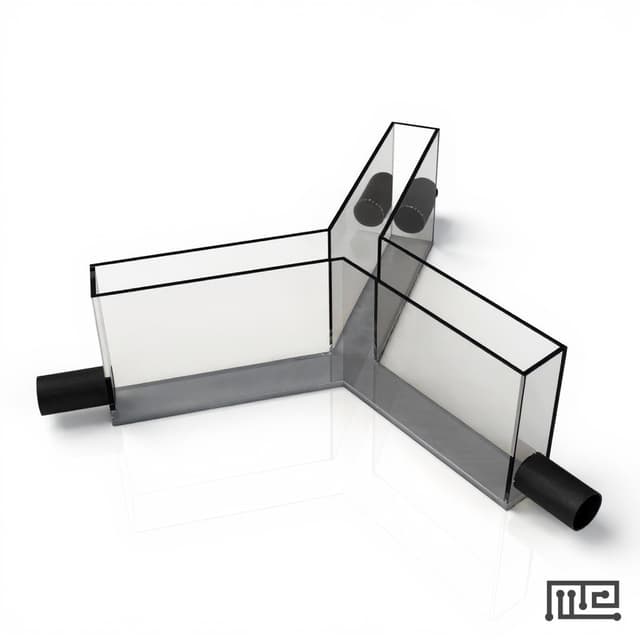
Manual gait analysis apparatus that captures rodent footprint patterns on paper for quantitative assessment of locomotion parameters including stride length and paw placement.
CE MarkedBAA available
Scientist guidance

Louise Corscadden, PhD
Director of Science · ConductScience
Ask Louise about Gait Test fit, setup, configuration, or quote prep.
Already working with us? Sign in to connect this with My Scientist.
Key Specifications
Full details →- Model fit
- Mouse, Rat
- SKU family
- ME-5008/ 5009
- Sizing
- Mouse: Total Size: 60cm x 60cm x 40cm (L x W x H); Runway: 40cm x 4.5cm x 9.5cm (L x W x H); Housing: 14.5 cm x 20cm x 6.5cm (L x W x H); Housing entrance: 4.5cm opening; Paper lining on the runway: 4.5cm x 40 cm (W x L); Rat: Total Size: 90cm x 90cm x 60cm (L x W x H); Runway: 60cm x 6.75cm x 14cm (L x W x H); Housing: 22 cm x 30cm x 9.75cm (L x W x H); Housing entrance: 6.75cm opening; Paper lining on the runway: 6.75cm x 60 cm (W x L)
- Ordering
- Online checkout and quote request available
- Category
- Behavioral Mazes
- Build notes
- Confirm accessories, station layout, and support needs before purchase
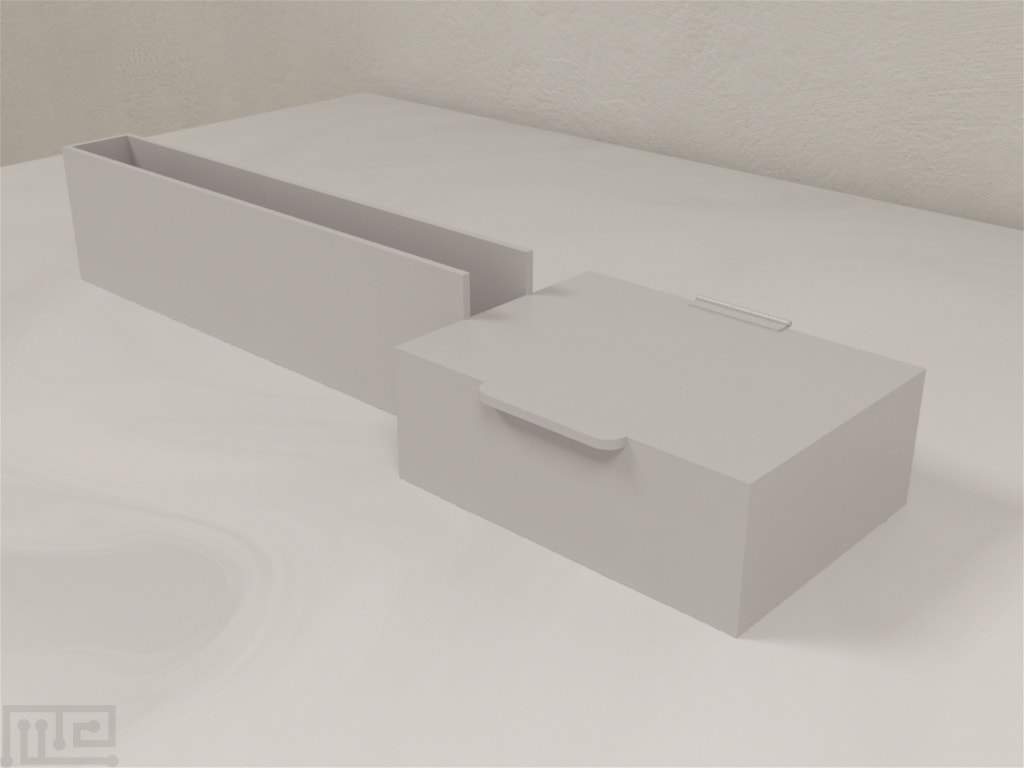
The Gait Test is a specialized apparatus for quantitative locomotion analysis in rodents, designed to capture and analyze footprint patterns during normal gait. The system consists of a narrow runway connected to a housing chamber, with paper lining that records paw impressions using the included blue-black ink. This approach enables detailed assessment of stride length, step width, paw placement patterns, and gait symmetry through direct measurement of ink footprints.
Available in species-specific configurations for mice and rats, the apparatus provides controlled conditions for gait assessment while maintaining natural walking behavior. The housing chamber serves as a familiar start point, encouraging animals to traverse the runway toward the opposite end, generating clear footprint records for subsequent analysis. This manual recording method offers direct visualization of paw contact patterns and enables measurement of multiple gait parameters from a single trial.
How It Works
The Gait Test operates on the principle of contact recording, where animals traverse a narrow runway while their paws contact ink-treated paper. As the animal walks from the housing chamber across the runway, each paw step creates an ink impression that records the exact location, orientation, and pressure distribution of paw placement. The runway dimensions are optimized for each species to encourage natural walking behavior while constraining lateral movement for consistent data collection.
The recorded footprint patterns provide quantitative data on multiple gait parameters including stride length (distance between successive placements of the same paw), step width (lateral distance between left and right paw placements), and stride frequency. Additional parameters such as paw angle, step overlap, and gait symmetry can be calculated through manual measurement of the ink impressions. The housing chamber design encourages forward movement while reducing stress, as animals naturally move from an enclosed space toward an open area.
Features & Benefits
Species-specific runway dimensions
Optimized sizing for mice (40cm x 4.5cm) and rats (60cm x 6.75cm) ensures natural gait patterns while constraining movement for consistent data collection
Housing chamber design
Enclosed starting area reduces animal stress and encourages natural forward locomotion across the runway
Direct ink recording method
Provides permanent, high-resolution record of actual paw contact patterns for detailed offline analysis
Pre-cut paper lining system
Species-matched paper dimensions ensure proper coverage and eliminate preparation variability between trials
Blue-black ink formulation
High-contrast, fast-drying ink creates clear footprint impressions while minimizing interference with animal behavior
Manual measurement compatibility
Recorded footprints can be analyzed using standard measurement tools or digitized for computer-assisted analysis
Compact storage design
Disassembled components store efficiently in laboratory environments while maintaining accessibility for regular use
Sizes by model
| Measurement | Mouse | Rat |
|---|---|---|
| Size | Total Size: 60cm x 60cm x 40cm (L x W x H); Runway: 40cm x 4.5cm x 9.5cm (L x W x H); Housing: 14.5 cm x 20cm x 6.5cm (L x W x H); Housing entrance: 4.5cm opening; Paper lining on the runway: 4.5cm x 40 cm (W x L) | Total Size: 90cm x 90cm x 60cm (L x W x H); Runway: 60cm x 6.75cm x 14cm (L x W x H); Housing: 22 cm x 30cm x 9.75cm (L x W x H); Housing entrance: 6.75cm opening; Paper lining on the runway: 6.75cm x 60 cm (W x L) |
- Blue black ink included
- Mouse: Total Size: 60cm x 60cm x 40cm (L x W x H)
- Mouse: Runway: 40cm x 4.5cm x 9.5cm (L x W x H)
- Mouse: Housing: 14.5 cm x 20cm x 6.5cm (L x W x H)
- Mouse: Housing entrance: 4.5cm opening
- Mouse: Paper lining on the runway: 4.5cm x 40 cm (W x L)
- Rat: Total Size: 90cm x 90cm x 60cm (L x W x H)
- Rat: Runway: 60cm x 6.75cm x 14cm (L x W x H)
- Rat: Housing: 22 cm x 30cm x 9.75cm (L x W x H)
- Rat: Housing entrance: 6.75cm opening
- Rat: Paper lining on the runway: 6.75cm x 60 cm (W x L)
Warranty Length
- 1 YEAR
Storage Included
- Yes
Assembly Required
- Yes
Behavioral Construct
- locomotion
- motor coordination
- gait analysis
- motor function
Automation Level
- manual
Research Domain
- Behavioral Pharmacology
- Learning and Memory
- Motor Function
- Neurodegeneration
- Neuroscience
- Pain Research
- Toxicology
Compatible Tracking Software
- ConductVision
Shipping weight
- 21.0 lb
Shipping box
- L: 43.2 cm
- W: 38.0 cm
- H: 27.9 cm
| Feature | This Product | Typical Alternative | Advantage |
|---|---|---|---|
| Data Recording Method | Direct ink footprint recording on paper | Video recording or electronic sensor plates | Provides permanent physical records that can be re-analyzed and offers detailed paw contact morphology |
| Species Configuration | Dedicated mouse and rat-specific apparatus dimensions | Single adjustable runway systems | Optimized dimensions ensure natural gait patterns specific to each species without compromise |
| Setup Complexity | Simple assembly with manual ink application | Computer systems requiring calibration and software setup | Minimal technical requirements allow rapid deployment and reduced maintenance overhead |
| Data Analysis Approach | Manual measurement or optional digitization | Automated real-time analysis software | Researcher controls measurement methodology and can focus on specific parameters of interest |
| Cost Structure | Single purchase with consumable paper and ink | Higher initial cost with software licensing fees | Lower barrier to entry for laboratories establishing gait analysis capabilities |
This manual gait analysis system offers direct footprint recording with species-optimized dimensions and straightforward operation. The ink-based recording method provides permanent data records while maintaining simplicity and cost-effectiveness for routine locomotion assessment.
| Model | Size | SKU | Listed price | Status | Shipping box |
|---|---|---|---|---|---|
| Mouse | Total Size: 60cm x 60cm x 40cm (L x W x H); Runway: 40cm x 4.5cm x 9.5cm (L x W x H); Housing: 14.5 cm x 20cm x 6.5cm (L x W x H); Housing entrance: 4.5cm opening; Paper lining on the runway: 4.5cm x 40 cm (W x L) | ME-5008-W (+3) | $1,890.00 | Available | 60 x 60 x 40 cm |
| Rat | Total Size: 90cm x 90cm x 60cm (L x W x H); Runway: 60cm x 6.75cm x 14cm (L x W x H); Housing: 22 cm x 30cm x 9.75cm (L x W x H); Housing entrance: 6.75cm opening; Paper lining on the runway: 6.75cm x 60 cm (W x L) | ME-5009-W (+3) | $1,990.00 | Available | 90 x 90 x 60 cm |
Neuroscience
Assessment of motor function changes following experimental spinal cord injury, brain lesions, or neurodevelopmental disorders through quantitative gait parameter measurement.
Behavioral Pharmacology
Evaluation of drug effects on motor coordination and locomotion by comparing pre- and post-treatment gait patterns in preclinical studies.
Motor Function
Characterization of motor deficits in genetic disease models or aging studies through detailed analysis of stride parameters and paw placement accuracy.
Pain Research
Detection of pain-related gait alterations and limb guarding behavior by analyzing changes in weight distribution and step patterns.
Neurodegeneration
Monitoring progressive motor decline in models of Parkinson's disease, Huntington's disease, or ALS through longitudinal gait assessment.
Toxicology
Evaluation of neurotoxic effects on motor function by comparing gait parameters between exposed and control groups in safety assessment studies.
Practical Tips
Calibration
Verify runway dimensions and paper alignment before each session using a ruler to ensure consistent measurement reference points.
Why: Accurate spatial references are essential for reliable stride length and step width calculations.
Maintenance
Clean the runway surface thoroughly between animals using appropriate disinfectant and allow complete drying before applying new paper.
Why: Prevents cross-contamination and ensures proper paper adhesion for clear footprint recording.
Best Practices
Allow animals to acclimate in the housing chamber for 30-60 seconds before opening access to the runway.
Why: Reduces stress-related behavior modifications that could affect natural gait patterns during testing.
Data Quality
Test ink consistency on practice paper before animal testing to ensure optimal footprint clarity and contrast.
Why: Proper ink density is critical for accurate paw contact measurement and subsequent parameter calculations.
Troubleshooting
If animals hesitate to cross the runway, dim overhead lighting and ensure the exit area is well-lit to encourage forward movement.
Why: Natural exploration behavior drives movement toward brighter areas, improving trial success rates.
Best Practices
Record environmental conditions (temperature, humidity) for each session as these can influence animal behavior and ink drying.
Why: Environmental consistency supports reproducible results and helps identify sources of variability between sessions.
Safety
Ensure ink formulation is non-toxic and remove excess ink from animal paws immediately after testing using appropriate cleaning solution.
Why: Prevents ingestion during grooming and maintains animal welfare standards throughout the procedure.
Setup Guide
Unpack and Inspect Components
Remove runway, housing chamber, paper lining sheets, and blue-black ink from packaging. Verify all components are present and undamaged.
Assemble Apparatus
Connect the housing chamber to one end of the runway, ensuring secure attachment and proper alignment of the entrance opening.
Prepare Paper Lining
Cut paper lining to specified dimensions and place along the runway floor, ensuring smooth surface without wrinkles or air bubbles.
Apply Ink to Paws
Lightly apply blue-black ink to animal paws using a small brush or sponge, ensuring even coverage without excess that could interfere with walking.
Acclimate Animal
Allow the animal to explore the housing chamber briefly before testing to reduce stress and encourage natural movement patterns.
Conduct Gait Trial
Place animal in housing chamber and allow natural traversal of runway while footprints are recorded on paper lining.
Collect and Analyze Data
Remove paper with recorded footprints and measure relevant gait parameters using ruler or digital analysis software.
What’s in the Box
- Runway apparatus (species-specific dimensions)
- Housing chamber with entrance opening
- Pre-cut paper lining sheets (species-specific)
- Blue-black ink formulation
- Assembly hardware (typical)
- User manual and setup instructions (typical)
Warranty
ConductScience provides a one-year manufacturer warranty covering defects in materials and workmanship under normal laboratory use conditions. Technical support is available for setup guidance and measurement methodology questions.
Compliance
ARRIVE GuidelinesSupports standardized reporting of animal research by providing quantitative locomotion data with defined methodology and measurement parameters
IACUC Protocol RequirementsCommonly used in behavioral assessment protocols requiring minimal invasive procedures and quantitative motor function endpoints
Good Laboratory Practice (GLP)Manual recording method provides permanent documentation suitable for regulatory study data integrity requirements
References
Background reading relevant to this product:
1.Dorien H. Vrinten et al. (2003) “'CatWalk' automated quantitative gait analysis as a novel method to assess mechanical allodynia in the rat; a comparison with von Frey testing” Pain doi:10.1016/s0304-3959(02)00382-2
2.Cornelis JT van Uden et al. (2004) “Test-retest reliability of temporal and spatial gait characteristics measured with an instrumented walkway system (GAITRite®)” BMC Musculoskeletal Disorders doi:10.1186/1471-2474-5-13
3.Claire T. Farley et al. (1991) “Hopping frequency in humans: a test of how springs set stride frequency in bouncing gaits” Journal of Applied Physiology doi:10.1152/jappl.1991.71.6.2127
Q
What gait parameters can be measured from the ink footprint records?
A
Primary parameters include stride length, step width, stride frequency, paw angle, and gait symmetry. Additional measurements such as step overlap, stance width, and individual paw contact area can be derived through manual measurement or digital analysis of the recorded impressions.
Q
How should the ink be applied to ensure clear footprints without affecting behavior?
A
Apply a thin, even layer using a small brush or foam applicator, focusing on paw pads while avoiding excess ink between toes. The ink should be sufficient for clear impressions but not so heavy that it alters normal walking patterns or causes animals to lift paws excessively.
Q
How many trials are typically needed for reliable gait assessment?
A
Most protocols use 3-5 successful traversals per animal, with successful trials defined as continuous forward movement without stops, turns, or grooming behaviors. Multiple trials allow for assessment of consistency and calculation of mean values with appropriate statistical power.
Q
Can the recorded footprints be digitized for computer analysis?
A
Yes, footprint records can be scanned or photographed for digital analysis using image analysis software. This enables automated measurement of multiple parameters and integration with statistical analysis packages for larger datasets.
Q
What factors might influence gait measurement reliability?
A
Key factors include consistent ink application, animal acclimation time, runway cleanliness between trials, environmental conditions (lighting, noise), and standardized measurement methodology. Proper training and protocol adherence are essential for reproducible results.
Q
How does this compare to automated gait analysis systems?
A
This manual system provides direct physical records and lower cost compared to automated systems, but requires manual measurement and analysis time. Automated systems offer real-time data and higher throughput, while this apparatus provides permanent records suitable for re-analysis and detailed morphological assessment of individual footprints.
Have a question about this product?
Track rodents with ConductVision
ConductVision is our video-tracking software. Record your sessions on video, and it scores standard rodent tests, such as those listed below.
Examples of tests it scores
To check whether ConductVision scores your protocol in this apparatus, ask in your quote request.
Ask a question
Have a question? Just ask.
Send it over and we'll email you a personalized answer — no call, no scheduling.
Personalized email reply
Usually within one business day
Helpful answers published here
Prefer to talk it through?
Frequently Bought Together
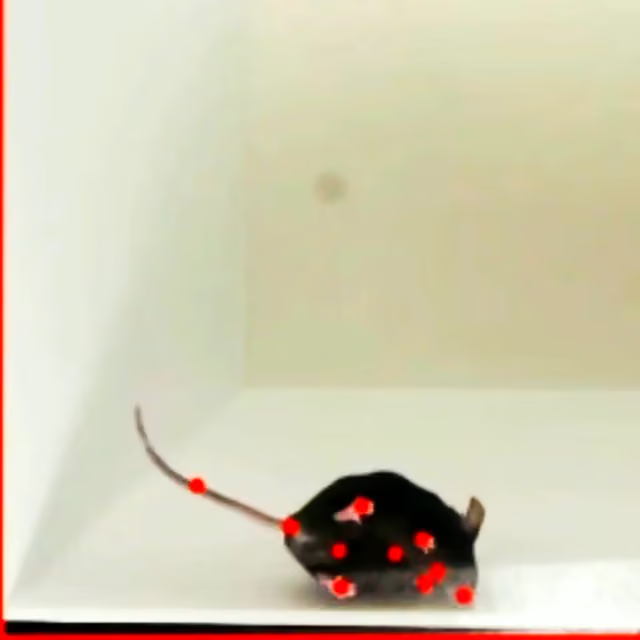
Total: $2,730.00
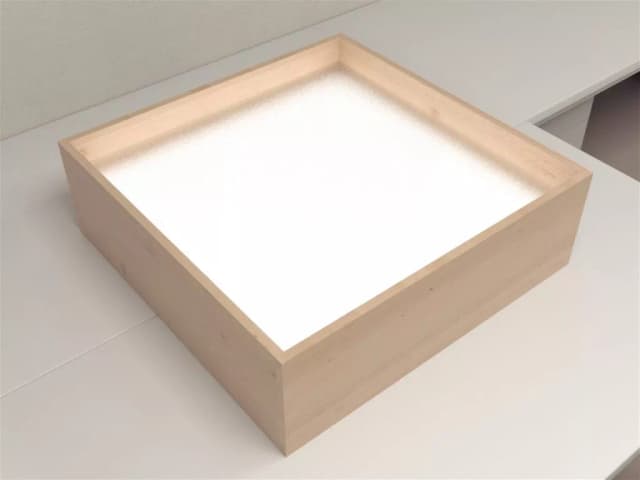
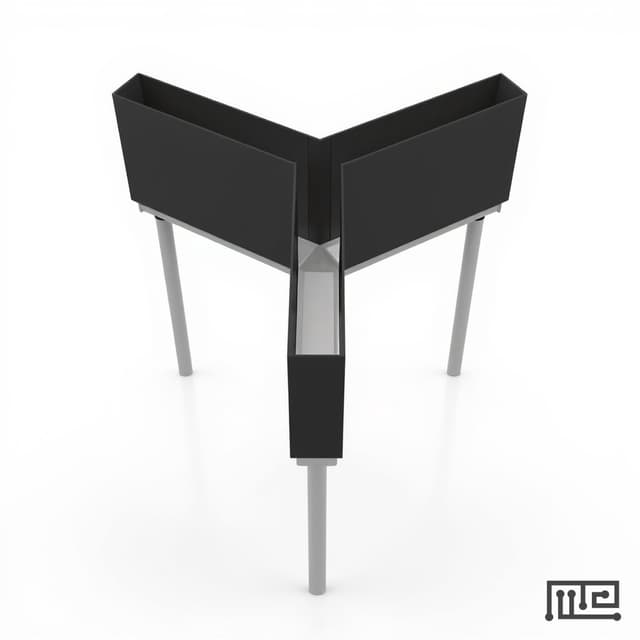
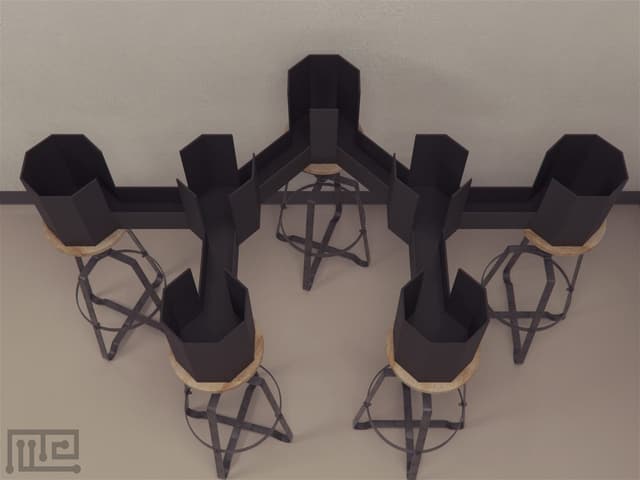
Use this apparatus with
The complete Gait Analysis Test workflow
Track behavior
No exact ConductVision gait-analysis page is currently published. Stride length and stance-swing timing are normally captured by a dedicated illuminated runway or paw-print system rather than overhead tracking; keep automated gait kinematics as a roadmap gap.
Supporting page not yet builtRun protocol
Runway setup, walking-speed normalization, paw-print labeling, and definitions for stride length, base of support, stance and swing duration, and regularity index.
ConductMaze Gait Analysis Protocol ->Analyze output
Confirm runway lighting, camera angle, frame rate, and print-contrast conventions before extracting stride length, stance and swing duration, and regularity index from gait video.
Rodent Gait Video Checklist ->Configuration considerations
Common Gait Analysis Test setup decisions
Use these notes to scope species, cohort, tracking, and automation needs. Only verified product or support routes are linked from this section.
This productIlluminated runway
Gait Analysis Runway
Illuminated glass runway with a high-speed ventral camera and a goal box at the far end
Standard configuration for locomotor kinematics, capturing paw prints and stance-swing timing as the animal walks across an illuminated runway to a goal box.
Quote
Request QuoteBuyableMouse or rat
Species-Scaled Runway
Runway width and length scaled for mouse or rat stride length
Runway width and length change the number of full step cycles captured, so the runway geometry should match the stride length and body size of the species being tested.
Quote
View options ->SpecialtyInked paw-print
Inked Paw-Print Walkway
Paper-lined walkway with paw inking for manual stride and base-of-support measurement
Best when a low-cost static record is needed, because inked paw prints on paper give stride length and base of support without an illuminated runway, though without stance-swing timing.
Quote
Request automation help§ 1
Introduction
The Gait Analysis Test measures locomotor kinematics by recording paw placement, stride length, and the timing of stance and swing as a rodent walks across a runway. Hamers and colleagues automated quantitative gait analysis during overground locomotion in the rat, establishing the runway-based approach widely used today. 1
The core readouts are stride length, base of support, stance and swing duration, and inter-paw coordination summarized as a regularity index. Because these parameters describe how the limbs move and are placed during voluntary walking, gait analysis is sensitive to motor deficits that a single latency or coordination score cannot localize. 1
Walking speed, body size, motivation, runway surface texture, and print contrast all change gait parameters independent of true motor function. A defensible protocol normalizes parameters to walking speed, reports body size, fixes the runway surface and lighting, and uses only steady-state walking segments rather than acceleration or stopping. 1
§ 2
Methods
2.1 Procedure
Steady-state runway walking with paw-print extraction, speed-normalized stride and timing parameters, and regularity-index scoring.
Pre-test setup
- 1.Acclimation and habituation: Habituate animals to the room and to walking the runway toward a goal box so the first measured run reflects steady locomotion rather than novelty or handling stress.
- 2.Apparatus calibration: Verify runway width and length, set the illumination and camera frame rate to resolve individual paw contacts, and confirm print contrast against the runway surface.
- 3.Define steady-state criteria: Pre-define the minimum number of consecutive steps and the walking-speed window that count as a valid steady-state run, excluding acceleration and stopping segments.
- 4.Set parameter definitions: Adopt definitions for stride length, base of support, stance and swing duration, and the regularity index, and decide how each is normalized to walking speed.
Trial sequence
- 1.Run across the runway: Allow the animal to walk the runway toward the goal box at a self-selected steady speed and record the ventral or side view of paw contacts.
- 2.Extract paw prints: Label each paw contact and its timing from the recording to reconstruct the step cycle for all four limbs.1
- 3.Measure stride and timing: Compute stride length, base of support, stance duration, and swing duration from the labeled step cycles within the steady-state segment.3
- 4.Compute regularity index: Calculate the regularity index from the sequence of paw placements to quantify inter-paw coordination across the run.
- 5.Normalize and repeat: Normalize parameters to walking speed, run the planned valid runs, and clean the runway between subjects to remove odor and urine cues.4
Critical methodological constraints
- Walking speed. Stride length, stance, and swing all vary with walking speed. Parameters must be normalized to speed or compared only within a matched speed window across groups.4
- Steady-state segments. Acceleration and stopping segments distort step timing. Use only consecutive steps within the defined steady-state speed window.4
- Print/contrast clarity. Poor lighting or low print contrast causes missed or merged paw contacts. Fix illumination, frame rate, and runway surface so contacts are cleanly resolved.1
- Body size. Larger animals have longer strides and wider bases of support independent of motor function, so body size must be reported and considered.
2.2 Measurement & Analysis
Core gait-analysis endpoints for locomotor kinematics, balance, and quality control.
Stride Length
Locomotor kinematics
Distance between consecutive placements of the same paw, the primary kinematic readout that must be interpreted relative to walking speed.1
Base Of Support
Balance width
Lateral distance between the left and right paws of the fore or hind limbs, indexing the width of the support base during walking.2
Stance Duration
Weight support
Time a paw is in contact with the runway during a step cycle, reflecting the weight-bearing phase.3
Swing Duration
Limb advancement
Time a paw is off the runway and advancing during a step cycle, the limb-advancement phase complementary to stance.
Regularity Index
Inter-paw coordination
A measure of how regularly the four paws are placed in a coordinated sequence, indexing inter-paw coordination across the run.
+ Additional metrics: cadence, duty cycle, paw print area, stride width, walking speed, body size, and per-run video notes.
2.3 stance fraction / duty (analysis)
A compact fraction of the step cycle spent in stance, the duty factor of the limb.
2.4 sample-size planning
Estimate the N per group needed to detect a literature-anchored motor effect at the endpoint you plan to report. Override the defaults with your own pilot numbers.
§ 3
Results
PubMed publication counts, sample apparatus output, and recent papers from a dated PubMed snapshot.
3.1 Publication trends
PubMed volume and co-occurring behavioral methods for rodent gait-analysis studies.
3.2 Sample apparatus output
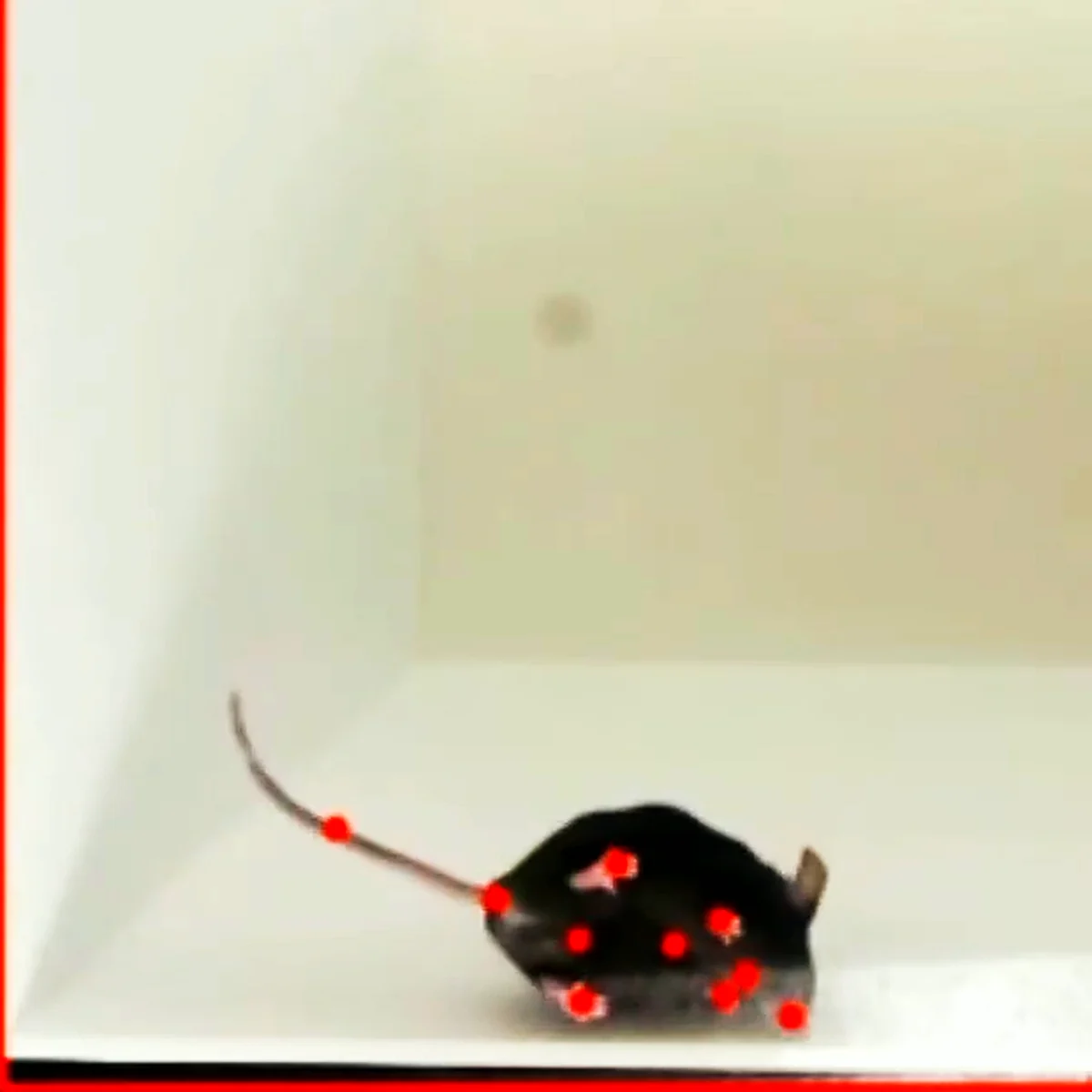
Representative output from a steady-state runway walk normalized to a matched walking-speed window.
3.3 Recent findings (PubMed)
- Sep 2026PMID: 42777965
Mesocortical dopamine hypofunction and prefrontal plasticity deficits in the cuprizone model.
Dazzi L, Talani G, Biggio F, et al.. Neurobiol Dis. 2026 Sep 23.
Multiple sclerosis (MS) is a chronic inflammatory demyelinating disease of the central nervous system frequently associated with cognitive impairment, which critically depends on the integrity of the prefrontal cortex (PFC) and its mesocortical dopaminergic inputs.
- Sep 2026PMID: 42767441
A standardized in vivo platform for preclinical screening of therapeutic interventions in rat thoracic spinal cord injury.
Bastidas J, Jones L, Baptista M, et al.. Exp Neurol. 2026 Sep 21.
Reproducibility remains a challenge in spinal cord injury (SCI) research, and the absence of standardized preclinical models and outcomes slows clinical translation of promising findings.
- Sep 2026PMID: 42758577
Cognitive flexibility deficits differ between the sexes in a transchromosomic mouse model of Down syndrome.
Otte E, Gordon N, Folz A, et al.. Dis Model Mech. 2026 Sep 18.
Individuals with Down syndrome (DS) exhibit cognitive and behavioral phenotypes, including intellectual disability, and reduced cognitive flexibility.
- Sep 2026PMID: 42308799
Daphnetin alleviates neuropathic pain in rats by modulating spinal microglial polarization via the Nrf2/NLRP3 inflammasome pathway.
Liang W, Zhang M, Cheng L, et al.. Int Immunopharmacol. 2026 Sep 15.
Neuropathic pain (NP) is a frequent sequel to peripheral nerve injury and maladaptive nervous system function.
- Sep 2026PMID: 42732967
Novel Injectable Supports Long-Term Recurrent Laryngeal Nerve and Partial Peripheral Nerve Repair.
Bhatt A, Boswell W, Kennedy E, et al.. Laryngoscope. 2026 Sep 13.
Unilateral vocal fold paralysis (VFP) from recurrent laryngeal nerve (RLN) injury currently has no injectable treatment options that promote targeted reinnervation. In a prior pilot study, Agrin, neuregulin-1 (NRG1), and acetylcholine (ACh) enhanced early (1-month) reinnervation after RLN injury.
- Sep 2026PMID: 42695569
Acupotomy for Cervical Spondylosis in Rats: A Visualized Protocol for Model Establishment and Intervention.
Xu R, Wu M, Huang Z, et al.. J Vis Exp. 2026 Sep 3.
Cervical spondylosis (CS) is a chronic degenerative disease.
§ 4
Discussion
Limitations of the paradigm, methodological caveats, and current directions.
4.1 Common confounds
Variables that can shift Gait Analysis Test results apart from the effect under study.
Walking speed (must normalize)
Stride length, stance, and swing all vary with walking speed. Normalize parameters to speed or compare only within a matched speed window across groups.
Body size
Larger animals have longer strides and wider bases of support independent of motor function, so body size must be reported and considered.
Motivation
A weak goal-box incentive produces hesitant or stop-start walking, which distorts step timing and prevents valid steady-state runs.
Surface/runway texture
Runway surface and traction change step mechanics. The surface must be held constant across groups for parameters to be comparable.
Print/contrast clarity
Poor lighting or low print contrast causes missed or merged paw contacts. Fix illumination, frame rate, and surface so contacts are cleanly resolved.
Preview exported markdown
## Gait Analysis Test — methods controls

Confounds controlled in this protocol:

- **Walking speed (must normalize).** Stride length, stance, and swing all vary with walking speed. Normalize parameters to speed or compare only within a matched speed window across groups.
- **Body size.** Larger animals have longer strides and wider bases of support independent of motor function, so body size must be reported and considered.
- **Motivation.** A weak goal-box incentive produces hesitant or stop-start walking, which distorts step timing and prevents valid steady-state runs.
- **Surface/runway texture.** Runway surface and traction change step mechanics. The surface must be held constant across groups for parameters to be comparable.
- **Print/contrast clarity.** Poor lighting or low print contrast causes missed or merged paw contacts. Fix illumination, frame rate, and surface so contacts are cleanly resolved.
4.2 Construct validity caveats
Gait analysis is strongest when parameters are normalized to walking speed, only steady-state segments are used, and runway surface and lighting are fixed before testing. Stride length, base of support, and stance-swing timing index different aspects of locomotion; report them separately and confirm motor deficits with an independent assay such as the horizontal ladder or rotarod. 1
4.3 Special considerations
Why must I normalize to walking speed?
Stride length, stance, and swing all change with how fast the animal walks. Without speed normalization or a matched speed window, a speed difference between groups can masquerade as a gait deficit.
When should I use the horizontal ladder instead?
Use the horizontal ladder when the question is skilled limb placement on discrete rungs. Gait analysis characterizes the kinematics of continuous overground walking rather than precision placement.
Illuminated runway or inked paw prints?
An illuminated runway captures stance and swing timing as well as stride and base of support, while inked paw prints give only the static spatial parameters. Choose based on whether step timing is needed.
4.4 Current directions
Quarterly editorial review of emerging Gait Analysis Test methodology. Q2 2026
Methods
Speed normalization standards
Reporting parameters within a matched walking-speed window improves comparability of stride and timing measures between labs and studies.
Emerging
Automated paw-print labeling
High-frame-rate runways with automated paw detection improve the consistency of stride, stance, and swing extraction and reduce observer burden.
Methods
Separate spatial and timing endpoints
Reporting stride length, base of support, and stance-swing timing separately is increasingly expected because each captures a distinct aspect of locomotion.
Emerging
Multi-assay motor batteries
Gait analysis is paired with horizontal ladder, balance beam, and rotarod to separate locomotor kinematics from skilled placement and coordination.
§ 5
References
5 selected methods and validation references for Gait Analysis Test.
- Hamers FP, Lankhorst AJ, van Laar TJ, Veldhuis WB, Gispen WH. Automated quantitative gait analysis during overground locomotion in the rat: the CatWalk method. J Neurotrauma. 2001;18(2):187-201. doi:10.1089/08977150150502613
- Clarke KA, Still J. Gait analysis in the mouse. Physiol Behav. 1999;66(5):723-729. doi:10.1016/s0031-9384(98)00343-6
- Vandeputte C, Taymans JM, Casteels C, et al. Automated quantitative gait analysis in animal models of movement disorders. BMC Neurosci. 2010;11:92. doi:10.1186/1471-2202-11-92
- Batka RJ, Brown TJ, Mcmillan KP, Meadows RM, Jones KJ, Haulcomb MM. The need for speed in rodent locomotion analyses. Anat Rec (Hoboken). 2014;297(10):1839-1864. doi:10.1002/ar.22955
- Mendes CS, Bartos I, Marka Z, Akay T, Marka S, Mann RS. Quantification of gait parameters in freely walking rodents. BMC Biol. 2015;13:50. doi:10.1186/s12915-015-0154-0

Gait Test
$1,990.00
Added to quoteView Quote
