Balance Beam
Elevated beam apparatus for assessing motor coordination, balance, and locomotive function in laboratory animals through standardized traversal protocols.
| Automation Level | manual |
| Species | Mouse, Rat |
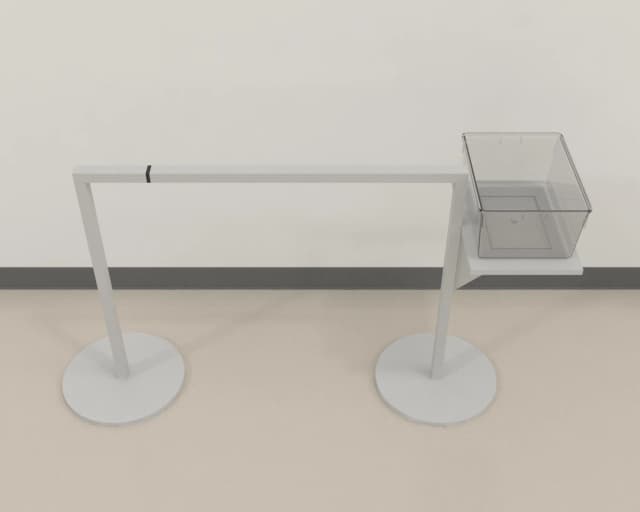
The Balance Beam is a classic motor coordination assessment apparatus designed for evaluating equilibrium, balance, and fine motor control in laboratory animals. This elevated narrow beam provides a standardized platform for measuring locomotive coordination, balance deficits, and motor learning capabilities across various research protocols.
The apparatus enables quantitative assessment of balance performance through measurement of traversal time, foot slips, and fall frequency. Researchers utilize this tool to evaluate motor dysfunction in disease models, assess recovery following neurological injury, and measure the effects of pharmacological interventions on motor coordination.
How It Works
The Balance Beam operates on the principle of challenging an animal's natural locomotion through elevation and spatial constraint. Animals must traverse a narrow elevated beam while maintaining balance against gravitational forces, requiring integration of vestibular, proprioceptive, and visual sensory inputs with motor output systems.
Assessment relies on quantitative measurement of motor performance parameters including traversal time, number of foot slips or missteps, and frequency of falls from the apparatus. The elevated position creates a mild aversive stimulus that motivates forward locomotion while the narrow beam width challenges balance and coordination systems.
Motor deficits manifest as increased traversal time, elevated slip frequency, or complete inability to traverse the beam. The test provides sensitive detection of subtle motor coordination deficits that may not be apparent in standard open field locomotion assessments.
Features & Benefits
Behavioral Construct
- Motor Coordination
- Balance
- Motor Learning
- Locomotive Function
Automation Level
- manual
Research Domain
- Aging Research
- Behavioral Pharmacology
- Learning and Memory
- Motor Function
- Neurodegeneration
- Neuroscience
Species
- Mouse
- Rat
Weight
- 6.06 kg
Dimensions
- L: 65.0 mm
- W: 36.0 mm
- H: 27.0 mm
Comparison Guide
| Feature | This Product | Typical Alternative | Advantage |
|---|---|---|---|
| Testing Complexity | Simple manual operation with direct behavioral observation | Automated systems often require software setup and calibration procedures | Enables rapid implementation in laboratories without extensive technical training requirements |
| Assessment Sensitivity | Detects subtle balance and coordination deficits through elevated beam traversal | Open field tests may miss mild motor coordination impairments | Provides specific assessment of balance function that complements general locomotor activity measures |
| Protocol Flexibility | Adjustable height and beam configuration options | Fixed apparatus designs limit experimental protocol variations | Supports protocol optimization for different species, age groups, and experimental objectives |
| Cost Considerations | Simple mechanical design with durable construction | Automated motor testing systems require higher initial investment | Provides cost-effective motor assessment suitable for laboratories with limited equipment budgets |
| Data Collection | Manual timing and behavioral observation with video recording compatibility | Some systems provide automated data capture and analysis | Allows detailed behavioral analysis and customized scoring criteria for specific research questions |
The Balance Beam provides a straightforward, cost-effective approach to motor coordination assessment with adjustable configuration options and compatibility with video analysis systems. The apparatus emphasizes simplicity and reliability in detecting balance and coordination deficits across various experimental protocols.
Practical Tips
Verify beam levelness using a spirit level before each testing session and confirm stable mounting support connections.
Why: Even minor apparatus tilt can introduce systematic bias in balance assessment and affect data reproducibility.
Clean beam surface with mild disinfectant between animals and inspect for wear or damage that could affect grip or stability.
Why: Surface contamination or damage can influence animal performance and introduce variability in motor assessment data.
Standardize animal placement position and orientation at the starting end of the beam to ensure consistent initial conditions.
Why: Consistent starting procedures minimize variability in traversal behavior and improve statistical power for detecting treatment effects.
Define slip events clearly as any limb deviation from the beam surface and train observers to apply consistent scoring criteria.
Why: Standardized slip detection improves inter-observer reliability and enables comparison of results across different researchers and studies.
If animals refuse to traverse the beam, reduce elevation height or provide food reward motivation at the destination end.
Why: Motivation issues can confound motor assessment by introducing behavioral variables unrelated to coordination ability.
Place adequate soft bedding beneath the entire beam length and monitor animals closely for signs of distress or repeated falls.
Why: Safety measures prevent injury during testing while allowing detection of significant motor impairments that affect beam traversal ability.
Conduct testing at consistent times of day and maintain stable environmental conditions including lighting and ambient noise levels.
Why: Circadian factors and environmental variables can influence motor performance and introduce confounding variables in longitudinal studies.
Record multiple performance metrics including traversal time, slip frequency, and successful completion rate for comprehensive motor assessment.
Why: Multiple outcome measures provide more complete characterization of motor function and increase sensitivity to different types of coordination deficits.
Setup Guide
What’s in the Box
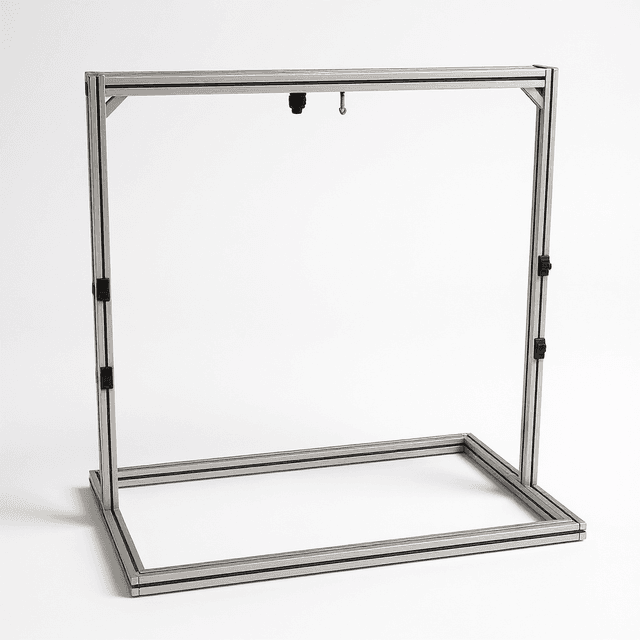
- Balance beam apparatus (typical)
- Mounting supports and hardware (typical)
- Assembly instructions (typical)
- Safety guidelines and protocol recommendations (typical)
Compliance
Warranty & ConductCare
ConductScience provides a standard one-year manufacturer warranty covering defects in materials and workmanship. Technical support is available for setup assistance and protocol optimization throughout the warranty period.
What beam dimensions are optimal for mouse versus rat studies?
Consult product datasheet for specific dimensional specifications. Beam width typically ranges from 6-12mm for mice and 12-28mm for rats, with length proportional to animal size and protocol requirements.
How should traversal time and slip frequency be standardized across laboratories?
Establish consistent start and stop criteria for timing measurements, define slip events as any limb deviation from beam surface, and maintain standardized environmental conditions including lighting and ambient noise levels.
What elevation height provides optimal sensitivity for detecting motor deficits?
Elevation height should balance safety with motivation for forward locomotion. Heights of 50-100cm are commonly employed, with specific height selection based on species, age, and severity of expected motor impairment.
How many training trials are required before baseline testing?
Training requirements vary by species and experimental design. Typically 3-5 habituation sessions establish stable baseline performance, with additional training if learning curves indicate continued improvement.
Can the apparatus accommodate longitudinal studies tracking motor decline?
Yes, the durable construction and standardized design enable consistent performance assessment across extended experimental timelines, making it suitable for aging studies and disease progression monitoring.
What safety measures prevent animal injury during testing?
Soft bedding materials placed beneath the beam cushion potential falls, while controlled elevation heights minimize injury risk. Immediate removal of animals showing distress or repeated falls is recommended.
How does balance beam assessment compare to rotarod testing for motor coordination?
Balance beam testing emphasizes static balance and precise foot placement during forward locomotion, while rotarod primarily assesses dynamic balance and grip strength under accelerating conditions.
What environmental factors should be controlled during testing sessions?
Maintain consistent lighting levels, minimize ambient noise, control room temperature, and ensure stable apparatus positioning. These factors influence animal performance and data reproducibility across test sessions.
Have a question about this product?
Accessories
Enhance your setup with compatible accessories