Stereotaxic Microdrill Holder
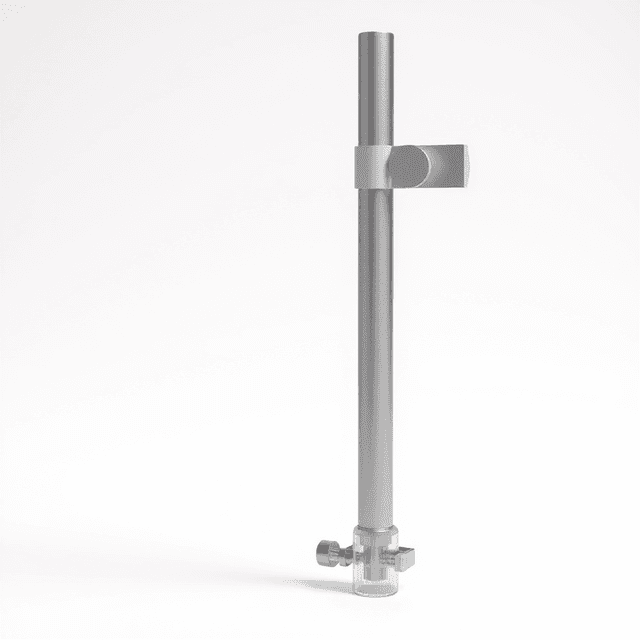
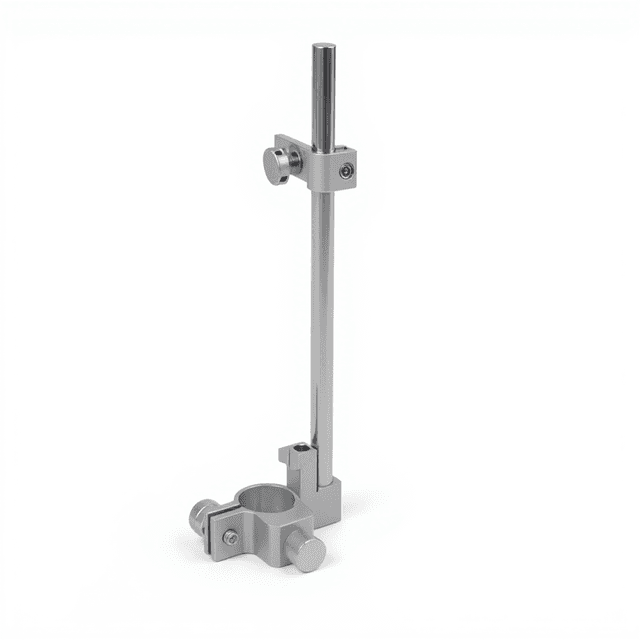
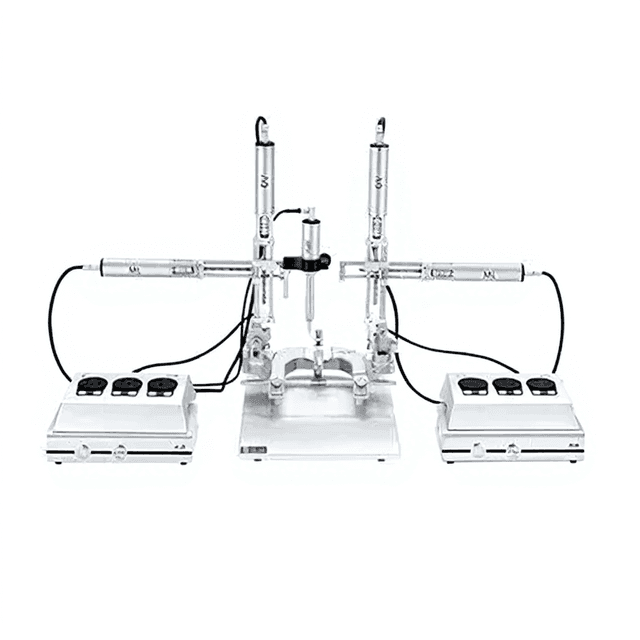
A stereotaxic microdrill holder is a tool used in neurosurgery to precisely position a microdrill at a specific location in the brain.
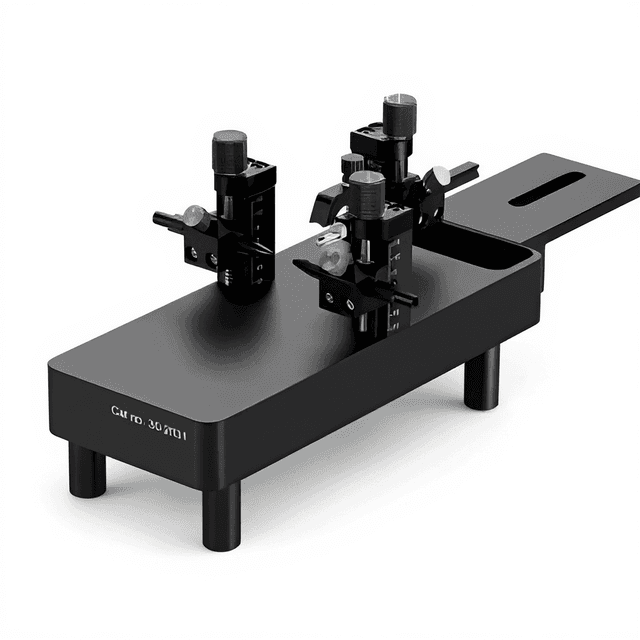
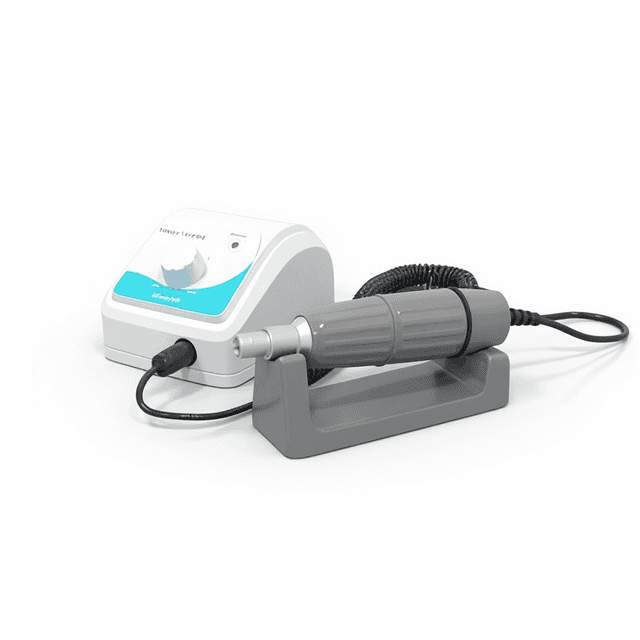
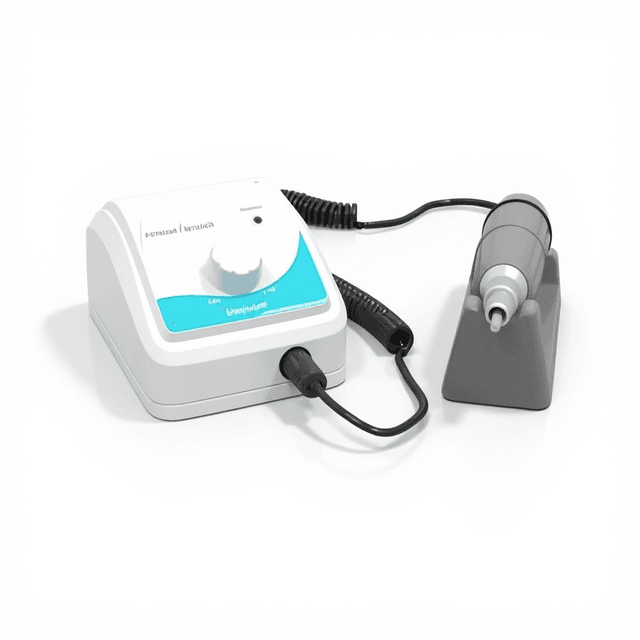
The tool is attached to a stereotaxic frame, which is a device that allows for the precise localization of specific brain regions. The Microdrill Holder fixes the hand-held cranial drill to the operating arm of the locator controlling the drilling depth through the lifting of the operating arm. With this, the procedure is simple and accurate to avoid damage to the animal’s brain tissue or excessive drilling. The holding range is 14.5mm. Conduct Science offers Microdrill Holders and Microdrill

Louise Corscadden, PhD
Director of Science · ConductScience
Ask Louise about Stereotaxic Microdrill Holder fit, setup, configuration, or quote prep.
Already working with us? Sign in to connect this with My Scientist.
Key Specifications
Full details →- Model fit
- about 14.5mm
- SKU family
- RWD-68605
- Shipping box
- 34.0 x 39.0 x 33.0 cm
- Ordering
- Online checkout and quote request available
- Category
- Neuroscience & Surgery
- Build notes
- Confirm accessories, station layout, and support needs before purchase
This product is no longer available for sale. If you have any questions, please contact us
: 9, 19-20/F, Building 7A, 9F Building 7D,
Key Features
- Accessories (Fiber-optic Cannulas, optical fiber, etc.)
- It needs to be connected with power supply to make drilling easier, operation simpler, overall light and space saving
- 1.Fill in the form and our experts will get back to you ASAP!
- 2.Ask about An Equipment
- 3.Wondering which equipment to conduct your researches or perform your experiments? Our sales reps will try their best to share their knowledge with you!
How It Works
The stereotaxic microdrill holder operates as a mechanical coupling system that translates the precision positioning capabilities of stereotaxic instruments to microdrill operations. The holder clamps securely around microdrills with approximately 14.5mm diameter compatibility, creating a rigid connection that maintains positional accuracy during drilling procedures.
Depth control is achieved through the stereotaxic instrument's manipulator system, which provides micrometer-level positioning precision in three-dimensional space. When connected to an external power supply, the mounted microdrill can create controlled burr holes while the operator adjusts drilling depth through the manipulator controls, ensuring consistent penetration without overshooting target depths.
The mounting interface distributes drilling forces evenly across the holder structure, minimizing vibration transfer to the stereotaxic frame and maintaining coordinate system integrity throughout the procedure. This mechanical stability is essential for achieving the sub-millimeter accuracy required for precise neural targeting in research applications.
Features & Benefits
Default Product
- Default Product
Microdrill Diameter Compatibility
- about 14.5mm
Depth Control
- Controls the depth of drilling by manipulator
Stereotaxic Compatibility
- Secures the microdrill to stereotaxic instruments
Automation Level
- manual
Brand
- RWD
Research Domain
- Addiction Research
- Behavioral Pharmacology
- Learning and Memory
- Neurodegeneration
- Neuroscience
- Pain Research
Species
- Hamster
- Mouse
- Rat
- Guinea pig
Shipping weight
- 8.27 lb
Shipping box
- L: 34.0 cm
- W: 39.0 cm
- H: 33.0 cm
| Feature | This Product | Typical Alternative | Advantage |
|---|---|---|---|
| Microdrill Diameter Compatibility | Approximately 14.5mm diameter compatibility | Entry-level holders often accommodate narrower diameter ranges | Supports commonly used research-grade microdrills without requiring specialized equipment |
| Depth Control Method | Manipulator-based depth control through stereotaxic instrument | Basic holders rely on manual depth estimation | Provides micrometer-level precision essential for accurate neural targeting |
| Mounting Interface | Integrated stereotaxic instrument compatibility | Standalone holders require separate positioning systems | Maintains coordinate system accuracy and spatial precision throughout procedures |
| Power Integration | External power supply compatibility for optimal drilling | Manual drilling systems lack powered operation | Enables consistent drilling performance and reduces operator fatigue during procedures |
This holder combines precise microdrill mounting with stereotaxic instrument integration, providing controlled depth drilling capabilities for neurosurgical research applications. The 14.5mm diameter compatibility and manipulator-based control system support accurate neural targeting procedures.
Practical Tips
Verify coordinate alignment and test positioning accuracy with the mounted microdrill before beginning surgical procedures.
Why: Ensures drilling operations maintain stereotaxic coordinate system precision throughout the procedure.
Inspect clamping mechanisms and mounting surfaces regularly for wear or damage that could affect drilling stability.
Why: Mechanical integrity directly impacts positional accuracy and drilling performance during procedures.
Secure the microdrill firmly in the holder and test clamping stability before applying power to prevent movement during drilling.
Why: Loose mounting can cause positional drift and compromise targeting accuracy in stereotaxic procedures.
Always sterilize the holder between uses and verify power supply connections before beginning drilling operations.
Why: Prevents contamination and ensures safe electrical operation during surgical procedures.
If drilling appears imprecise, check for vibration transfer from the microdrill to the stereotaxic frame and verify mounting tightness.
Why: Excessive vibration can compromise coordinate system stability and reduce drilling accuracy.
Document drilling depth settings and coordinates for each procedure to ensure reproducible targeting in repeated experiments.
Why: Systematic record-keeping enables consistent methodology and accurate replication of surgical procedures.
Setup Guide
What’s in the Box
- Stereotaxic microdrill holder (main unit)
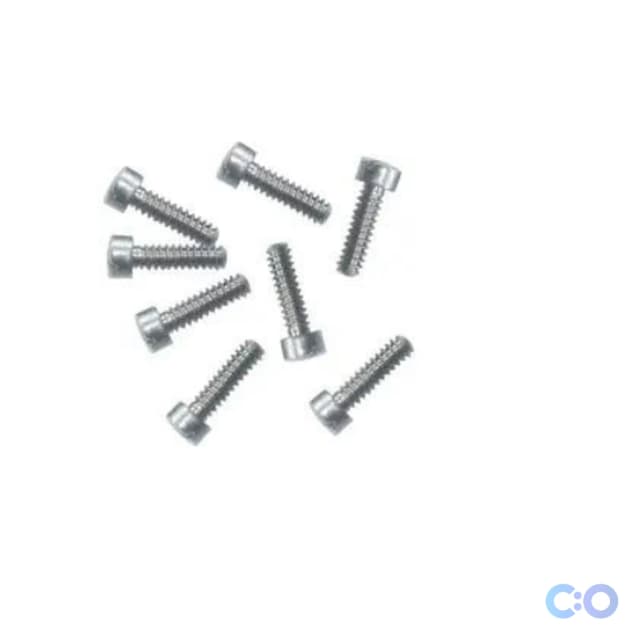
- Mounting hardware for stereotaxic attachment (typical)
- Clamping mechanism components (typical)
- User manual and installation instructions (typical)
Warranty
ConductScience provides standard one-year manufacturer warranty covering mechanical components and mounting interfaces, with technical support for stereotaxic integration and setup procedures.
Compliance
References
Background reading relevant to this product:
What microdrill diameters are compatible with this holder?
The holder accommodates microdrills with approximately 14.5mm diameter. Verify specific microdrill dimensions before use to ensure proper clamping and secure mounting.
How is drilling depth controlled during procedures?
Depth control is achieved through the stereotaxic instrument's manipulator system, providing micrometer-level precision for controlled penetration depth during drilling operations.
What sterilization methods are compatible with this holder?
Standard autoclave sterilization and chemical sterilization methods are typically compatible. Consult product datasheet for material specifications and recommended sterilization parameters.
Does the holder require external power connections?
The holder itself does not require power, but it must accommodate microdrills that connect to external power supplies for drilling operations.
What stereotaxic instruments are compatible with this holder?
The holder is designed to secure to standard stereotaxic instruments. Verify mounting interface compatibility with your specific stereotaxic frame model before use.
How does the holder maintain positional accuracy during drilling?
The rigid mounting interface distributes drilling forces evenly and minimizes vibration transfer to the stereotaxic frame, preserving coordinate system integrity.
What maintenance is required for the holder mechanism?
Regular inspection of clamping mechanisms and mounting surfaces, with appropriate cleaning and sterilization between uses to maintain mechanical integrity.
Have a question about this product?
Have a question? Just ask.
Send it over and we'll email you a personalized answer — no call, no scheduling.
Prefer to talk it through?
Accessories
Enhance your setup with compatible accessories