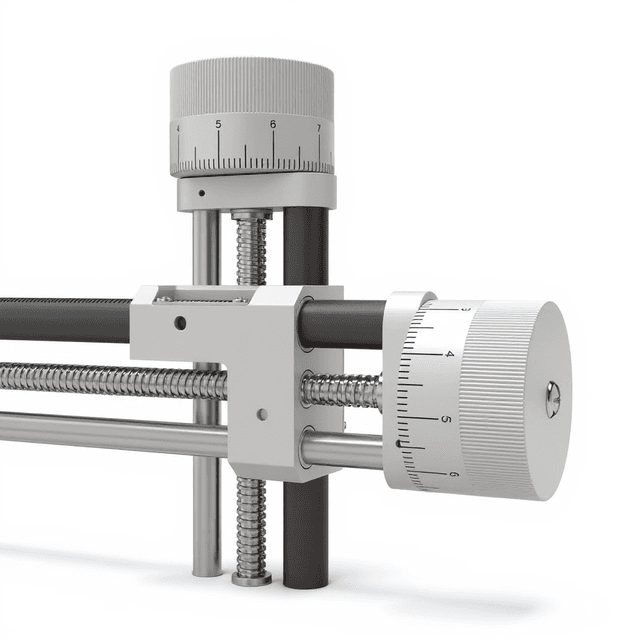
Rat adapters
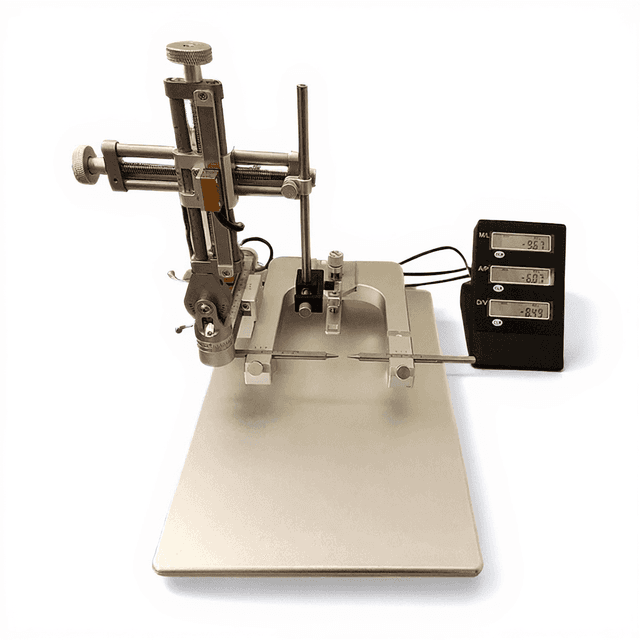
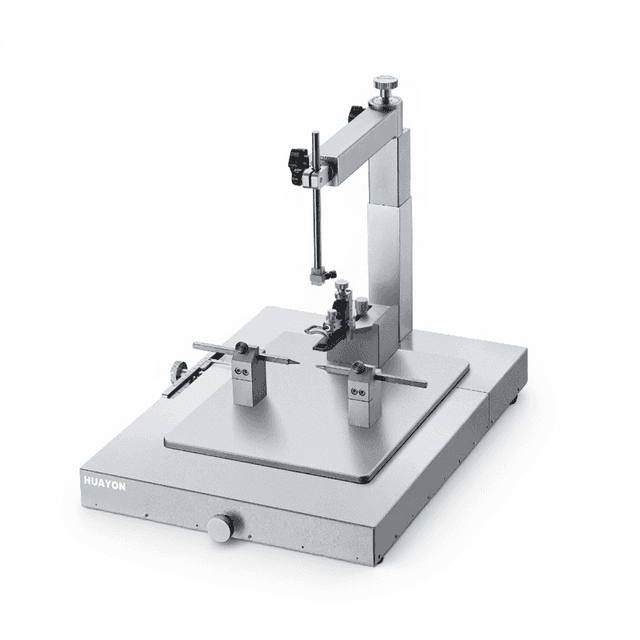
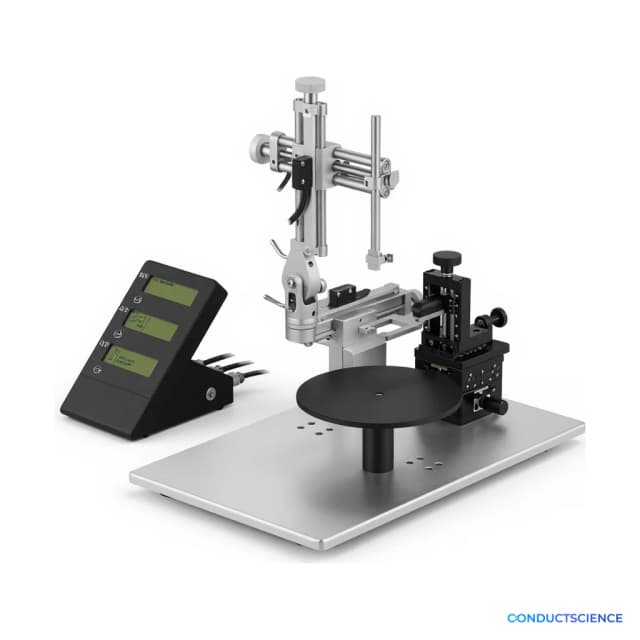
Rat stereotaxic adapter family for rat head fixation, with four current SKU configurations spanning ear-bar and nose-clip setup decisions so labs can match the adaptor to animal size, frame geometry, and stereotaxic workflow.

Louise Corscadden, PhD
Director of Science · ConductScience
Ask Louise about Rat adapters fit, setup, configuration, or quote prep.
Already working with us? Sign in to connect this with My Scientist.
Key Specifications
Full details →- Model fit
- 4 selectable configurations
- SKU family
- CS-RA-30-2035/ CS-RA-30-2036 /CS-RA-30-2037 /CS-RA-30-2038
- Shipping box
- 30.0 x 25.0 x 25.0 cm
- Ordering
- Online checkout and quote request available
- Category
- Stereotaxic Systems
- Build notes
- Confirm accessories, station layout, and support needs before purchase
Overview
The Rat adapters page is the existing ConductScience rat stereotaxic adaptor buying path for laboratories that need rat-compatible head fixation, ear-bar setup, and nose-clip configuration around a stereotaxic frame. The current inventory maps source items 30-2036, 30-2037, and 30-2038 to this live page, so this update strengthens the existing URL instead of producing overlapping adaptor listings.
Rat work usually needs a larger head-positioning path than mouse stereotaxic setups, and adaptor selection determines whether the frame, ear bars, nose clip, anesthesia mask, and manipulator clearance fit the animal and target. This page keeps the four current SKU configurations visible as one rat-adaptor product family, with final configuration reviewed around the lab frame and animal size.
Scientific Use
Rat stereotaxic adaptors are used in coordinate-guided neuroscience and pharmacology workflows including intracranial injection, cannula implantation, electrode positioning, lesion or stimulation setup, probe placement, viral delivery, and cranial surgery preparation. Stable head fixation and the correct adaptor geometry reduce setup friction before targeting begins.
Buying Fit
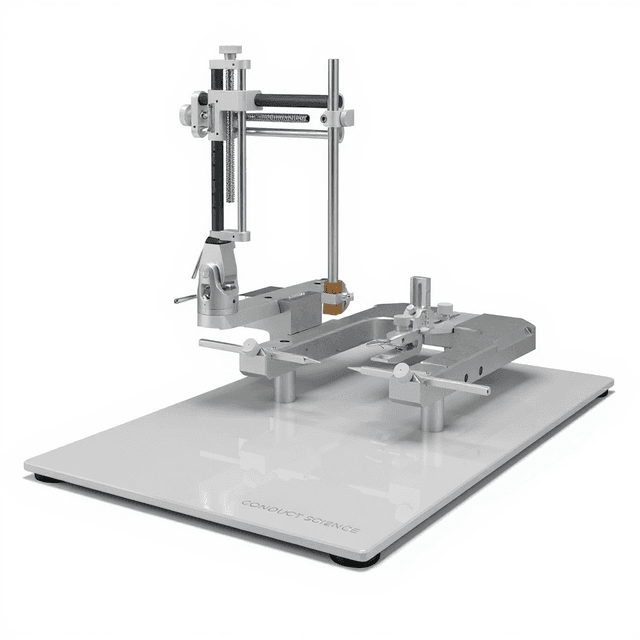
Choose this page when the purchasing decision is rat-compatible head fixation for an existing or new stereotaxic station. Review it with rat ear bars, nose-cone masks, microdrill holder, syringe holder, anesthesia delivery, warming, and the frame/manipulator configuration used in the protocol.
How It Works
The rat adapters employ mechanical head fixation through adjustable ear bars and nose clips that secure the rat's skull in a standardized stereotaxic position. Ear bars insert into the external auditory meatus to establish the horizontal reference plane, while the nose clip secures the rostral position, creating a three-point fixation system that maintains consistent spatial orientation.
Different models provide varying degrees of micromanipulation control through straight push or micro push mechanisms. The G1 model uses straight push for both nose clip and ear rods, while G2-G4 models incorporate micro push mechanisms that enable finer positional adjustments. This mechanical precision ensures reproducible stereotaxic coordinates across experimental sessions.
The black stage platform distributes weight evenly and provides a stable base for the fixation assembly. The system can mount directly to stereotaxic apparatus bases or function independently, allowing integration with existing laboratory setups or standalone operation for specific experimental configurations.
Features & Benefits
Model fit
- Rat stereotaxic head-fixation workflows
Adaptor scope
- Four current SKU-family paths for rat adaptor setup decisions
Fixation planning
- Ear-bar and nose-clip configuration matched to animal size and frame geometry
Workflow fit
- Coordinate-guided rat injection, implantation, probe, electrode, and cranial surgery preparation
Station planning
- Frame, masks, holders, warming, and manipulator compatibility reviewed together
Current price
- $1,034.00 regular price from current ConductScience inventory
Shipping weight
- 5.51 lb
Shipping box
- L: 30.0 cm
- W: 25.0 cm
- H: 25.0 cm
| Feature | This Product | Typical Alternative | Advantage |
|---|---|---|---|
| Movement Mechanism Options | Four models with straight push and micro push variations | Single configuration designs with limited adjustment options | Enables selection of optimal positioning control for specific experimental requirements |
| Mounting Compatibility | Dual compatibility with stereotaxic bases or standalone use | Fixed mounting to specific apparatus types | Provides flexibility for various laboratory setups and existing equipment integration |
| Component Adjustability | Adjustable ear bars and nose clips for different rat sizes | Fixed-size components requiring multiple adapter sets | Accommodates varying animal sizes with a single adapter system |
| Positioning Precision | Micro push mechanisms available in G2-G4 models | Standard adjustment mechanisms without micro-manipulation | Enables fine positional control for precise stereotaxic coordinate targeting |
These rat adapters offer model selection flexibility with varying movement mechanisms, dual mounting compatibility, and adjustable components for different rat sizes. The micro push options in G2-G4 models provide enhanced positioning precision for demanding stereotaxic procedures.
| Model | SKU | Listed price | Status | Shipping box |
|---|---|---|---|---|
| Rat Adapter-G4 | CS-MA-30-2034-1 | $1,034.00 | Available | 30.0 x 25.0 x 25.0 cm |
| Rat Adapter-G3 | CS-MA-30-2033-1 | $1,034.00 | Available | 30.0 x 25.0 x 25.0 cm |
| Rat Adapter-G2 | CS-MA-30-2032-1 | $1,034.00 | Available | 30.0 x 25.0 x 25.0 cm |
| Rat Adapter-G1 | CS-MA-30-2031-1 | $1,034.00 | Available | 30.0 x 25.0 x 25.0 cm |
Practical Tips
Confirm the rat frame, animal size range, ear-bar path, nose-clip path, and anesthesia interface before finalizing the adaptor.
Why: Adaptor fit determines whether the station can position the head cleanly before targeting starts.
Review syringe holder, microdrill holder, probe or electrode holder, nose-cone mask, warming, and frame upgrade needs with the adaptor.
Why: The adaptor is one physical part of a stereotaxic station, so the surrounding holders and animal-support hardware should be checked at the same time.
Use this existing ConductScience URL for the current SKU family and price instead of creating separate adaptor duplicates.
Why: Keeping the current product page preserves procurement continuity and avoids overlapping stereotaxic accessory listings.
Setup Guide
What’s in the Box
- Rat adaptor product family matched to the existing ConductScience rat-adapter SKU set
- Four current adapter configuration paths for ear-bar and nose-clip setup decisions
- Rat head-fixation hardware selected around the stereotaxic frame and animal size
- Frame, manipulator, nose-clip, anesthesia mask, warming, and holder compatibility reviewed with quote configuration
Warranty
Support, replacement, and fulfillment terms are confirmed with the final quote and institutional purchasing requirements.
Compliance
How do I know this is the right rat adaptor?
Start with the rat stereotaxic frame, animal size range, ear-bar style, nose-clip configuration, and anesthesia interface. ConductScience can confirm the final adaptor path against the frame and rat workflow.
Does this replace the full stereotaxic frame?
No. This page is for the adaptor/head-fixation accessory family. Pair it with the compatible manual or digital stereotaxic frame, manipulator, holders, masks, and warming products used in the station.
What products should I review with the adaptor?
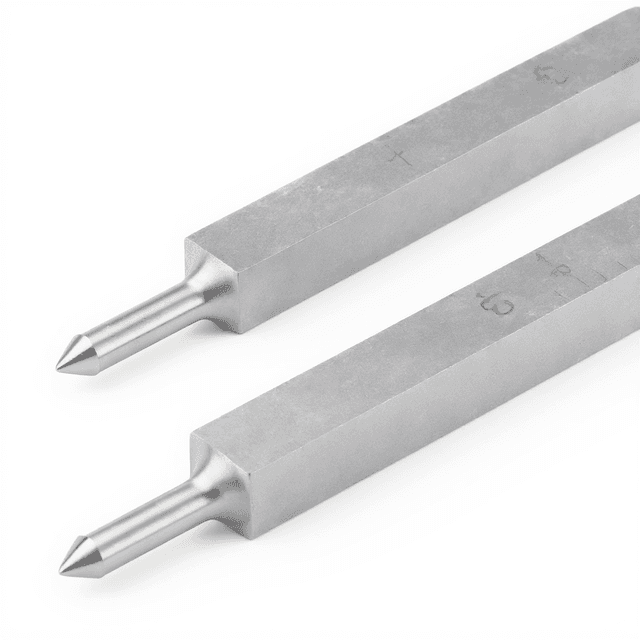
Review stereotaxic ear bars, nose-cone masks, syringe holder, microdrill holder, stereotaxic arm upgrade, anesthesia delivery, warming, and the manual or digital stereotaxic frame used in the workflow.
Why are there several SKU numbers on this page?
The current ConductScience inventory groups multiple adaptor configurations under the same existing product page so buyers can review the adaptor family without comparing duplicate URLs.
Have a question about this product?
Have a question? Just ask.
Send it over and we'll email you a personalized answer — no call, no scheduling.
Prefer to talk it through?
Accessories
Enhance your setup with compatible accessories
Frequently Bought Together
Upgrade Options