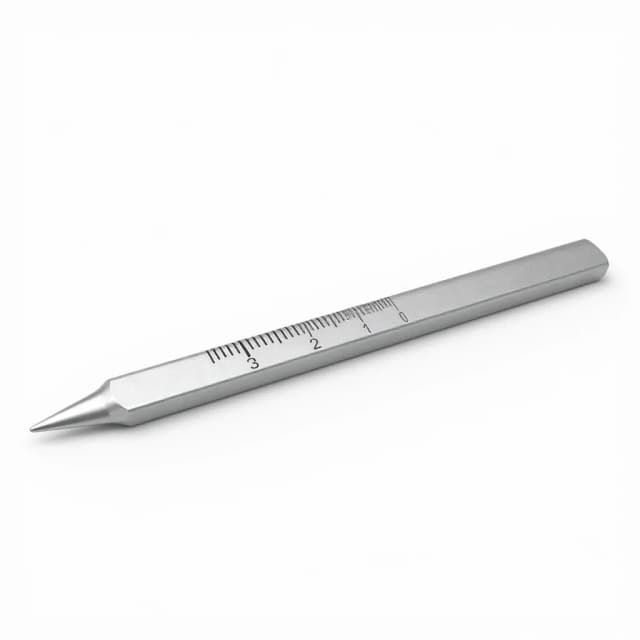
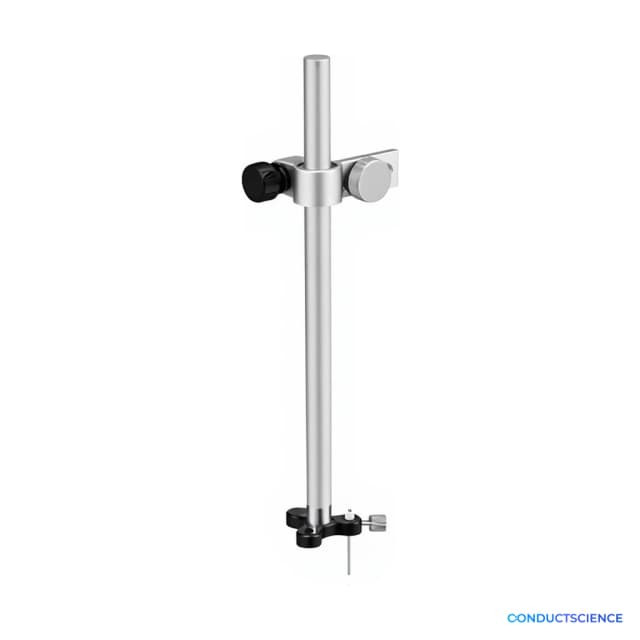
Needle Clamp for Stereotaxic Arm
: 9, 19-20/F, Building 7A, 9F Building 7D,.

Louise Corscadden, PhD
Director of Science · ConductScience
Ask Louise about Needle Clamp for Stereotaxic Arm fit, setup, configuration, or quote prep.
Already working with us? Sign in to connect this with My Scientist.
Key Specifications
Full details →- Model fit
- Mouse, Rat
- SKU family
- RWD-SA-NC
- Shipping box
- 34.0 x 39.0 x 33.0 cm
- Ordering
- Online checkout and quote request available
- Category
- Stereotaxic Accessories
- Build notes
- Confirm accessories, station layout, and support needs before purchase
Clamp Range of 0.3mm-1.5mm
How It Works
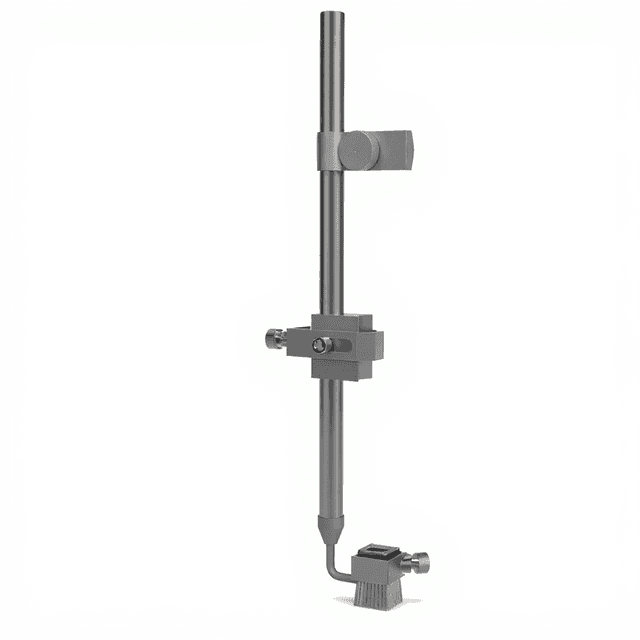
The needle clamp operates through a mechanical compression system that applies uniform radial pressure around the circumference of the inserted instrument. The clamp range of 0.3-1.5mm accommodates the diameter specifications of standard research-grade needles, micropipettes, and microelectrodes commonly used in stereotaxic procedures.
When mounted to a stereotaxic manipulation arm, the clamp provides a rigid connection point that maintains instrument position during coordinate-based movements. The clamping mechanism prevents instrument slippage or rotation during insertion, ensuring that targeting coordinates remain accurate throughout the procedure. This mechanical stability is essential for reproducible placement in small brain regions where positional errors of even fractions of a millimeter can affect experimental outcomes.
Features & Benefits
Clamp Range
- 0.3mm-1.5mm
Automation Level
- manual
Brand
- RWD
Research Domain
- Behavioral Pharmacology
- Learning and Memory
- Motor Function
- Neurodegeneration
- Neuroscience
Species
- Mouse
- Rat
Shipping weight
- 8.27 lb
Shipping box
- L: 34.0 cm
- W: 39.0 cm
- H: 33.0 cm
| Feature | This Product | Typical Alternative | Advantage |
|---|---|---|---|
| Diameter Range | 0.3-1.5mm | Many basic clamps accommodate narrower ranges | Wider compatibility range reduces need for multiple clamp sizes in multi-protocol studies. |
| Clamping Mechanism | Mechanical compression | Some use set screws or adhesive methods | Provides more consistent holding force and easier instrument changes. |
| Installation | Stereotaxic arm mount | Integration methods vary by manufacturer | Direct integration with manipulation systems enables precise coordinate control. |
| Instrument Protection | Uniform radial pressure | Point-contact systems may concentrate stress | Reduces risk of instrument damage during extended procedures. |
This clamp provides reliable mechanical securing across a practical diameter range for research needles and microelectrodes. The uniform pressure distribution and stereotaxic integration support precise positioning requirements in neurosurgical procedures.
Practical Tips
Verify instrument diameter with calipers before attempting to clamp to ensure proper fit within the 0.3-1.5mm range.
Why: Prevents potential damage to instruments that fall outside the specified size range.
Clean the clamp mechanism after each use to remove any tissue or fluid residue that could affect clamping consistency.
Why: Buildup of biological material can interfere with uniform pressure distribution and holding force.
Apply clamping force gradually and test holding capacity before beginning procedures with sharp instruments.
Why: Prevents sudden instrument slippage that could cause injury or damage to experimental preparations.
Periodically test the clamp with instruments of known diameter to verify consistent holding across the full range.
Why: Ensures reliable performance and helps identify when clamp mechanism may need adjustment or replacement.
If instruments slip during procedures, check for proper cleaning and verify the instrument diameter is within specifications.
Why: Slippage often indicates contamination of the clamp surface or use of undersized instruments.
Record clamp position and instrument specifications in experimental logs for procedure reproducibility.
Why: Documentation ensures consistent setup across experimental sessions and enables troubleshooting of positioning issues.
Setup Guide
What’s in the Box
- Needle clamp mechanism (typical)
- Mounting hardware for stereotaxic arm attachment (typical)
- Operating instructions (typical)
Warranty
Standard manufacturer warranty coverage includes repair or replacement of defective components with technical support for proper installation and operation.
Compliance
References
Background reading relevant to this product:
What is the maximum instrument diameter that can be secured in this clamp?
The clamp accommodates instruments up to 1.5mm in diameter, which includes most research-grade needles and microelectrodes used in stereotaxic procedures.
Can this clamp hold glass micropipettes without causing breakage?
Yes, the uniform radial pressure design distributes clamping force evenly to minimize stress concentrations that could fracture delicate glass instruments.
Is the clamp compatible with all stereotaxic manipulation arms?
Compatibility depends on the specific mounting interface of your stereotaxic system. Verify that the clamp mount matches your manipulation arm specifications.
How much holding force does the clamp provide?
Holding force varies with instrument diameter and clamp adjustment. Consult product datasheet for specific force specifications across the diameter range.
Can the clamp maintain position during tissue penetration forces?
The mechanical compression system is designed to resist typical insertion forces encountered during brain tissue penetration, but holding capacity should be verified for your specific protocol.
What maintenance is required for the clamp mechanism?
Regular inspection for wear, cleaning to remove tissue residue, and periodic verification of clamping force consistency are recommended maintenance practices.
Have a question about this product?
Have a question? Just ask.
Send it over and we'll email you a personalized answer — no call, no scheduling.
Prefer to talk it through?
Accessories
Enhance your setup with compatible accessories
Frequently Bought Together