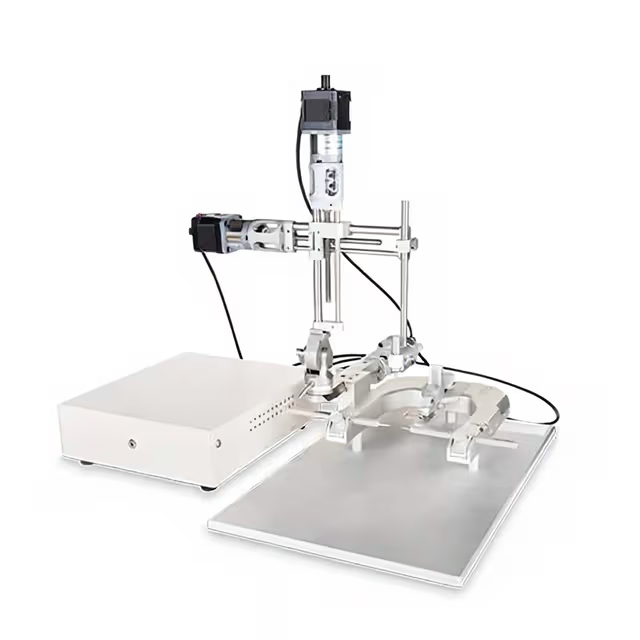
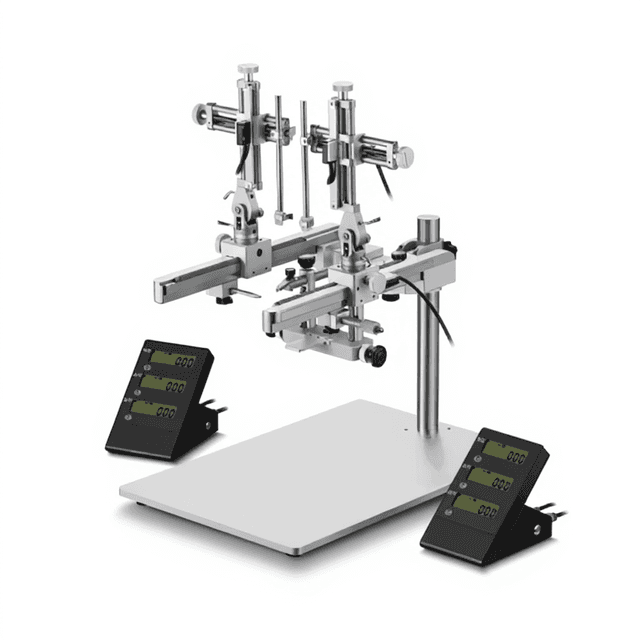
Stereotaxic Manual Device
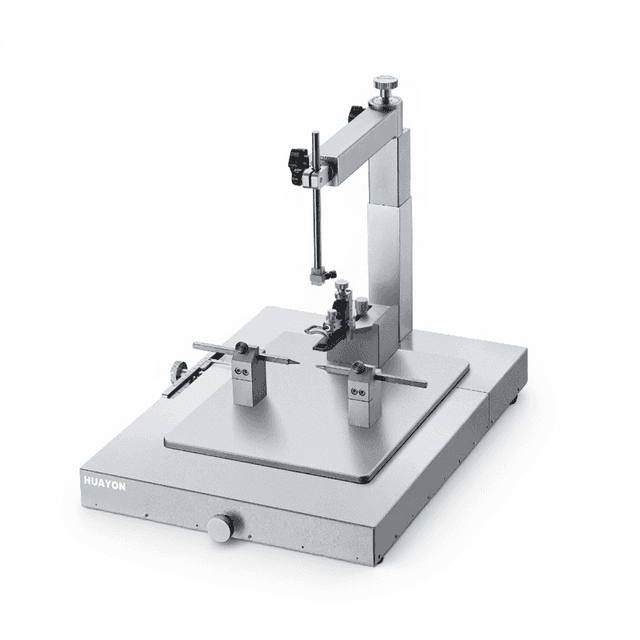
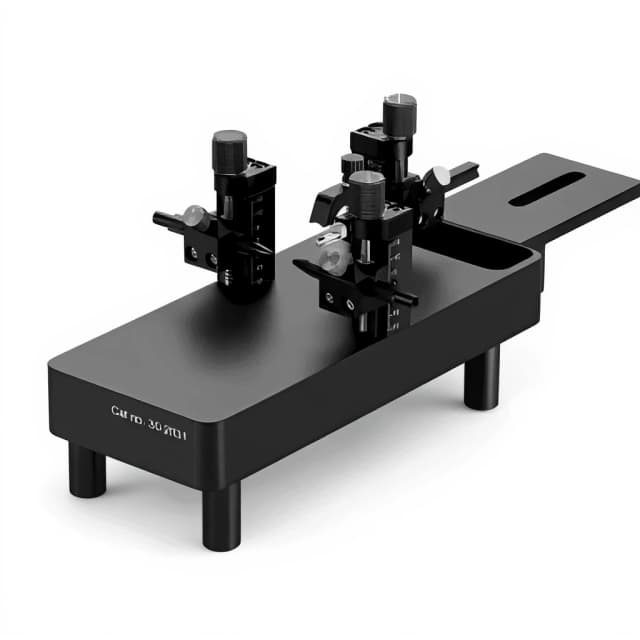
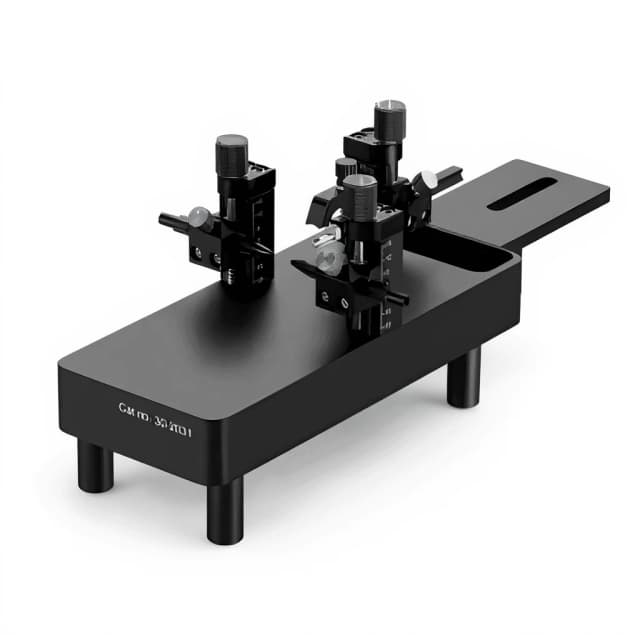
Precision stereotaxic instrument for accurate brain region targeting in rodent neuroscience research, featuring three-dimensional coordinate positioning with main and vernier scales in single or double arm configurations.

Louise Corscadden, PhD
Director of Science · ConductScience
Ask Louise about Stereotaxic Manual Device fit, setup, configuration, or quote prep.
Already working with us? Sign in to connect this with My Scientist.
Key Specifications
Full details →- Model fit
- Mouse, Rat
- SKU family
- CS-STS-SM100/CS-STS-SM200/CS-STS-SR100/CS-STS-SR200
- Shipping box
- 48.0 x 34.0 x 19.0 cm
- Ordering
- Online checkout and quote request available
- Category
- Stereotaxic Complete Systems
- Build notes
- Confirm accessories, station layout, and support needs before purchase
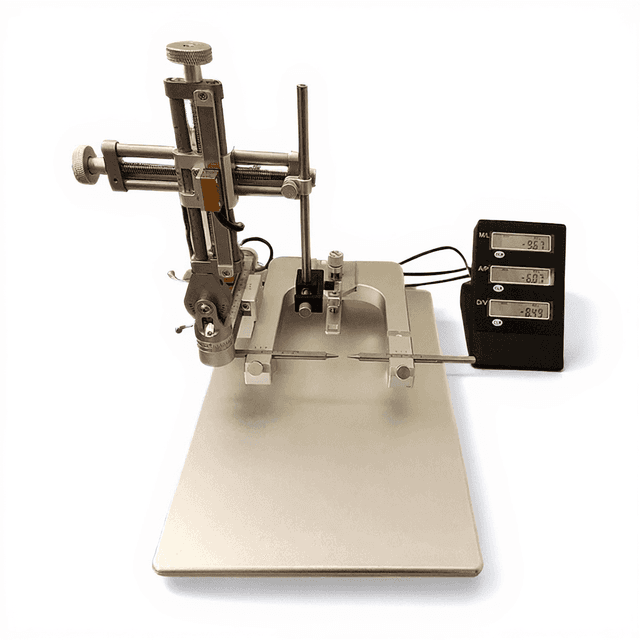
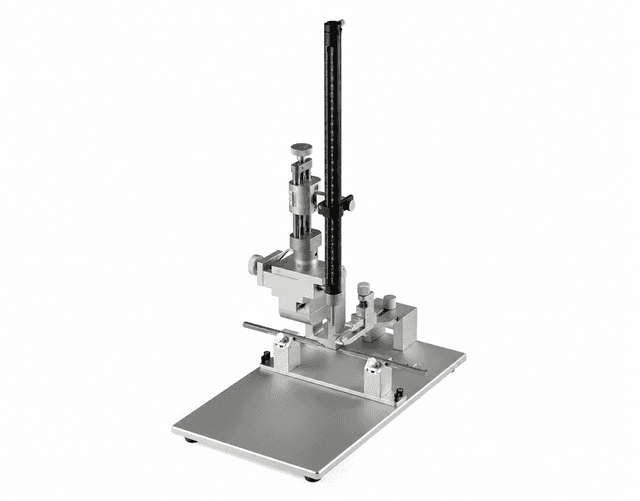
The Stereotaxic Manual Device is a precision instrument designed for accurate targeting of specific brain regions in rodent neuroscience research. Utilizing anatomical landmarks including bregma, lambda, sagittal suture, external auditory meatus, and tooth bar as reference points, the device enables precise three-dimensional positioning through X/Y/Z coordinate manipulation using main and vernier scales. The triangular guide rail system with universal contact points facilitates rapid positioning and lateral or longitudinal movement adjustments.
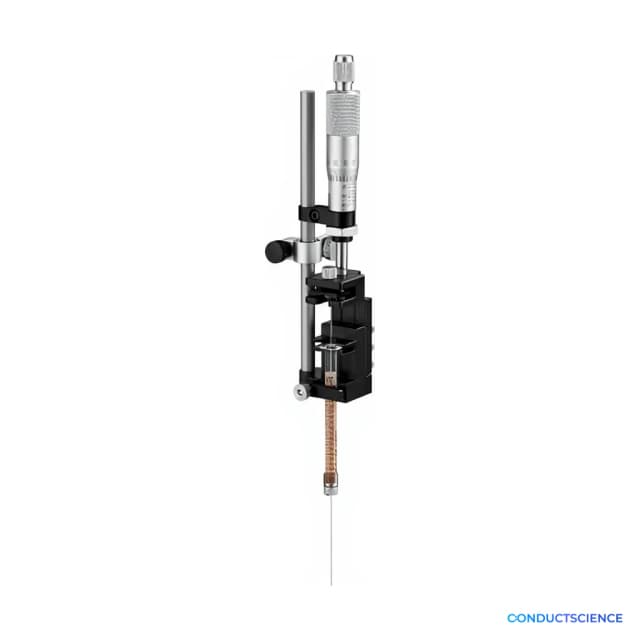
Available in single and double arm configurations for both mouse and rat applications, the device employs screw rod and rolling mechanisms rather than traditional metal-to-metal grinding transmission to maintain long-term stability and accuracy. The system accommodates various experimental tools including electrodes, injection needles, cannulas, and optical fibers, making it compatible with optogenetics, two-photon imaging, endogenous brain imaging, fiber optic recording, and electrophysiology systems. The incisor clamp is positioned 3.3±0.4mm below the centerline connecting left and right ear bars for standardized animal positioning.
How It Works
The stereotaxic principle relies on establishing a standardized coordinate system using consistent anatomical landmarks on the skull surface. The device positions the animal's head in a fixed orientation using ear bars and an incisor clamp, creating a reproducible reference frame. Bregma, the intersection of the coronal and sagittal sutures, serves as the primary zero-point coordinate, with lambda and other landmarks providing additional reference verification.
Three-dimensional positioning is achieved through mechanical manipulation arms that move along X (medial-lateral), Y (anterior-posterior), and Z (dorsal-ventral) axes. Main scales provide coarse positioning while vernier scales enable fine adjustments for submillimeter accuracy. The triangular guide rail system ensures smooth, precise movement while universal contact points accommodate various experimental tools and maintain alignment during positioning.
The screw rod and rolling mechanism transmission system eliminates the wear and backlash associated with traditional metal-to-metal grinding systems, preserving long-term accuracy. Once target coordinates are calculated from stereotaxic atlases, the manipulator arms guide instruments to the precise brain location for injection, recording, or other experimental procedures.
Features & Benefits
Coordinate System
- X/Y/Z three-dimensional coordinates
Positioning Mechanism
- Main and vernier scales
Guide Rails
- Triangular guide rails with universal contact points
Transmission Type
- Screw rod and rolling mechanisms (replaces metal-to-metal hard grinding)
Reference Landmarks
- Bregma, lambda, sagittal suture, external auditory meatus, tooth bar
Incisor Clamp Position
- 3.3±0.4mm below centerline connecting left and right ear bars
Compatible Equipment
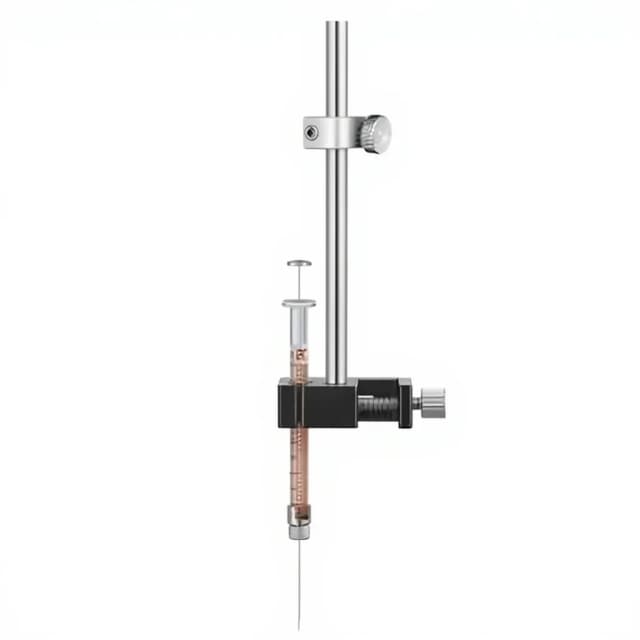
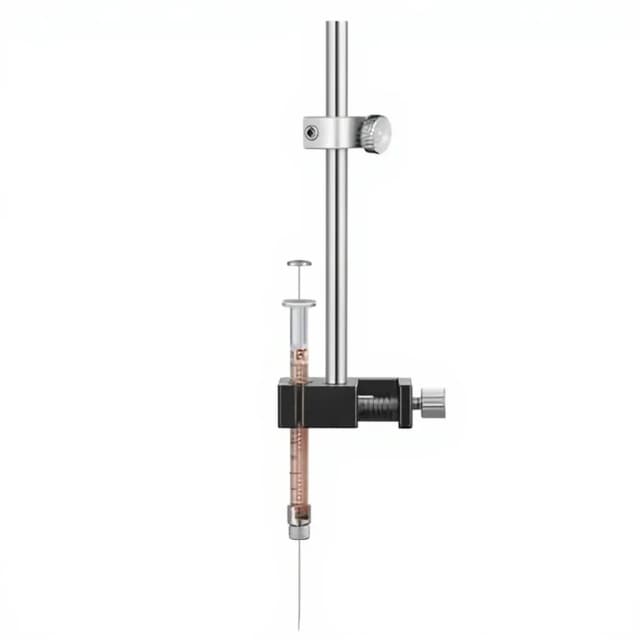
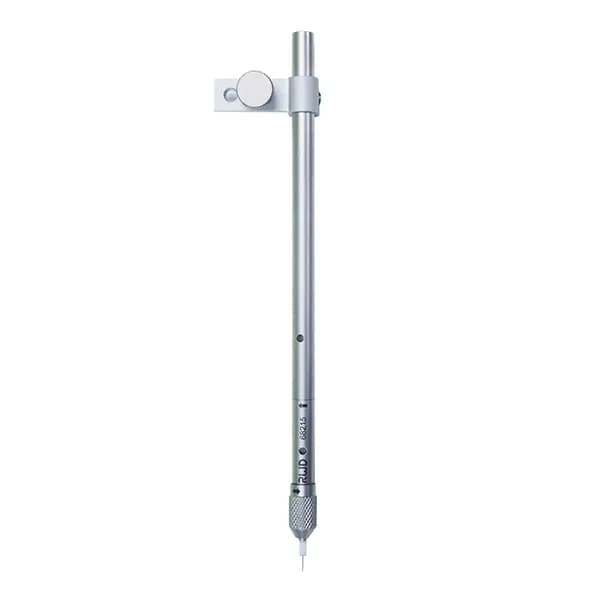
- Electrodes, injection needles, cannulas, optical fibers
Compatible Systems
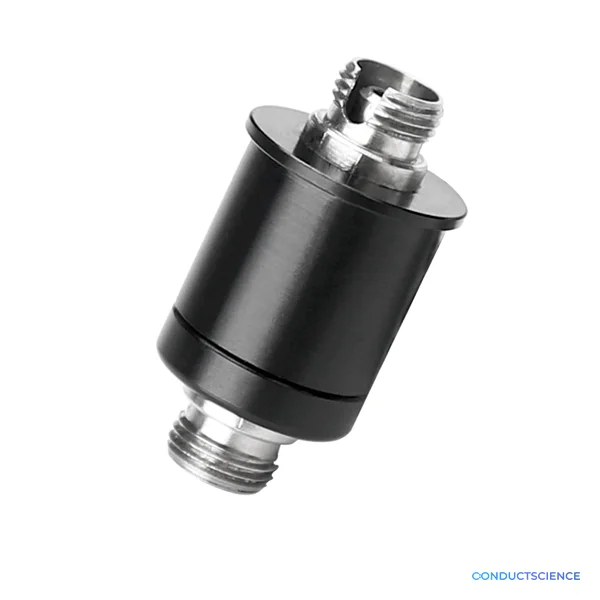
- Optogenetics, two-photon, endogenous brain imaging, fiber optic recording, electrophysiology
Automation Level
- manual
Species
- Mouse
- Rat
Research Domain
- Addiction Research
- Aging Research
- Anxiety and Depression
- Behavioral Pharmacology
- Learning and Memory
- Motor Function
- Neurodegeneration
- Neuroscience
- Pain Research
Shipping weight
- 18.08 lb
Shipping box
- L: 48.0 cm
- W: 34.0 cm
- H: 19.0 cm
| Feature | This Product | Typical Alternative | Advantage |
|---|---|---|---|
| Transmission Mechanism | Screw rod and rolling mechanism replacing metal-to-metal grinding | Traditional metal-to-metal grinding systems prone to wear and backlash | Maintains positioning accuracy over extended use without mechanical degradation |
| Guide Rail Design | Triangular guide rails with universal contact points | Standard linear rails with fixed mounting systems | Enables rapid repositioning and accommodates diverse experimental tools with consistent alignment |
| Arm Configuration Options | Available in both single and double arm configurations | Many models offer only single arm configuration | Supports bilateral procedures and multi-instrument experiments in a single setup |
| Animal Positioning Standard | Standardized incisor clamp at 3.3±0.4mm below ear bar centerline | Variable positioning systems without standardized references | Ensures reproducible head orientation for consistent coordinate calculations across subjects |
| Reference Landmark System | Multiple landmarks including bregma, lambda, sagittal suture, external auditory meatus, and tooth bar | Basic systems often rely on fewer reference points | Provides comprehensive coordinate verification for enhanced targeting accuracy |
| Operating Arm Adjustability | Rotatable operating arms for angled approaches | Fixed vertical approach systems | Allows trajectory optimization to avoid surface structures and access difficult brain regions |
This stereotaxic system combines enhanced mechanical durability through its rolling transmission design with flexible positioning capabilities via triangular guide rails and rotatable arms. The standardized reference system and dual configuration options support both routine and complex neuroscience procedures requiring precise brain targeting.
| Model | SKU | Listed price | Status | Shipping box |
|---|---|---|---|---|
| Double | CS-STS-SR200 | $3,717.00 | Available | 48.0 x 34.0 x 19.0 cm |
| Double | CS-STS-SM200 | $3,717.00 | Available | 48.0 x 34.0 x 19.0 cm |
| Single | CS-STS-SR100 | $3,100.00 | Available | 48.0 x 34.0 x 19.0 cm |
| Single | CS-STS-SM100 | $3,100.00 | Available | 48.0 x 34.0 x 19.0 cm |
Practical Tips
Verify zero positions on all three axes before each experimental session using known reference points.
Why: Mechanical systems can experience minor shifts that affect coordinate accuracy over time.
Clean guide rails with appropriate solvents after each use and inspect the rolling mechanism for debris accumulation.
Why: Contamination can affect smooth movement and positioning precision of the manipulation arms.
Always verify bregma identification by cross-referencing with lambda and sagittal suture landmarks before target calculation.
Why: Multiple landmark confirmation reduces coordinate errors and improves targeting reproducibility.
Allow anesthetized animals to reach stable physiological parameters before beginning stereotaxic positioning.
Why: Respiratory and cardiovascular stability prevents movement artifacts during precise coordinate targeting.
Secure the stereotaxic frame to a vibration-isolation table or stable surface before procedures.
Why: Any movement during targeting can result in coordinate errors and compromise experimental accuracy.
If positioning becomes difficult, check for proper ear bar placement and ensure equal pressure on both sides.
Why: Uneven head restraint can distort skull anatomy and affect coordinate system alignment.
Record actual coordinate positions achieved during procedures for verification against calculated targets.
Why: Documentation enables post-procedure verification and helps identify systematic positioning errors.
Periodically lubricate the screw rod mechanism according to manufacturer specifications to maintain smooth operation.
Why: Proper lubrication prevents mechanical binding and preserves the precision of fine positioning adjustments.
Setup Guide
What’s in the Box
- Stereotaxic frame base unit (typical)
- Single or double manipulation arms (configuration dependent)
- Ear bars and incisor clamp assembly (typical)
- Triangular guide rails with universal contact points (typical)
- Main and vernier scale systems (typical)
- Mounting hardware and fasteners (typical)
- User manual and setup instructions (typical)
- Calibration tools (typical)
Warranty
ConductScience provides a standard one-year manufacturer warranty covering defects in materials and workmanship, with technical support available for setup, calibration, and operational guidance.
Compliance
What is the positioning accuracy achievable with the vernier scale system?
The combination of main and vernier scales enables submillimeter positioning accuracy, though specific resolution values should be confirmed in the product datasheet for your experimental requirements.
Can the device accommodate both acute and chronic experimental procedures?
Yes, the universal contact points and tool compatibility support both acute procedures like tracer injections and chronic implantations including cannula and electrode placement.
How does the screw rod transmission system compare to traditional stereotaxic mechanisms?
The screw rod and rolling mechanism eliminates metal-to-metal grinding wear, reducing backlash and maintaining positioning accuracy over extended use compared to conventional systems.
What coordinate atlases are compatible with this stereotaxic system?
The standardized bregma reference system is compatible with standard stereotaxic atlases including Paxinos-Watson for rats and Paxinos-Franklin for mice, using conventional coordinate conventions.
Can the device perform bilateral procedures simultaneously?
The double arm configuration enables simultaneous bilateral targeting, allowing for paired injections, recordings, or stimulation procedures in corresponding brain regions.
What maintenance is required to preserve positioning accuracy?
Regular calibration verification and gentle cleaning of the guide rail systems maintains accuracy, with the rolling mechanism design minimizing wear-related maintenance compared to traditional systems.
How does the incisor clamp positioning affect coordinate calculations?
The standardized 3.3±0.4mm positioning below the ear bar centerline ensures consistent head orientation for reproducible coordinate calculations across different animals and experimental sessions.
What tool mounting options are available for different experimental applications?
Universal contact points accommodate standard research tools including various gauge injection needles, recording electrodes, cannula guides, and optical fiber assemblies for diverse applications.
Have a question about this product?
Have a question? Just ask.
Send it over and we'll email you a personalized answer — no call, no scheduling.
Prefer to talk it through?
Accessories
Enhance your setup with compatible accessories
Frequently Bought Together
Upgrade Options