Required
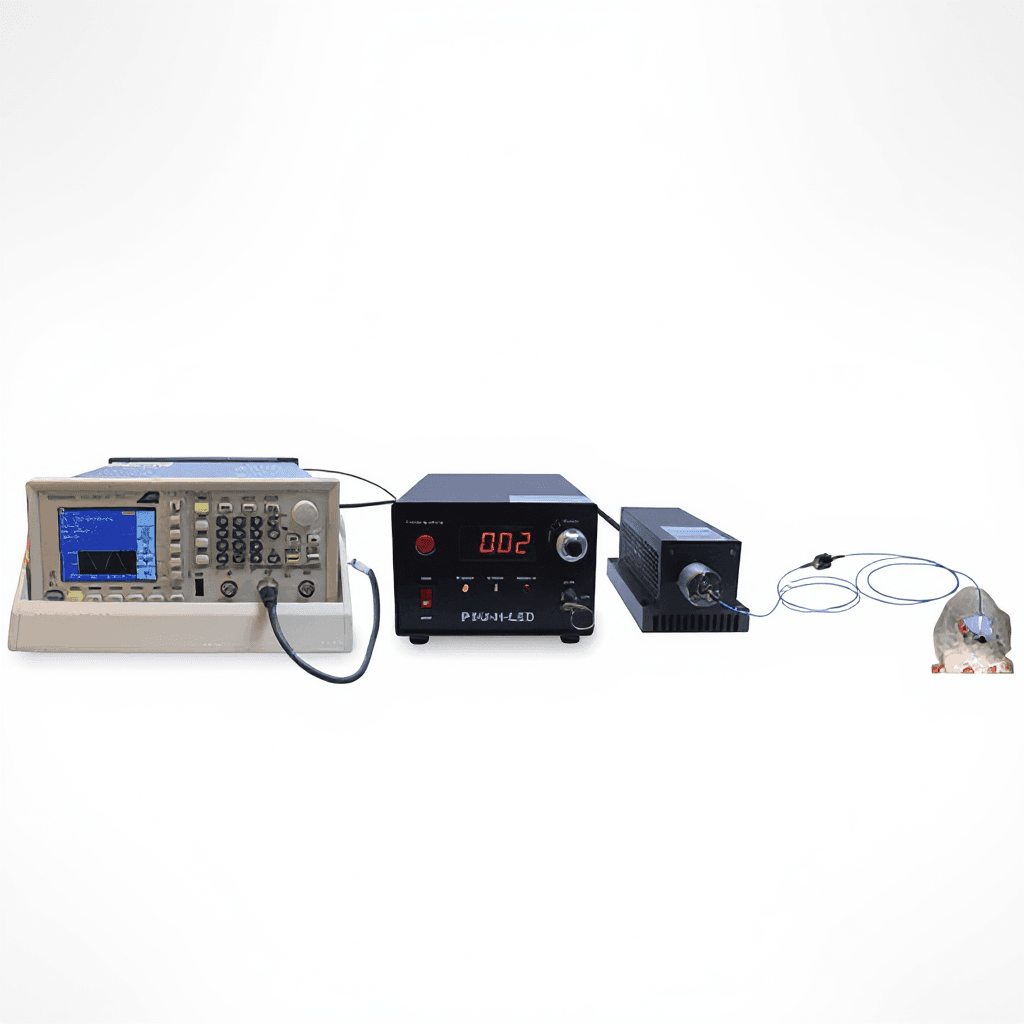
Optogenetic Stimulation Kit
RWD-OPSK-01$10,750.00

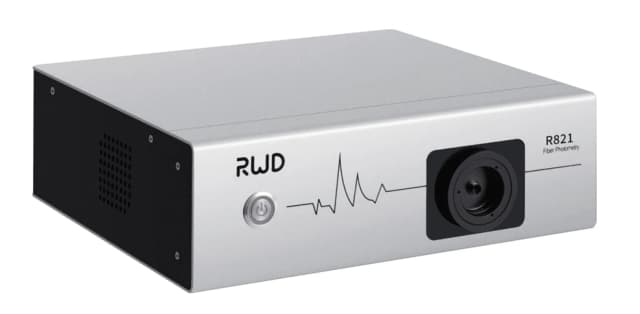
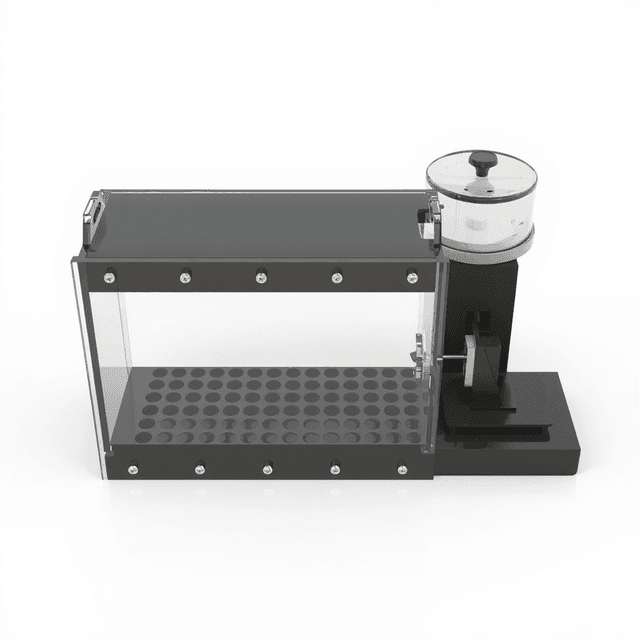
Integrated optogenetics system with laser, fiber optics, and rotary joint for precise neural circuit manipulation in behaving animals through light-activated ion channels.
Your package includes the items and quantities shown below. Request a quote for a different class size or combination.
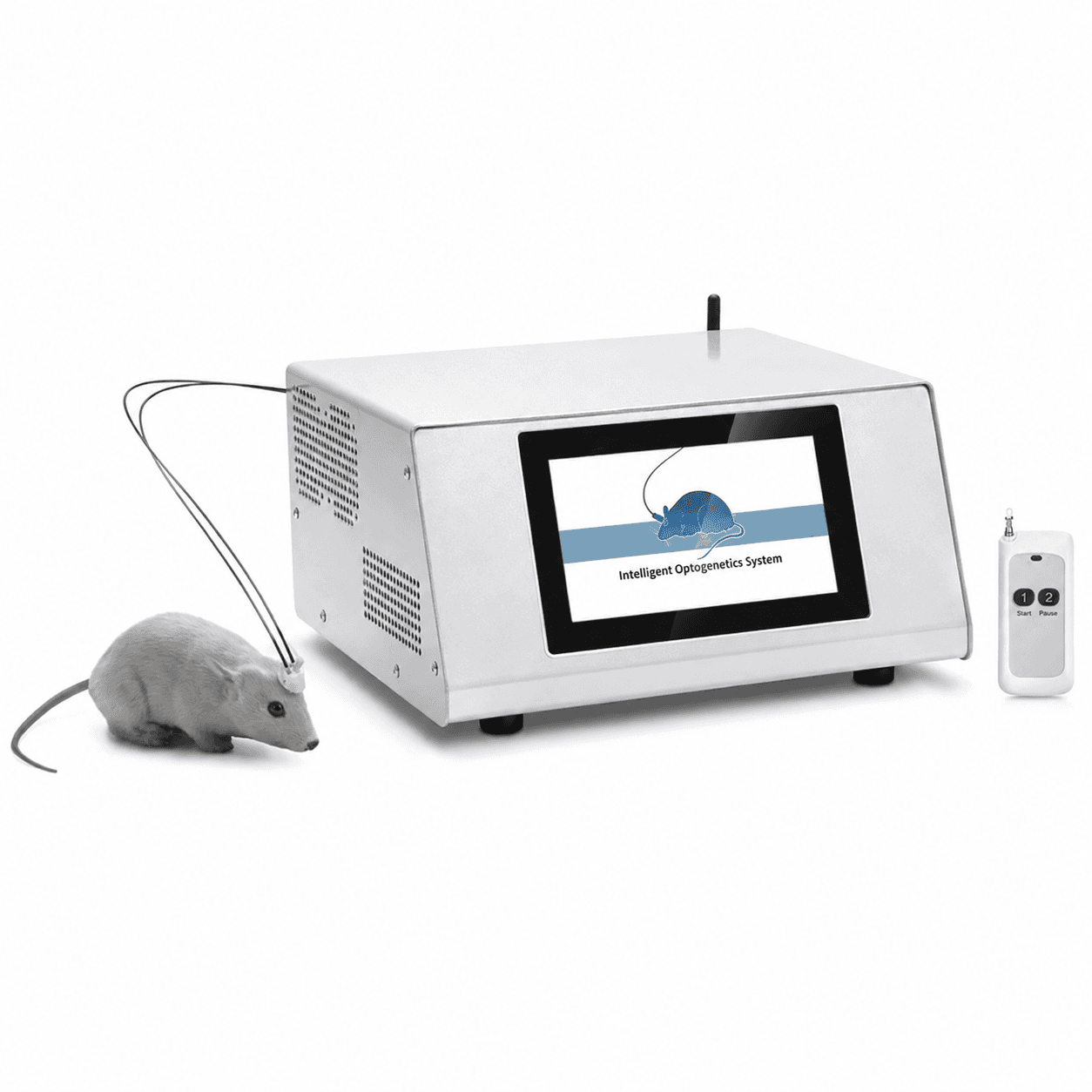
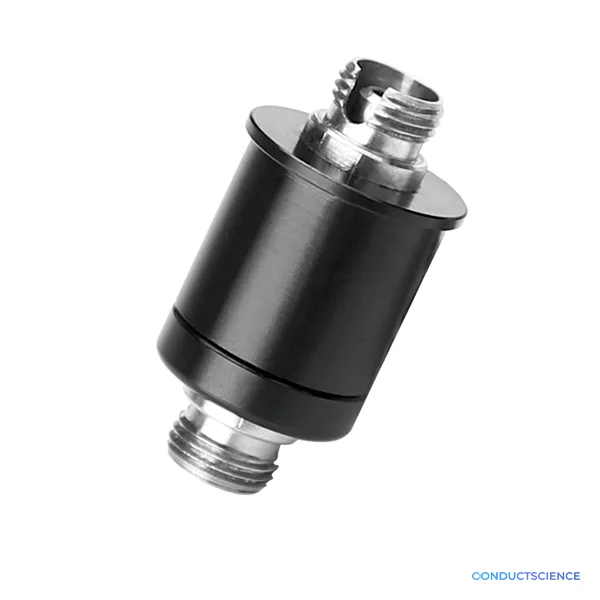
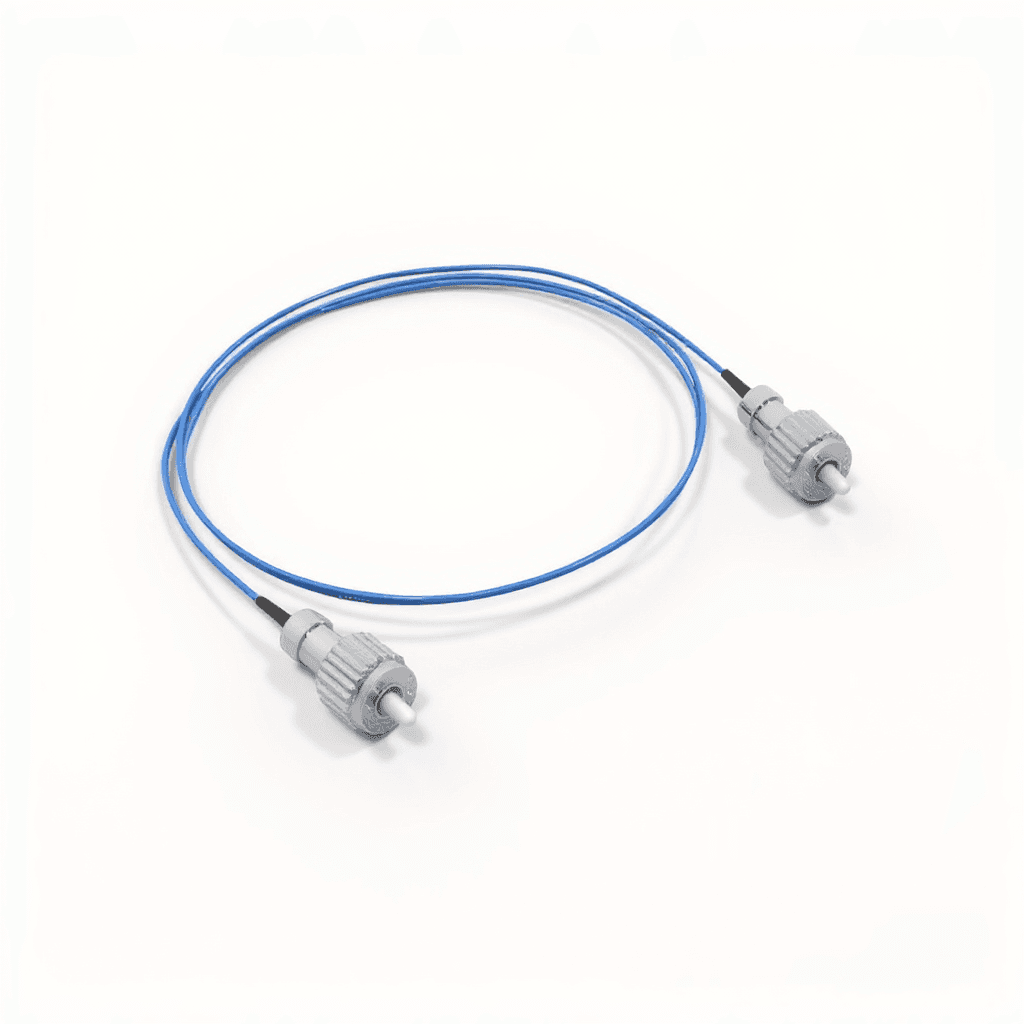
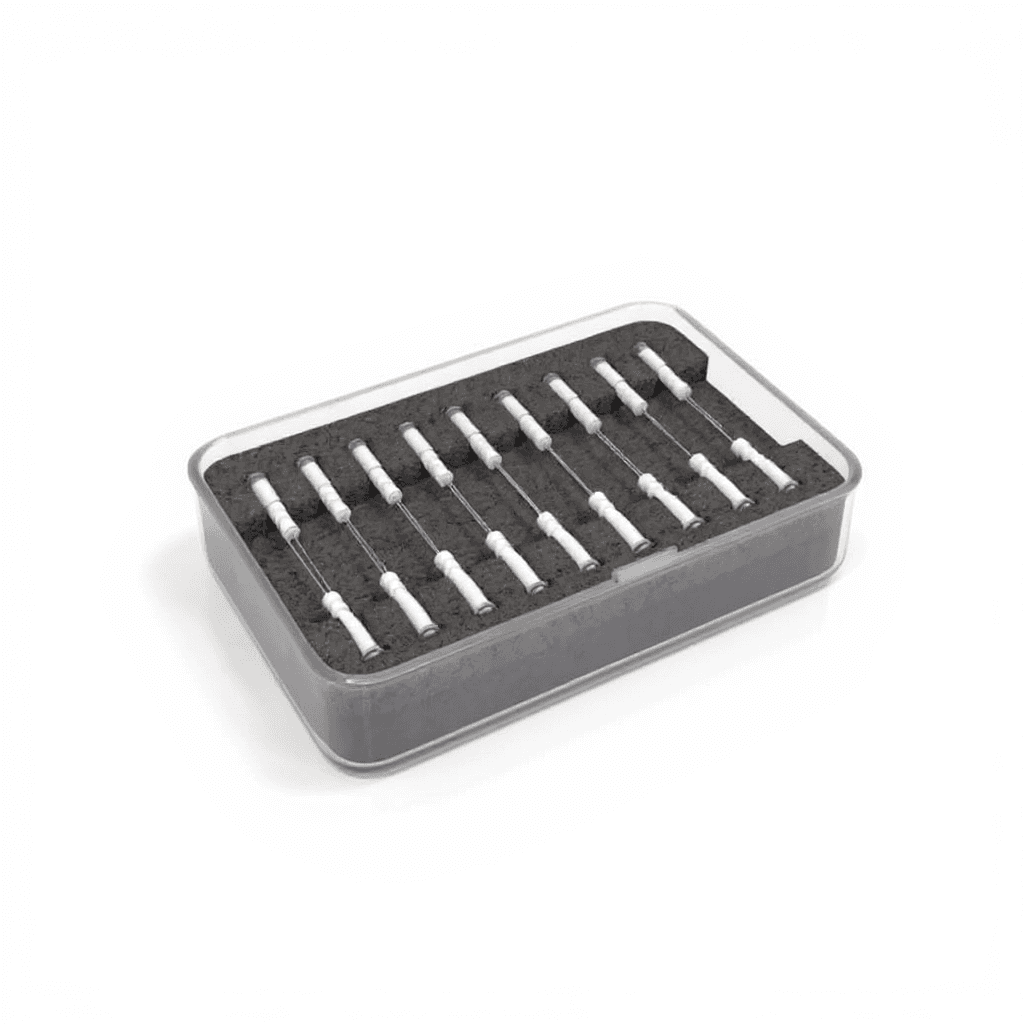
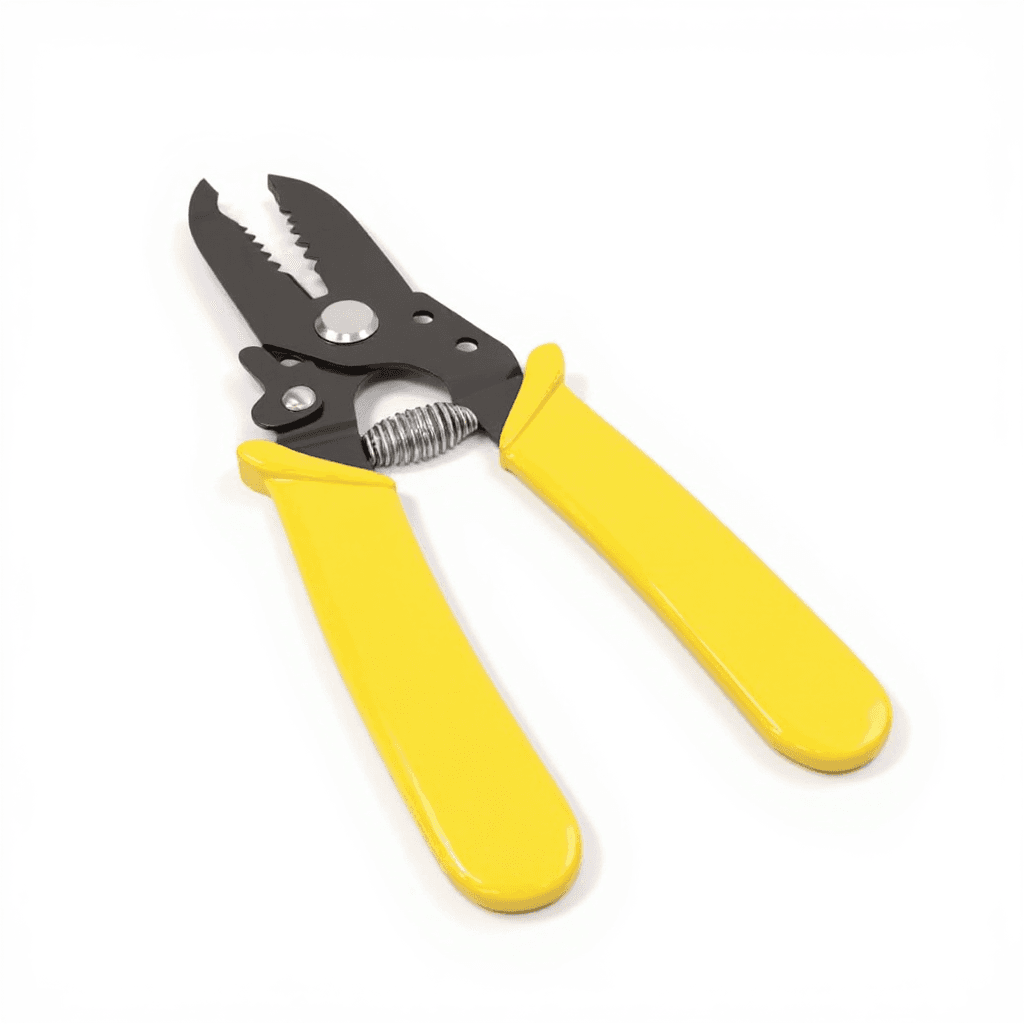
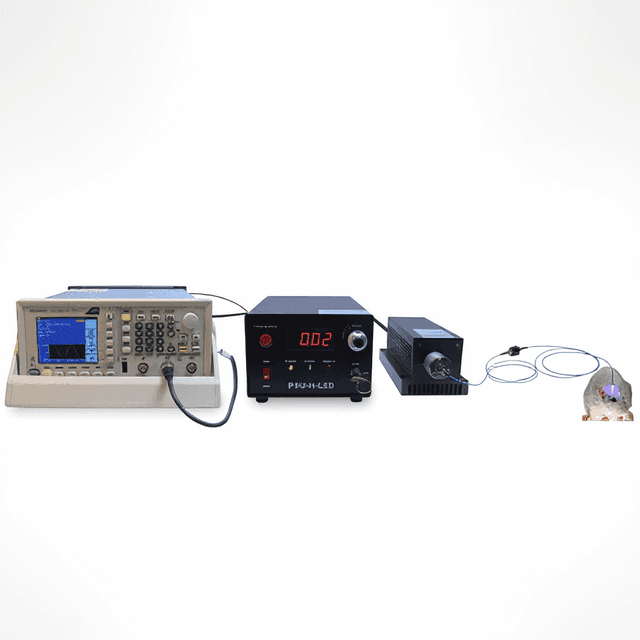
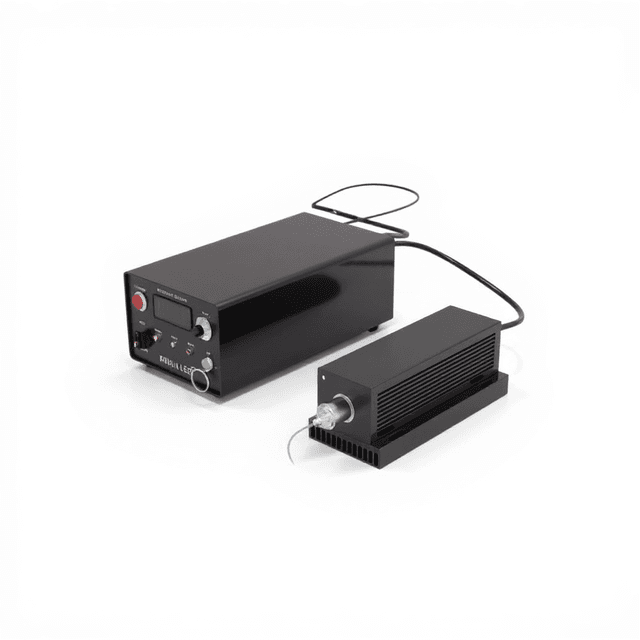
The Complete Optogenetics Research Bundle provides a fully integrated system for neural circuit manipulation through light-activated ion channels. This comprehensive kit includes compatibility-tested components for precise optical stimulation and inhibition of genetically modified neurons expressing channelrhodopsin, halorhodopsin, or other optogenetic actuators. The system enables researchers to perform controlled temporal and spatial activation of specific neural populations in vivo.
The bundle combines laser light delivery, fiber optic coupling, and rotary joint technology to maintain optical connection during behavioral testing. All components are pre-validated for compatibility, eliminating the need to source and test individual elements from multiple suppliers. The system supports both stimulation and inhibition protocols across multiple wavelengths commonly used in optogenetic research.
Optogenetic manipulation relies on genetically encoded light-sensitive ion channels that are expressed in specific neural populations. When exposed to light of appropriate wavelengths, these channels undergo conformational changes that allow ion flux across the neuronal membrane. Channelrhodopsin variants typically respond to blue light (470 nm) by opening cation channels, leading to depolarization and neural activation. Halorhodopsin responds to yellow-green light (560-590 nm) by conducting chloride ions, causing hyperpolarization and neural inhibition.
The system delivers precise light pulses through implanted optical fibers that terminate near target brain regions. The laser source provides stable, calibrated light output that can be modulated for temporal patterns ranging from single pulses to complex stimulation trains. The rotary joint maintains optical coupling while allowing unrestricted animal movement during behavioral testing.
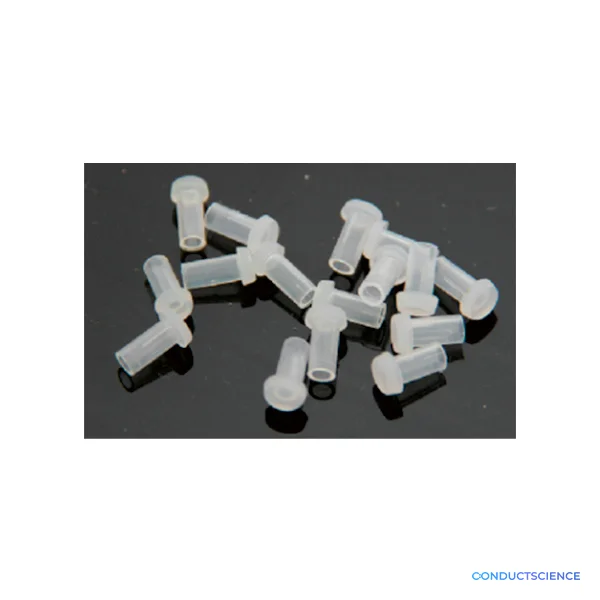
Fiber optic delivery ensures spatial precision, with light intensity decreasing as a function of distance from the fiber tip according to established photon scattering models in brain tissue. The ceramic ferrules provide stable, low-loss connections that maintain consistent light delivery across experimental sessions.
| Feature | This Product | Typical Alternative | Advantage |
|---|---|---|---|
| System Integration | Complete compatibility-tested bundle with all essential components | Individual components requiring separate sourcing and compatibility validation | Reduces setup time and eliminates integration troubleshooting for immediate research capability. |
| Rotary Joint | Integrated rotary joint for unrestricted movement | Basic fiber connections without rotation capability | Enables natural behavior testing without fiber strain or disconnection artifacts. |
| Component Matching | Pre-validated optical coupling between all components | Mixed-vendor components with variable coupling efficiency | Ensures consistent light delivery and reduces experimental variability across sessions. |
| Technical Support | Unified support for complete system integration | Multiple vendor contacts for individual component issues | Streamlines troubleshooting and reduces downtime when technical issues arise. |
This integrated optogenetics bundle provides pre-validated component compatibility and comprehensive system support, reducing experimental setup complexity compared to individual component sourcing. The inclusion of rotary joint technology enables behavioral flexibility while maintaining optical coupling integrity.
Measure light output at the fiber tip before each experimental session using a calibrated optical power meter.
Why: Ensures consistent irradiance delivery and accounts for gradual degradation of optical components over time.
Clean fiber connector faces with appropriate solvents and lint-free wipes between experimental sessions.
Why: Prevents contamination buildup that can cause light scattering and reduce coupling efficiency.
Document stimulation parameters, fiber position, and power measurements for each animal to maintain experimental consistency.
Why: Enables reproducible results and facilitates troubleshooting when behavioral responses vary between subjects.
Never look directly into fiber connectors or laser outputs, even at low power settings.
Why: Concentrated light output can cause permanent retinal damage even at power levels that appear dim to the eye.
If stimulation effects diminish over time, check for fiber damage at the implant site and verify coupling connections.
Why: Mechanical stress on implanted fibers can cause fractures that reduce light transmission to target tissue.
Include control sessions with identical fiber coupling but no light delivery to isolate optogenetic effects from mechanical artifacts.
Why: Distinguishes genuine optogenetic responses from behavioral changes caused by fiber heating or mechanical stimulation.
Replace fiber patch cords periodically based on handling frequency and visual inspection for damage.
Why: Fiber degradation from repeated bending and connector cycling can gradually reduce system performance.
ConductScience provides a standard one-year manufacturer warranty covering components and workmanship, with technical support for system integration and troubleshooting.
What wavelengths are supported for different optogenetic actuators?
The system typically supports blue light (470 nm) for channelrhodopsin activation and yellow-green wavelengths (560-590 nm) for halorhodopsin inhibition. Consult product datasheet for complete wavelength specifications and available laser modules.
How is light intensity calibrated and maintained across sessions?
Light output should be measured at the fiber tip using a calibrated power meter before each experimental session. The system includes calibration protocols to account for coupling losses and fiber degradation over time.
What is the maximum stimulation frequency and temporal precision?
Temporal control capabilities depend on the specific stimulation controller included in the bundle. Most optogenetic systems support stimulation frequencies from single pulses to 100+ Hz with microsecond timing precision.
How does the rotary joint affect light transmission efficiency?
Rotary joints typically introduce 1-3 dB insertion loss compared to direct fiber connections. The system is designed to compensate for these losses while maintaining consistent light delivery during animal movement.
What fiber core diameter and numerical aperture are recommended?
Fiber specifications depend on your specific implant requirements and light scattering needs in target tissue. Consult product documentation for recommended fiber parameters for different brain regions and applications.
Can the system be synchronized with electrophysiology recordings?
The bundle typically includes trigger outputs for synchronization with data acquisition systems. TTL triggers can coordinate optogenetic stimulation with neural recording, behavioral monitoring, or other experimental equipment.
What maintenance is required for optimal performance?
Regular cleaning of fiber connectors, power output verification, and replacement of consumable components like fiber patch cords ensures consistent performance. The rotary joint requires periodic lubrication per manufacturer specifications.
Send it over and we'll email you a personalized answer — no call, no scheduling.
Prefer to talk it through?
Enhance your setup with compatible accessories