1 / 6
Automated Skilled Forelimb
SKU ME-14102
$3,490.00
IncludesStandard care
Automated system for quantitative assessment of rodent forelimb dexterity and fine motor control through pellet reaching tasks with real-time data acquisition.
Scientist guidance

Louise Corscadden, PhD
Director of Science · ConductScience
Ask Louise about Automated Skilled Forelimb fit, setup, configuration, or quote prep.
Already working with us? Sign in to connect this with My Scientist.
Key Specifications
Full details →- Model fit
- Mouse, Rat
- SKU family
- ME-14101/ 14102
- Sizing
- Mouse Automated Skilled Forelimb: Height 20 cm · Length 23 cm; Rat Automated Skilled Forelimb: Height 30 cm · Length 35 cm
- Ordering
- Online checkout and quote request available
- Category
- Automated Mazes
- Build notes
- Clear Acrylic, Light grey acrylic, Steel
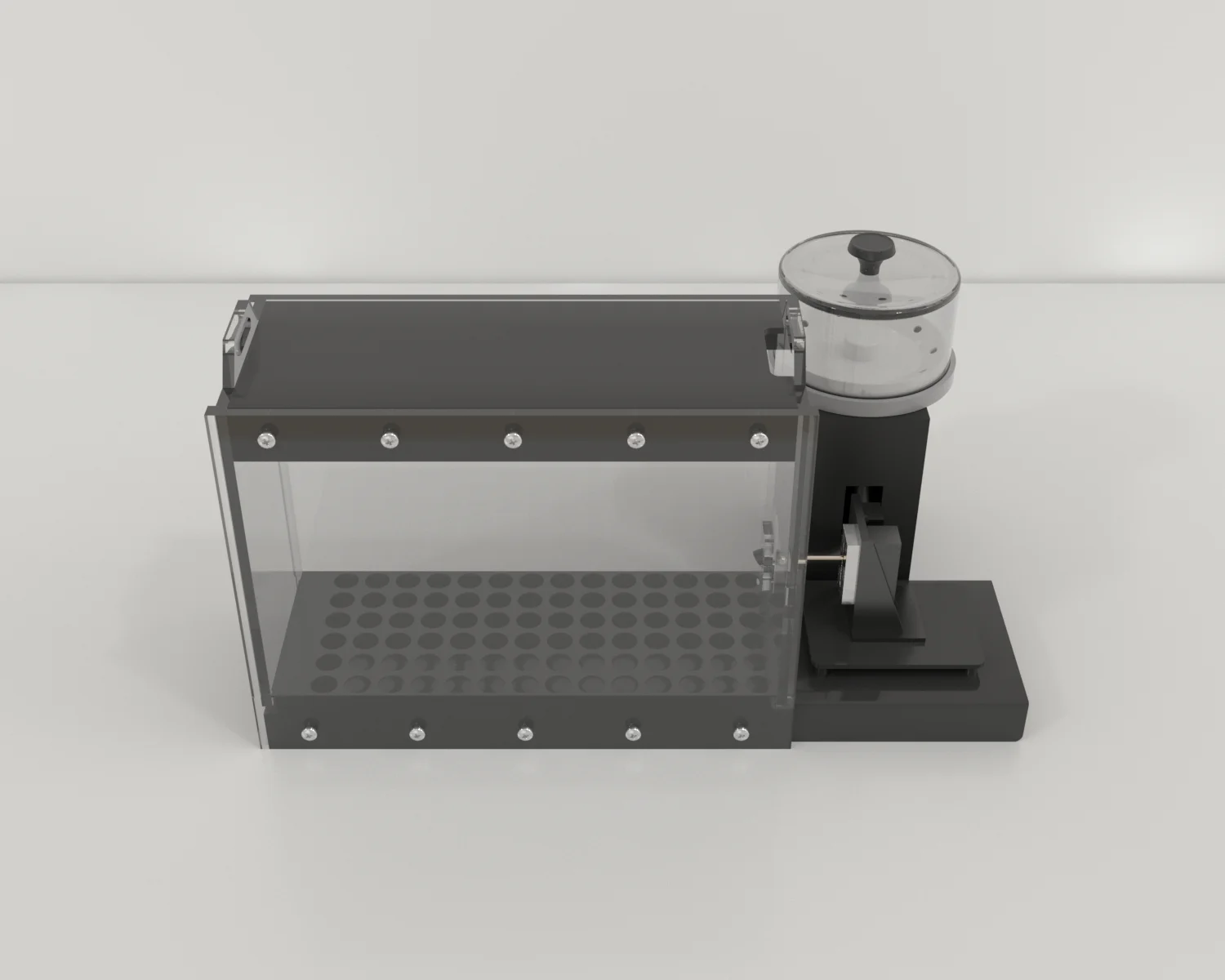
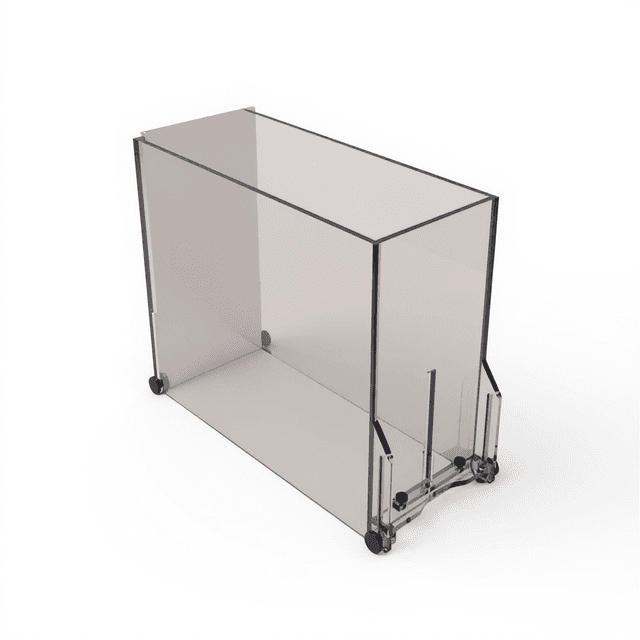
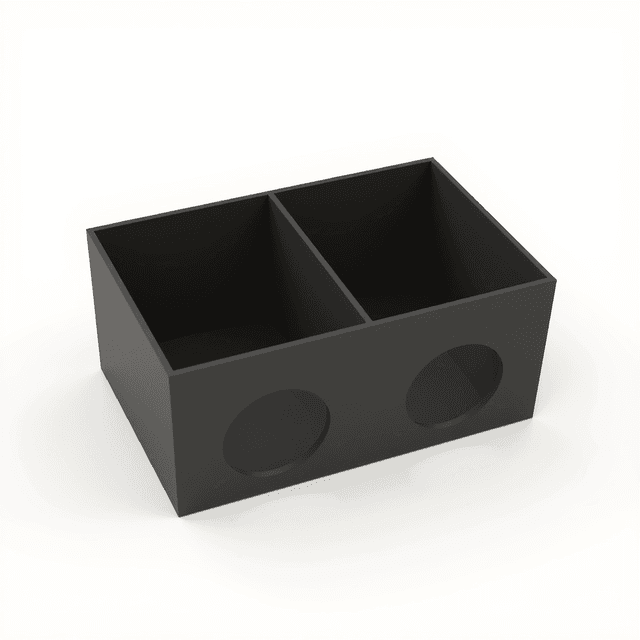
The Automated Skilled Forelimb system provides quantitative assessment of fine motor control and forelimb dexterity in rodents through automated pellet reaching tasks. The system consists of an acrylic chamber with a narrow slit through which animals reach for food pellets, coupled with automated pellet dispensing, fiber optic sensing, and real-time data acquisition software. Available in mouse (0.5 cm gap) and rat (1 cm gap) configurations, the system enables continuous recording of reaching attempts, success rates, and movement patterns without researcher supervision.
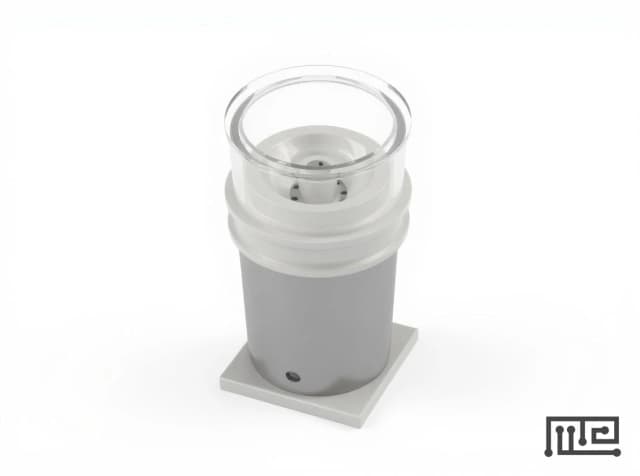
The system incorporates a single-sided sensor stripe for pellet detection, automated 20 mg pellet dispensing from bio-serv.com, and integration capability with Noldus EthoVision and ANY-maze video tracking systems. The control box supports up to 8 pellet dispensers with 4 active connectors, enabling simultaneous testing of multiple subjects. The removable floor insert facilitates cage maintenance, while the clear acrylic construction allows for behavioral observation and video recording integration.
How It Works
The system operates through automated detection of pellet retrieval attempts using a fiber optic sensor system positioned at the chamber slit. When animals reach through the narrow gap (0.5 cm for mice, 1 cm for rats) to grasp 20 mg food pellets, the sensor stripe registers contact events and pellet displacement. The automated pellet dispenser delivers individual pellets to the reaching zone on programmed intervals or trial-based schedules.
Real-time data acquisition software records reaching attempts, success/failure rates, retrieval latencies, and inter-trial intervals. The system's adaptive software capability enables unsupervised learning paradigms where pellet delivery schedules adjust based on individual animal performance. Integration with video tracking systems (Noldus EthoVision, ANY-maze) allows correlation of reaching kinematics with automated performance metrics.
The clear acrylic chamber design (1/4 inch wall thickness) provides optimal visualization while constraining animal movement to standardize reaching posture. The removable floor insert system facilitates maintenance while preserving experimental conditions across sessions.
Features & Benefits
Automated pellet dispensing with fiber optic detection
Enables continuous unattended data collection with precise detection of successful pellet retrievals, reducing researcher time requirements.
Species-specific chamber dimensions
Optimized gap sizes (0.5 cm mouse, 1 cm rat) ensure standardized reaching posture while accommodating natural limb proportions.
Real-time adaptive software
Automatically adjusts pellet delivery schedules based on individual performance, enabling personalized training protocols and learning curve analysis.
Multi-unit control system supporting 8 dispensers
Simultaneous testing of multiple subjects increases experimental throughput while maintaining individual data streams.
Integration with video tracking systems
Combines automated performance metrics with kinematic analysis from Noldus EthoVision and ANY-maze for comprehensive motor assessment.
Removable floor insert design
Facilitates rapid cleaning between subjects and maintains hygienic testing conditions without system disassembly.
Clear acrylic construction with 1/4 inch walls
Provides optimal visibility for behavioral observation while ensuring structural durability and easy decontamination.
Continuous pre-trial and trial activity recording
Captures baseline motor activity and approach behaviors, enabling analysis of motivation and movement initiation patterns.
Sizes by model
| Measurement | Mouse Automated Skilled Forelimb | Rat Automated Skilled Forelimb |
|---|---|---|
| Height | 20 cm | 30 cm |
| Length | 23 cm | 35 cm |
| Width | 10 cm | 15 cm |
| Gap | 0.5 cm | 1 cm |
Wall Thickness
- 1/4 inch thick
Slit Gap
- 0.7 cm
Pellet Weight
- 20 mg
Pellet Supplier
- bio-serv.com
Max Dispensers Supported
- 8 pellet dispensers
Active Connectors
- 4 connectors for four units
Connectivity
- USB connector to computer
Components Included
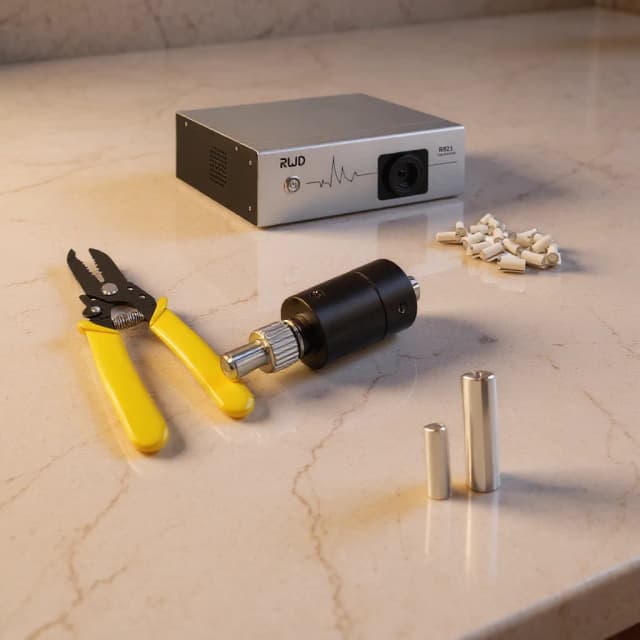
- ['Acrylic Chamber', 'Automated Pellet dispenser', 'Sensor stripe', 'Control box', 'Software']
Sensor Type
- Single sided sensor stripe
Pellet Detection
- Fiber optic sensor
Floor Type
- Removable floor insert
Behavioral Construct
- Motor learning
- Fine motor control
- Forelimb dexterity
- Skilled reaching behavior
- Motor rehabilitation
- Movement coordination
Automation Level
- fully-automated
Material
- Clear Acrylic
- Light grey acrylic
- Steel
Color
- Clear
- Light grey
Dimensions
- 23 inches x 10 inches x 20 inches
Research Domain
- Behavioral Pharmacology
- Learning and Memory
- Motor Function
- Neurodegeneration
- Neuroscience
- Pain Research
Compatible Tracking Software
- ConductVision
Shipping weight
- 21.0 lb
Shipping box
- L: 43.2 cm
- W: 38.0 cm
- H: 27.9 cm
| Feature | This Product | Typical Alternative | Advantage |
|---|---|---|---|
| Detection Method | Fiber optic sensor for precise pellet displacement detection | Manual observation or basic infrared beam-break systems | Provides accurate success/failure determination without subjective scoring bias. |
| Multi-Unit Capacity | Supports up to 8 pellet dispensers with 4 active connectors | Single-unit systems requiring individual testing sessions | Enables simultaneous testing of multiple subjects for increased experimental throughput. |
| Video Integration | Direct compatibility with Noldus EthoVision and ANY-maze systems | Limited or no video tracking integration capabilities | Combines automated performance metrics with detailed kinematic analysis in a single workflow. |
| Adaptive Software | Real-time performance-based protocol adjustments | Fixed-schedule pellet delivery systems | Personalizes training protocols based on individual learning curves and performance levels. |
| Chamber Design | Species-specific dimensions with removable floor inserts | One-size-fits-all chambers with fixed configurations | Optimizes reaching posture standardization while facilitating rapid cleaning between subjects. |
| Data Recording Scope | Continuous pre-trial and trial activity recording with real-time analysis | Trial-only data collection with limited baseline monitoring | Captures comprehensive behavioral patterns including motivation and approach behaviors. |
This system combines fiber optic precision detection with multi-unit testing capability and comprehensive video integration. The adaptive software and species-specific chamber designs provide standardized yet flexible assessment protocols for diverse research applications.
| Model | Size | SKU | Listed price | Status | Shipping box |
|---|---|---|---|---|---|
| Mouse Automated Skilled Forelimb | Height 20 cm · Length 23 cm · Width 10 cm · Gap 0.5 cm | ME-14101 | $2,990.00 | Available | 43.2 x 38.0 x 27.9 cm |
| Rat Automated Skilled Forelimb | Height 30 cm · Length 35 cm · Width 15 cm · Gap 1 cm | ME-14102 | $3,490.00 | Available | 43.2 x 38.0 x 27.9 cm |
Neuroscience
Quantitative assessment of motor recovery following experimental stroke induction, measuring forelimb dexterity changes over time with automated data collection.
Behavioral Pharmacology
Evaluation of potential therapeutic compounds on motor function recovery in rodent models of neurological disease through standardized reaching performance metrics.
Motor Function
Assessment of skilled reaching behavior in Parkinson's disease models to quantify bradykinesia and movement coordination deficits.
Learning and Memory
Investigation of motor learning acquisition and retention through automated tracking of reaching success rates and movement refinement over training sessions.
Neurodegeneration
Longitudinal monitoring of progressive motor decline in models of neurodegenerative diseases through quantitative forelimb function assessment.
Pain Research
Evaluation of motor function changes in chronic pain models where mechanical allodynia may affect reaching behavior and food motivation.
Practical Tips
Calibration
Perform sensor calibration at the beginning of each experimental session to ensure consistent pellet detection thresholds.
Why: Environmental factors and pellet characteristics can affect sensor sensitivity over time.
Maintenance
Clean the sensor stripe and slit area daily to prevent pellet debris accumulation that could interfere with detection accuracy.
Why: Food particle buildup can create false positive signals or block proper pellet positioning.
Best Practices
Allow 5-10 minutes of acclimation time before beginning data collection to minimize stress-related performance variability.
Why: Novel environment stress can temporarily suppress natural reaching behavior and affect baseline measurements.
Data Quality
Monitor pellet supply levels during extended sessions to prevent dispenser jamming or inconsistent pellet presentation.
Why: Irregular pellet availability can create artificial learning deficits or motivation artifacts in the data.
Troubleshooting
If reaching success rates drop suddenly, verify pellet positioning at the slit and check sensor alignment before adjusting behavioral protocols.
Why: Hardware issues can masquerade as behavioral changes and lead to misinterpretation of experimental results.
Best Practices
Use consistent testing times relative to feeding schedules to maintain stable motivation levels across subjects and sessions.
Why: Food motivation directly impacts reaching effort and can confound motor performance measurements.
Safety
Ensure proper ventilation around the control box during extended operation to prevent overheating of electronic components.
Why: Thermal drift in electronics can affect sensor calibration and data acquisition accuracy.
Calibration
Document pellet batch numbers and verify consistent pellet dimensions when switching suppliers or lots.
Why: Pellet size variations can alter reaching difficulty and affect cross-session comparability of performance data.
Setup Guide
Unpack and Inspect Components
Remove acrylic chamber, control box, pellet dispenser, sensor stripe, and software materials from packaging. Verify all components are present and undamaged.
Assemble Chamber System
Install the removable floor insert in the acrylic chamber and position the sensor stripe at the designated slit location. Ensure proper alignment for pellet detection.
Connect Control Hardware
Connect the pellet dispenser and sensor stripe to the control box using the provided connectors. Establish USB connection between control box and computer.
Install and Configure Software
Install the acquisition software and configure pellet dispenser parameters, trial schedules, and data recording preferences. Test sensor responsivity and pellet delivery mechanisms.
Load Pellet Supply
Fill the automated dispenser with 20 mg pellets from bio-serv.com according to capacity specifications. Verify proper pellet flow and positioning at the reaching zone.
Calibrate Detection System
Run sensor calibration protocol to establish baseline detection thresholds. Test pellet removal detection accuracy with manual manipulations.
Conduct System Validation
Perform test runs with trained animals to verify data acquisition accuracy and system responsiveness. Confirm integration with video tracking systems if used.
What’s in the Box
- Acrylic test chamber (species-specific dimensions)
- Automated pellet dispenser with fiber optic sensor
- Single-sided sensor stripe
- Control box with multi-unit connectivity
- Data acquisition software
- USB computer interface cable
- Removable floor insert
- User manual and setup guide (typical)
- Calibration protocols (typical)
Warranty
ConductScience provides a standard one-year manufacturer warranty covering hardware components and software functionality. Technical support includes setup assistance, calibration guidance, and troubleshooting for optimal system performance.
Compliance
AAALAC International GuidelinesCommonly used in AAALAC-accredited facilities for standardized behavioral assessment protocols in rodent research.
NIH Guide for Care and Use of Laboratory AnimalsSupports motor function assessment protocols in NIH-funded research requiring standardized behavioral endpoints.
ARRIVE GuidelinesFacilitates standardized reporting of automated behavioral data collection methods in neuroscience publications.
Q
What pellet specifications are required for optimal system performance?
A
The system utilizes standardized 20 mg pellets from bio-serv.com. Pellet size and weight consistency is critical for proper sensor detection and standardized reaching difficulty across subjects.
Q
How does the system handle unsuccessful reaching attempts versus successful retrievals?
A
The fiber optic sensor detects pellet displacement from the dispensing zone, distinguishing successful retrievals from unsuccessful reaching attempts. All events are timestamped and recorded for success rate calculations.
Q
Can the system accommodate different training protocols or fixed-ratio schedules?
A
Yes, the adaptive software allows programming of various pellet delivery schedules, including fixed intervals, variable ratios, and performance-based adaptive protocols that adjust based on individual success rates.
Q
What data outputs are provided by the acquisition software?
A
The software records reaching attempts, success/failure rates, retrieval latencies, inter-trial intervals, and session statistics. Data can be exported for analysis of learning curves, motor recovery, and performance trends.
Q
How does video tracking integration enhance the automated measurements?
A
Integration with Noldus EthoVision or ANY-maze enables correlation of automated performance metrics with detailed movement kinematics, reach trajectories, and postural analysis for comprehensive motor assessment.
Q
What maintenance procedures are required for consistent performance?
A
Regular cleaning of the sensor stripe, pellet dispenser calibration, and floor insert replacement are recommended. The fiber optic sensor requires periodic alignment verification for accurate pellet detection.
Q
How many animals can be tested simultaneously with the multi-unit system?
A
The control box supports up to 8 pellet dispensers through 4 active connectors, enabling simultaneous testing of multiple subjects while maintaining individual data collection streams.
Q
What factors should be considered when selecting between mouse and rat chamber configurations?
A
Chamber selection depends on species body size and limb proportions. Mouse chambers (0.5 cm gap) are optimized for C57BL/6 and similar strains, while rat chambers (1 cm gap) accommodate standard laboratory rat strains.
Have a question about this product?
Track rodents with ConductVision
ConductVision is our video-tracking software. Record your sessions on video, and it scores standard rodent tests, such as those listed below.
Examples of tests it scores
To check whether ConductVision scores your protocol in this apparatus, ask in your quote request.
Ask a question
Have a question? Just ask.
Send it over and we'll email you a personalized answer — no call, no scheduling.
Personalized email reply
Usually within one business day
Helpful answers published here
Prefer to talk it through?
Accessories
Enhance your setup with compatible accessories
Total: $0.00


Automated Skilled Forelimb
$3,490.00
Added to quoteView Quote
