Rodent Head-Fixation System
Precision head-fixation system for mice with 6mm skull window access, enabling stable neurophysiological recordings and behavioral assessments with minimal motion artifacts.

Louise Corscadden, PhD
Director of Science · ConductScience
Ask Louise about Rodent Head-Fixation System fit, setup, configuration, or quote prep.
Already working with us? Sign in to connect this with My Scientist.
Key Specifications
Full details →- Model fit
- Mouse
- SKU family
- ME-RHF-35103/35104
- Shipping box
- 43.2 x 38.0 x 27.9 cm
- Ordering
- Online checkout and quote request available
- Category
- Neuroscience & Surgery
- Build notes
- Aluminum (default)
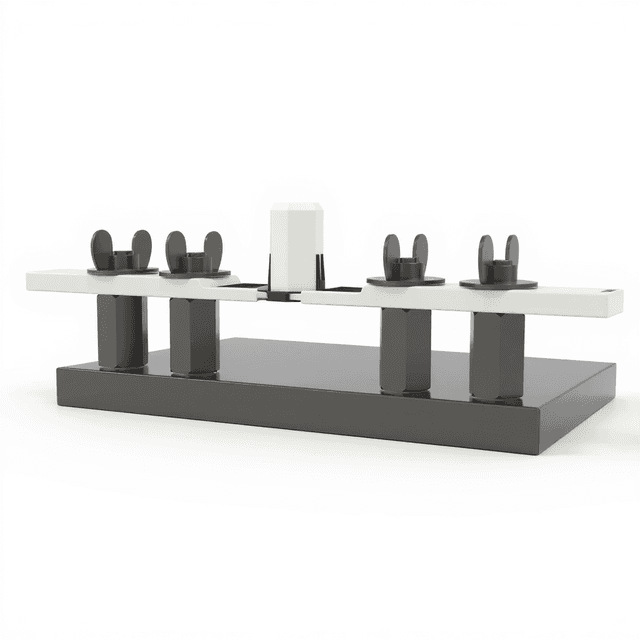
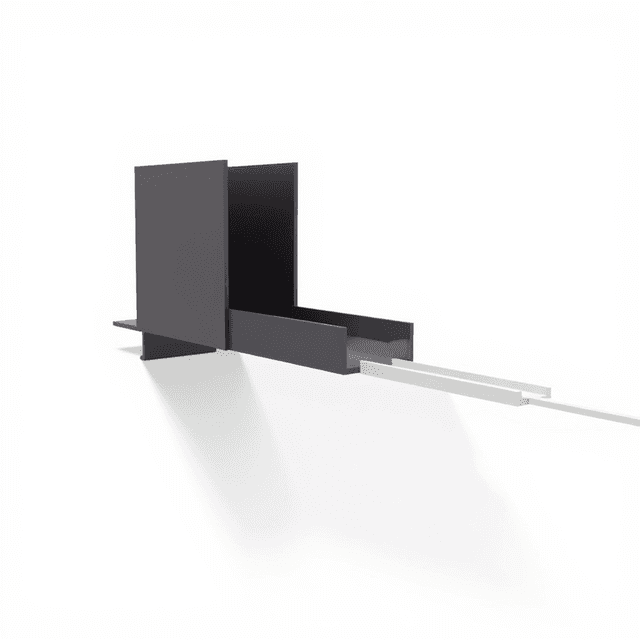
The Rodent Head-Fixation System provides stable immobilization of mouse subjects during neurophysiological recordings and behavioral assessments. This precision-engineered restraint system features an aluminum head plate with a 6 mm x 6 mm skull access window, enabling optical imaging and electrophysiological recordings while minimizing motion artifacts. The system integrates a metal restrainer platform with removable lid and thumbscrew mechanisms for controlled subject positioning.
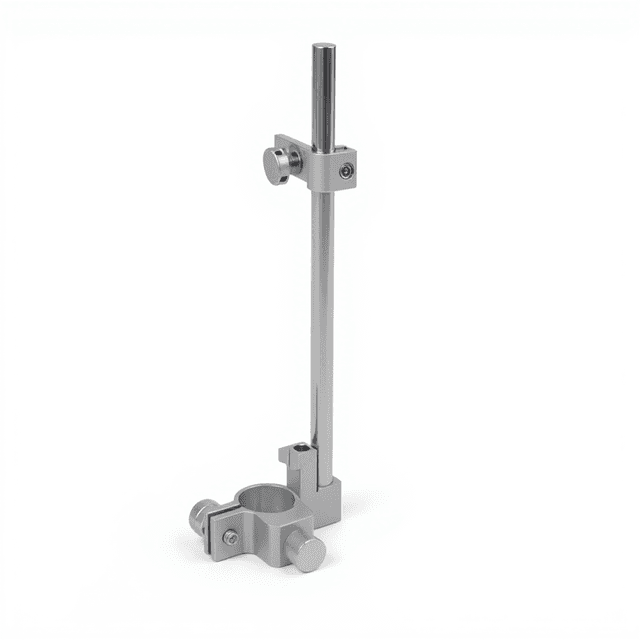
The restraint assembly positions the head bar 30mm above the body tube, providing optimal access for recording equipment while maintaining subject comfort. The acrylic and stainless steel construction ensures durability and easy cleaning between experimental sessions. This system is essential for calcium imaging studies, two-photon microscopy, and behavioral training protocols requiring precise head positioning.
How It Works
The head-fixation system operates through mechanical restraint of the mouse head via a surgically implanted aluminum head plate. The head plate, measuring 15.8mm L x 24mm W with a central 6mm x 6mm skull window, is secured to the skull using M2.5 cross countersunk screws during an initial surgical procedure. This creates a permanent attachment point for repeated experimental sessions.
During experiments, the implanted head plate clamps into the restraint apparatus, positioning the skull window 30mm above the body restraint tube. The body restrainer features a removable acrylic lid secured with thumbscrews, allowing controlled positioning of the subject while providing access to the skull through the window. This configuration eliminates head movement artifacts that would otherwise compromise optical recordings or electrode placement accuracy.
The restraint system maintains physiological positioning while preventing gross body movements that could disrupt delicate recording equipment. The skull window provides direct access to brain tissue for imaging modalities or electrode insertion, while the stable platform enables consistent positioning across multiple experimental sessions.
Features & Benefits
Add-ons and modifications
| Add-on | Price | Details |
|---|---|---|
| Head plate consumables | $150 | Head plate default (customizable upon request): Skull plate window 6 mm W x 6 mm Please request customizations to dimensions, material composition |
| Head plate consumables (non surgical) | $150 | Head plate without the need for surgery. Holds the head in place with downward pressure Please request customizations to dimensions, material composition |
Add any of these to your quote request.
Skull Window Size
- 6 mm x 6 mm
Screw Type
- M2.5 cross countersunk screws
Head Bar Height Above Body Tube
- 30mm
Restrainer Features
- Removable lid, thumbscrews for capture and release
Headplate Material
- Aluminum (default)
Platform Material
- Metal restrainer platform
Behavioral Construct
- Motor Control
- Spatial Learning
- Reward Processing
- Attention
- Decision Making
Automation Level
- manual
Material
- Acrylic
- Aluminum
- Metal
- Stainless Steel
Research Domain
- Addiction Research
- Anxiety and Depression
- Behavioral Pharmacology
- Learning and Memory
- Motor Function
- Neuroscience
Species
- Mouse
Shipping weight
- 21.0 lb
Shipping box
- L: 43.2 cm
- W: 38.0 cm
- H: 27.9 cm
| Feature | This Product | Typical Alternative | Advantage |
|---|---|---|---|
| Skull Window Access | 6mm x 6mm customizable window | Fixed 3-4mm windows in standard systems | Larger access area enables multi-site recordings or wider field-of-view imaging within single sessions. |
| Head Bar Height | 30mm elevation above body tube | Lower clearance heights around 15-20mm | Improved working distance accommodates high-numerical-aperture objectives and complex manipulator geometries. |
| Body Restraint Design | Removable lid with thumbscrew access | Fixed-tube or sliding-door mechanisms | Rapid subject loading reduces handling stress and enables quick positioning adjustments during experiments. |
| Head Plate Material | Aluminum construction | Titanium or stainless steel plates | Lightweight material reduces chronic implant burden while maintaining structural strength for secure attachment. |
| Mounting Hardware | M2.5 cross countersunk screws | Varies by model | Flush screw mounting prevents interference with recording equipment positioning and reduces profile height. |
| Platform Construction | Metal restrainer platform with multiple materials | Single-material construction systems | Material optimization balances rigidity, biocompatibility, and ease of cleaning across different system components. |
This head-fixation system combines precise mechanical positioning with user-friendly operation through its removable lid design and customizable head plate specifications. The 30mm working height and 6mm skull window provide excellent equipment access for advanced neurophysiology applications.
| Model | SKU | Listed price | Status | Shipping box |
|---|---|---|---|---|
| With Adjustable Platform | ME-RHF-35104 | $1,490.00 | Available | 102 x 34 x 38.5 cm |
| Standard | ME-RHF-35103 | $990.00 | Available | 102 x 34 x 38.5 cm |
Practical Tips
Implement gradual habituation training over 3-5 sessions with progressively longer restraint durations before data collection.
Why: Reduces stress-related physiological responses that could confound experimental measurements.
Inspect thumbscrew threads and head plate clamp mechanism weekly for wear or debris accumulation.
Why: Mechanical wear can compromise restraint security and introduce unwanted movement artifacts.
Verify skull window alignment with recording equipment focal plane before each experimental series.
Why: Small positioning errors accumulate across sessions and can limit data quality or equipment accessibility.
Monitor respiratory rate and general alertness throughout restraint sessions, establishing clear endpoints for session termination.
Why: Early detection of physiological stress ensures animal welfare compliance and data validity.
Allow 10-15 minutes post-restraint stabilization before beginning recordings to eliminate handling-induced artifacts.
Why: Initial stress responses can persist and influence neural activity patterns during early recording periods.
If head plate loosening occurs, check screw torque and consider dental acrylic reinforcement around implant sites.
Why: Chronic implant stability is essential for repeated experimental access and consistent positioning.
Maintain consistent ambient temperature and lighting conditions during restraint sessions.
Why: Environmental variables influence physiological state and can introduce systematic bias in neural recordings.
Setup Guide
What’s in the Box
- Head-fixation restrainer platform (metal)
- Removable body restraint lid (acrylic)
- Default aluminum head plate (15.8mm x 24mm with 6mm x 6mm window)
- M2.5 cross countersunk mounting screws
- Thumbscrew hardware for lid securing
- Assembly hardware and mounting brackets
- User manual with surgical implantation protocol (typical)
- Maintenance and cleaning instructions (typical)
Warranty
ConductScience provides a standard one-year manufacturer warranty covering defects in materials and workmanship, along with technical support for setup and troubleshooting assistance.
Compliance
Protocol and background
Introduction
Head fixation is a common procedure used in neurological studies. The main purpose of head fixation devices is to restrict the subject movement. In addition, it enables the researchers to optically assess neuronal circuits thereby reducing background noise and motion artifacts. The head fixation system restrains the degrees of behavioral freedom. These include learning behaviors associated with reward and those involving defined motor skills such as eye movements, lever pulling, licking, and virtual reality (Weaver et al., 2023). In addition, head fixation devices are frequently employed for recording neuronal activity by using calcium imaging and electrophysiology techniques.
The head fixation process is crucial as it impacts to head and eye movement with respect to visual stimuli. Apart from motor reflexes, as described earlier, a head fixation device can be utilized in a neuroscience lab for training mice in operant conditioning tasks. In addition, head-fixed mice can be trained to differentiate between auditory, visual, and olfactory stimuli.
The head fixation process requires the attachment of the head bar to the animal's head, immobilization of the head bar along with the subject's head using an external apparatus, and a head hat to protect skull-mounted hardware.
Apparatus and Equipment
The head fixation system features a Broome restrainer to enclose the subject's body, an adjustable head fix platform, and an optional head plate attachment.
The head can either be fixed non-surgically via downward, right, and left pressure from the adjustable fixation platform or affixed to a surgically placed headplate.
This restrainer ensures superior stability and comfort for the subject throughout the experiment. Thumbscrews allow easy capture and release of the animal.
Customizations include material composition and dimensions, please enquire
Mazeengineers provide an ergonomically designed head fixation system tailored to research needs.
Data Analysis
The following can be studied using the Rodent Head-Fixation apparatus:
- Drug and anesthesia effects
- Rodent psychophysics
- Rodent fine motor skills such as facial function eg. blinking
- Motor skills such as reflex adaptions and actions
- Neural and biomechanical force production
- Neuroimaging techniques such as Optogenetics
- Electrophysiology
- Operant conditioning
Strengths and Limitations
Precautions
- The animals chosen for head-cap implantation using a head fixation system should be optimally 12 weeks of age. By this time, the females are fully grown up whereas males can grow for a longer time.
- Make sure that the animal becomes acquainted with the researcher before conducting the behavioral task. For this, simply place your hand in the cage and let the animal explore it.
- If you're using a cream for depilation, make sure to properly rinse it afterwards.
- During stereotaxic surgery using a head fixation device, use a heating pad to maintain the animal's body temperature at 37oC (Schwarz et al., 2010).
- Try employing single-housing mice to prevent the damage caused to implants by cages.
Strengths and Limitations
The head fixation system is an efficient device with an ergonomic design used in neurobiology labs to affix murine heads. The foremost advantage of head-fixation devices is they facilitate easy monitoring of murine neuronal activity thereby minimizing background noise and motion artifacts. The mechanical stability ensured by head fixation provides favorable conditions for visualizing neural activity in awake animals. Secondly, the head fixation devices confer the advantage of greater experimental control to the researcher. Thirdly, even if the mice are not trained for a particular task, the electrophysiological neural signals are not affected by anesthetization in head-fixed awake mice. In addition, modern head fixation devices offer a reduced footprint in the subject head (Schwarz et al., 2010).
However, there are a few disadvantages as well. For instance, the head-fixed behaving rat requires a lot of time to get habituated to the experimental setup. In addition, the animal is restricted to performing several whole-body movements under head fixation. Lastly, the head bars that are wider than the subject's body can take longer than desired time to head fix the animal.
Summary
A head fixation system is employed in neurobiology laboratories to affix mouse heads during several behavioral paradigms.
- A head fixation system comprises a head restrainer pre-mounted on a metallic breadboard.
- It also contains thumbscrews which can be connected to titanium head bars (purchased separately), and a clear acrylic tube to hold the animal during the surgery.
- Head fixation devices are commonly used for studying anesthesia effects, facial function, neuroimaging, reflex adaptation, operant conditioning, and reflexes such as eye blinking in mice.
References
Guo, Z. V., Hires, S. A., Li, N., O'Connor, D. H., Komiyama, T., Ophir, E., ... & Svoboda, K. (2014). Procedures for Behavioral Experiments in Head-Fixed Mice. PLoS ONE, 9(2).
Hughes, R. N., Bakhurin, K. I., Barter, J. W., Zhang, J., & Yin, H. H. (2020). A head-fixation system for continuous monitoring of force generated during behavior. Frontiers in integrative neuroscience, 14, 11.
Schwarz, C., Hentschke, H., Butovas, S., Haiss, F., Stüttgen, M. C., Gerdjikov, T. V., ... & Waiblinger, C. (2010). The head-fixed behaving rat—procedures and pitfalls. Somatosensory & motor research, 27(4), 131-148.
Weaver, I. A., Yousefzadeh, S. A., & Tadross, M. R. (2023). An open-source head-fixation and implant-protection system for mice. HardwareX, 13, e00391.
From the Maze Engineers documentation for this apparatus.
What is the recommended surgery recovery time before beginning head-fixation experiments?
Allow 7-10 days post-implantation for tissue healing and inflammation resolution before initial restraint sessions, with gradual habituation training over 3-5 sessions.
How long can mice be safely restrained in this system during experimental sessions?
Typical sessions range 30-90 minutes depending on experimental requirements, with careful monitoring for stress indicators and adequate hydration protocols.
Can the skull window size be modified for larger craniotomies?
Yes, head plates are customizable upon request to accommodate different window dimensions or multiple smaller access ports based on experimental needs.
What cleaning protocols are recommended between subjects?
Clean all contact surfaces with 70% ethanol followed by sterile saline rinse, ensuring complete drying before next use to prevent contamination.
Is this system compatible with electrophysiology recording equipment?
Yes, the 30mm head bar height and open skull window design provide adequate clearance for micromanipulators and electrode positioning systems.
How does this compare to alternative restraint methods for imaging studies?
Provides superior stability compared to anesthesia-based immobilization while enabling awake behavioral paradigms impossible with sedated preparations.
What materials are safe for chronic head plate implantation?
The aluminum head plate material is biocompatible for chronic implantation, with stainless steel screws providing secure long-term attachment without tissue reaction.
Have a question about this product?
Have a question? Just ask.
Send it over and we'll email you a personalized answer — no call, no scheduling.
Prefer to talk it through?