Ant Y Maze
Specialized acrylic Y-maze apparatus for investigating spatial navigation, learning, and memory behaviors in ants through two-choice discrimination protocols.
| maze_arm_length | 7cm |
| arm_angle | 90 degrees |
| longitudinal_section_length | 8cm |
| supporting_base_dimensions | 13.5cm x 14.5cm |
| acrylic_cylinder_height | 10cm |
| acrylic_top_dimensions | 10cm x 15cm |

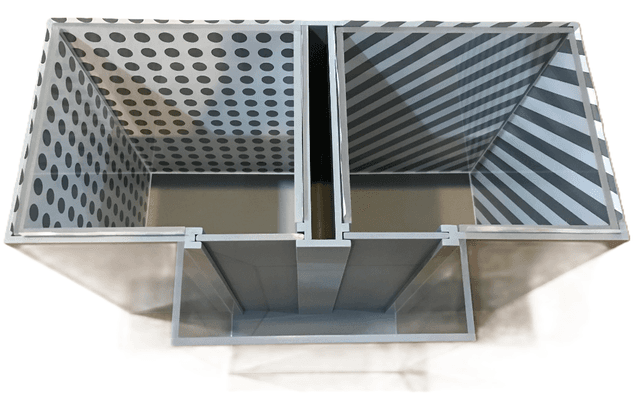
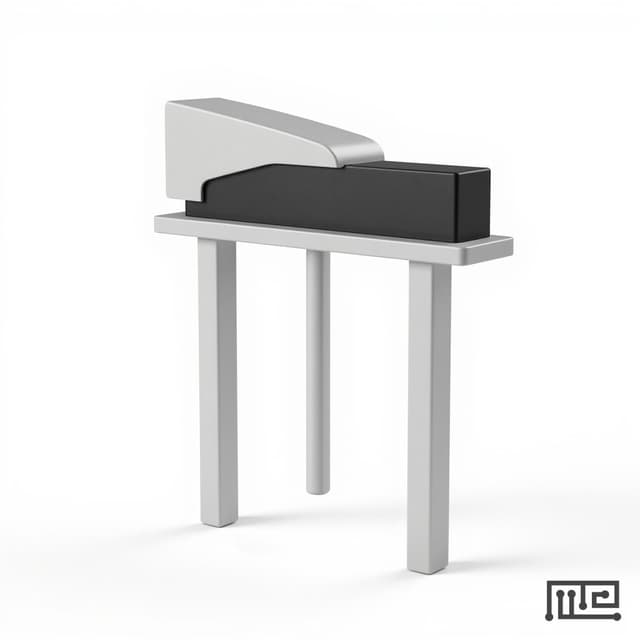
The Ant Y-Maze is a specialized behavioral apparatus designed for investigating spatial navigation, learning, and memory in ants. This two-choice discrimination maze enables differential conditioning protocols where ants learn to distinguish between stimuli based on olfactory or visual cues. The apparatus features two 7cm arms positioned at 90-degree angles from an 8cm longitudinal entry channel, providing a controlled environment for studying insect cognitive behaviors.
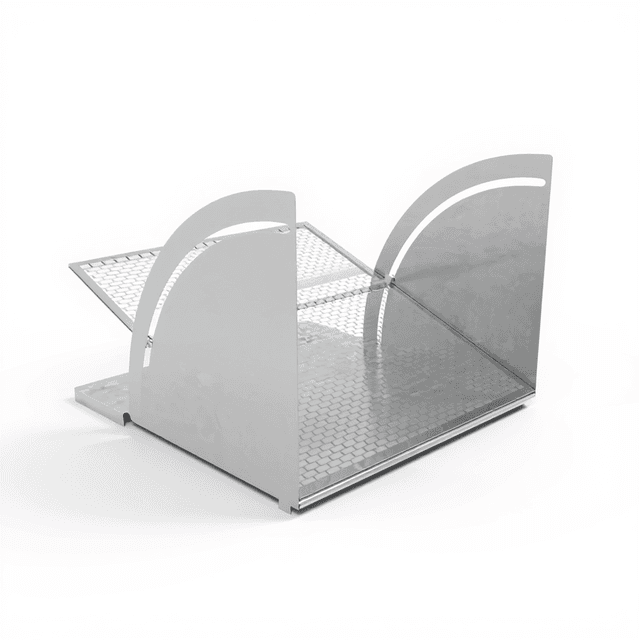
The maze is constructed from acrylic with precise dimensions optimized for ant behavioral studies. The apparatus includes a removable glass observation plate and elevated design supported by 10cm legs, allowing for comprehensive behavioral monitoring. This design enables researchers to assess biological memory mechanisms in ants, serving as a model system for understanding cellular and molecular aspects of olfactory learning and navigation in insects.
How It Works
The Ant Y-Maze operates on the principle of two-choice spatial discrimination, where ants navigate through a longitudinal entry channel before encountering a decision point leading to two distinct arms. The 90-degree arm configuration creates spatially separated choice options, allowing researchers to present different stimuli or reinforcement conditions in each arm. Ants enter through the 8cm entrance channel and must choose between the two 7cm arms based on learned associations with olfactory, visual, or tactile cues.
During testing protocols, odor tips are inserted 1.5cm into each arm, with reinforcement typically positioned 3.5cm from the odor sources. This spatial arrangement ensures clear stimulus-response associations while maintaining adequate distance for behavioral measurement. The elevated design with 10cm legs and removable glass plate facilitates overhead observation and video recording, enabling precise tracking of movement patterns, choice latencies, and learning curves across multiple trial sessions.
Features & Benefits
maze_arm_length
- 7cm
arm_angle
- 90 degrees
longitudinal_section_length
- 8cm
supporting_base_dimensions
- 13.5cm x 14.5cm
acrylic_cylinder_height
- 10cm
acrylic_top_dimensions
- 10cm x 15cm
minimum_trials
- 16 trials
odor_tip_insertion_depth
- 1.5cm
reinforcement_distance
- 3.5cm from odor tips
Behavioral Construct
- Spatial navigation
- Working memory
- Reference memory
- Olfactory discrimination
- Choice behavior
- Learning and memory
Automation Level
- manual
Material
- Acrylic
Species
- Ants
Dimensions
- 14.5cm x 13.5cm x 1.9cm
Research Domain
- Behavioral Pharmacology
- Learning and Memory
- Neuroscience
Weight
- 21.0 kg
Dimensions
- L: 43.2 mm
- W: 38.0 mm
- H: 27.9 mm
Comparison Guide
| Feature | This Product | Typical Alternative | Advantage |
|---|---|---|---|
| Arm Configuration | 90-degree arms with 7cm length | Many designs use 120-degree angles or variable arm lengths | Provides optimal spatial discrimination while accommodating natural ant movement patterns |
| Wall Height | 1.9cm consistent height | Generic maze systems often use 2-5cm walls designed for larger insects | Prevents escape while allowing natural movement without restricting behavioral expression |
| Observation Access | Removable glass plate with elevated design | Fixed designs or limited observation access | Enables high-quality overhead recording while maintaining experimental control |
| Stimulus Delivery | Standardized 1.5cm odor tip insertion depth | Variable or undefined stimulus positioning systems | Ensures reproducible experimental conditions and consistent stimulus-response associations |
| Base Footprint | Compact 13.5cm x 14.5cm base | Larger systems requiring more bench space | Fits standard laboratory setups while maintaining adequate maze dimensions for comprehensive testing |
The Ant Y-Maze provides purpose-built dimensions and features specifically optimized for insect behavioral research. The standardized stimulus delivery system and observation access enable reproducible experimental protocols with precise behavioral measurement capabilities.
Practical Tips
Verify arm symmetry and wall height consistency before each testing session using precision measuring tools.
Why: Ensures equal choice probabilities and prevents spatial bias in behavioral responses
Clean the apparatus with ethanol between subjects and perform thorough decontamination with laboratory-grade disinfectants weekly.
Why: Prevents olfactory contamination that could influence subsequent subject performance
Allow subjects to acclimate in the entry channel for 30-60 seconds before trial initiation.
Why: Reduces stress-related behaviors and provides more reliable baseline performance measurements
Record both choice latency and path trajectory data for comprehensive behavioral analysis.
Why: Enables assessment of decision-making confidence and navigation strategy changes across learning trials
If subjects show persistent side bias, rotate the entire apparatus 180 degrees between trial blocks.
Why: Distinguishes between true stimulus preference and spatial bias due to environmental factors
Ensure the glass observation plate is properly secured before introducing subjects to prevent escape.
Why: Maintains experimental containment while protecting both subjects and laboratory environment
Standardize stimulus concentration and presentation timing across all experimental sessions.
Why: Reduces variability in learning performance and enables reliable comparison across experimental groups
Setup Guide
What’s in the Box
- Ant Y-Maze main apparatus (acrylic construction)
- Removable glass observation plate (10cm x 15cm)
- Support leg assembly (10cm height)
- User protocol guide (typical)
- Assembly hardware (typical)
Warranty
ConductScience provides a standard one-year manufacturer warranty covering defects in materials and workmanship, with technical support for setup and protocol optimization.
Compliance
References
Background reading relevant to this product:
What is the minimum number of trials recommended for reliable behavioral assessment?
Protocols typically employ a minimum of 16 trials per testing session, though specific requirements depend on the learning paradigm and statistical power requirements for the experimental design.
How are olfactory stimuli delivered and positioned within the apparatus?
Odor tips are inserted 1.5cm into each arm at designated positions, with reinforcement typically placed 3.5cm from the odor sources to establish clear stimulus-response associations.
What recording equipment is compatible with this maze design?
The elevated design and removable glass plate accommodate standard overhead video recording systems, with the compact footprint fitting most behavioral tracking software setups.
How is the apparatus cleaned between subjects to prevent olfactory contamination?
The acrylic construction allows for thorough cleaning with standard laboratory disinfectants, while the removable glass plate enables complete decontamination between testing sessions.
Can the maze accommodate different ant species sizes?
The 1.9cm wall height and 7cm arm dimensions are suitable for most common laboratory ant species, though researchers should verify compatibility with their specific species' size and movement patterns.
What environmental factors should be controlled during testing?
Maintain consistent lighting, temperature, and humidity conditions, while minimizing vibrations and external odor sources that could influence ant navigation and choice behaviors.
How does this apparatus compare to T-maze configurations for ant studies?
The Y-maze design provides more naturalistic choice angles compared to perpendicular T-maze arms, potentially better reflecting ant navigation behaviors observed in natural foraging contexts.
Have a question about this product?