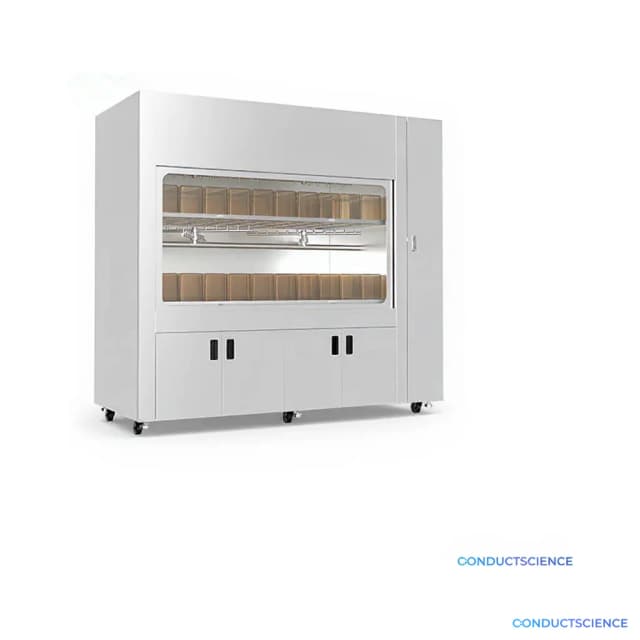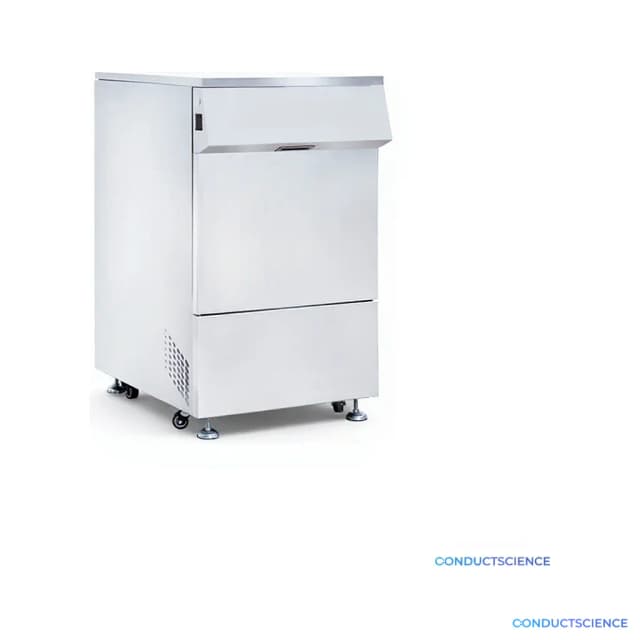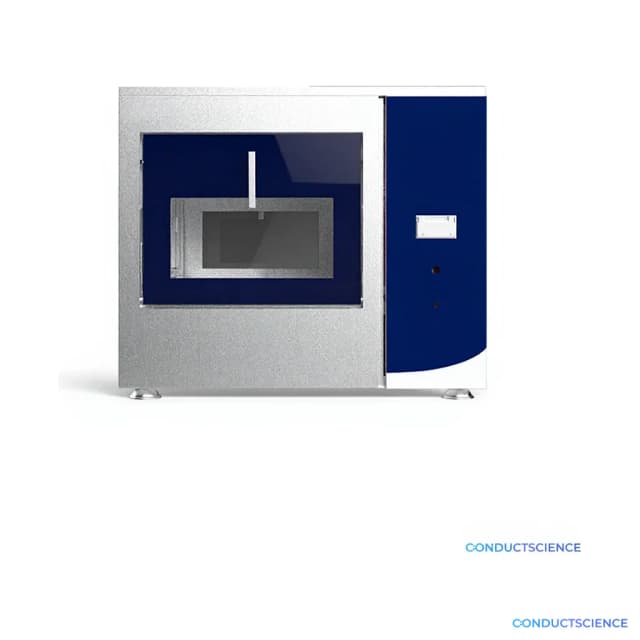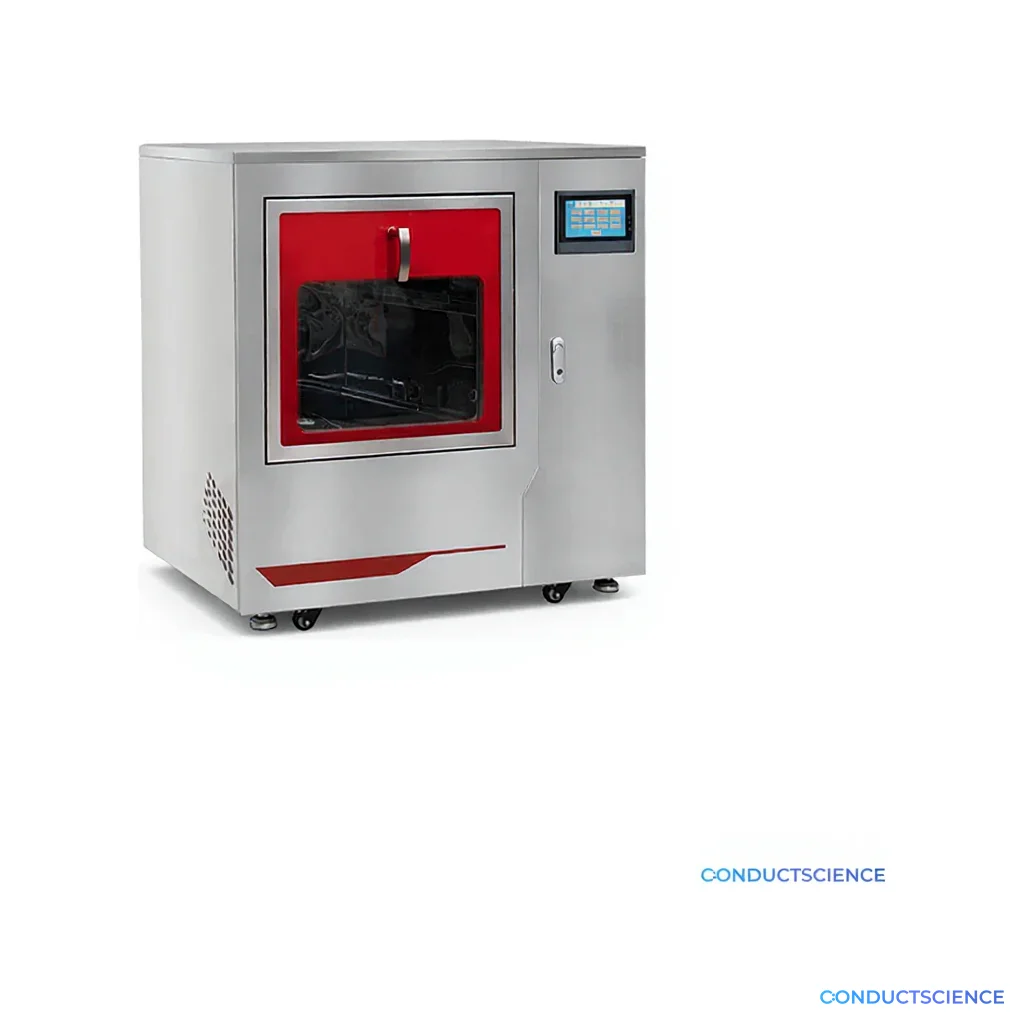
Automated Dental Washer Disinfector Dental Medical Glassware Washer
High-capacity automated washer disinfector for laboratory instruments and glassware, featuring multiple load levels and thermal disinfection capabilities with capacities from 120L to 320L.
| Automation Level | fully-automated |
| BK-LW220 | BK-LW320 |
| 220L | 320L |
| Washer Load Level | 1 |
| 2 | 3 |
| Water Wash Power | 0.75KW |
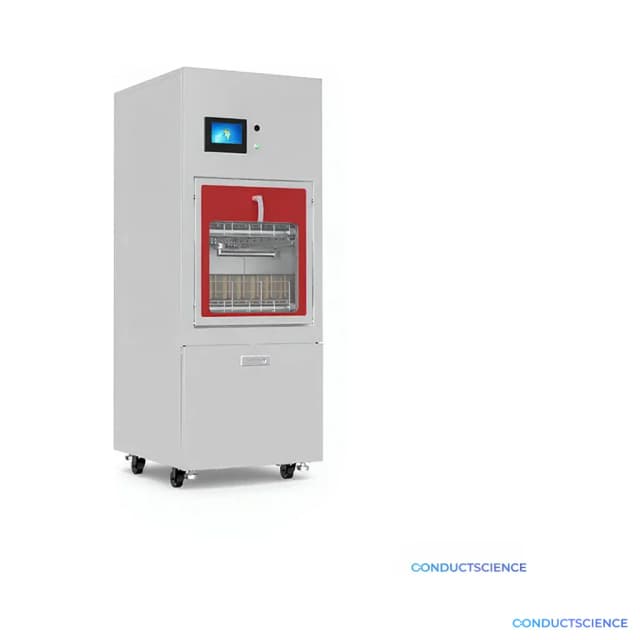
The Automated Dental Washer Disinfector is a high-capacity laboratory cleaning system designed for automated washing and disinfection of dental instruments, medical tools, and laboratory glassware. Available in multiple configurations (BK-LW220, BK-LW320) with capacities ranging from 120L to 320L, this washer disinfector provides standardized cleaning protocols essential for maintaining instrument integrity and reducing contamination risk in research and clinical environments.
The system operates through automated wash cycles with programmable parameters, utilizing controlled water temperature, detergent delivery, and rinse sequences. With water consumption rates of 17-22L per step and heating power up to 17KW, the unit provides efficient thermal disinfection while minimizing water usage. The multi-level loading system accommodates various instrument types and sizes, making it suitable for diverse laboratory workflows requiring consistent cleaning and disinfection protocols.
How It Works
The washer disinfector operates through programmable multi-step cleaning cycles that combine mechanical action, chemical cleaning, and thermal disinfection. The system draws water through internal pumps (0.75-1.5KW water wash power) and heats it using integrated heating elements (5-17KW capacity) to achieve specific temperature profiles for optimal cleaning and disinfection efficacy.
During operation, instruments are loaded into multi-level racks within the chamber. The automated cycle begins with pre-wash to remove gross contamination, followed by main wash with detergent at elevated temperature, multiple rinse cycles to remove cleaning agents, and final thermal disinfection at temperatures sufficient to achieve microbial kill. Water consumption is controlled at 17-22L per step depending on the specific cycle and load requirements.
The thermal disinfection process relies on time-temperature relationships to achieve specified log reduction of vegetative bacteria, viruses, and fungi. The integrated heating system maintains precise temperature control throughout the disinfection phase, while the chamber design ensures uniform heat distribution to all loaded items.
Features & Benefits
Automation Level
- fully-automated
BK-LW220
- BK-LW320
220L
- 320L
Washer Load Level
- 1
2
- 3
Water Wash Power
- 0.75KW
0.75KW
- 1.5KW
Water Heater Power
- 5KW
5KW
- 15KW
MAX. Power
- 6KW
6KW
- 16KW
7KW
- 17KW
Water Consumption/Step
- 17L
20L
- 22L
Brand
- ConductScience
Research Domain
- Analytical Chemistry
- Cell Biology
- Clinical Diagnostics
- Environmental Monitoring
- Microbiology
- Pharmaceutical QC
Capacity
- 120L
Weight
- 169.0 lbs
Dimensions
- L: 87.0 in
- W: 98.0 in
- H: 74.0 in
Comparison Guide
| Feature | This Product | Typical Alternative | Advantage |
|---|---|---|---|
| Chamber Capacity | 120L to 320L capacity options across three models | Entry-level units often provide single capacity options under 200L | Multiple capacity options allow laboratories to select optimal throughput without oversizing equipment and utility requirements. |
| Loading Flexibility | 1-3 loading levels depending on model configuration | Basic models typically offer single-level loading | Multi-level loading maximizes chamber utilization and enables simultaneous processing of different instrument types. |
| Heating Power | 5-17KW heating capacity across model range | Lower-end units often provide limited heating power under 10KW | Higher heating power enables faster temperature rise and shorter cycle times, improving laboratory throughput. |
| Water Efficiency | 17-22L water consumption per washing step | Standard units may use 25-40L per cycle | Reduced water consumption lowers operating costs and environmental impact while maintaining cleaning efficacy. |
| Size Range | 87cm × 98cm × 74cm chamber dimensions with multiple capacity options | Fixed sizing without capacity variants | Consistent chamber dimensions across capacity range simplifies installation planning and accessory compatibility. |
This washer disinfector series offers scalable capacity options with consistent chamber dimensions and efficient water usage. The multi-level loading system and high heating power provide flexibility for diverse laboratory workflows while maintaining standardized cleaning protocols.
Practical Tips
Perform quarterly temperature calibration using NIST-traceable thermocouples placed at multiple chamber locations.
Why: Temperature accuracy is critical for validated thermal disinfection and regulatory compliance documentation.
Clean drain filters after each use and perform weekly inspection of spray arms for blockages.
Why: Proper water flow is essential for effective mechanical cleaning action and uniform chemical distribution.
Load instruments with openings facing downward and avoid overcrowding to ensure water circulation.
Why: Proper loading orientation prevents water pooling and ensures cleaning solution reaches all surfaces.
If heating elements fail to reach target temperature, check for mineral buildup and descale if necessary.
Why: Scale formation reduces heat transfer efficiency and can lead to incomplete thermal disinfection.
Monitor cycle data for temperature deviations and extended cycle times as early indicators of system issues.
Why: Trend analysis of cycle parameters enables preventive maintenance before system failures occur.
Allow chamber contents to cool before unloading and wear appropriate PPE when handling disinfected items.
Why: Thermal disinfection cycles produce hot surfaces and steam that can cause burns during unloading.
Validate new instrument types with worst-case soil loads before routine processing.
Why: Material compatibility and cleaning efficacy must be verified for each new instrument configuration.
Use only manufacturer-recommended detergents and maintain proper dilution ratios.
Why: Incorrect detergent concentrations can damage instruments or leave residues that interfere with subsequent procedures.
Setup Guide
What’s in the Box
- Washer disinfector main unit
- Multi-level loading racks (typical)
- Instrument baskets and holders (typical)
- Water inlet and drainage connections
- Power cable and electrical connections
- Operating manual and cycle programming guide
- Validation documentation templates (typical)
Warranty
ConductScience provides a standard 1-year manufacturer warranty covering parts and technical support. Extended warranty options and on-site service agreements are available for high-volume laboratory installations.
Compliance
What validation testing is required for new cycle development?
Temperature distribution studies, cleaning efficacy testing with soil loads, and microbial challenge testing using appropriate indicator organisms. Thermocouple mapping should verify temperature achievement throughout the chamber volume.
How do I select appropriate cycles for different instrument materials?
Heat-sensitive plastics require lower temperature cycles with extended time, while metal instruments can withstand higher temperatures for shorter durations. Consult material compatibility charts for specific polymers and alloys.
What preventive maintenance is required for optimal performance?
Daily drain cleaning, weekly filter inspection, monthly calibration of temperature sensors, and quarterly descaling of heating elements. Water quality should be monitored to prevent mineral buildup.
Can the system process instruments with complex geometries or lumens?
Multi-level loading accommodates various shapes, but instruments with narrow lumens may require specialized adapters or manual pre-cleaning to ensure adequate water circulation and cleaning contact.
What data logging capabilities are available for documentation?
Consult product datasheet for specific data recording and export capabilities. Most units provide cycle monitoring with time-temperature records for validation and compliance documentation.
How does chamber capacity affect cycle efficiency?
Larger chambers (320L vs 120L) accommodate higher throughput but require longer heating times and higher power consumption. Load density affects water circulation and should not exceed 80% chamber volume.
Have a question about this product?
Accessories
Enhance your setup with compatible accessories
Frequently Bought Together