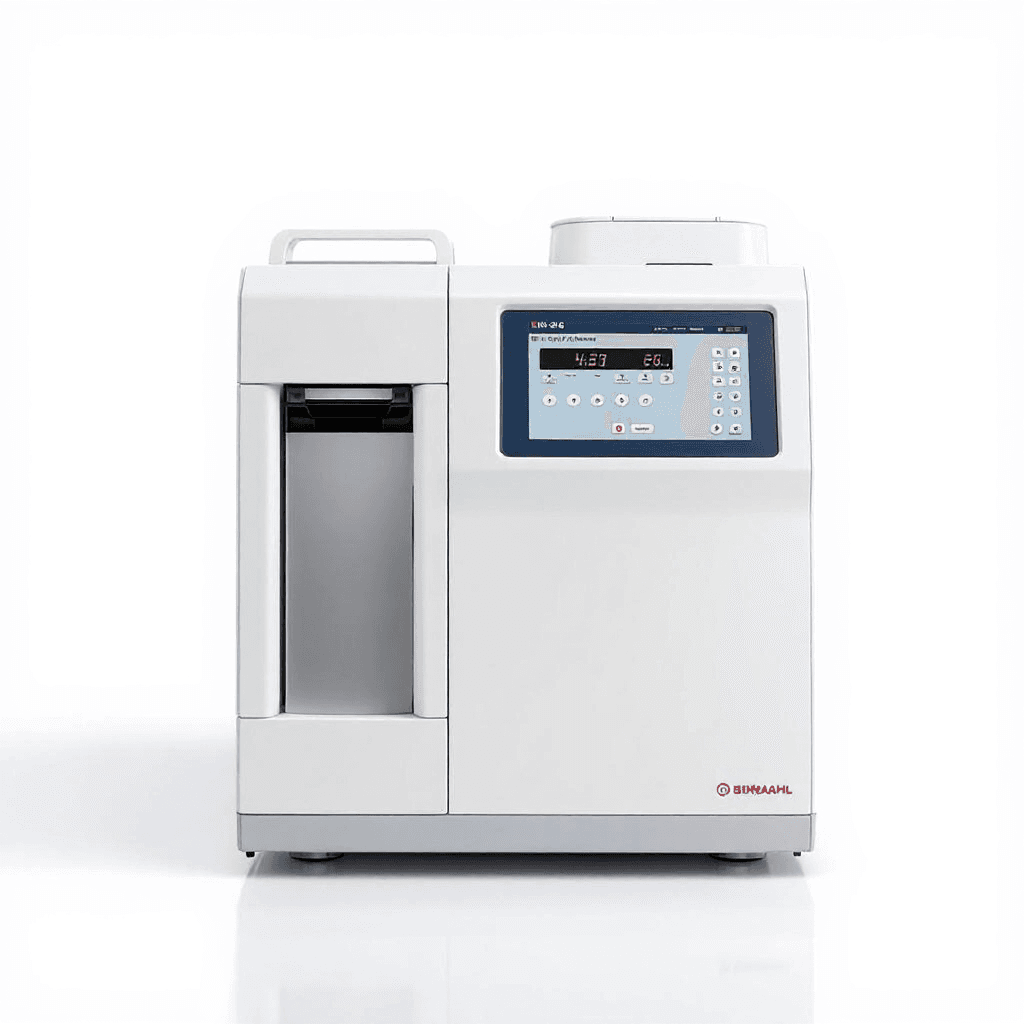
BKN-986 Kjeldahl Apparatus Kjeldahl Nitrogen Analyzer
Automated Kjeldahl nitrogen analyzer for protein determination with 99.5% recovery ratio and 3-6 minute analysis times for samples containing 0.1-240 mg nitrogen.
| Automation Level | semi-automated |
| BKN-110F | BKN-986 |
| Water Consumption | 1.5L/Min |
| Steam Generator Water Consumption: | 2.4L/H |
| Ambient Temperature | 5~40℃ |
| Ambient Humidity | 80% |
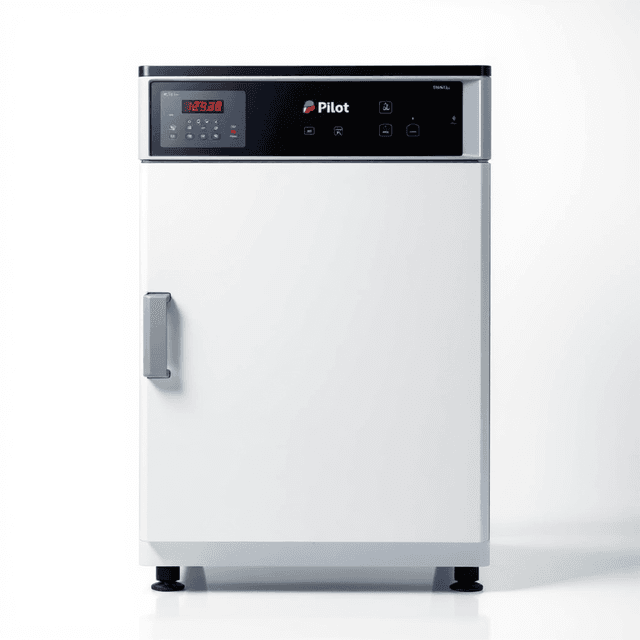
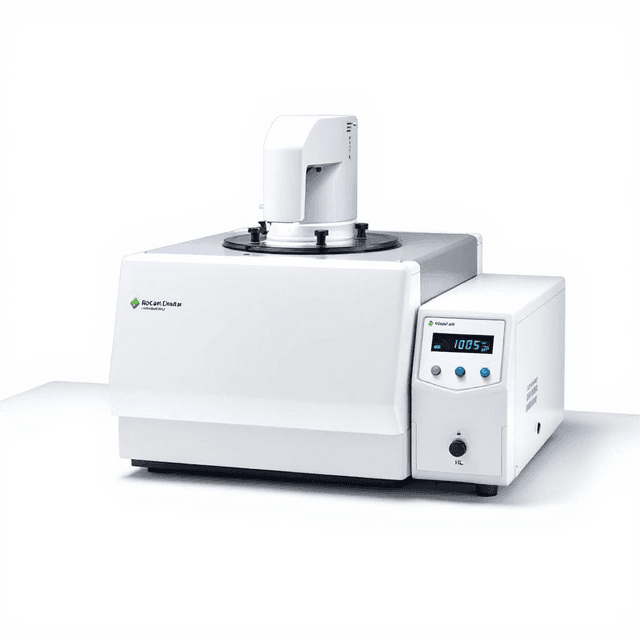
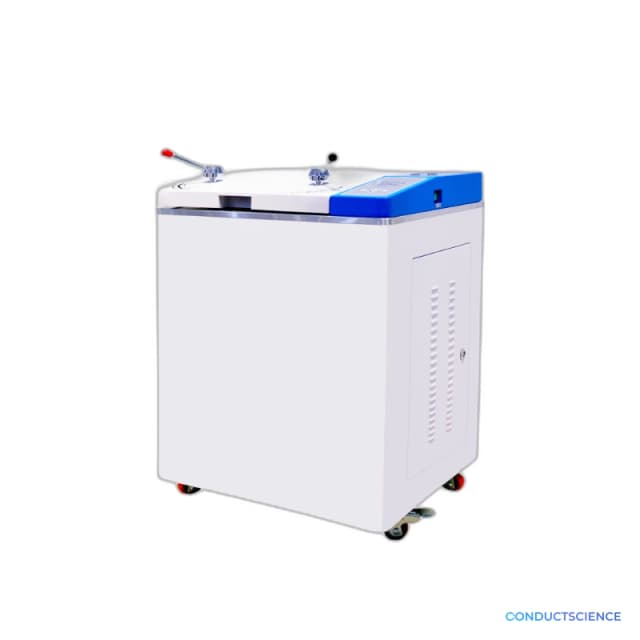
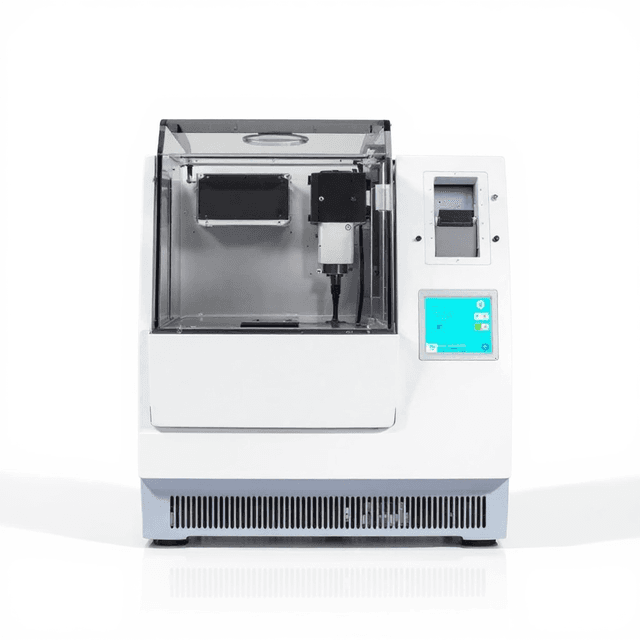
The BKN-986 Kjeldahl Apparatus is an automated nitrogen analyzer designed for protein and nitrogen content determination in food, feed, environmental, and pharmaceutical samples. This benchtop instrument implements the classical Kjeldahl method through automated digestion, distillation, and titration steps, providing quantitative nitrogen analysis with recovery ratios ≥99.5%. The system processes samples containing 0.1-240 mg nitrogen with analysis times of 3-6 minutes per sample.
The analyzer integrates steam generation, automated distillation, and precision titration in a compact footprint measuring 88.0 × 65.5 × 52.8 cm. Water consumption is optimized at 1.5 L/min for cooling and 2.4 L/h for steam generation, while maintaining reproducibility within ±0.5% across analytical runs. The 2000W heating system operates on standard laboratory power (AC110/220V) with environmental specifications suitable for routine laboratory conditions (5-40°C, ≤80% humidity).
How It Works
The Kjeldahl method operates through three sequential steps: digestion, distillation, and titration. During digestion, organic samples are heated with concentrated sulfuric acid and a catalyst, converting nitrogen-containing compounds to ammonium sulfate. The digestion temperature and duration are controlled to ensure complete mineralization while preventing nitrogen loss.
In the distillation phase, the digested sample is made alkaline with sodium hydroxide, converting ammonium sulfate to ammonia gas. Steam distillation carries the ammonia into a receiving flask containing a known volume of standardized acid solution. The automated steam generator maintains consistent distillation conditions while water cooling condenses the distillate.
The final titration step determines the amount of unreacted acid in the receiving flask using a standardized base solution. The difference between the initial acid amount and the remaining unreacted acid corresponds to the ammonia collected, which directly relates to the original nitrogen content. Automated titration with 2 μL/step precision ensures accurate endpoint detection and reproducible results.
Features & Benefits
Automation Level
- semi-automated
BKN-110F
- BKN-986
Water Consumption
- 1.5L/Min
Steam Generator Water Consumption:
- 2.4L/H
Ambient Temperature
- 5~40℃
Ambient Humidity
- 80%
Measure Range
- 0.1mg~240mg
Analysis Time
- 3~6min
Recovery Ratio
- ≥99.5%
Burette Accuracy
- /
1.0μL/ step
- 2μL/ step
Reproducibility
- /
±0.5%
- ±0.5%
Consumption
- 2000W
Brand
- ConductScience
Research Domain
- Analytical Chemistry
- Environmental Monitoring
- Food Science
- Pharmaceutical QC
Power/Voltage
- AC110/220 V ±10%,60/50Hz
Weight
- 45.0 lbs
Dimensions
- L: 88.0 in
- W: 65.5 in
- H: 52.8 in
Comparison Guide
| Feature | This Product | Typical Alternative | Advantage |
|---|---|---|---|
| Analysis Time | 3-6 minutes per sample | Manual methods require 2-4 hours per sample | Enables high-throughput analysis for laboratories processing multiple samples daily |
| Measurement Range | 0.1-240 mg nitrogen | Entry-level analyzers often limited to narrower ranges | Accommodates diverse sample types from trace analysis to high-protein materials without method modifications |
| Recovery Ratio | ≥99.5% | Basic systems may achieve 95-98% recovery | Provides accuracy suitable for regulatory applications and method validation requirements |
| Reproducibility | ±0.5% | Manual methods typically achieve ±2-5% variation | Reduces analytical uncertainty for precise protein content determination and quality control |
| Titration Precision | 2 μL/step | Manual titration limited by operator technique | Ensures accurate endpoint detection across the full analytical range for consistent results |
| Footprint | 88 × 65.5 × 52.8 cm | Large systems may require dedicated floor space | Fits standard laboratory benches while providing complete analytical capability |
The BKN-986 combines classical Kjeldahl accuracy with automated operation, providing ≥99.5% recovery and ±0.5% reproducibility in a compact benchtop format. The 3-6 minute analysis time and 0.1-240 mg nitrogen range accommodate diverse analytical requirements from trace environmental analysis to routine food protein determination.
Practical Tips
Verify burette calibration using certified nitrogen standards before each analytical session, especially after reagent changes or extended downtime.
Why: Maintains 2 μL/step precision specification and ensures accurate quantitative results.
Perform weekly cleaning of digestion vessels with dilute acid wash followed by distilled water rinse to prevent cross-contamination.
Why: Removes residual sample matrix and maintains the ≥99.5% recovery ratio specification.
Include certified reference materials in each analytical batch to monitor system performance and detect drift.
Why: Provides quality assurance documentation and early detection of calibration issues.
If recovery ratios drop below specification, check reagent concentrations and steam generation pressure before extensive troubleshooting.
Why: These are the most common causes of reduced recovery and can be quickly verified and corrected.
Run duplicate analyses for samples near the detection limit (0.1 mg nitrogen) to verify reproducibility within ±0.5% specification.
Why: Confirms analytical precision at the lower measurement range where uncertainty is typically highest.
Ensure adequate ventilation during operation as the system handles concentrated acids and generates steam during analysis.
Why: Protects operators from chemical vapors and maintains safe laboratory working conditions.
Pre-equilibrate the system for 30 minutes before analysis to ensure stable steam generation and temperature control.
Why: Provides consistent analytical conditions and optimal performance within the 3-6 minute analysis time specification.
Monitor water consumption rates (1.5 L/min cooling, 2.4 L/h steam) to detect potential blockages or system malfunctions early.
Why: Maintains optimal distillation conditions and prevents system damage from overheating or inadequate cooling.
Setup Guide
What’s in the Box
- BKN-986 Kjeldahl Analyzer main unit
- Power cord and connection cables
- Water inlet and outlet tubing
- Digestion flask set (typical)
- Receiving flask assembly (typical)
- Reagent tubing and connections (typical)
- User manual and operation guide
- Installation and setup documentation
- Calibration certificate (typical)
Warranty
ConductScience provides a standard one-year manufacturer warranty covering parts and labor, with technical support for installation, calibration, and troubleshooting. Extended service plans are available for laboratories requiring enhanced maintenance coverage.
Compliance
What sample preparation is required before nitrogen analysis?
Samples should be homogenized and dried to constant weight. Liquid samples may require pre-concentration, while solid samples need grinding to ensure representative aliquots within the 0.1-240 mg nitrogen range.
How often does the system require calibration verification?
Burette calibration should be verified weekly or after 50 analyses using certified reference standards. Recovery ratio verification using known nitrogen standards is recommended daily before sample analysis.
What reagent consumption can be expected per analysis?
Typical consumption includes 10-15 mL concentrated sulfuric acid for digestion, 50-75 mL sodium hydroxide solution for distillation, and titrant volumes dependent on nitrogen content. Consult operation manual for specific reagent specifications.
Can the analyzer handle samples with high fat or oil content?
Yes, but samples with >10% fat may require extended digestion times or pre-extraction. The automated system accommodates various sample matrices, though extremely viscous samples may need dilution or modified preparation.
What data output formats are available for results?
Consult product datasheet for specific data export capabilities. Standard Kjeldahl analyzers typically provide printout capability and basic data logging functionality.
How does analysis time vary with different sample types?
The 3-6 minute range reflects varying digestion requirements. Simple matrices analyze faster (3-4 minutes) while complex organic samples or high-protein materials may require extended digestion approaching 6 minutes.
What routine maintenance is required for consistent performance?
Weekly cleaning of digestion vessels, monthly replacement of reagent tubing, and quarterly cleaning of distillation pathways. Steam generator requires periodic descaling based on water quality and usage frequency.
Is the system suitable for trace nitrogen analysis in environmental samples?
Yes, with 0.1 mg lower detection limit, the system can analyze environmental samples, though very low-nitrogen samples may require concentration or larger sample volumes to achieve reliable quantification.
Have a question about this product?