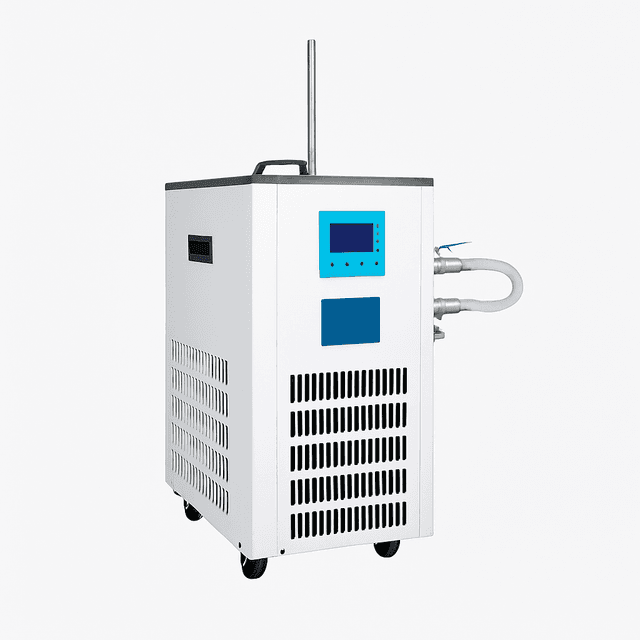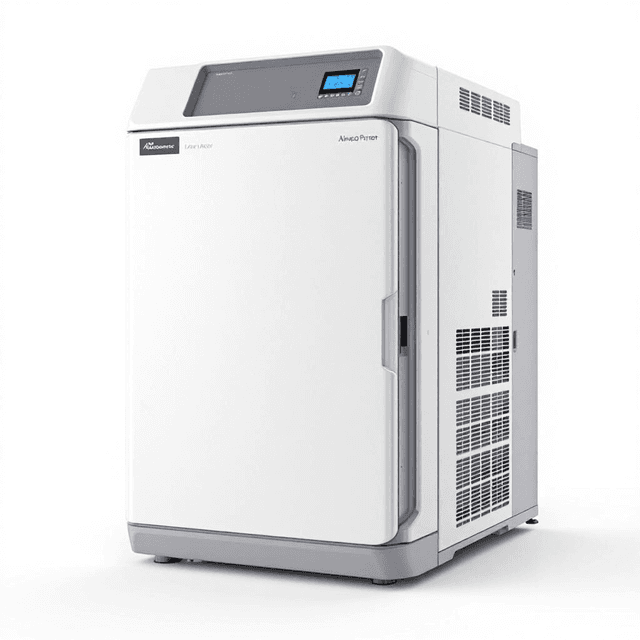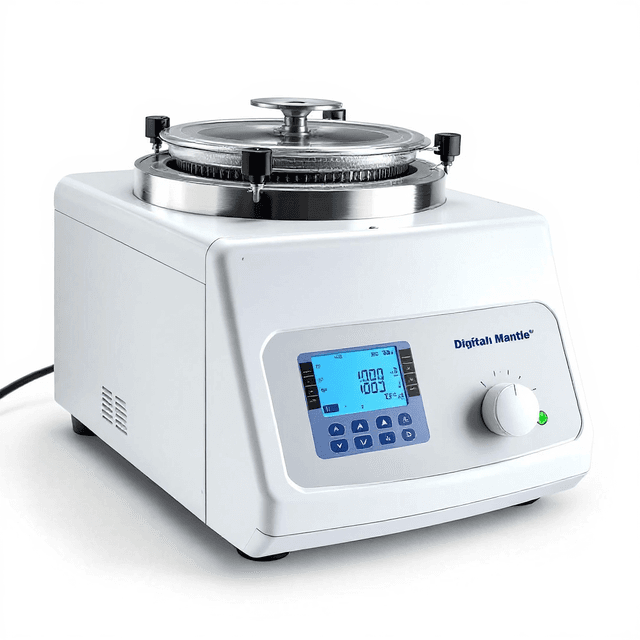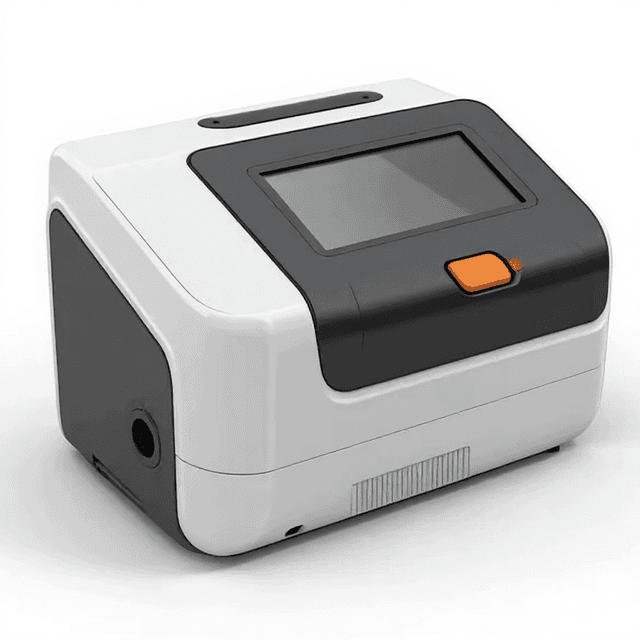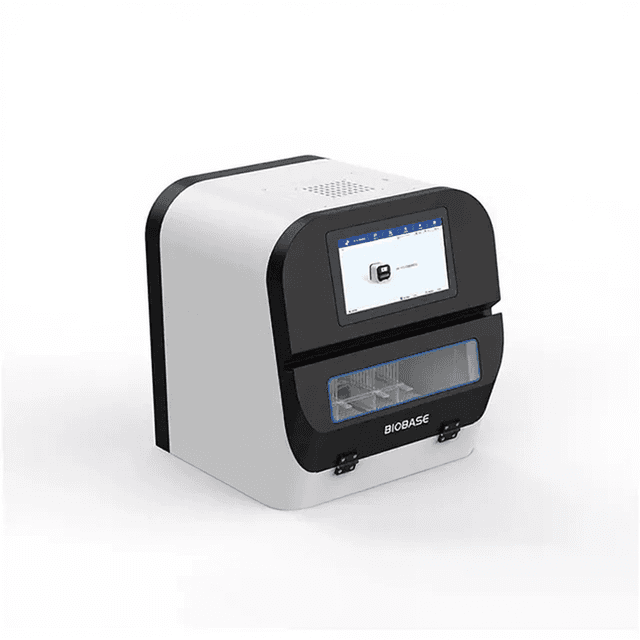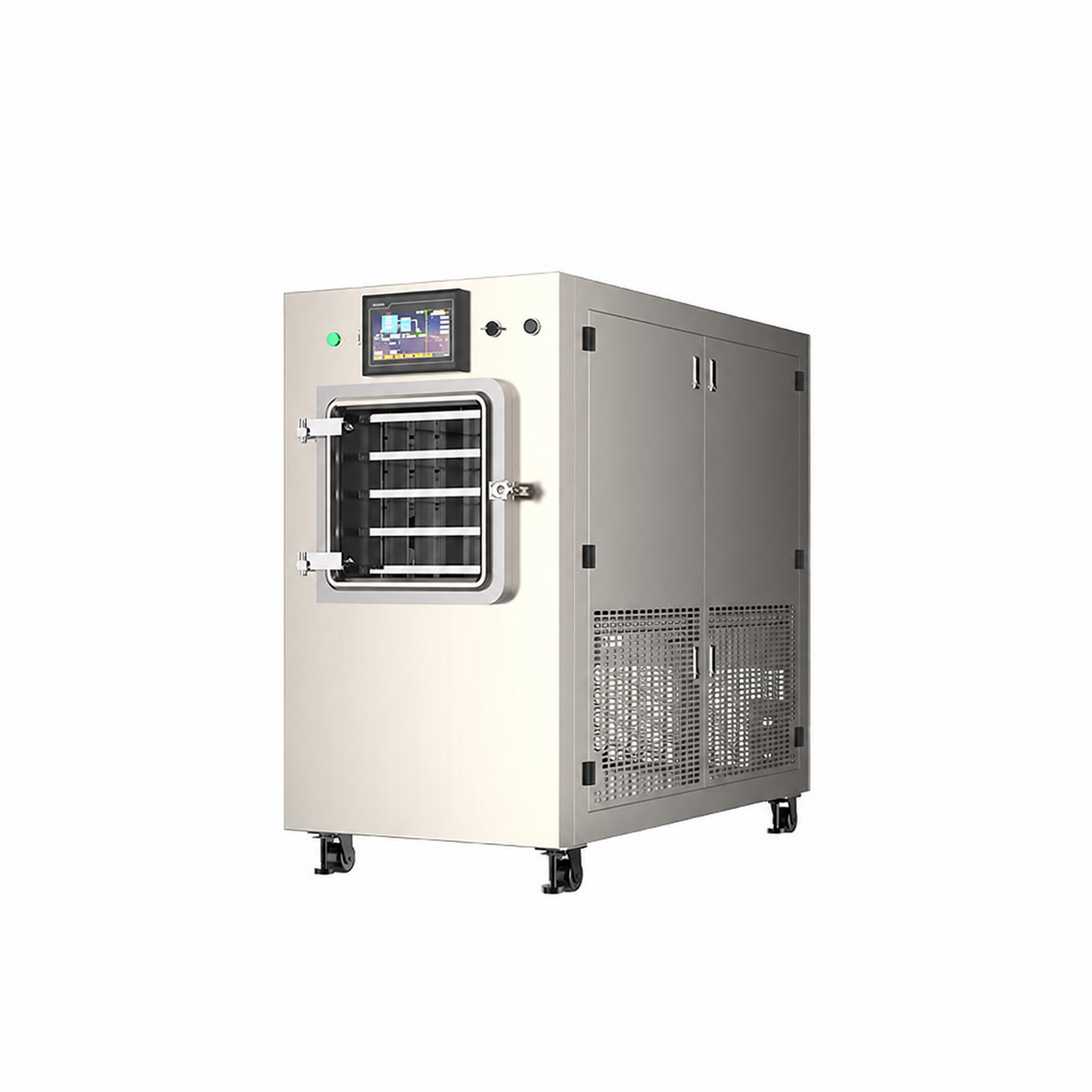
Pilot Freeze Dryer - 20L
Pilot-scale 20L freeze dryer for lyophilization of biologics, pharmaceuticals, and food products with advanced temperature and vacuum control systems.

Louise Corscadden, PhD
Director of Science · ConductScience
Ask Louise about Pilot Freeze Dryer - 20L fit, setup, configuration, or quote prep.
Already working with us? Sign in to connect this with My Scientist.
Key Specifications
Full details →- Model fit
- 4 selectable configurations
- SKU family
- BIO-FD-20S
- Shipping box
- 42.0 x 43.6 x 38.0 cm
- Ordering
- Online checkout and quote request available
- Category
- Benchtop Instruments
- Build notes
- Confirm accessories, station layout, and support needs before purchase
Advanced laboratory freeze dryer designed for research and industrial applications. Features precise temperature control and vacuum management for effective freeze drying of biological and chemical samples.
How It Works
Freeze drying operates through a three-phase process beginning with freezing the sample to temperatures below the eutectic point, typically -40°C to -80°C. During this phase, water in the sample forms ice crystals while dissolved solutes concentrate in the remaining liquid fraction. The freezing rate and final temperature determine ice crystal size and distribution, which affects the final product structure.
The primary drying phase occurs under high vacuum conditions (typically 50-100 mTorr) where ice crystals sublime directly to water vapor without melting. Heat is applied gradually through heated shelves or surfaces to provide the energy of sublimation while maintaining the product temperature below the collapse temperature. The sublimed water vapor travels to refrigerated condenser coils where it refreezes and is removed from the system.
Secondary drying removes residual bound water through desorption at slightly elevated temperatures under continued vacuum. This phase typically reduces moisture content to 1-5% depending on the product requirements. Temperature and vacuum profiles are carefully controlled throughout the process to prevent product collapse, melting, or degradation while maximizing drying efficiency.
Features & Benefits
Shipping weight
- 300.0 lb
Shipping box
- L: 42.0 cm
- W: 43.6 cm
- H: 38.0 cm
| Model | SKU | Listed price | Status | Shipping box |
|---|---|---|---|---|
| 30L Top-Loading | BK-PFD30T | $29,990.00 | Available | 42.0 x 43.6 x 38.0 cm |
| 30L Standard | BK-PFD30S | $24,990.00 | Available | 42.0 x 43.6 x 38.0 cm |
| 20L Top-Loading | BK-PFD20T | $26,990.00 | Available | 42.0 x 43.6 x 38.0 cm |
| 20L Standard | BK-PFD20S | $21,990.00 | Available | 42.0 x 43.6 x 38.0 cm |
Practical Tips
Verify temperature sensor accuracy quarterly using certified reference thermometers at operating temperatures.
Why: Temperature accuracy is critical for maintaining product quality and preventing collapse during drying cycles.
Clean condenser coils monthly and check for ice buildup that can reduce sublimation efficiency.
Why: Clean condensers maintain optimal heat transfer and vapor capture rates throughout extended processing cycles.
Pre-freeze samples to at least -40°C before loading to ensure complete ice crystal formation.
Why: Proper pre-freezing prevents product collapse and ensures uniform drying throughout the sample matrix.
Monitor vacuum levels continuously during primary drying - rising pressure may indicate condenser capacity limitations.
Why: Vacuum stability directly affects sublimation rates and can indicate system performance issues requiring attention.
Record shelf temperature, chamber pressure, and condenser temperature at regular intervals throughout each cycle.
Why: Complete process documentation is essential for regulatory compliance and process validation studies.
Ensure proper ventilation around the unit and never bypass safety interlocks during operation.
Why: Freeze dryers generate heat and use high vacuum systems that require proper safety protocols to prevent injury.
Setup Guide
Complete installation support and operator training provided. System includes vacuum pump, condenser, heating elements, and control panel with digital display.What’s in the Box
- Pilot Freeze Dryer - 20L main unit
- Vacuum pump system (typical)
- Temperature control system (typical)
- Sample shelves and accessories (typical)
- Power cables and connections (typical)
- User manual and documentation (typical)
- Performance qualification certificates (typical)
Warranty
ConductScience provides a comprehensive one-year manufacturer warranty covering parts and technical support. Extended service contracts and calibration services are available for ongoing system maintenance.
Compliance
Comprehensive operation manuals, maintenance schedules, and troubleshooting guides included. Technical support available.Have a question about this product?
Have a question? Just ask.
Send it over and we'll email you a personalized answer — no call, no scheduling.
Prefer to talk it through?
Accessories
Enhance your setup with compatible accessories
Upgrade Options